
Grade 5 Science: Energy Transformations
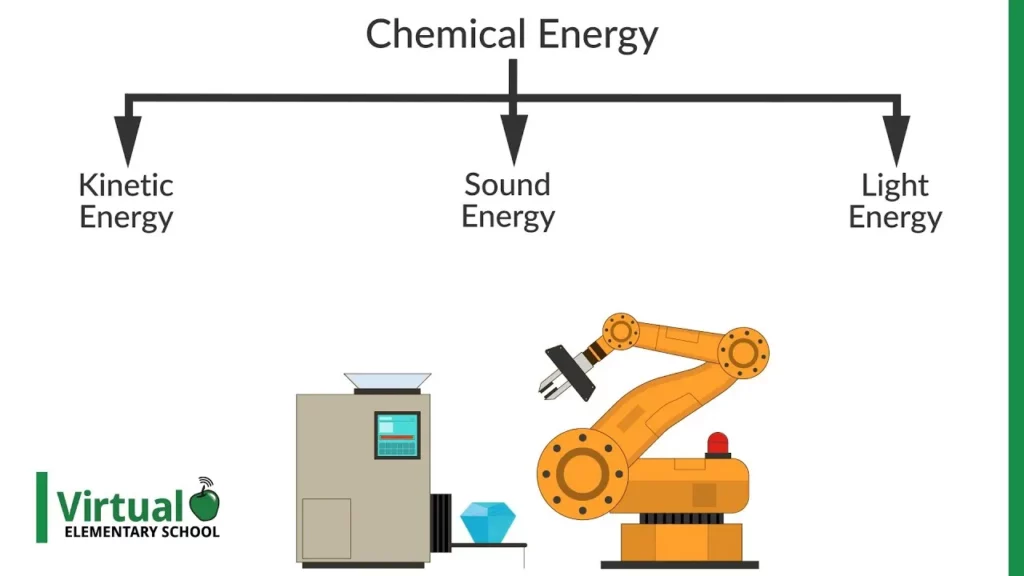
The lesson on energy transformations explains that energy is essential for all activities and cannot be created or destroyed, only transformed from one form to another. It provides examples of simple and multiple energy transformations, such as how a stove converts electrical energy into heat and how a car transforms chemical energy from fuel into various forms of energy. Ultimately, the lesson emphasizes that energy is constantly changing forms, which is a fundamental concept in understanding the workings of the world.
Grade 4 Science: Explaining the Gear System on a Bicycle

This lesson explains the function and importance of bicycle gears, which are essential for adjusting speed and pedaling effort. It describes how the front and rear sprockets, connected by a chain, work together to facilitate smooth movement while riding. Understanding these components enhances appreciation for the engineering behind bicycles and their ability to adapt to different terrains.
Grade 3 Math: How to Use a Multiplication Table
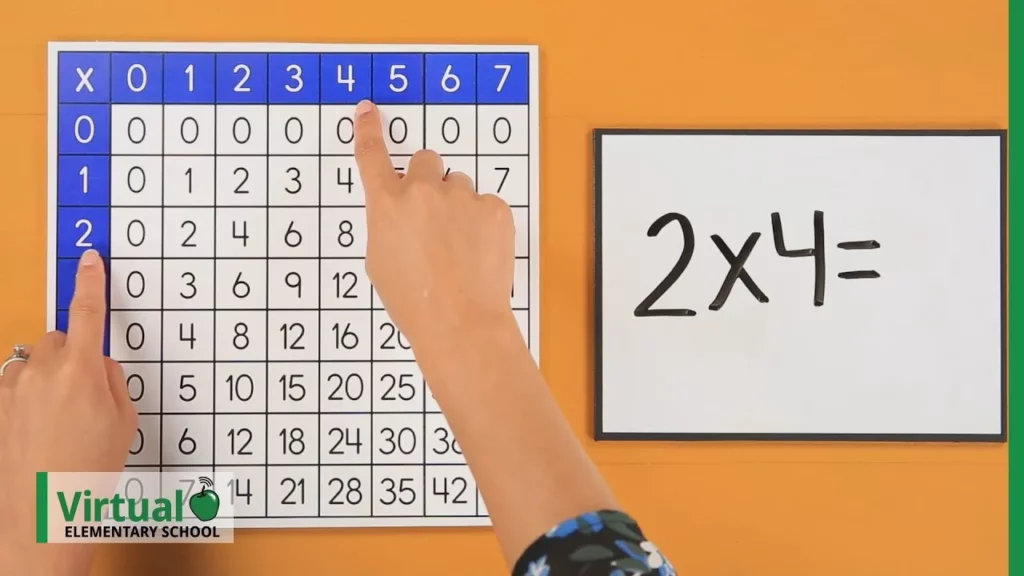
In this lesson, students learn how to use a multiplication table as a helpful tool for solving multiplication and division problems. By locating numbers in the table and following specific steps, they can easily find products and quotients, such as determining that 2 times 4 equals 8 and 12 divided by 2 equals 6. With practice, students can become proficient in using the multiplication table to enhance their math skills.
Grade 2 Math: Subtraction Rocks with Base Ten Blocks
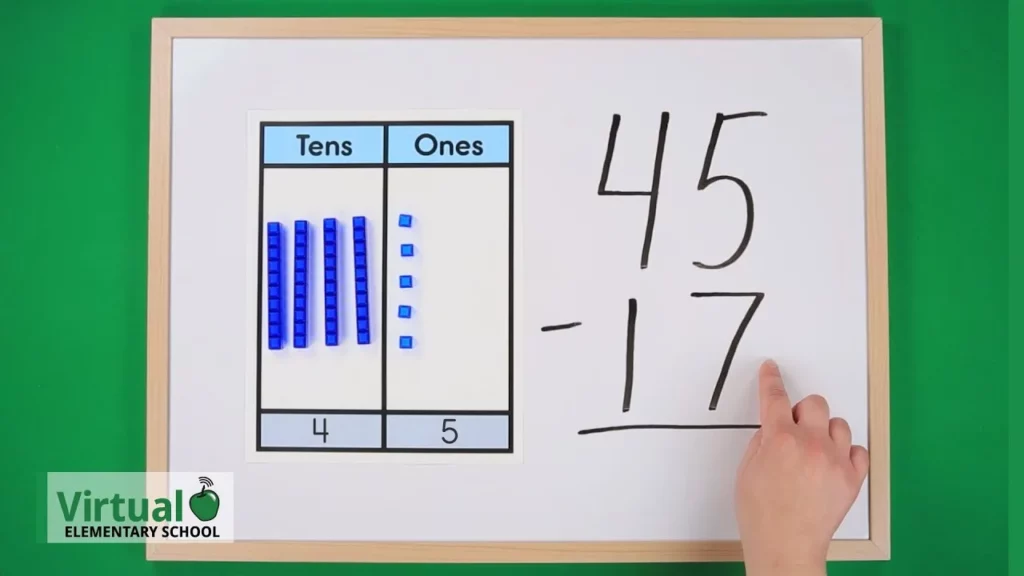
In this lesson, students learn how to subtract larger numbers using base ten blocks, specifically through the example of subtracting 17 from 45. The lesson introduces the concept of regrouping, where students break down a rod (representing ten) into ten blocks to facilitate subtraction when there aren’t enough blocks in the ones place. By the end, students successfully find that 45 minus 17 equals 28, reinforcing their understanding of subtraction and the importance of regrouping.
Grade 4 Science: How Do Food Chains Work
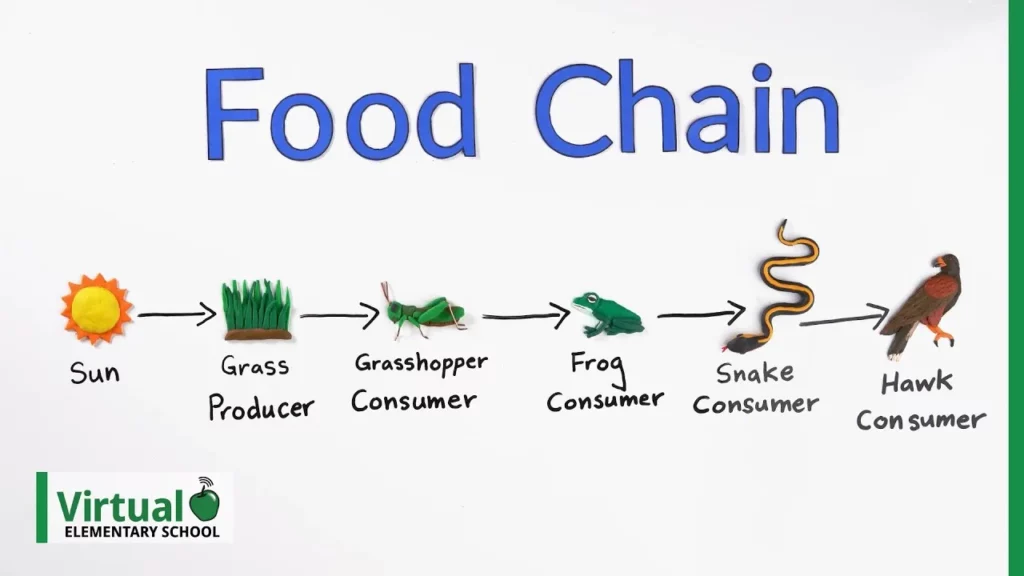
In this lesson, we explored the concept of food chains, which illustrate how energy flows from the sun to plants (producers) and then to animals (consumers) through a series of eating relationships. We learned that energy moves in a specific direction, represented by arrows, as one organism consumes another, forming a connected web of life known as a food web. This understanding highlights the interdependence of living things in nature and the importance of energy transfer in ecosystems.
Grade 2 Math: Addition Solution
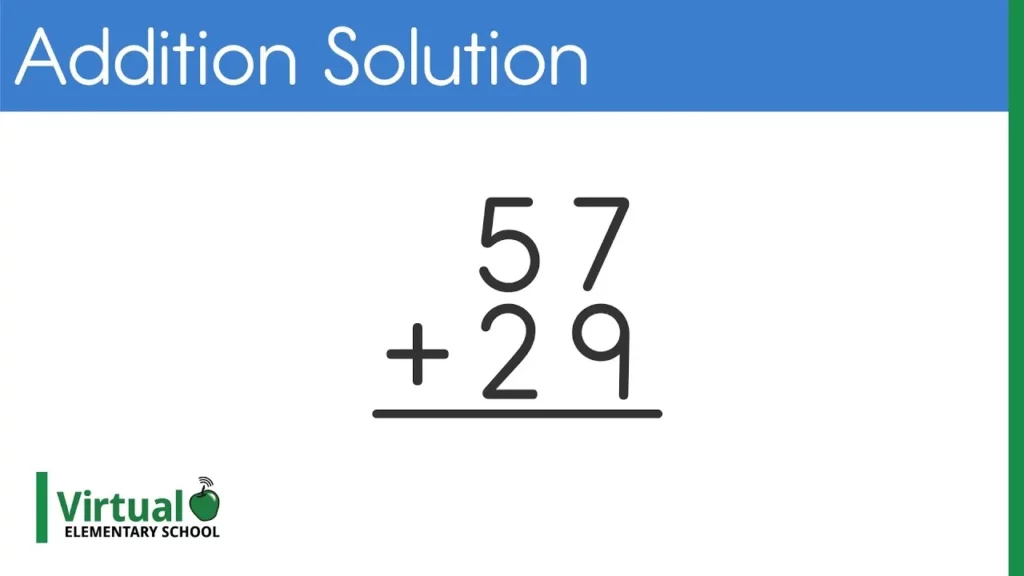
In this lesson, students learn how to add the numbers 57 and 29 by stacking them to align the tens and ones places. They first add the ones place, carrying over any excess to the tens place, and then combine the tens to arrive at the final answer of 86. The lesson emphasizes the fun and simplicity of addition through visual organization and practice.
Mixing black with other colors
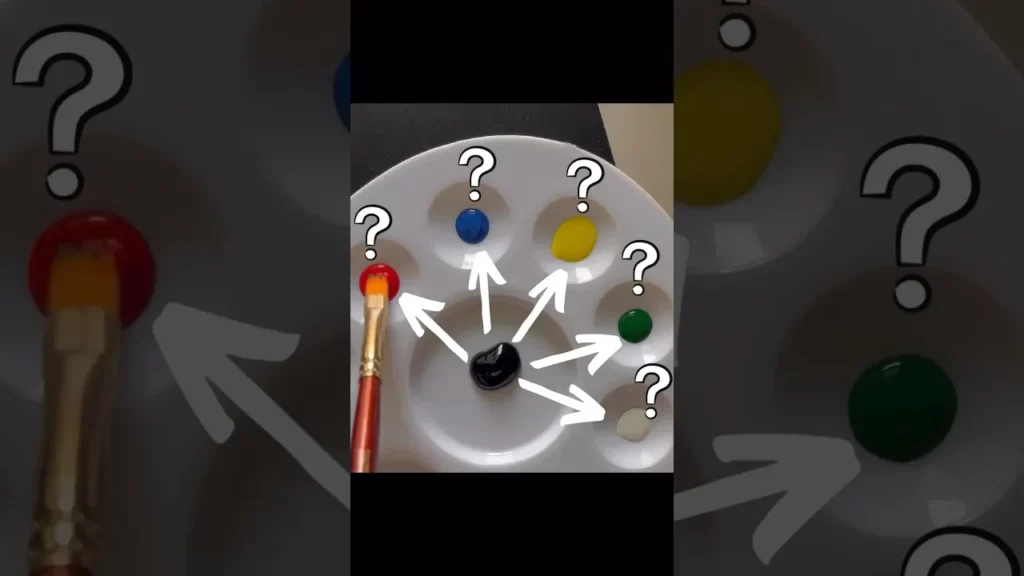
In today’s lesson, young artists learned about the exciting effects of mixing black with other colors. By combining black with red, blue, and yellow, they discovered how it transforms into dark red, navy blue, and olive green, respectively. The lesson encouraged hands-on exploration, inviting children to experiment with mixing colors to create their own unique shades.
Match Colored Bottles | Learn Colors | Video for Kids
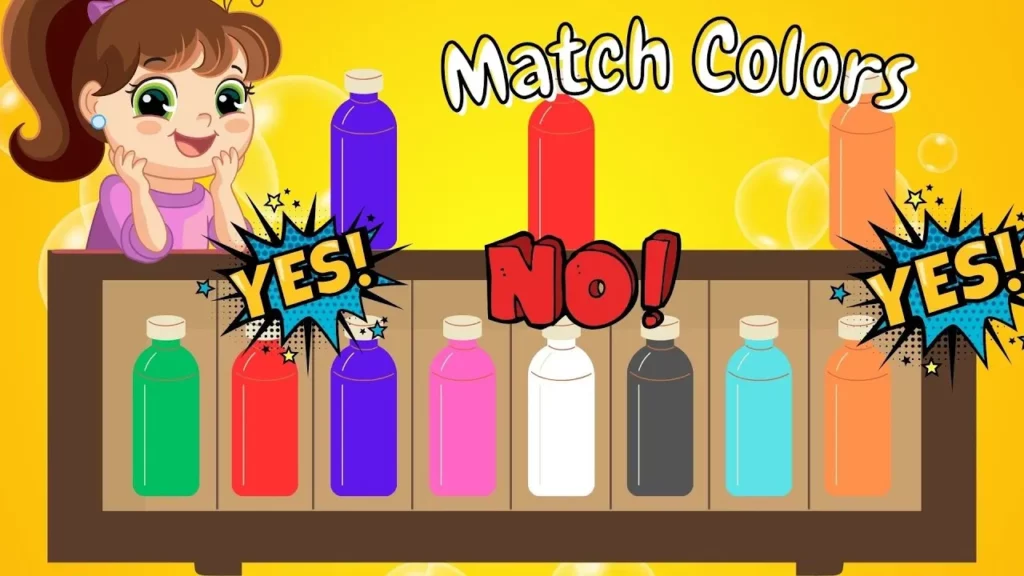
In this lesson, children learn about colors through a fun matching game with colorful bottles, encouraging them to identify and match similar colors. The lesson emphasizes the presence of colors in everyday life and incorporates singing and dancing to make the learning experience enjoyable. Finally, it encourages further exploration of colors through creative activities like drawing and painting.
Next up | Because we love unicorns

In today’s lesson, we explored the enchanting world of unicorns, magical creatures known for their beauty and friendly nature. We discussed their characteristics, why they inspire joy and imagination, and engaged in fun activities like coloring, dancing, and crafting unicorn horns. The lesson emphasized the importance of imagination and creativity, encouraging children to dream and explore the magical possibilities around them.
Counting 61 to 70 | Counting and Number Names for Kids | Video for Kids
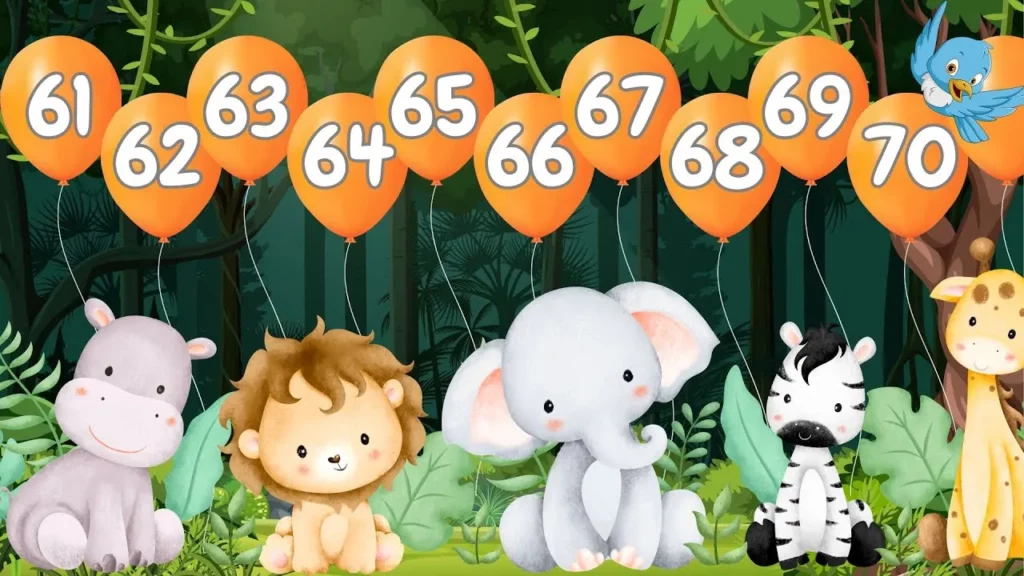
In this lesson, students learn to count from 61 to 70, including the corresponding number names. The lesson encourages interactive counting and emphasizes the importance of practice in developing math skills. Additionally, it suggests fun activities like counting with others and coloring the numbers to enhance the learning experience.