
How to draw an ice cream with cone
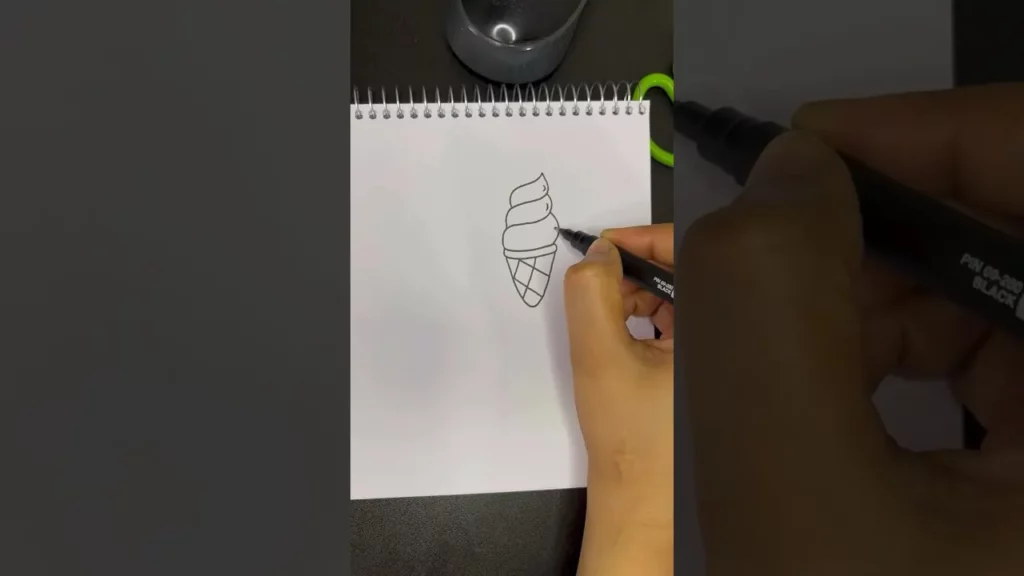
In this lesson, you will learn how to draw a delicious ice cream cone by following simple steps. Start by creating a cone shape with a “V” and a curved line, then add a fluffy scoop of ice cream on top, and finally, decorate it with fun toppings and colors using crayons or colored pencils. Enjoy the process and feel free to experiment with different flavors and multiple scoops!
Magnets, Properties of magnets | Science for kids
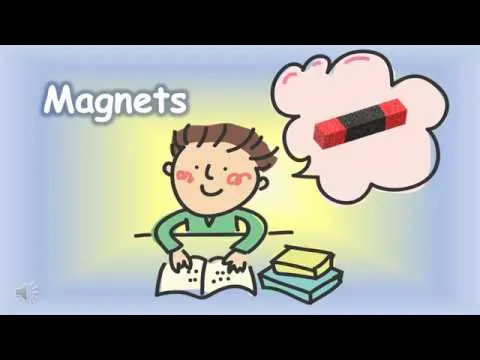
In this lesson, we explored the fascinating world of magnets, which are made from metals like iron, nickel, and cobalt that possess unique properties allowing them to attract certain materials. We learned about the significance of magnet poles, how magnets align with the Earth’s magnetic field, and the principles of attraction and repulsion between different poles. Through fun experiments and tests, we discovered the essential characteristics of magnets and their role in understanding magnetic forces.
Cleanliness and Hygiene | Personal Hygiene for Kids | Video for Kids
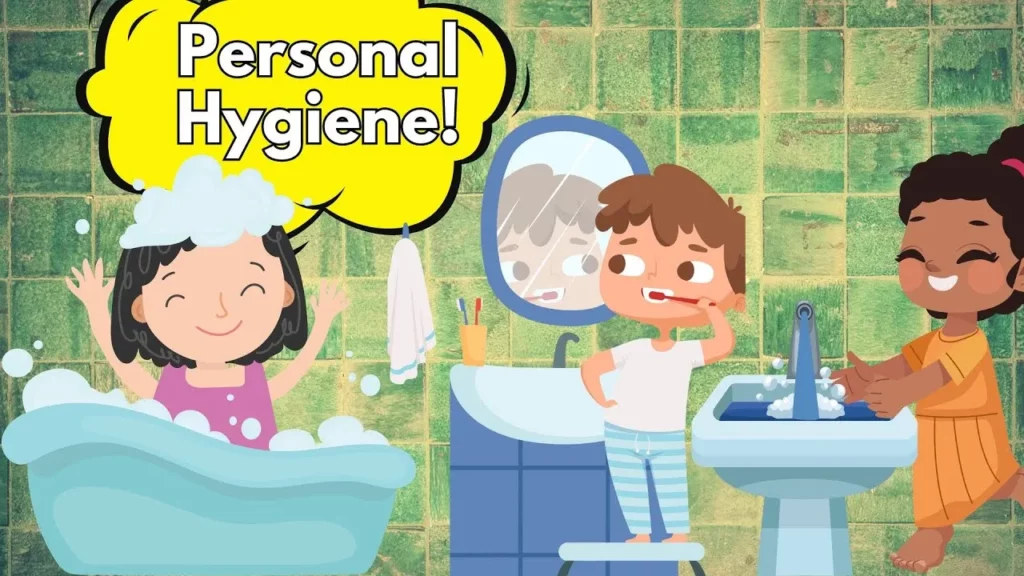
In this lesson on cleanliness and hygiene, children learn the importance of personal hygiene for maintaining health and preventing illness. Key practices include taking daily baths, washing hands regularly, brushing teeth twice a day, and wearing clean clothes to stay fresh and comfortable. By following these simple steps, kids can keep their bodies clean and healthy while having fun.
Draw Rakhi
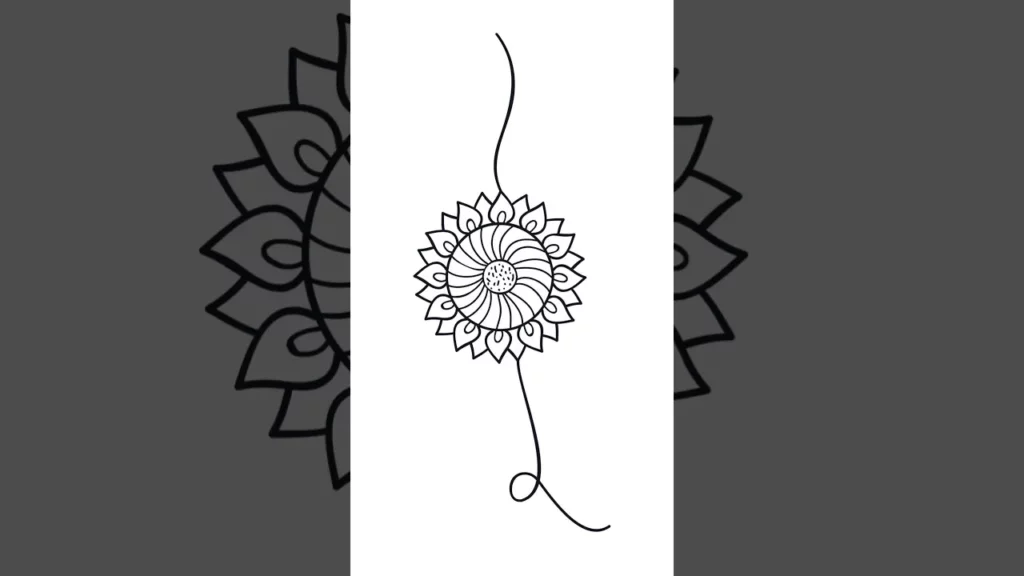
In this lesson, we learned about Rakhi, a vibrant festival that celebrates the bond between brothers and sisters. On this special day, sisters tie colorful bracelets called Rakhis around their brothers’ wrists as a symbol of love and care, while brothers promise to protect their sisters. The lesson also included a fun DIY activity to create your own Rakhi, emphasizing the importance of family, love, and shared celebrations.
Liver | functions of liver | Human body organs | Science for kids
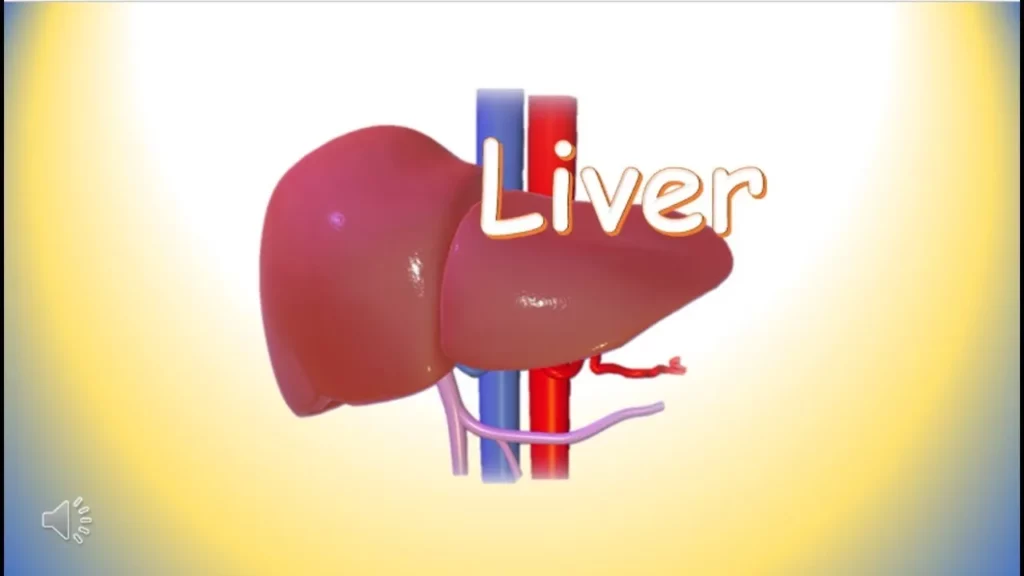
The lesson highlights the liver’s crucial roles in maintaining health, including cleaning blood by removing toxins, storing energy as glycogen, and producing bile for fat digestion. Additionally, it emphasizes the liver’s remarkable ability to regenerate, allowing it to heal and restore itself even after significant damage. Overall, the liver is portrayed as an essential and fascinating organ that supports various vital functions in the body.
How to draw a unicorn
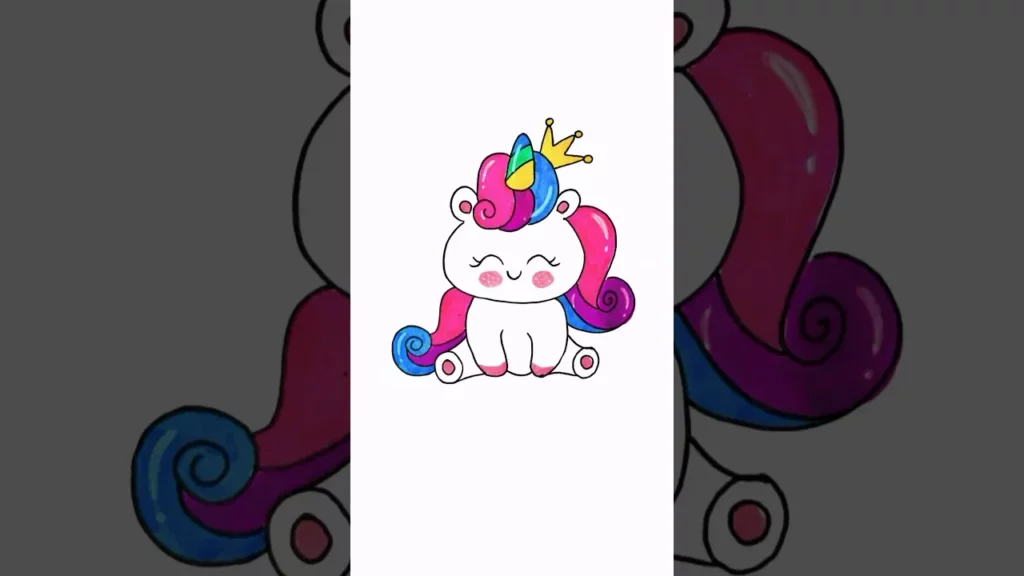
In this lesson, you will learn how to draw a unicorn step by step, starting with gathering materials and progressing through the basic shapes of the head, body, and features like the horn, mane, and tail. The guide emphasizes creativity by encouraging the addition of personal details and colors, ultimately allowing you to create a unique and magical unicorn drawing. Enjoy the process and remember that practice will enhance your skills!
Systemic Circulation of Blood | Circulatory system of Human Beings
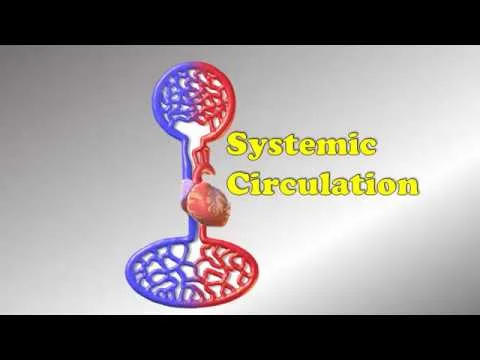
The lesson on systemic circulation explains how blood circulates throughout the body, delivering oxygen and nutrients while removing waste products like carbon dioxide. It details the journey of oxygen-rich blood from the left side of the heart through the aorta to the capillaries, where gas exchange occurs at the cellular level, before returning deoxygenated blood to the heart via veins. This process is vital for maintaining the body’s overall health and functionality.
Adaptations in Polar Bear | Adaptations in Animals of Snowy Regions

The lesson on polar bear adaptations highlights how these magnificent creatures thrive in the frigid Arctic environment. Key features such as their two layers of fur, thick blubber, large paws, and strong claws work together to keep them warm, aid in movement on ice, and assist in hunting seals, showcasing their remarkable ability to survive in extreme conditions.
Make simple shapes, then draw robots
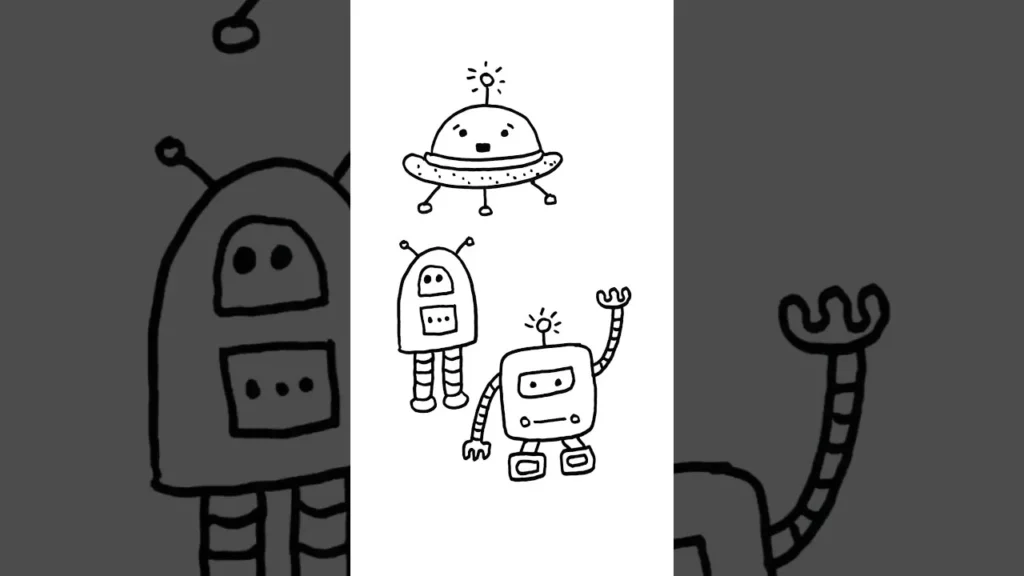
In this lesson, young artists learn to create robots using basic shapes such as circles, squares, triangles, and rectangles. They start by assembling the robot’s body and features with these shapes, then personalize their creations with unique details and colors. The lesson encourages creativity and imagination, emphasizing the joy of drawing and the importance of sharing their artwork with others.
Layers of Atmosphere | Science for Kids
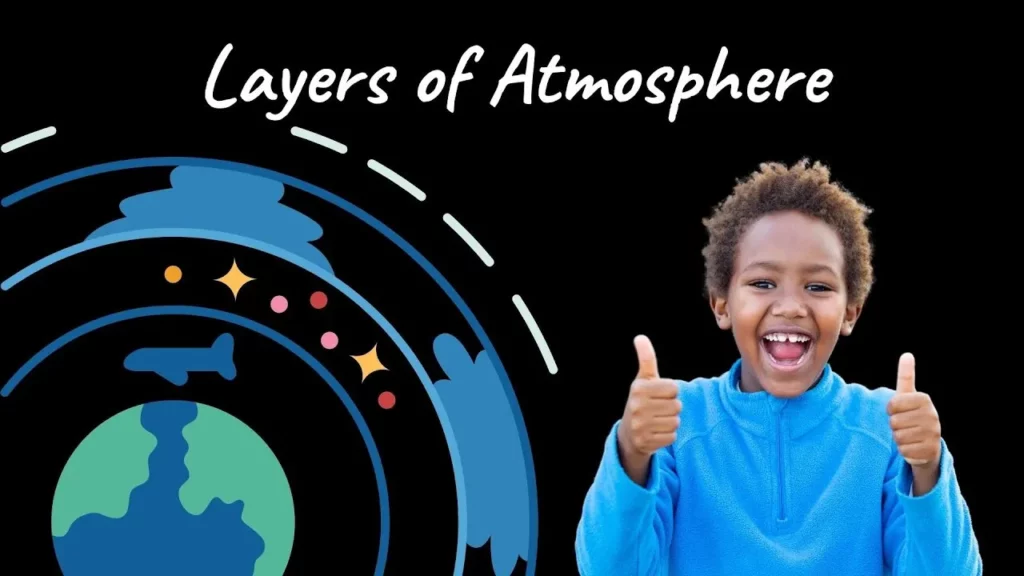
The lesson introduces the different layers of the atmosphere, highlighting their unique characteristics and functions. It explains that the troposphere is where weather occurs and where we live, the stratosphere contains the protective ozone layer, the mesosphere burns up meteors, the thermosphere features high temperatures and auroras, and the exosphere is where satellites orbit. Overall, each layer plays a crucial role in protecting the Earth and supporting life.