
Levels of Organisation in Multicellular Organisms
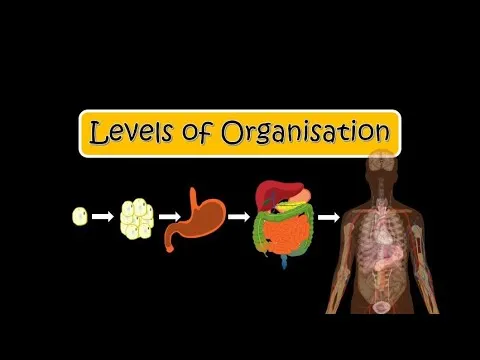
The lesson explores the levels of organization in multicellular organisms, highlighting that all living beings are composed of cells, with unicellular organisms consisting of a single cell and multicellular organisms made up of many. It outlines five key levels of organization: cells, tissues, organs, organ systems, and organisms, explaining how each level builds upon the previous one to perform essential life functions. Understanding these levels enhances our appreciation for the complexity and interconnectivity of life.
National Education Policy | School Level Changes | Major Highlights
The National Education Policy (NEP) 2020 introduces significant reforms aimed at enhancing the educational experience by focusing on 21st-century skills such as critical thinking, creativity, and application-based learning. It promotes innovative teaching methods, including gamification, cross-curricular learning, and the integration of arts and sports, while ensuring inclusivity and holistic development for all students. Additionally, NEP 2020 emphasizes the use of digital resources and adaptive assessments to create a personalized and engaging learning environment.
Genetic or Hereditary?
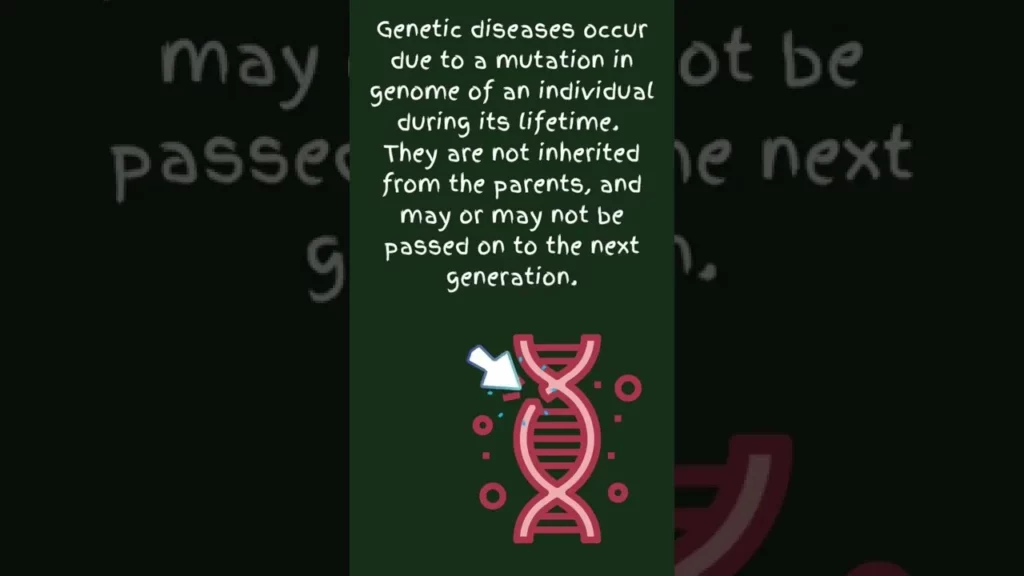
The lesson explains the distinction between “genetic” and “hereditary” diseases, clarifying that genetic diseases arise from mutations in DNA that can occur at any time and are not necessarily passed down from parents. In contrast, hereditary disorders are specifically those genetic conditions that are inherited from one generation to the next. Understanding these differences enhances our comprehension of how diseases can affect individuals and families.
What is a bacteriophage?
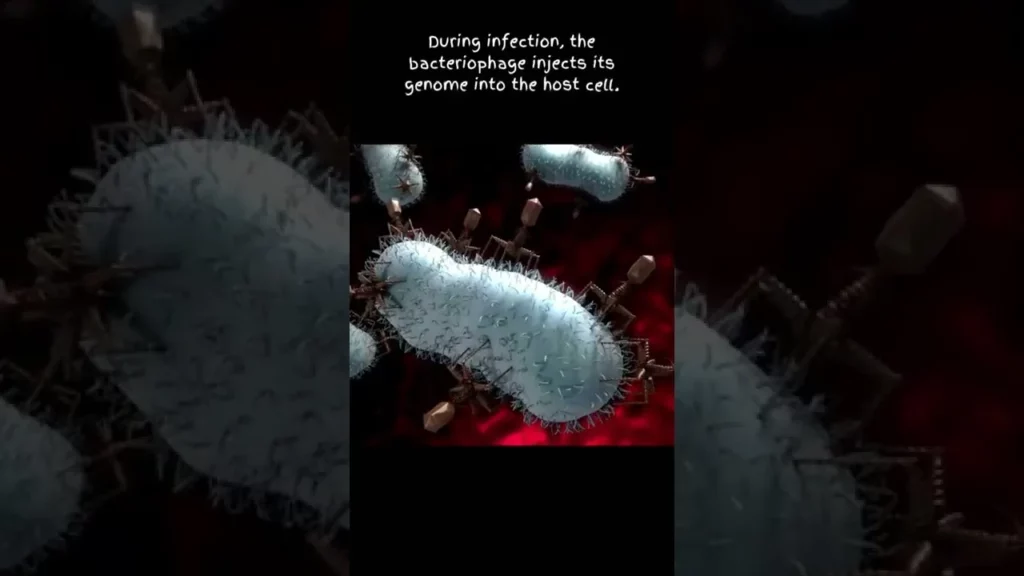
Bacteriophages, or phages, are specialized viruses that infect and take over bacterial cells by injecting their genetic material and hijacking the bacterium’s machinery to produce more phages. Comprised of a genome and a protective protein shell, these tiny invaders play a significant role in regulating bacterial populations and are being explored as potential alternatives to antibiotics in treating resistant bacterial infections. Their unique properties make them a valuable asset in both scientific research and medical applications.
How to draw a star
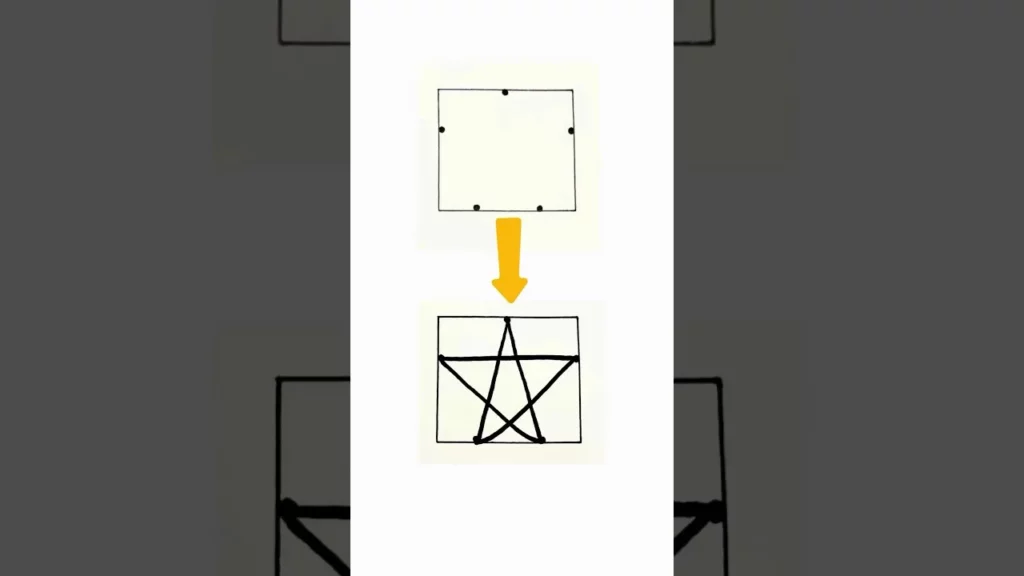
In this lesson, young artists learn how to draw a star by first connecting five imaginary dots in a circular pattern. After mastering the technique with the dots, they are encouraged to draw a star from memory and then personalize their creation with colors and decorations. The lesson emphasizes practice and creativity, inspiring children to continue developing their drawing skills.
Let’s Learn About Insects | Insects Names for Kids | Videos for Kids
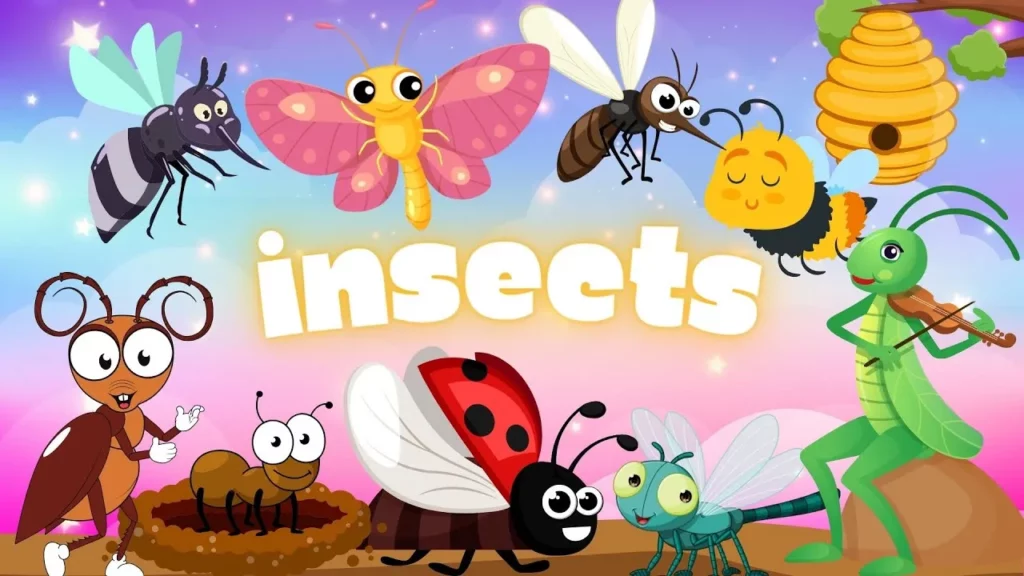
In today’s lesson, we explored a variety of fascinating insects, each with unique characteristics, such as the colorful butterfly, the fast-flying dragonfly, and the chirping grasshopper. We practiced saying their names together and learned fun facts about each one, from the glowing firefly to the tough cockroach. This engaging introduction encourages curiosity and appreciation for the diverse world of insects.
Quiz on Parts of a Flower | Science for Kids
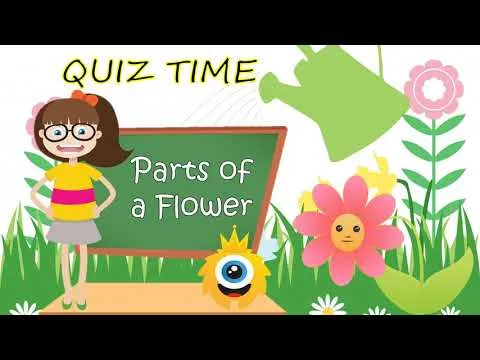
In this lesson, kids participated in a fun quiz to learn about the various parts of a flower and their functions in plant reproduction. Key concepts covered included identifying the reproductive parts of a plant, understanding the roles of seeds, sepals, petals, stamens, and pistils, and recognizing the differences between these components. The lesson emphasized the importance of flowers in the growth and reproduction of plants, encouraging further exploration of the plant kingdom.
Difference between weather and climate
The lesson on “Understanding Weather and Climate” explains the distinction between weather and climate, highlighting that weather refers to the short-term atmospheric conditions we experience daily, such as temperature and precipitation, while climate represents the long-term patterns of weather in a specific area over decades. By understanding these concepts, we can make informed decisions about daily activities and seasonal planning, recognizing that weather is a snapshot of the atmosphere, whereas climate provides a broader context for those changes.
How to draw a chick
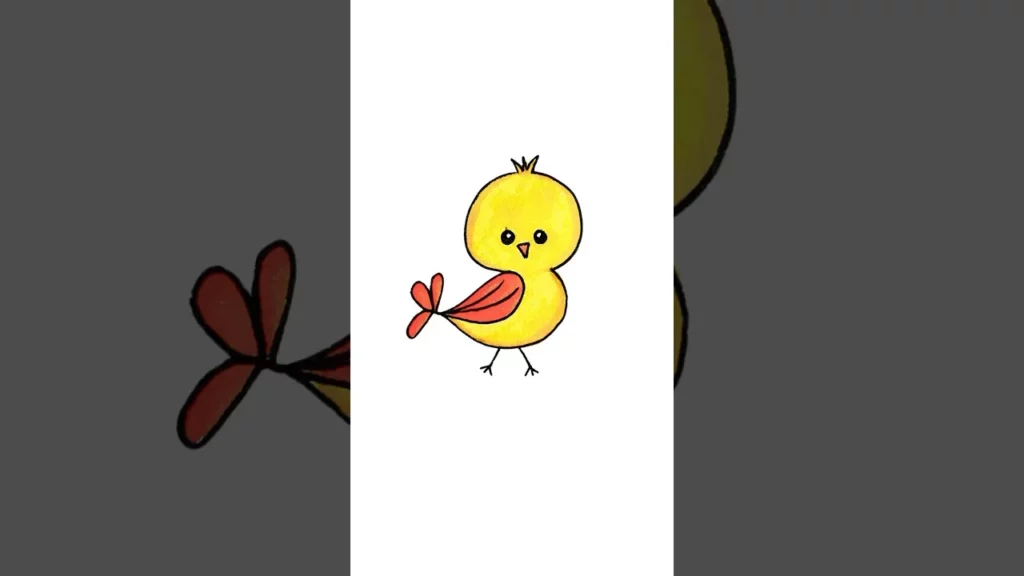
In this lesson, you will learn how to draw a cute chick through a step-by-step guide that includes gathering materials, sketching the body, head, beak, eyes, wings, and legs, as well as adding details and color. The lesson also provides interesting facts about chicks, enhancing your understanding of these adorable creatures while you create your artwork. Enjoy the process of bringing your chick to life on paper!
Adaptations in Camels | How Camels Survive in Deserts
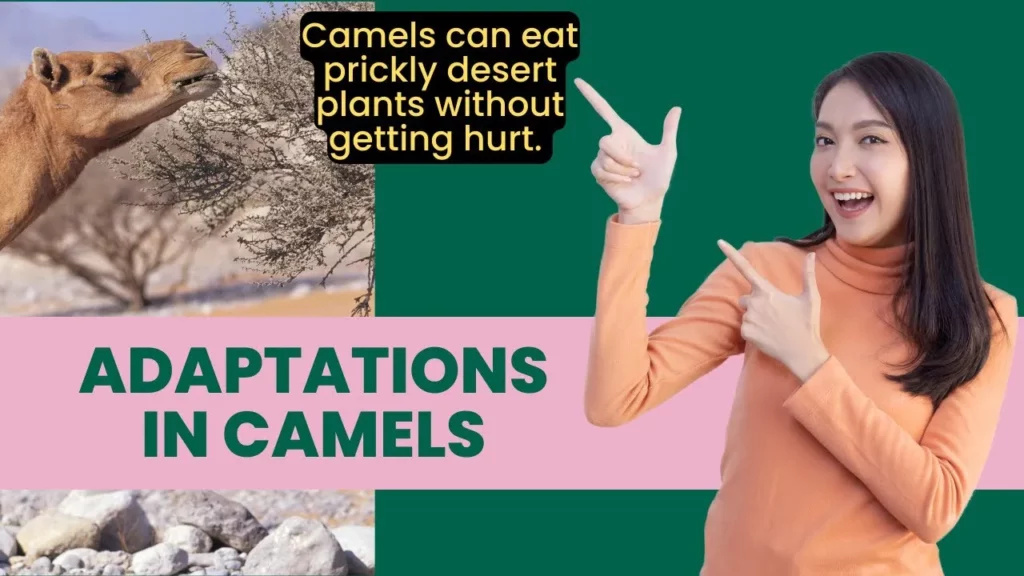
This lesson explores the remarkable adaptations of camels that enable them to thrive in harsh desert environments. It highlights their herbivorous diet, unique physical features like long eyelashes and wide feet, and their ability to conserve water and energy through fat storage in their humps. Overall, camels are perfectly equipped to survive in extreme conditions, showcasing their incredible resilience.