
Draw a group of ladybugs
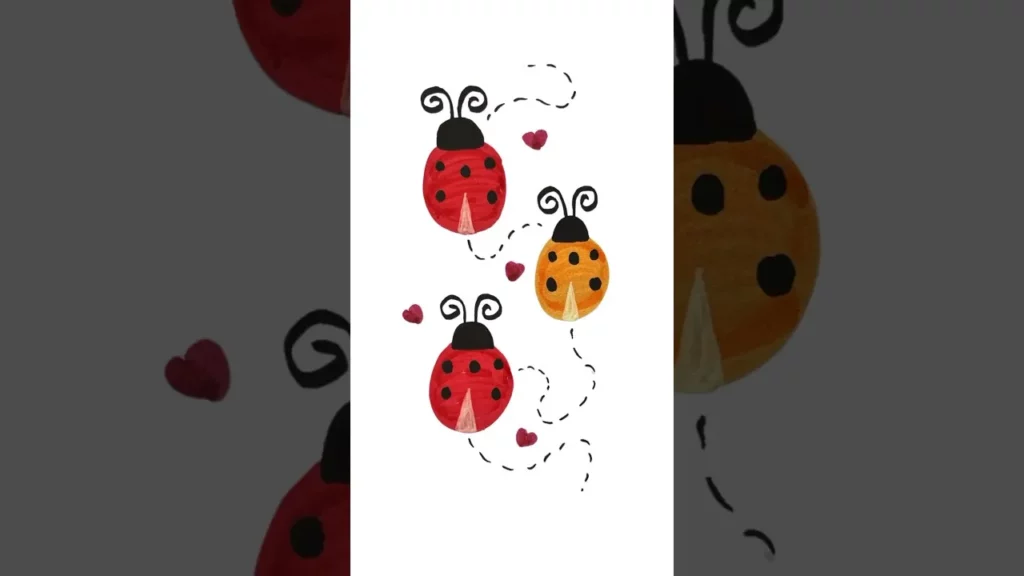
In this lesson, young artists learn how to draw a group of cute ladybugs by following simple steps, starting with the ladybug’s body and head, adding spots, and then coloring them in. The lesson encourages creativity by allowing children to use different colors and draw multiple ladybugs in various arrangements. Ultimately, it emphasizes the joy of drawing and the uniqueness of each creation.
How to Draw POWERPUFF GIRLS | Easy Stepwise Drawing for Kids
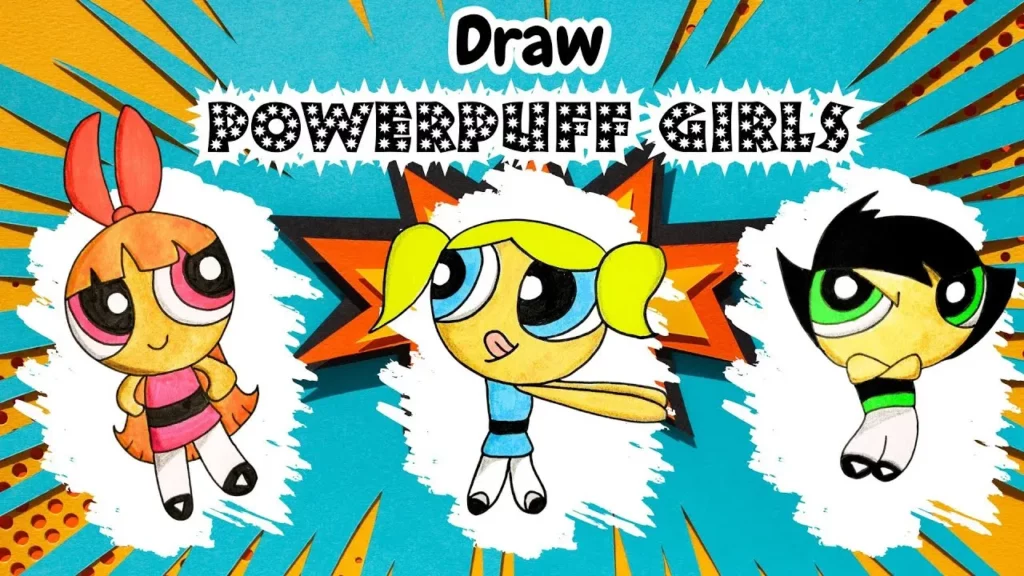
In this lesson, students learn how to draw the Powerpuff Girls step by step, starting with their heads and progressing through features like eyes, mouths, hair, and bodies. The lesson emphasizes creativity and fun, encouraging students to use colors that match each character’s unique style. By the end, students are motivated to share their artwork and continue practicing their drawing skills.
Quiz time | Human Body Organs | Science for Kids | Easy Learning
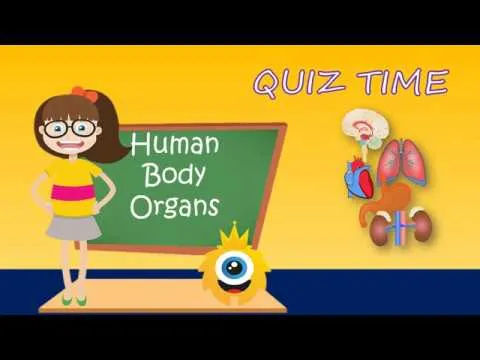
In this lesson, students embark on an engaging exploration of the human body’s organs, learning about their specific functions and locations. Key organs such as the heart, lungs, brain, kidneys, and stomach are highlighted, emphasizing their roles in maintaining health and supporting bodily functions. The lesson concludes with a quiz to reinforce the knowledge gained about these vital organs.
Happy Diwali ????

The lesson on Diwali, the Festival of Lights, highlights its significance as a celebration of the triumph of light over darkness and good over evil. Spanning five days, each with unique rituals, Diwali includes traditions such as Dhanteras, Lakshmi Puja, and Bhai Dooj, fostering community and togetherness. The festival’s global influence is evident as it is celebrated by Indian communities worldwide, promoting joy, reflection, and kindness.
Let& Learn Solid Shapes | Faces, Edges and Vertices | Video for Kids
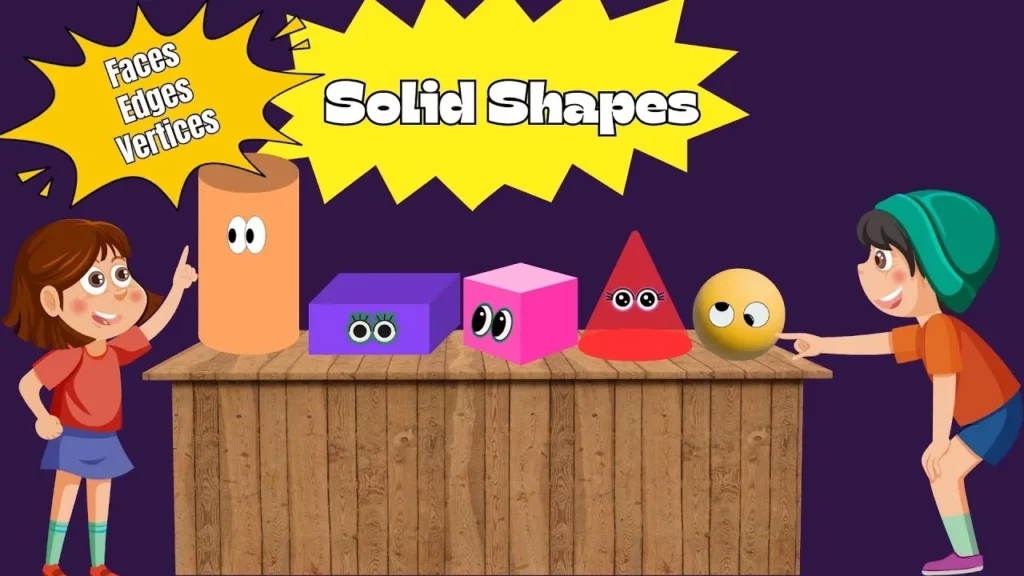
In this lesson, we explored solid shapes, which are three-dimensional objects that occupy space and have distinct parts: faces, edges, and vertices. We learned about various solid shapes, including cubes, cuboids, cylinders, cones, and spheres, each with unique characteristics. Understanding these shapes enhances our awareness of the world around us, as they can be found in everyday objects like toys and furniture.
Cat and flowers
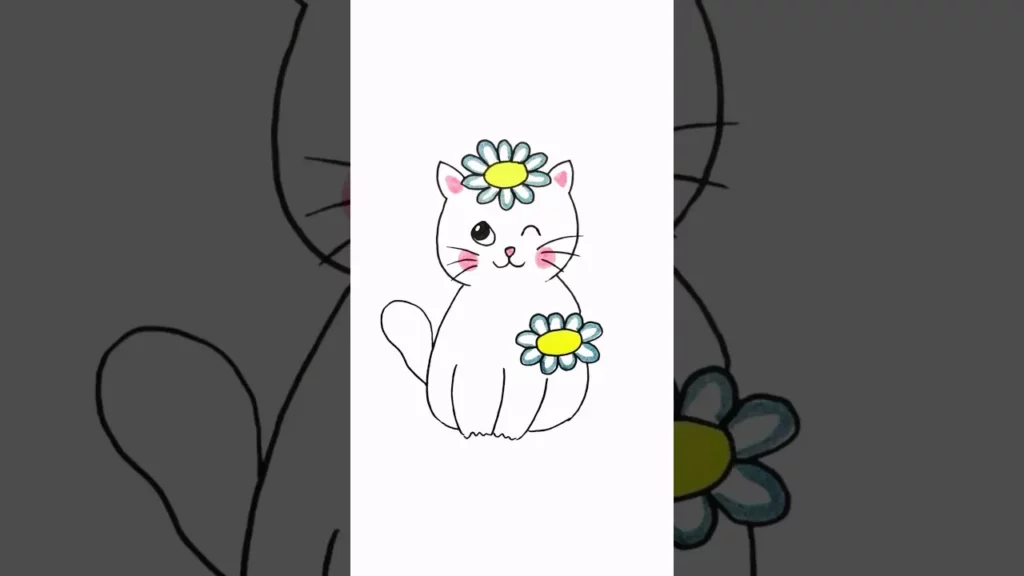
In the lesson “Cat and Flowers,” we follow Whiskers, a playful cat who enjoys exploring a vibrant garden filled with colorful flowers and butterflies. Through Whiskers’ adventures, children learn about colors and counting, engaging in fun activities like identifying colors and counting flowers and butterflies. The story emphasizes the joy of learning through play and imagination.
How to draw a shark
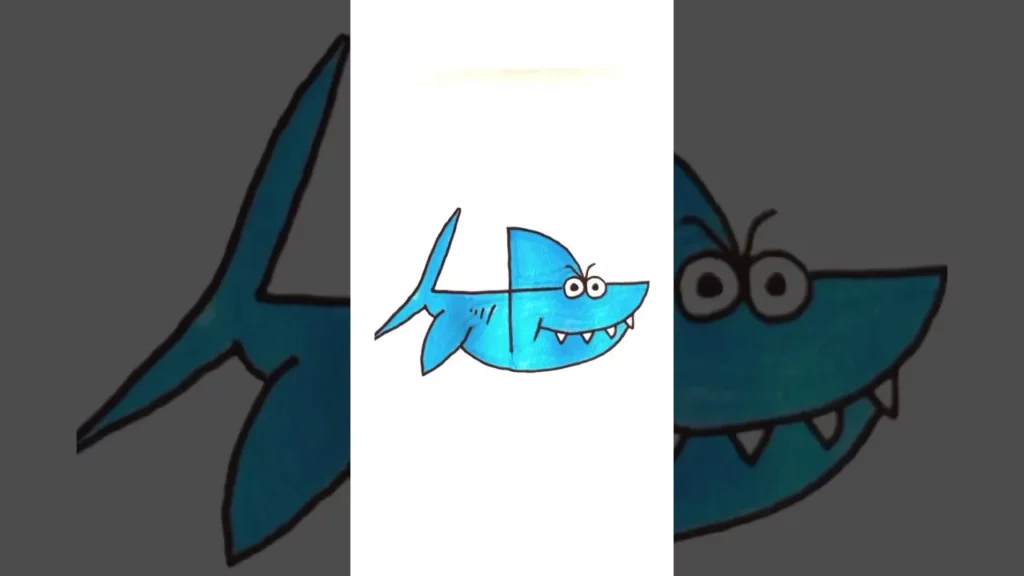
In this lesson, you will learn how to draw a shark step by step, starting with its body and adding details like the fin, tail, and face. You’ll also have the opportunity to color your shark in any colors you choose, encouraging creativity. By the end, you’ll have a fun drawing of a shark and some interesting facts about these fascinating ocean creatures!
Little Sheep Drawing Tutorial
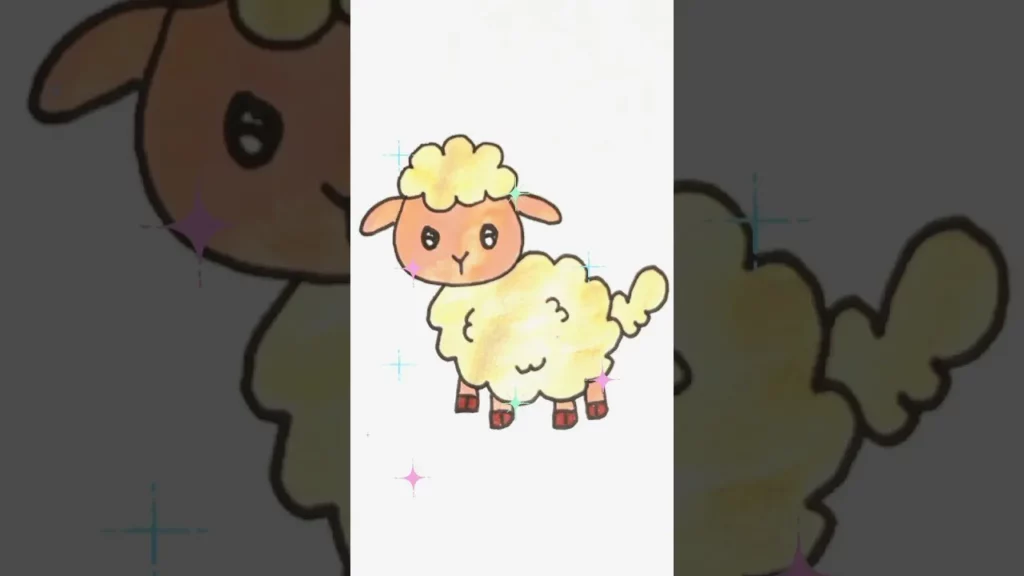
In this lesson, young artists learn to draw a cute sheep by following simple steps that guide them through creating the sheep’s fluffy body, head, ears, face, and legs. The tutorial encourages creativity by allowing children to color their sheep and even add accessories like a scarf. Additionally, a fun fact about sheep is shared to enhance the learning experience.
The Digestive System | Science for kids | Organs of Digestive System
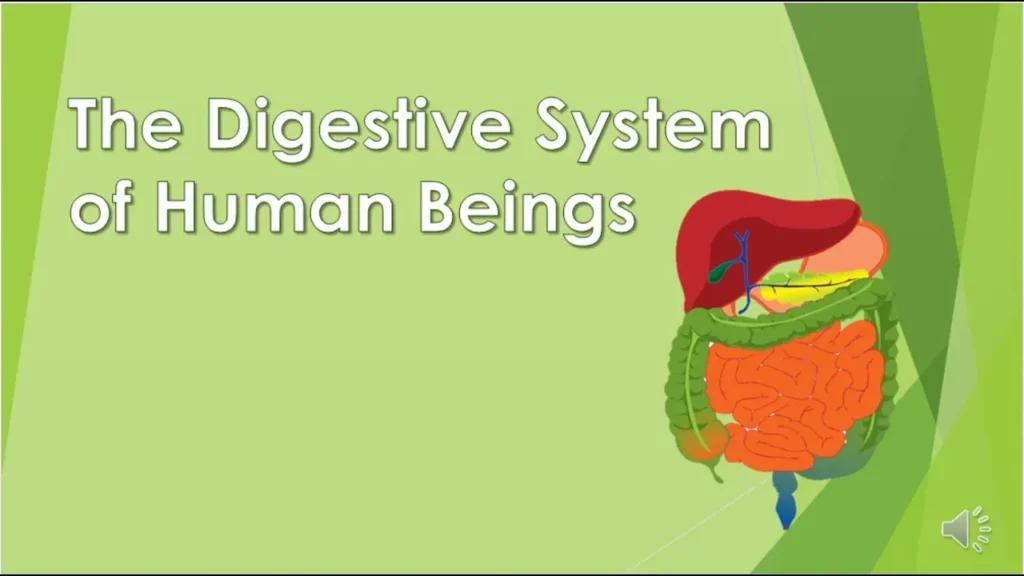
In this lesson, we explored the fascinating journey of food through the digestive system, which involves a series of organs working together to break down food into essential nutrients and energy. Starting from the mouth, food travels down the esophagus to the stomach, where it is mixed and broken down further, before moving into the small intestine for nutrient absorption and finally passing through the large intestine to be excreted as waste. Fun facts highlighted the impressive capabilities of the digestive system, making it clear just how remarkable this process is!
Structure of a Cell | Science for Kids
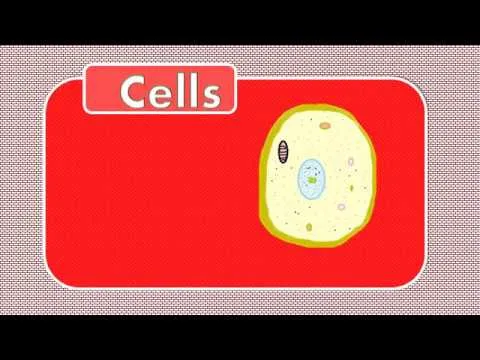
The lesson introduces the concept of cells as the fundamental building blocks of all living organisms, comparing them to bricks in a house. It explains the discovery of cells by Robert Hooke in 1665 and describes how cells work together to form tissues, organs, and systems within the body. Additionally, the lesson outlines the three main parts of a cell—cell membrane, cytoplasm, and nucleus—highlighting the roles of various organelles in maintaining cellular functions.