
3rd March, World Wildlife Day
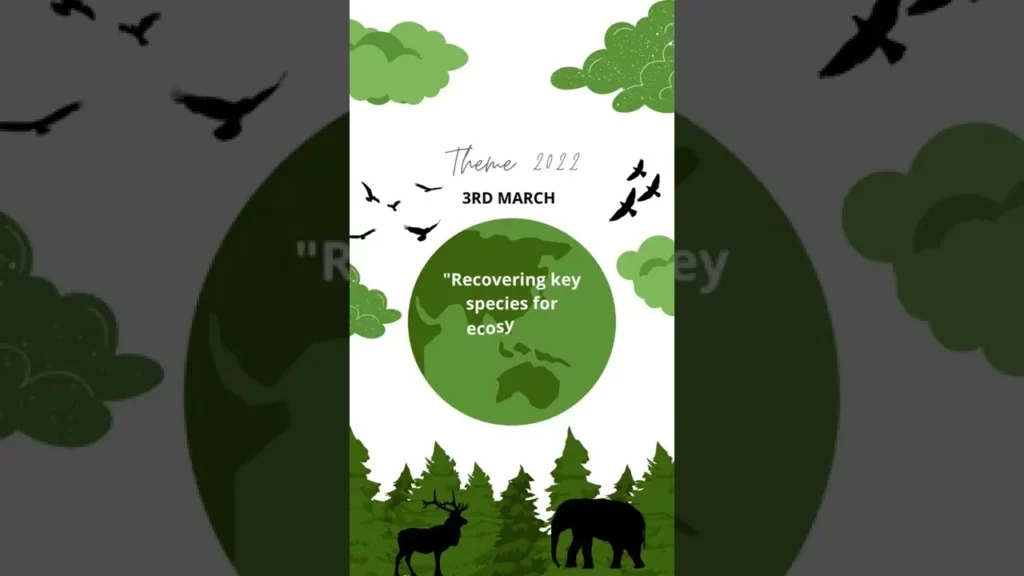
World Wildlife Day, celebrated on March 3rd, is a special occasion dedicated to recognizing and protecting the diverse animals and plants that inhabit our planet. It emphasizes the importance of wildlife in maintaining a healthy and beautiful environment and encourages individuals to take action by being kind to nature, recycling, and sharing knowledge about wildlife. By participating in this celebration, we can contribute to the well-being of our planet and its many species.
How to draw Buttercup
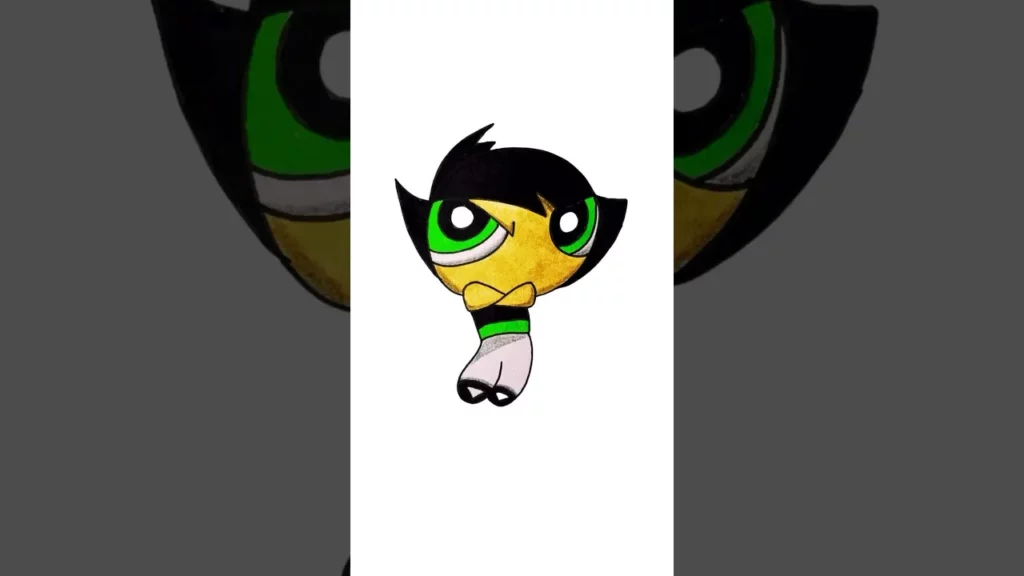
This lesson provides a step-by-step guide on how to draw Buttercup, the fierce Powerpuff Girl. It covers essential supplies, the process of sketching her head, eyes, mouth, hair, body, and details, and concludes with tips on coloring and practicing to improve drawing skills. The emphasis is on creativity and enjoyment throughout the drawing process.
Easy drawing for kids
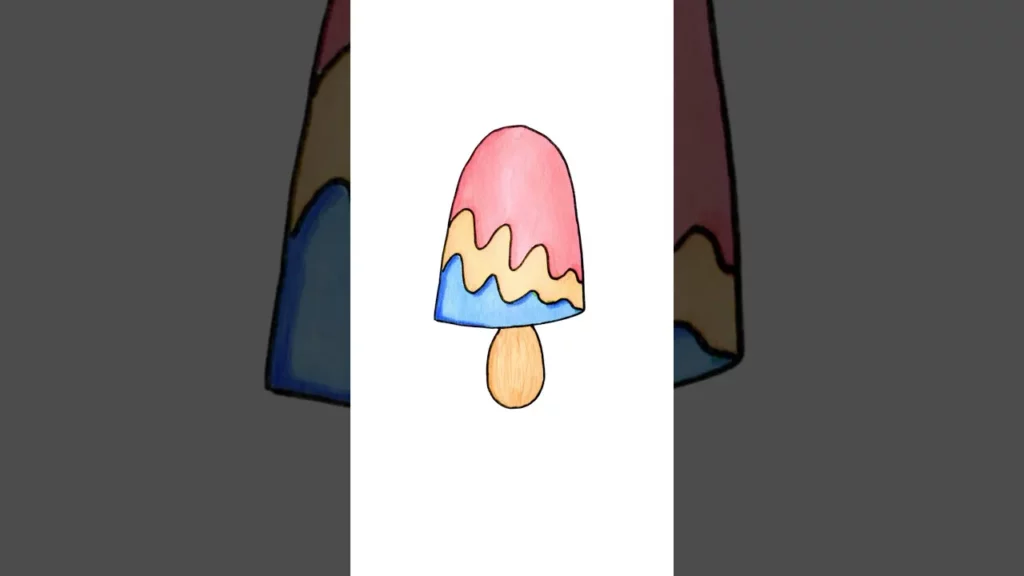
In this lesson, kids are encouraged to explore their creativity through simple drawing activities, including a happy sun, a cute cat, and a lovely flower. Each drawing is broken down into easy steps, promoting fun and imaginative expression. The lesson emphasizes the joy of creating art and sharing it with others, inspiring young artists to keep practicing and enjoy their artistic journey.
How to draw a caterpillar on a leaf
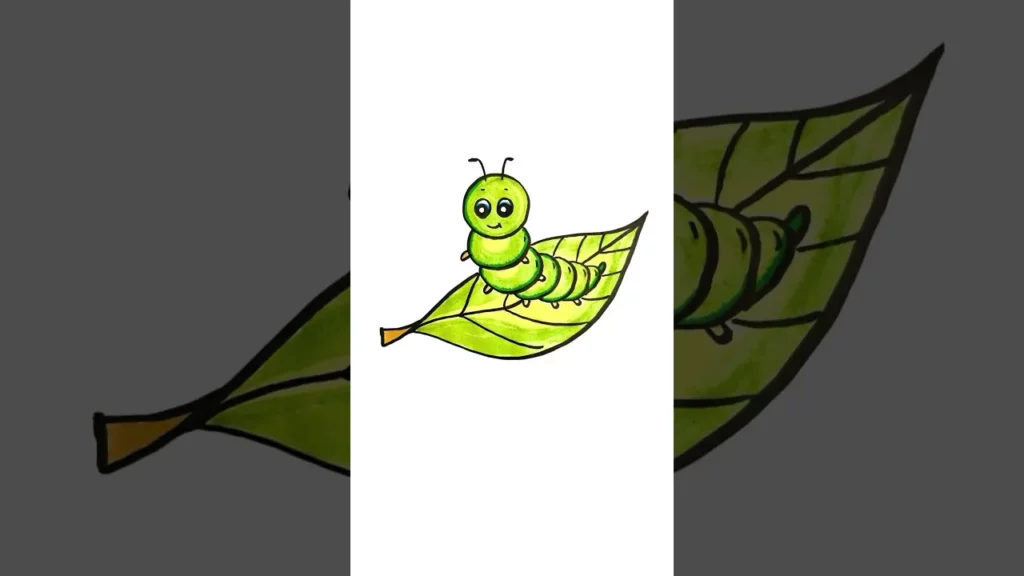
This lesson guides you through the process of drawing a caterpillar on a leaf, combining artistic expression with educational insights about caterpillars and their role in nature. By following the step-by-step instructions, you’ll learn to sketch the leaf and caterpillar, add details, refine your drawing, and bring it to life with color. This activity not only enhances your drawing skills but also encourages exploration of the caterpillar’s life cycle and ecological significance.
Easy dinosaur drawing tutorial for kids
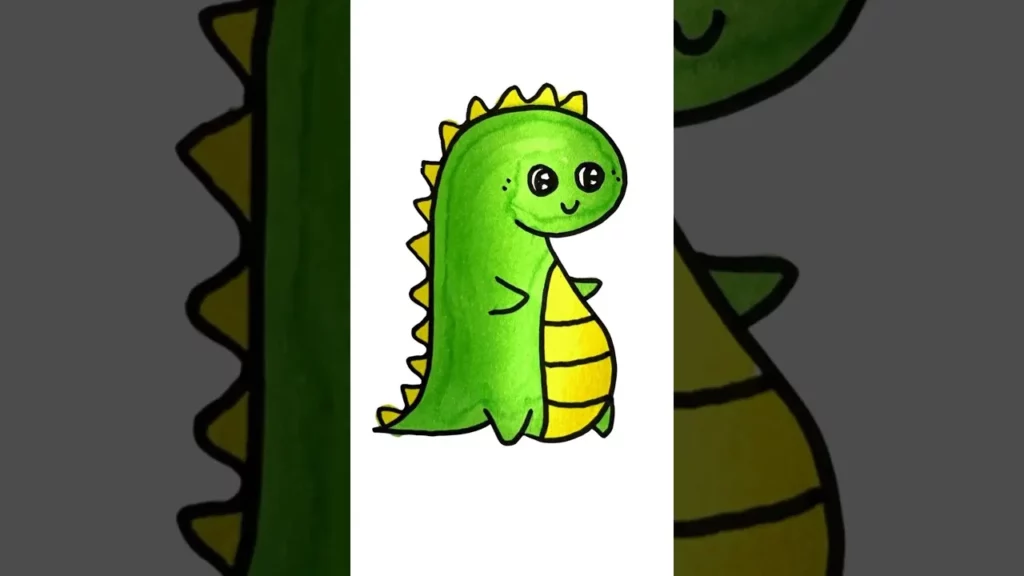
In this lesson, kids learn how to draw a friendly dinosaur step-by-step, starting with the head and body, followed by legs, a tail, arms, and a cheerful face. The tutorial encourages creativity by allowing children to color their dinosaur in any way they like, while also sharing fun facts about dinosaurs to spark their interest. The main goal is to have fun and enjoy the process of drawing!
Portmanteau words | Meaning and examples

The lesson introduces portmanteau words, which are formed by blending parts of two or more words to create a new word that retains elements of both spelling and meaning. Examples include “smog” (smoke + fog), “brunch” (breakfast + lunch), and “frenemy” (friend + enemy), highlighting the creativity and versatility of language. The lesson encourages learners to explore and invent their own portmanteau words.
Let’s draw the cupcake
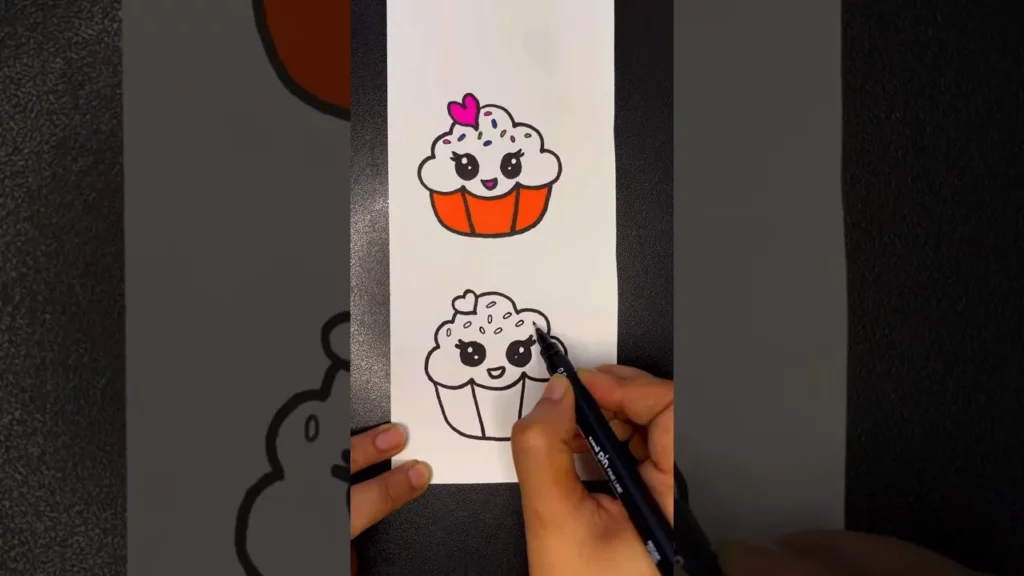
In this lesson, young artists learn to draw a delicious cupcake by following simple steps, starting with the wrapper and progressing to the cake and frosting. They are encouraged to decorate and color their creations using their favorite crayons or markers, allowing for personal expression and creativity. The lesson concludes with a fun fact about cupcakes, inspiring kids to continue practicing their drawing skills.
How to draw a rabbit eating a carrot
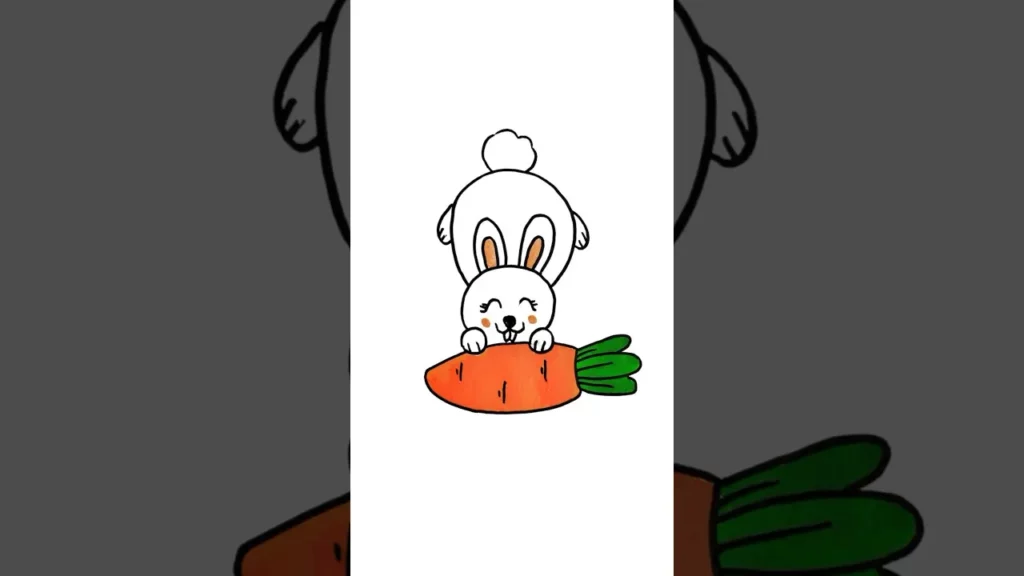
In this lesson, students learn how to draw a cute rabbit eating a carrot by following step-by-step instructions. The process includes drawing the rabbit’s head, ears, eyes, nose, mouth, body, legs, and the carrot, followed by coloring the completed drawing. By the end, students will have created an adorable artwork and are encouraged to share it with others while continuing to practice their drawing skills.
How to draw an umbrella
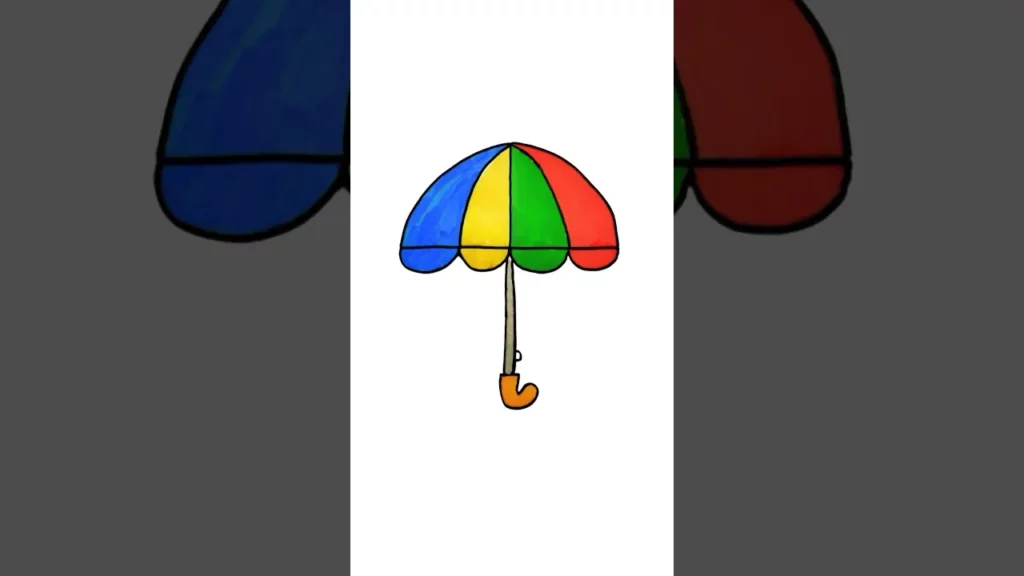
In this lesson, young artists learn how to draw an umbrella step by step, starting with a big curve for the top, adding a handle, and creating sections with triangular shapes. After completing the drawing, they are encouraged to use crayons or colored pencils to color their umbrellas in any design they like. The lesson emphasizes creativity and practice, allowing children to explore different styles and colors in their artwork.
Organs of the digestive system – Easy Lesson
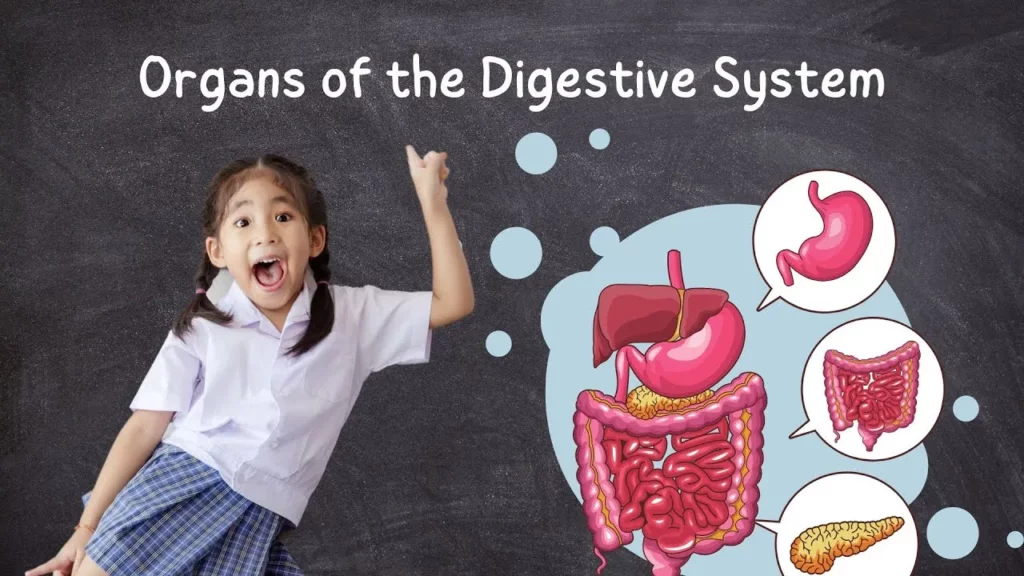
In this lesson, we explored the organs of the digestive system and their roles in breaking down food into usable nutrients. The journey begins in the mouth, where food is chewed and mixed with saliva, then travels down the esophagus to the stomach for further mixing. Finally, the small intestine absorbs nutrients, the large intestine extracts water, and waste is expelled through the rectum and anus, illustrating the intricate process of digestion.