
How to draw a tiger
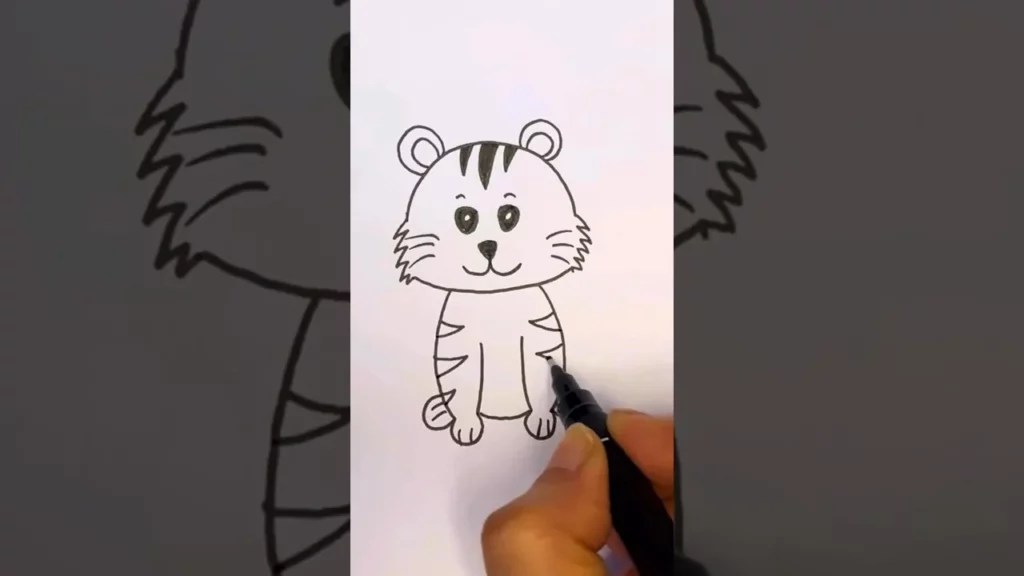
In this lesson, young artists learn how to draw a tiger step by step, starting with the head and progressing through the ears, eyes, nose, mouth, body, legs, and tail. The lesson emphasizes the importance of adding unique stripes and encourages creativity through coloring. By the end, students are reminded that practice enhances their artistic skills and that they can continue to explore drawing more animals.
Cute button mushroom
In today’s lesson, we learned about button mushrooms, small white mushrooms that grow in cool, dark places and are packed with vitamins that help keep us healthy. We discovered their popularity in cooking, fun facts about their growth, and even pretended to be mushrooms ourselves! Remember to explore and enjoy learning about food, as it can be both fun and nutritious!
Let& Draw a Helicopter | Easy Drawings for Kids
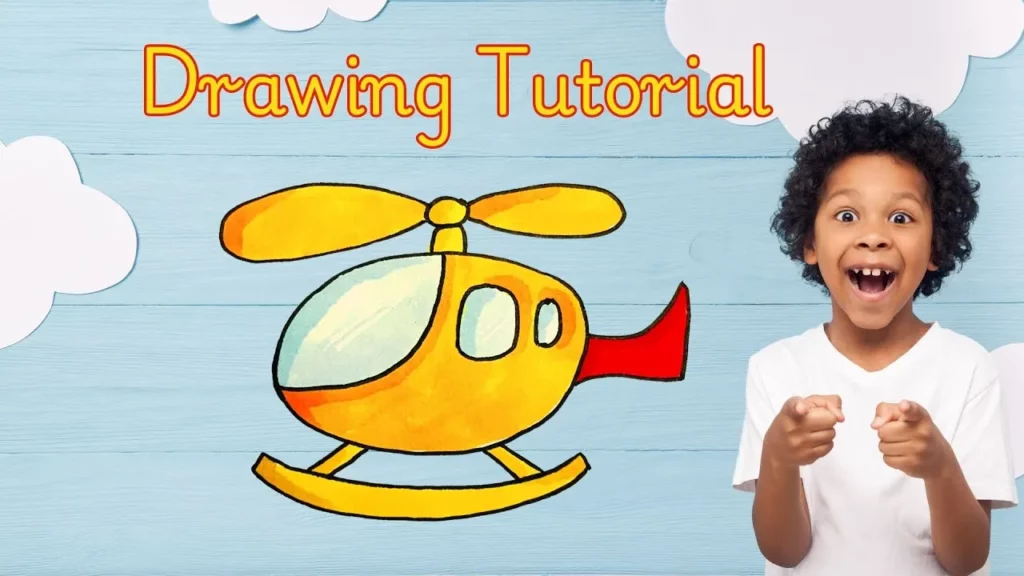
In this lesson, young artists learn how to draw a helicopter step-by-step, starting with the body and tail, followed by the blades, windows, and landing skids. The lesson emphasizes the fun of drawing and encourages creativity by allowing children to color their helicopters in any colors they choose. By the end, students are motivated to continue practicing their drawing skills and explore more artistic creations.
Starship to launch today

The lesson introduces SpaceX’s Starship, a revolutionary reusable rocket designed for space travel and point-to-point transportation on Earth. Standing at 394 feet tall, Starship can carry up to 100 people and transport cargo to destinations like Earth’s orbit, the Moon, and Mars. Its upcoming launch on April 17, 2023, marks a significant advancement in making space exploration more affordable and accessible, potentially paving the way for human life on other planets.
Easy vegetable drawing for kids
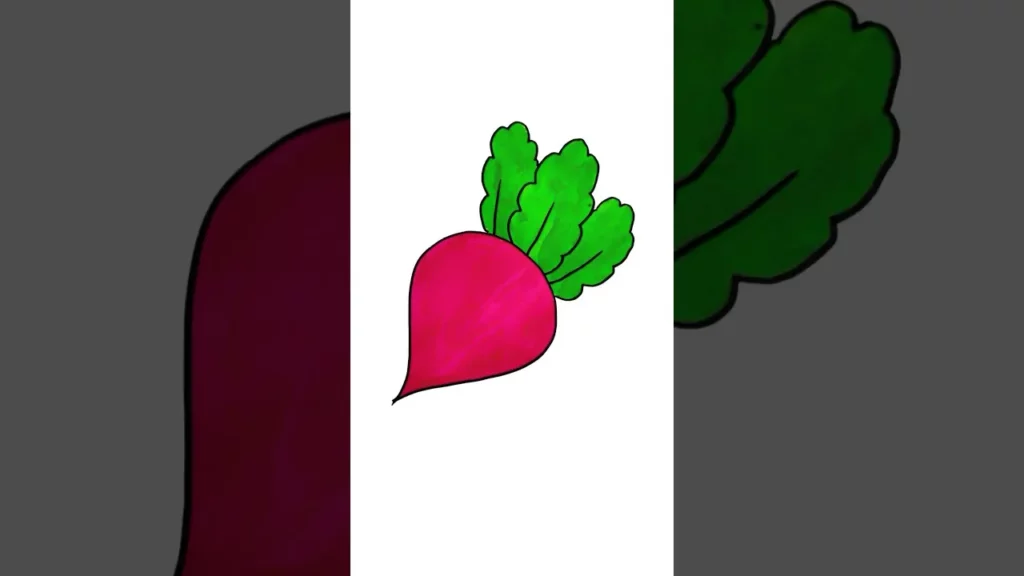
In this lesson, kids learn how to draw various vegetables, including carrots, tomatoes, broccoli, and pea pods, using simple shapes and colors. The lesson emphasizes creativity and encourages children to personalize their drawings by adding unique features or stories to their vegetable characters. Overall, it promotes both artistic expression and an appreciation for healthy foods.
Structure of a neuron
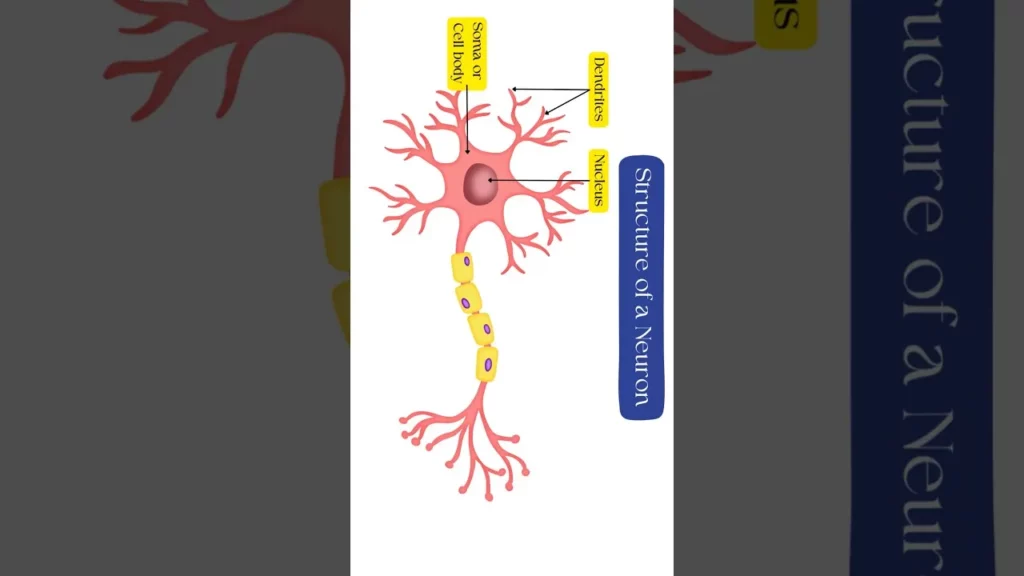
This lesson explores the structure and function of neurons, the fundamental units of the nervous system. It details the roles of various neuron components, including dendrites that receive signals, the soma that processes information, the axon that transmits signals, and the myelin sheath that enhances signal speed. By understanding these parts, we gain insight into how neurons facilitate communication within the body, enabling movement, thought, and sensation.
Honeybee drawing tutorial for kids
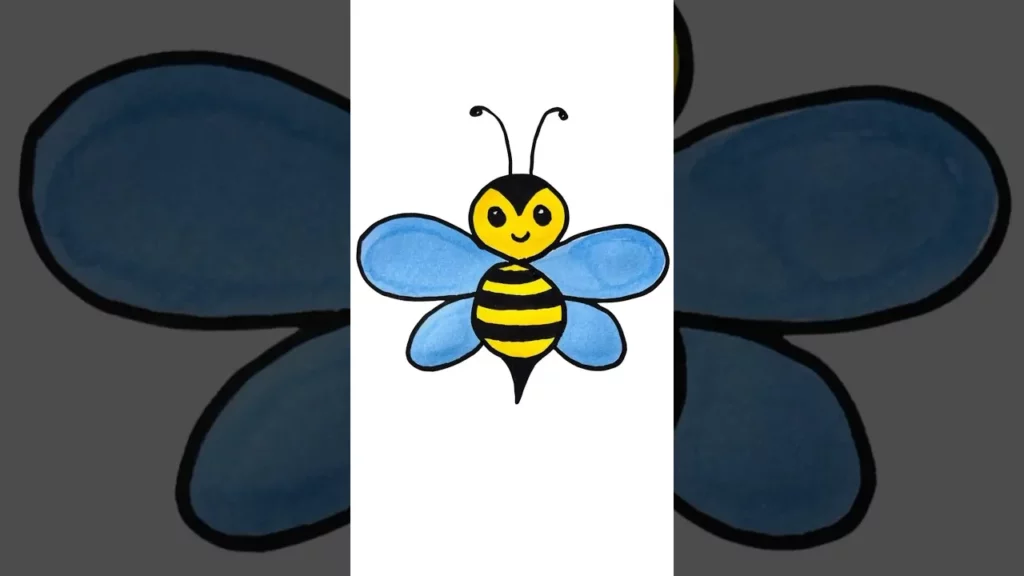
In this lesson, young artists learn how to draw a happy honeybee by following simple steps that encourage creativity and imagination. Starting with an oval body, they add stripes, a smiling face, wings, and antennae, before coloring their creation. The lesson concludes by inspiring students to continue practicing and expanding their drawings, fostering a love for art.
How to draw a house with garden
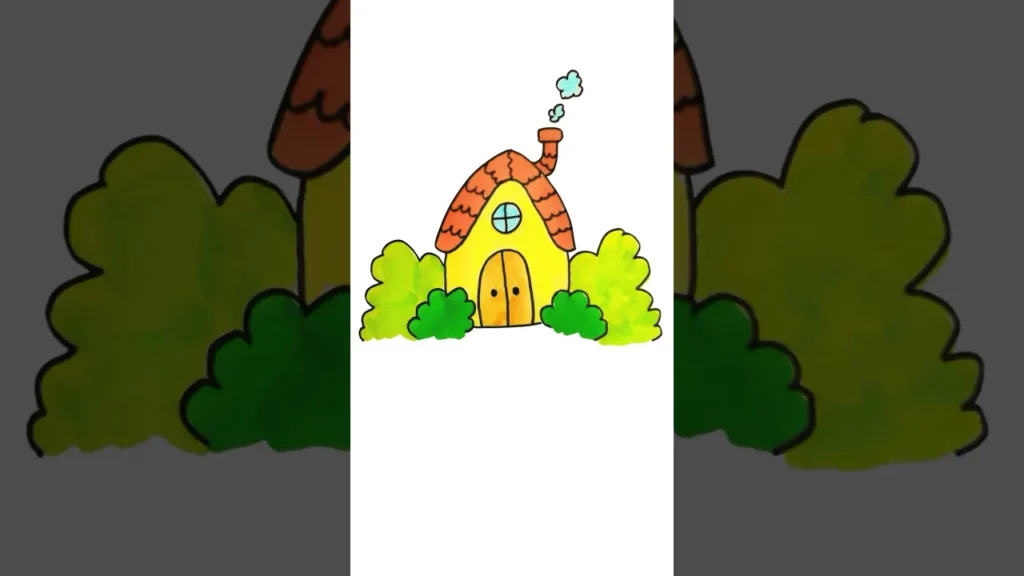
In this lesson, you will learn how to draw a charming house with a garden through a step-by-step process that emphasizes both architectural and landscaping elements. Starting with the basic outline of the house, you’ll progressively add details like windows, a garden pathway, trees, and additional features, culminating in shading and color to enhance your artwork. This exercise not only hones your drawing skills but also encourages creativity and personal expression.
Venus flytrap, an insectivorous plant! The plant that eats insects
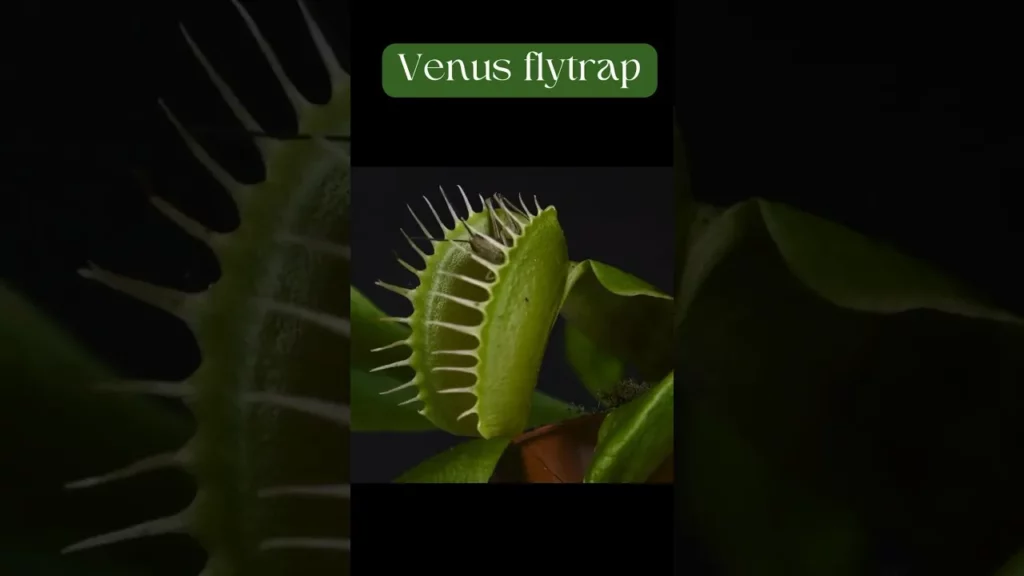
The Venus flytrap is a fascinating insectivorous plant that captures and digests insects to obtain essential nutrients, particularly in nutrient-poor soils. It features specialized lobes that snap shut when triggered by unsuspecting insects, allowing the plant to digest its prey and absorb vital nutrients for growth. Native to the United States, particularly North and South Carolina, the Venus flytrap exemplifies the remarkable adaptations of plants to their environments.
How to draw a chicken
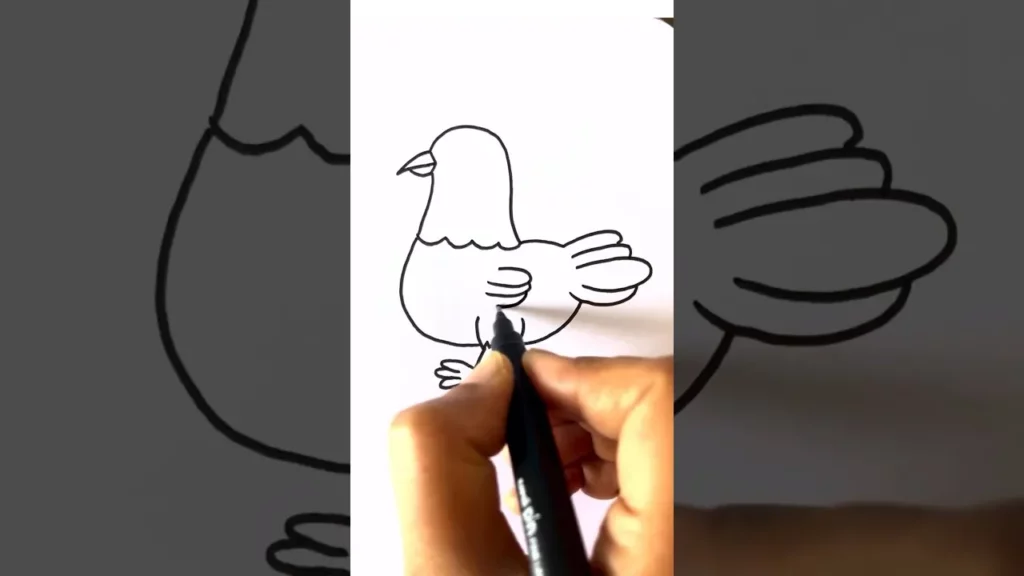
In this lesson, young artists learn how to draw a chicken step-by-step, starting with a big oval for the body and adding details like the head, beak, eyes, wings, legs, and tail. The lesson encourages creativity by allowing children to color their chicken in any way they like, reinforcing the idea that practice and imagination are key to developing their drawing skills. By the end, students will have a fun chicken drawing to showcase their artistic efforts.