
Cell division | Mitosis and Meiosis
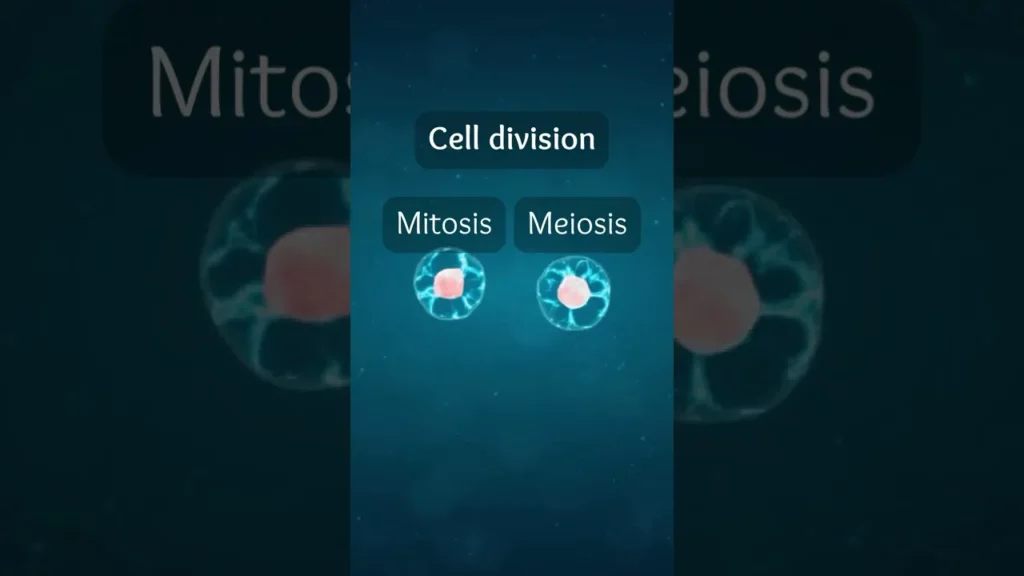
The lesson on cell division covers two primary processes: mitosis and meiosis. Mitosis produces two identical diploid daughter cells, facilitating growth and tissue repair, while meiosis generates four genetically unique haploid cells essential for sexual reproduction, promoting genetic diversity. Both processes are vital for life, influencing growth, healing, and the evolutionary adaptability of species.
Solar eclipse and Lunar eclipse
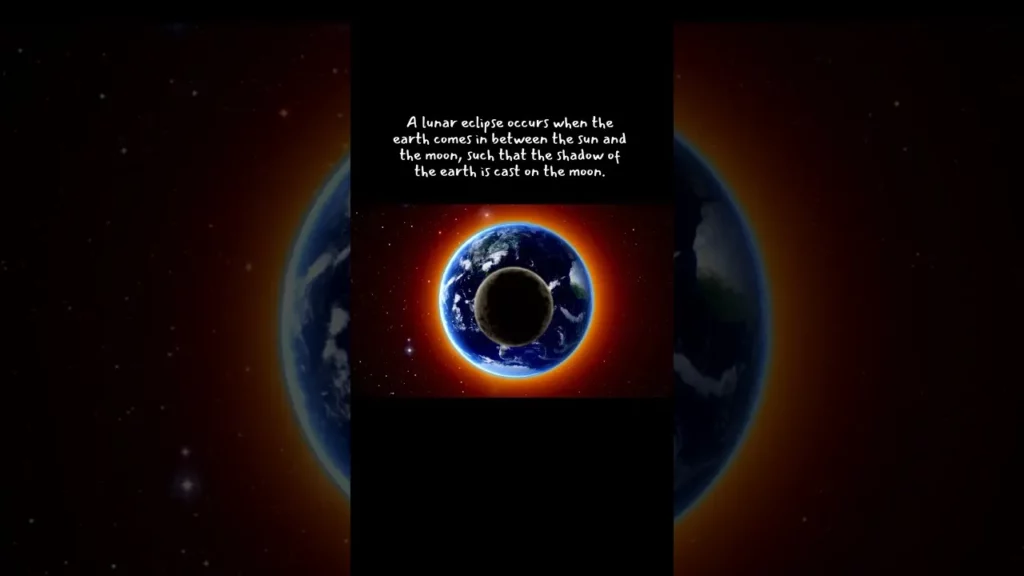
In this lesson, we explored the fascinating phenomena of solar and lunar eclipses. A solar eclipse occurs when the Moon passes between the Sun and Earth, casting a shadow on the Earth, while a lunar eclipse happens when the Earth blocks sunlight from reaching the Moon, causing it to appear reddish. We also learned about the importance of protective glasses during solar eclipses, the differences between total and partial eclipses, and how visibility varies based on location.
Draw fish with number 3
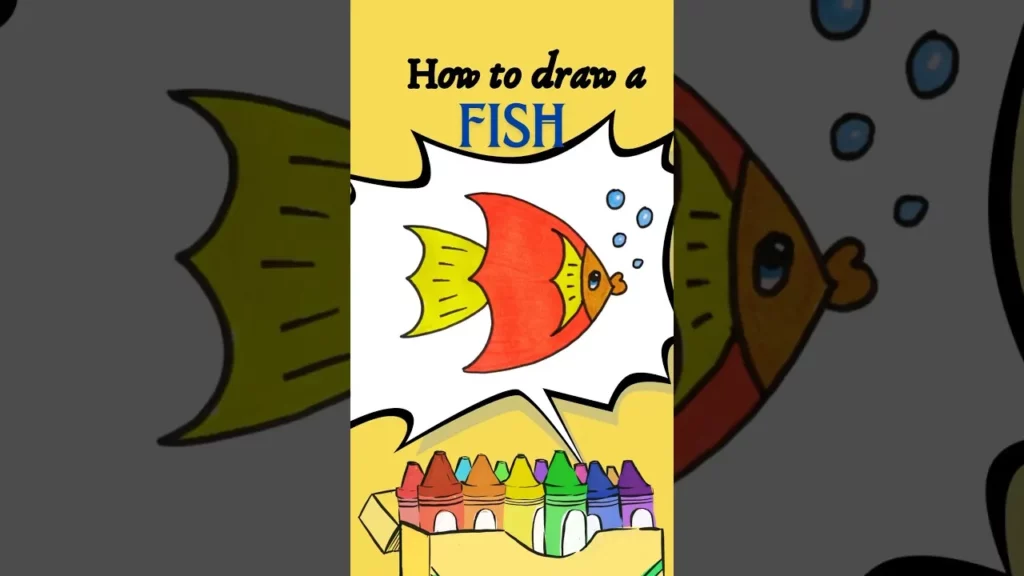
In this lesson, young artists learn to creatively transform the number 3 into a fish through a series of simple drawing steps. Starting with the number itself, they add features like the body, tail, fins, eye, and mouth, before coloring their creation. This fun activity encourages imagination and demonstrates how numbers can inspire artistic expression.
Excretion and parts of the excretory system
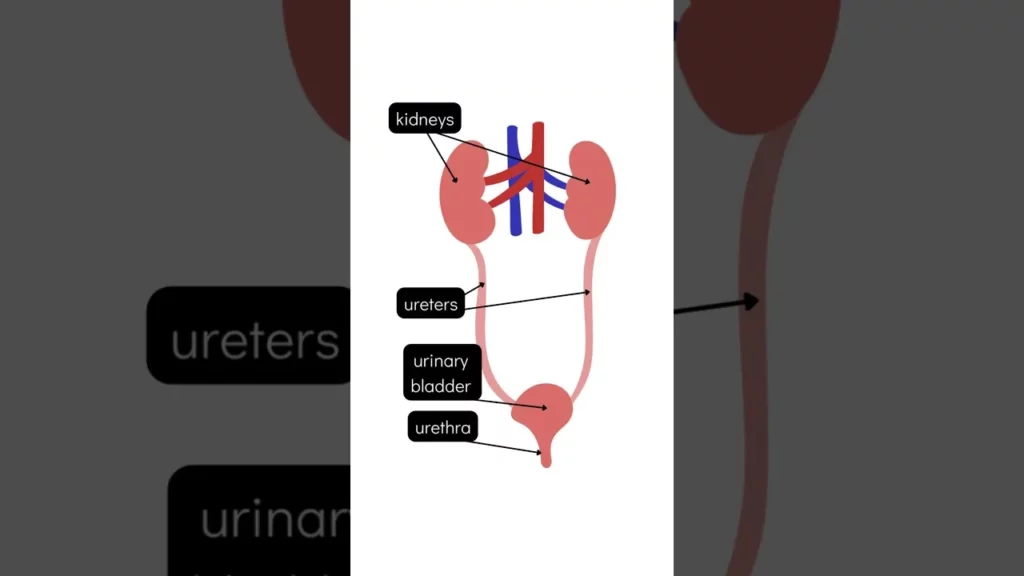
The lesson on excretion and the excretory system explains how the body eliminates waste to maintain health and balance. It highlights the key components of the excretory system, including the kidneys, ureters, urinary bladder, and urethra, each playing a vital role in filtering blood, transporting urine, and expelling waste. Understanding this process emphasizes the importance of excretion in keeping the body functioning properly.
Draw the raining cloud
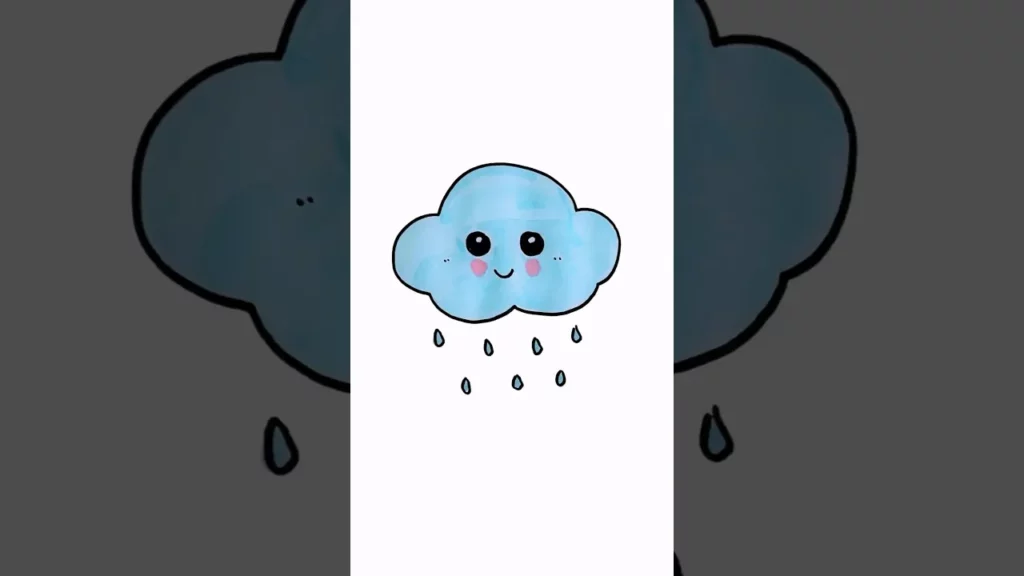
The lesson “Draw the Raining Cloud” introduces students to the fascinating subject of weather, specifically focusing on the formation of rain and its significance in the environment. It explains the water cycle, the process of cloud formation, and the importance of rain for ecosystems and agriculture, while also addressing the challenges posed by excessive rainfall. Through a creative drawing activity, students can visualize and appreciate the beauty and complexity of this natural phenomenon.
Endangered Animals!
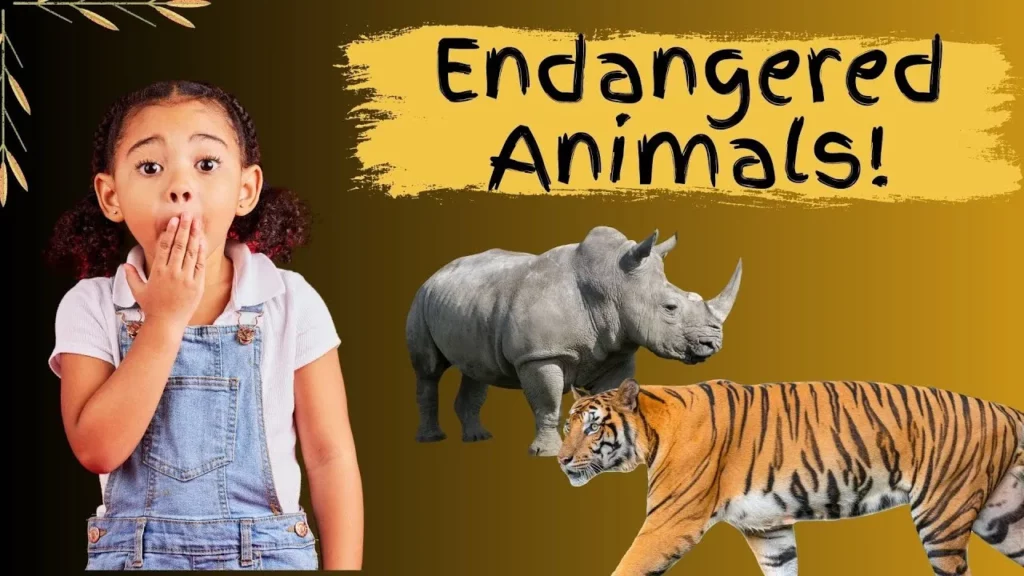
In this lesson, we explored the concept of endangered animals, which are species at risk of extinction due to factors such as habitat loss, hunting, and environmental changes. We discussed specific examples, including tigers, giant pandas, rhinoceroses, and blue whales, highlighting the reasons for their decline and the efforts being made to protect them. The lesson emphasized the importance of conservation actions, such as habitat protection and raising awareness, to ensure the survival of these remarkable creatures.
What are saturated fats?
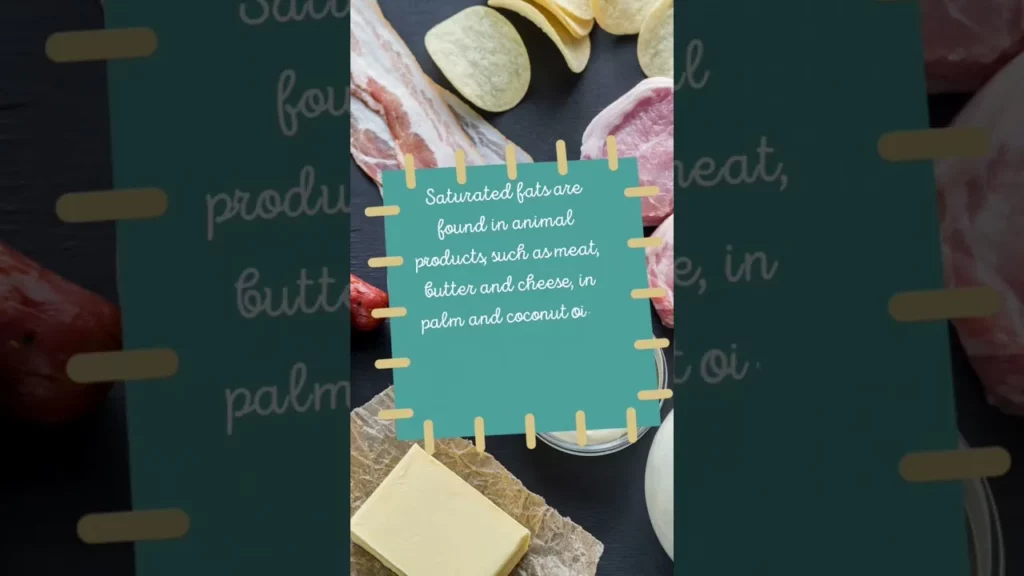
This lesson explains what saturated fats are, highlighting their chemical structure and common sources, such as animal products and certain plant oils. It emphasizes the health risks associated with excessive consumption of saturated fats, particularly their role in raising bad cholesterol levels and increasing the risk of heart disease. To promote better health, the lesson encourages making mindful dietary choices by incorporating healthier fats and reading food labels.
Feet and Claws of Birds Class 3
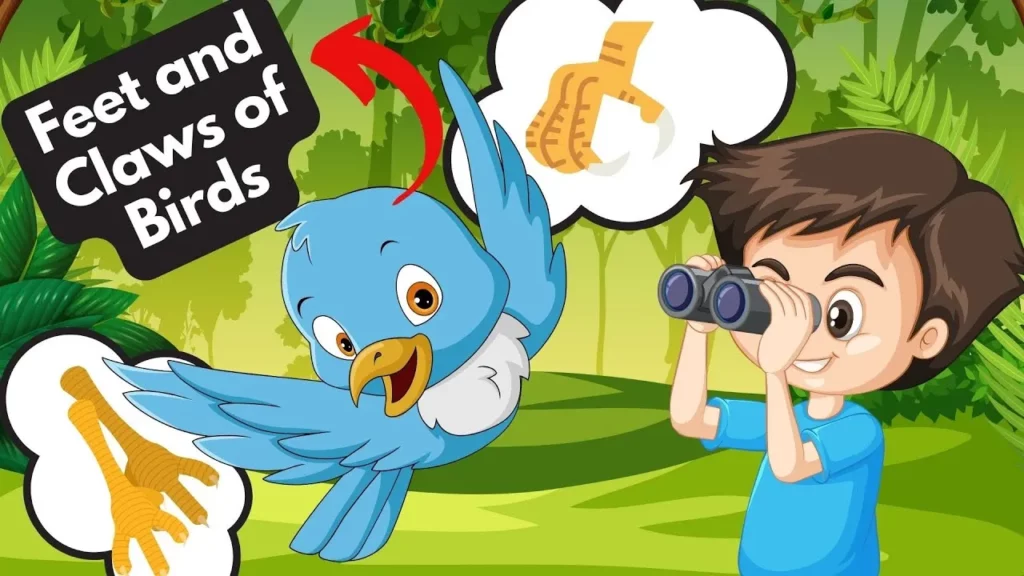
The lesson explores the diverse adaptations of birds’ feet and claws, highlighting how different species utilize their unique structures for various activities such as perching, scratching, wading, climbing, hunting, and swimming. For example, perching birds like sparrows have a toe arrangement that allows them to grip branches, while swimming birds like ducks possess webbed feet for efficient paddling. Understanding these adaptations helps us appreciate the remarkable ways birds interact with their environments.
Easy vegetable drawing for kids
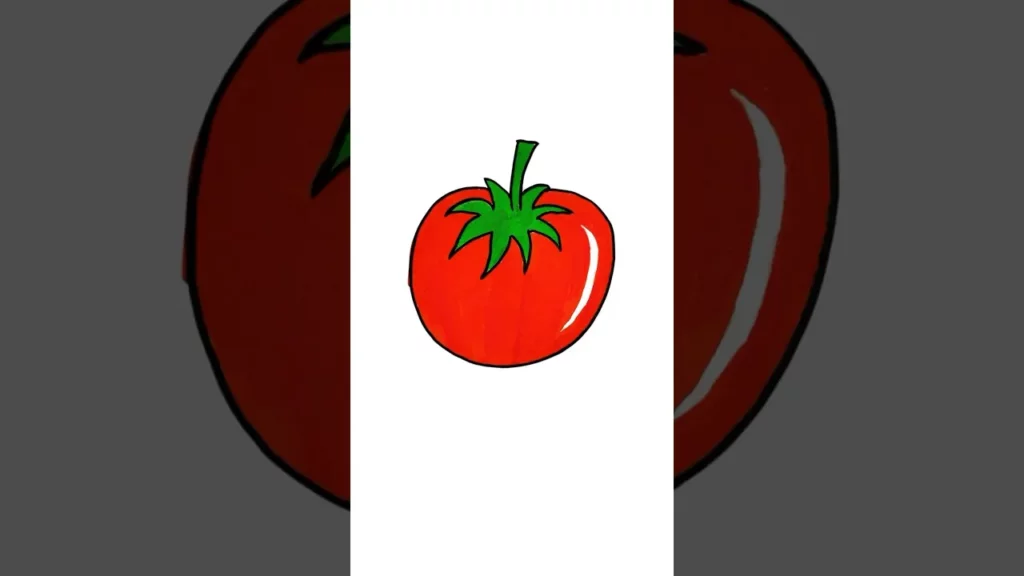
This lesson on “Easy Vegetable Drawing for Enthusiastic Learners” provides a fun and educational approach to improving artistic skills while exploring healthy foods. It offers a step-by-step guide for drawing common vegetables like carrots, tomatoes, and broccoli, along with tips for enhancing drawing techniques and encouraging creativity. By practicing regularly and observing real vegetables, learners can create vibrant and realistic representations of these nutritious foods.
How to draw a train engine
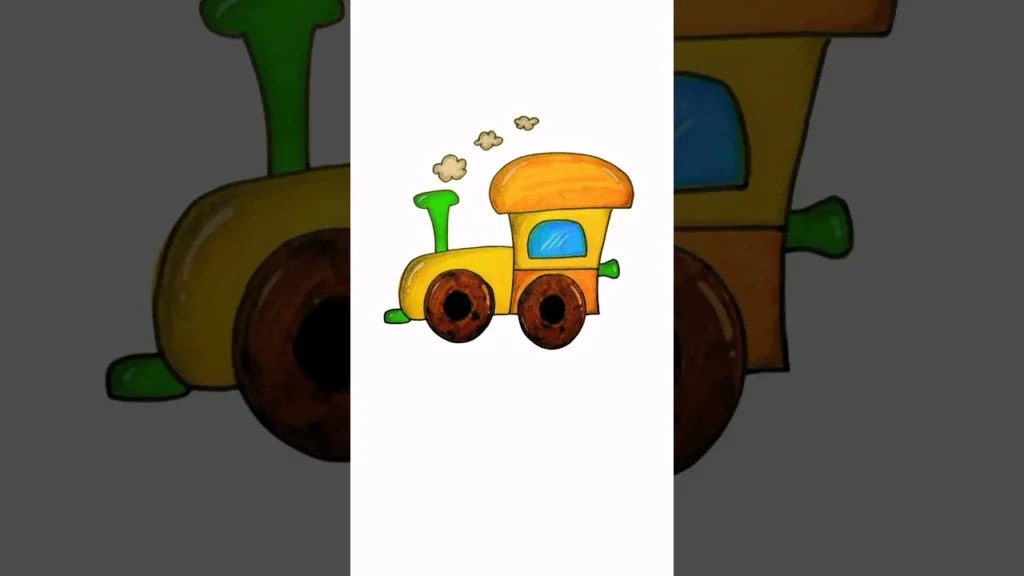
In this lesson, students learn how to draw a train engine by following simple steps, starting with a rectangle for the body and adding wheels, a chimney, windows, and details. After completing the drawing, they are encouraged to use their creativity to color the train in any colors they choose. The lesson emphasizes fun and imagination, inspiring students to continue practicing their drawing skills.