
Soil | Composition of Soil | Formation of Soil | Types of Soil | Science for Kids
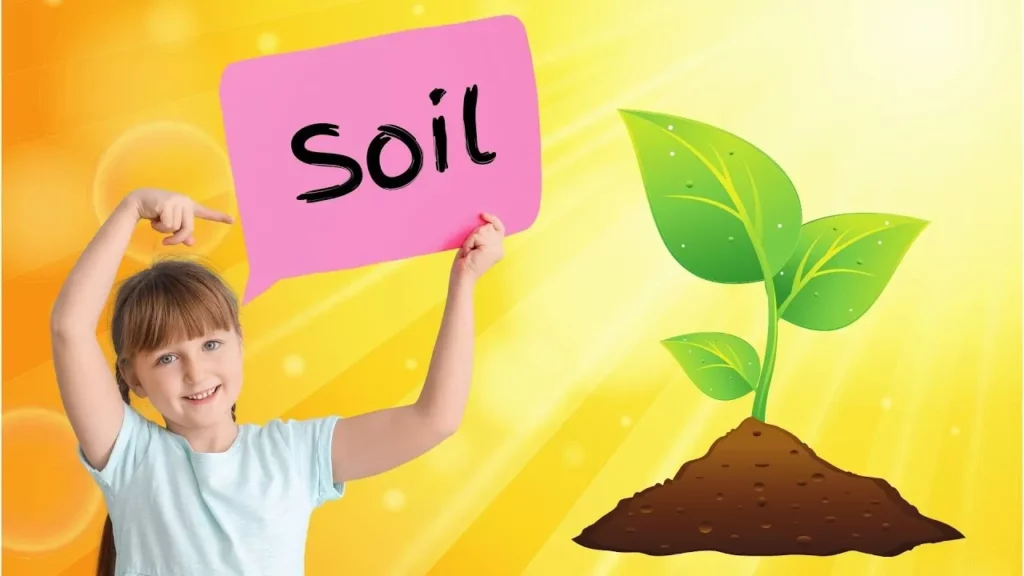
In this lesson, we explored the significance of soil, which is essential for plant growth and supports a diverse ecosystem of living organisms. We learned about the formation of soil through the weathering of rocks over time, and the three main types of soil—sandy, clay, and loam—each with unique characteristics that affect their suitability for different plants. Understanding soil helps us appreciate the vital role it plays in sustaining life on Earth.
Top Inventions that changed the world | Invention of Wheel, Compass and Paper
This lesson highlights three groundbreaking inventions: the wheel, the compass, and paper, which have significantly transformed human life. The wheel revolutionized transportation, the compass enabled navigation and exploration, and paper facilitated communication and record-keeping. Together, these inventions laid the foundation for advancements in travel, exploration, and literacy, shaping the world as we know it today.
Components of Food | Our Food | Class 4 | Balanced Diet
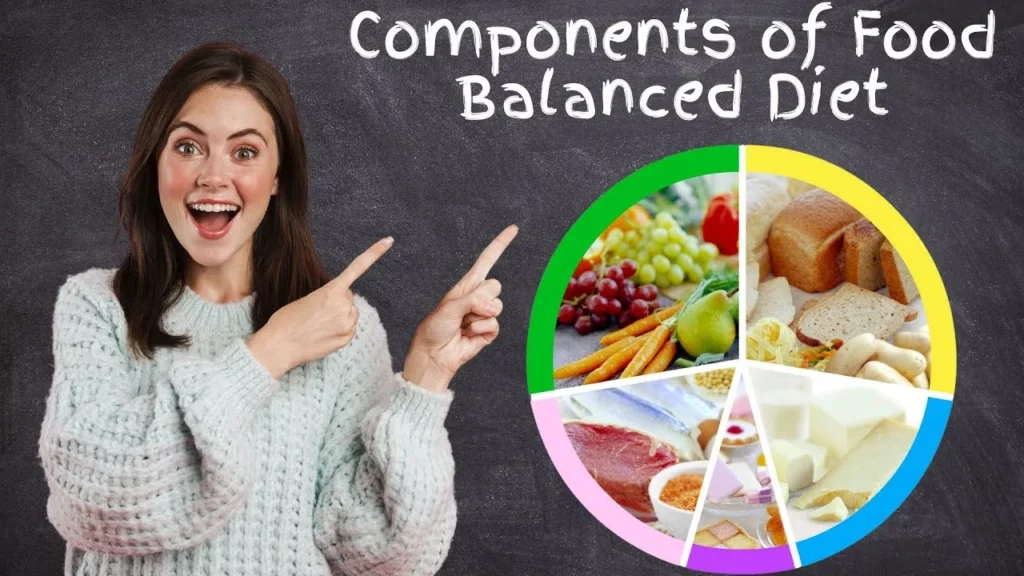
This lesson explores the essential components of food and their roles in maintaining a healthy body. It highlights the five main nutrients—carbohydrates, fats, proteins, vitamins, and minerals—along with the importance of roughage and water for digestion and overall health. Emphasizing the concept of a balanced diet, the lesson encourages incorporating a variety of foods to ensure the body receives all necessary nutrients for energy, growth, and repair.
Difference between venom and poison
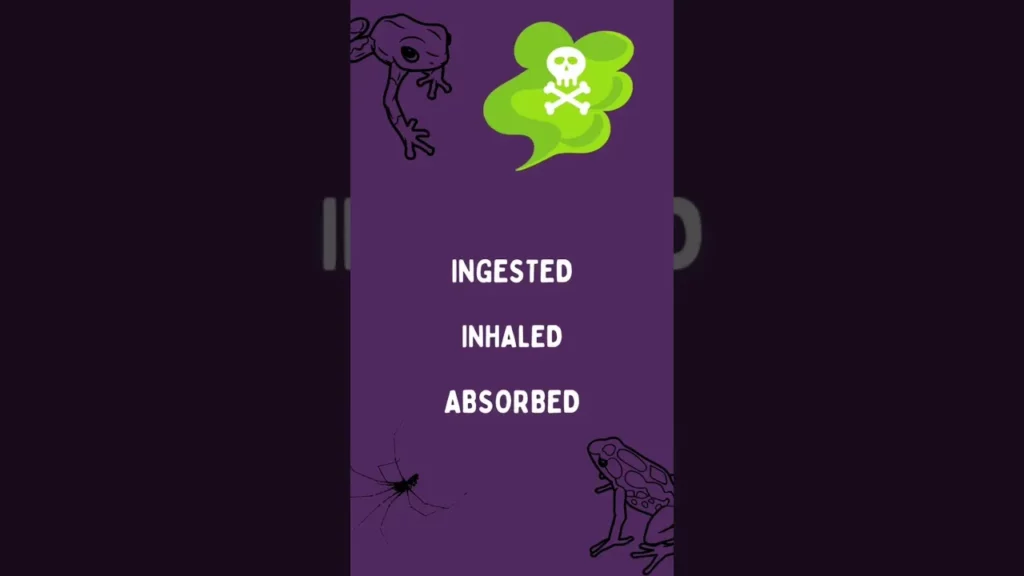
The lesson explains the key differences between venom and poison, highlighting that poison is harmful when ingested, inhaled, or absorbed through the skin, while venom is injected directly into the body through bites or stings. It emphasizes that both substances are toxic but operate in distinct ways, with poison causing harm through contact and venom through injection. Understanding these differences helps clarify how various plants and animals can affect living beings.
How to draw a crab
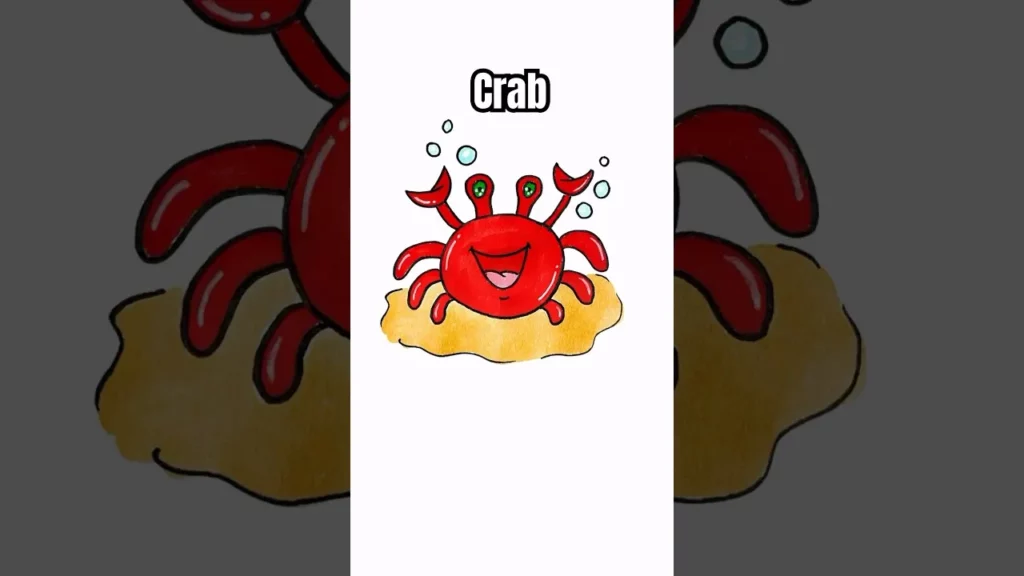
This lesson provides a step-by-step guide on how to draw a crab, making it accessible for both beginners and those looking to improve their drawing skills. It covers essential materials, detailed instructions for each part of the crab, and encourages creativity through coloring and personal touches. By practicing these techniques, learners can enhance their artistic abilities while exploring the fascinating world of marine life.
Structure of Seed | Science for Kids | Parts of a Seed
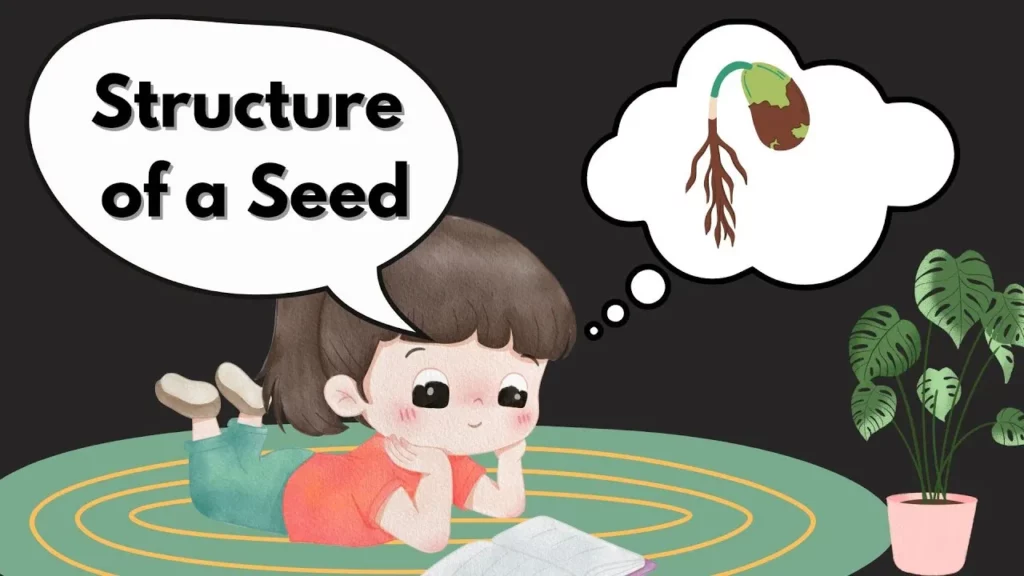
The lesson explains the structure of a seed, highlighting its three main parts: the seed coat, endosperm, and embryo. The seed coat protects the embryo, the endosperm provides essential nutrients, and the embryo contains the components necessary for growth, including cotyledons, hypocotyl, and radicle. Together, these parts enable a tiny seed to develop into a new plant, showcasing the remarkable complexity of seeds.
How to draw a fish
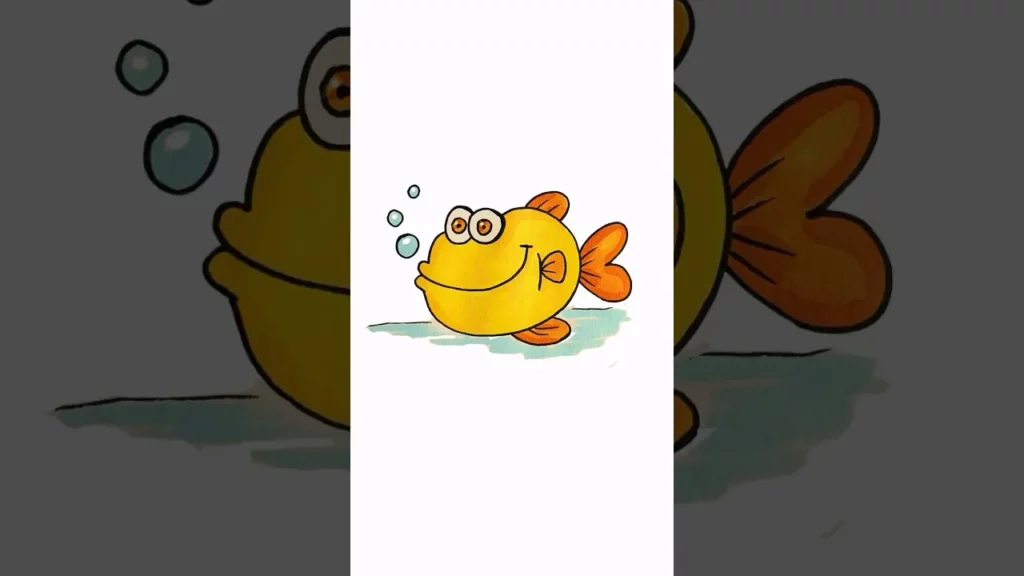
In this lesson, students learn how to draw a fish by following simple steps, starting with an oval body and adding features like a tail, fins, a face, and scales. After completing the drawing, they are encouraged to use crayons or markers to add color and personalize their fish. The lesson emphasizes creativity and imagination, inviting students to continue exploring by drawing other sea creatures.
How to draw a ladybird
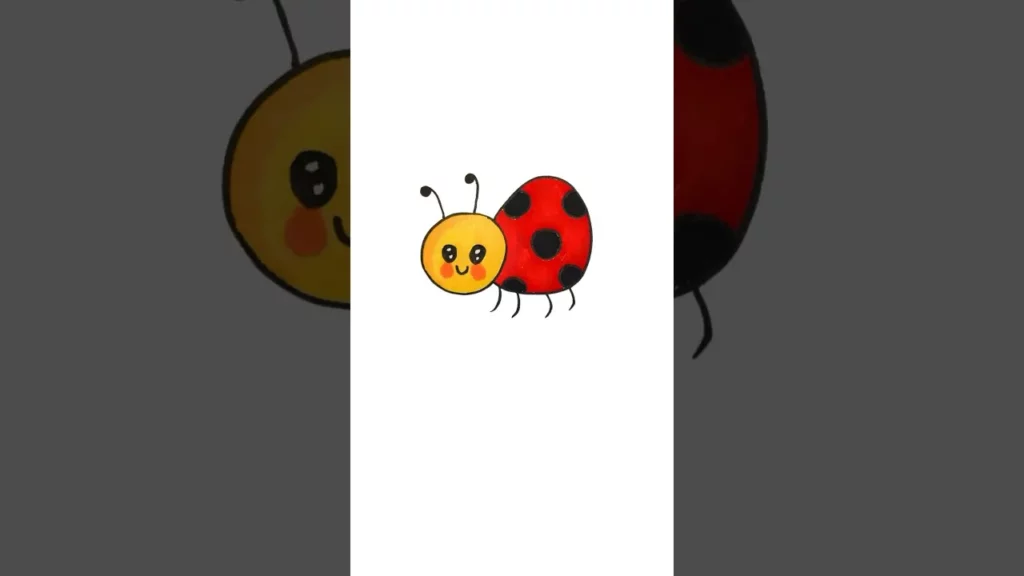
In this lesson, young artists learn how to draw a cute ladybird by following simple steps, starting with an oval body and adding a head, spots, and legs. They are encouraged to use red and black for coloring, while also exploring their creativity with additional colors for the background. The lesson concludes with fun facts about ladybirds, highlighting their beneficial role in gardening.
Quiz Time l Photosynthesis l Science for Kids
In this lesson, students engage in a quiz about photosynthesis, a vital process through which plants create their own food using sunlight, water, and carbon dioxide. The quiz covers key concepts such as the role of chlorophyll, the function of stomata, and the importance of xylem in transporting water, reinforcing the understanding of how photosynthesis contributes to life on Earth.
How to draw a hut
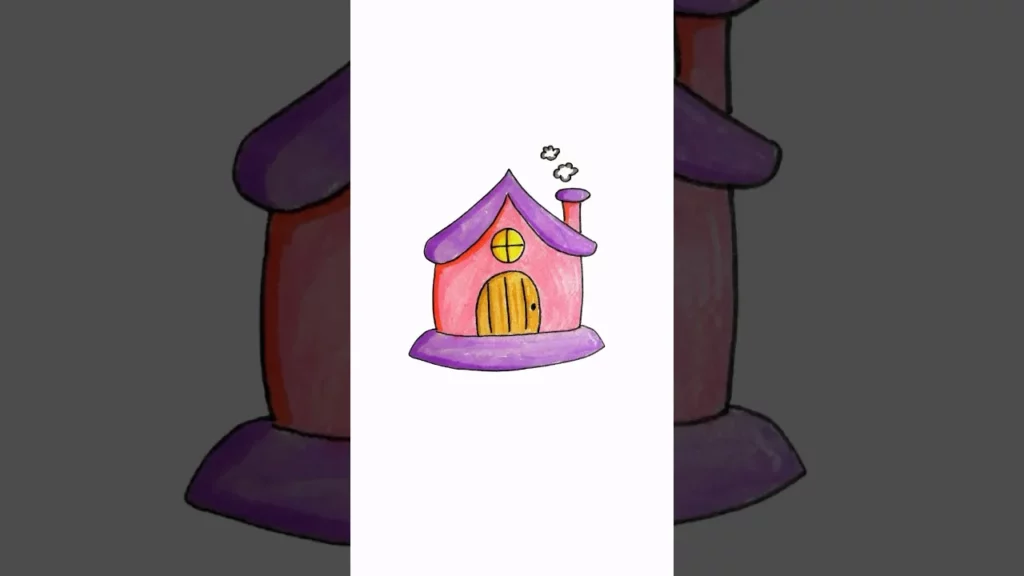
In this lesson, young artists learn how to draw a cozy hut by following simple steps: starting with a triangle for the roof, adding a rectangle for the walls, and including a door and windows. The lesson encourages creativity by allowing children to decorate their huts and imagine who might live there, fostering both artistic skills and imaginative thinking.