
Animal Cell Structure and Functions I Cell Organelles and their Functions
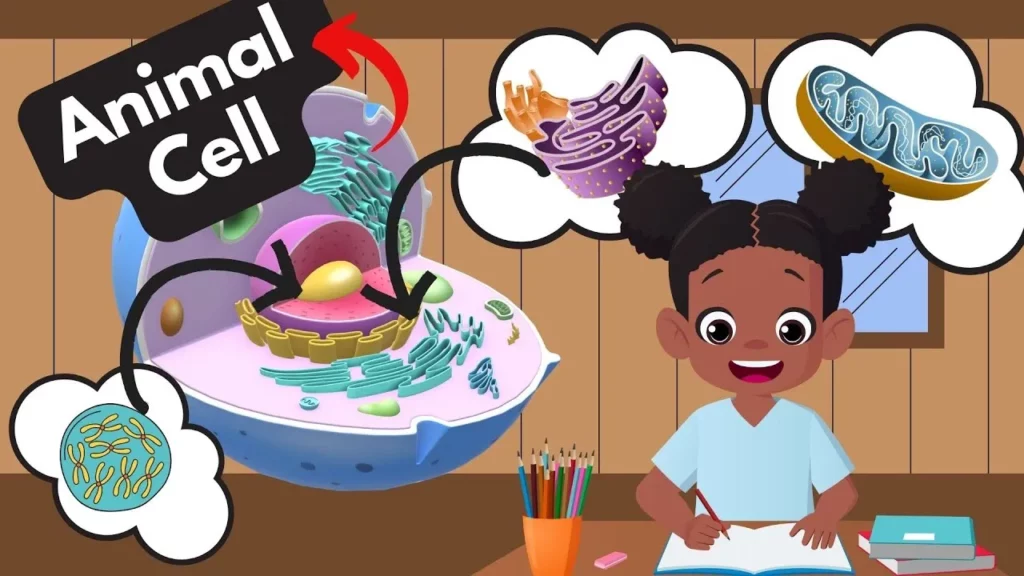
This lesson introduces the structure and functions of animal cells, highlighting their unique characteristics as eukaryotic cells with a flexible cell membrane instead of a cell wall. It explores various organelles, including the nucleus, endoplasmic reticulum, Golgi apparatus, mitochondria, lysosomes, vacuoles, and cytoplasm, explaining their specific roles in maintaining cellular function and overall health. Understanding these components emphasizes the complexity and efficiency of animal cells as the fundamental building blocks of all animals.
How to draw a kitten
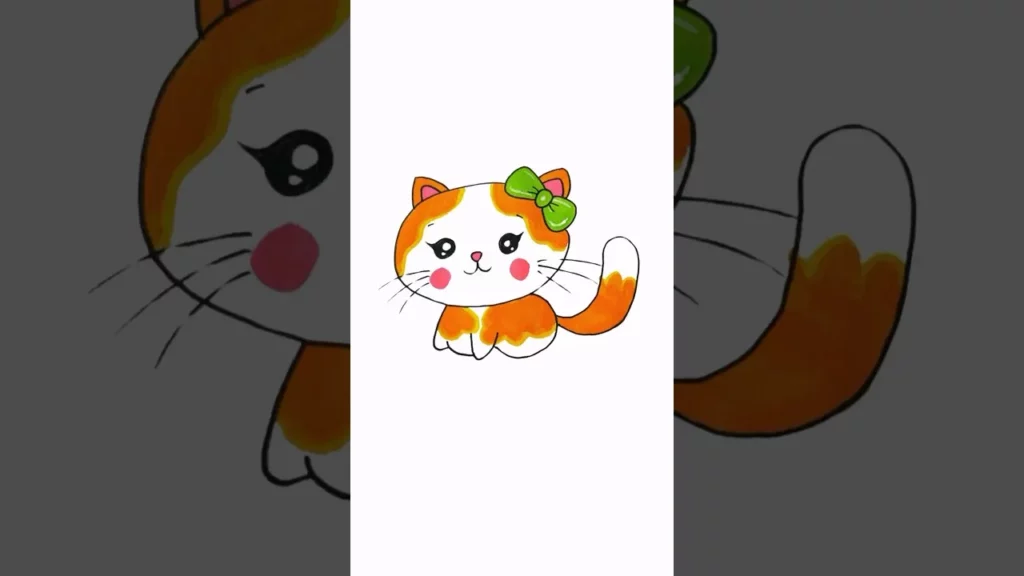
In this lesson, young artists learn how to draw a cute kitten by following simple, step-by-step instructions. Starting with the kitten’s head and ears, they progress to adding eyes, a nose, a mouth, and finally the body, legs, and tail, before coloring their creation. The lesson encourages creativity and emphasizes that practice leads to improvement in drawing skills.
Months of the Year | Videos for Kids

In this lesson, students learn about the 12 months of the year, each with its unique characteristics and celebrations. The lesson highlights fun facts about each month, such as January’s New Year celebrations and December’s festive holidays, encouraging students to appreciate the diversity and special events throughout the year. By engaging with the material, students are invited to share their favorite months and activities, fostering a sense of excitement and curiosity about the calendar.
How to draw an ice cream
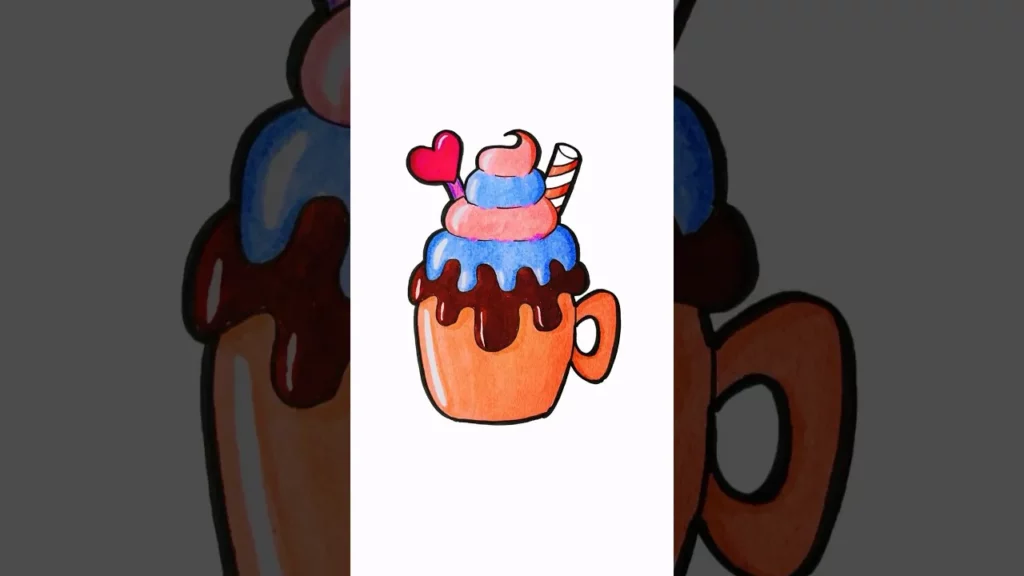
In this lesson, you will learn how to draw a colorful ice cream cone step by step, starting with the cone and adding scoops of ice cream on top. You’ll also have the opportunity to enhance your drawing with fun details like sprinkles and a cherry, followed by coloring it in with your favorite shades. By the end, you’ll have a delightful ice cream drawing to showcase and enjoy!
What is a Virus? | Structure of a Virus | How virus causes infection
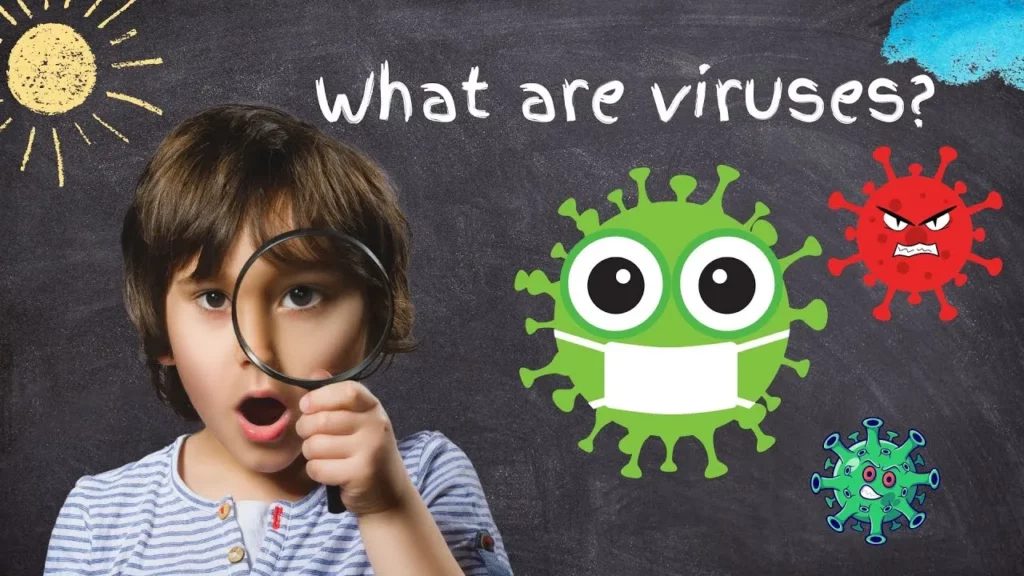
In this lesson, we explored the fascinating world of viruses, including their definition, structure, reproduction methods, and how they spread. We learned that viruses require a host to become active and reproduce, and they can be transmitted through the air, contaminated surfaces, or direct contact. To prevent viral infections, maintaining good hygiene practices, such as regular handwashing and covering coughs and sneezes, is essential for protecting ourselves and others.
Draw a giraffe with letter h
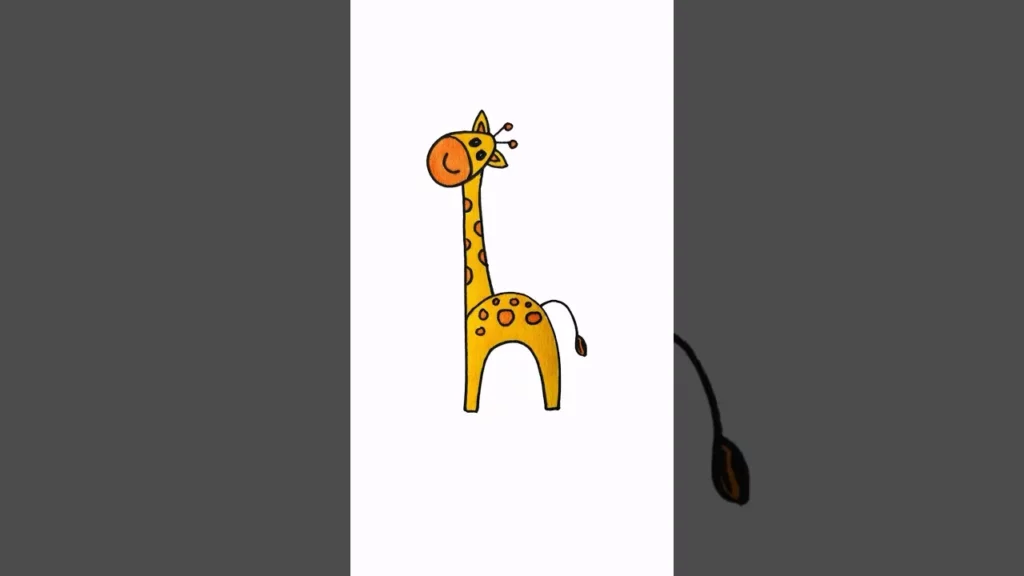
In this lesson, students learn to draw a giraffe using the letter H as the base shape, while also discovering interesting facts about giraffes, such as their herbivorous diet and social behavior. The activity combines creativity with education, allowing students to express their artistic skills while gaining knowledge about these fascinating animals. By the end, they will have created their own giraffe drawing and enjoyed the fun of learning through art.
The difference between pulmonary and systemic circulation
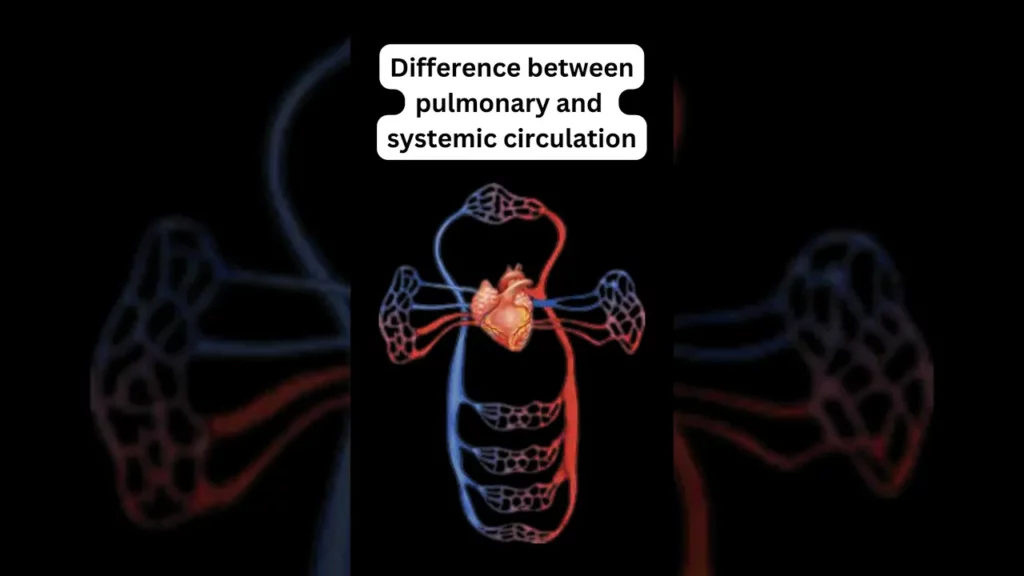
The lesson explains the two main types of blood circulation in the body: pulmonary and systemic circulation, which together form a system known as double circulation. Pulmonary circulation involves the movement of deoxygenated blood from the heart to the lungs for oxygenation and back, while systemic circulation delivers oxygen-rich blood from the heart to the rest of the body and returns deoxygenated blood back to the heart. This separation of oxygenated and deoxygenated blood is essential for maintaining a continuous supply of oxygen and nutrients, highlighting the efficiency of our circulatory system.
Flower parts and their functions | process of pollination
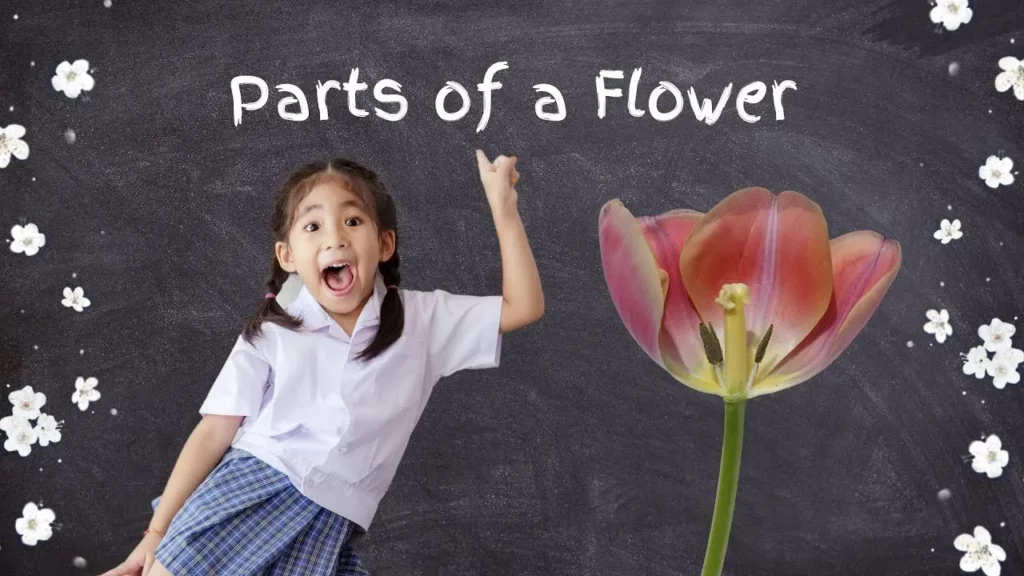
In this lesson, we explored the various parts of a flower and their essential functions in the plant’s reproductive process. The sepals protect the flower bud, petals attract pollinators, the stamen produces pollen, and the pistil contains the ovary where seeds develop after pollination. Understanding these components highlights the crucial role flowers play in the lifecycle of plants.
How to draw grandma and grandpa
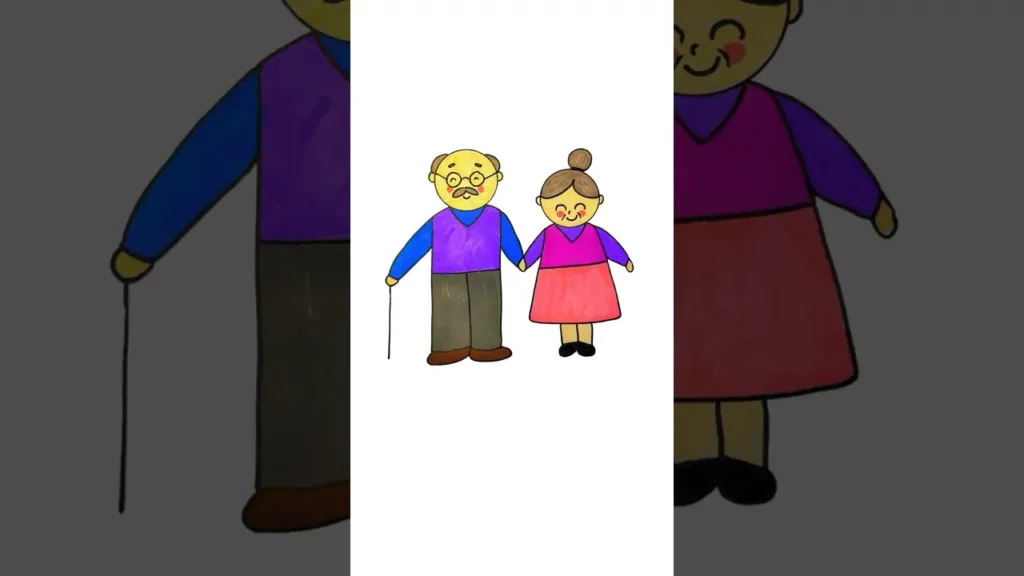
In this lesson, young artists learn how to draw their grandparents by following simple step-by-step instructions. They start by creating basic shapes for grandma and grandpa’s faces, adding features like smiles and hair, and then drawing their bodies. Finally, students are encouraged to color their drawings and share their artwork with family and friends, emphasizing that drawing is a fun and imaginative activity.
How to draw a dress
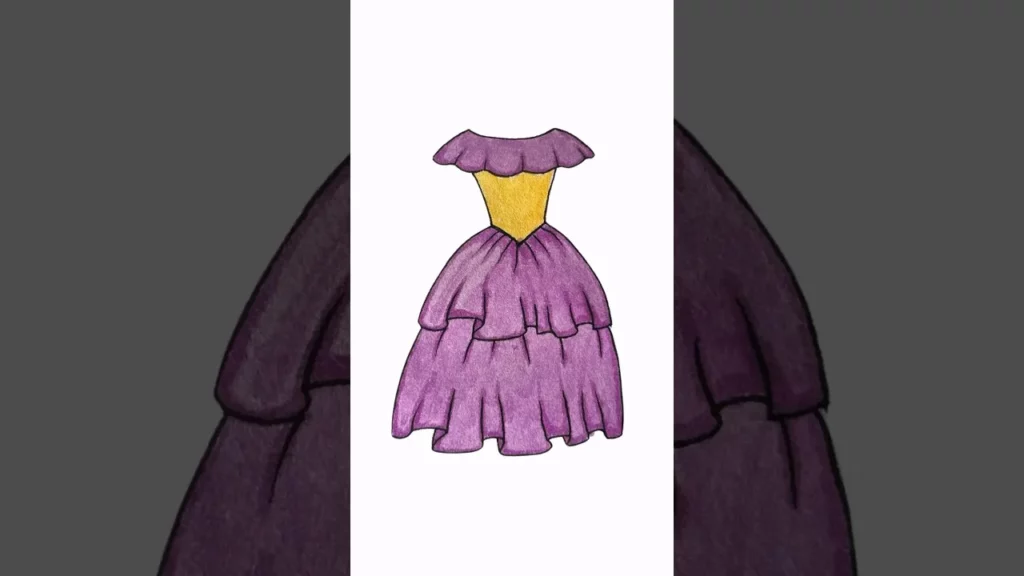
This lesson provides a step-by-step guide on how to draw a dress, emphasizing creativity and personal expression. It covers essential materials, the process of outlining and detailing the dress, refining the drawing, adding color, and making final touches. The lesson encourages practice and experimentation, highlighting that drawing can be both enjoyable and a pathway to developing fashion design skills.