
Exotic species
The lesson on exotic species explains that these are plants and animals found outside their natural habitats, often introduced by humans either intentionally or accidentally. While some exotic species can adapt without causing harm, others may disrupt local ecosystems by competing for resources, threatening native species. Understanding the movement and impact of exotic species is crucial for environmental conservation and making informed decisions about protecting our natural world.
Human body organs | locations and functions | Science for Kids
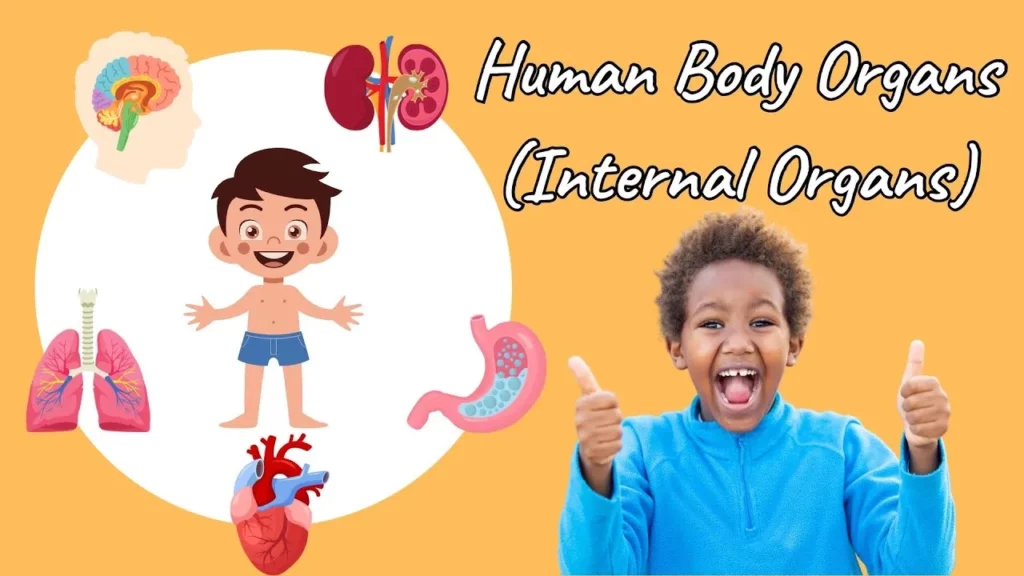
The lesson explains the human body as a complex machine composed of various organs, each with specific functions essential for maintaining health and activity. It distinguishes between external organs, like the skin and eyes, and internal organs, such as the brain, lungs, heart, stomach, and kidneys, detailing their locations and roles in processes like breathing, circulation, digestion, and waste filtration. Understanding these organs helps us appreciate how they work together to keep our bodies functioning properly.
What are Igneous Rocks | Types of Rocks | Below the Earth Surface
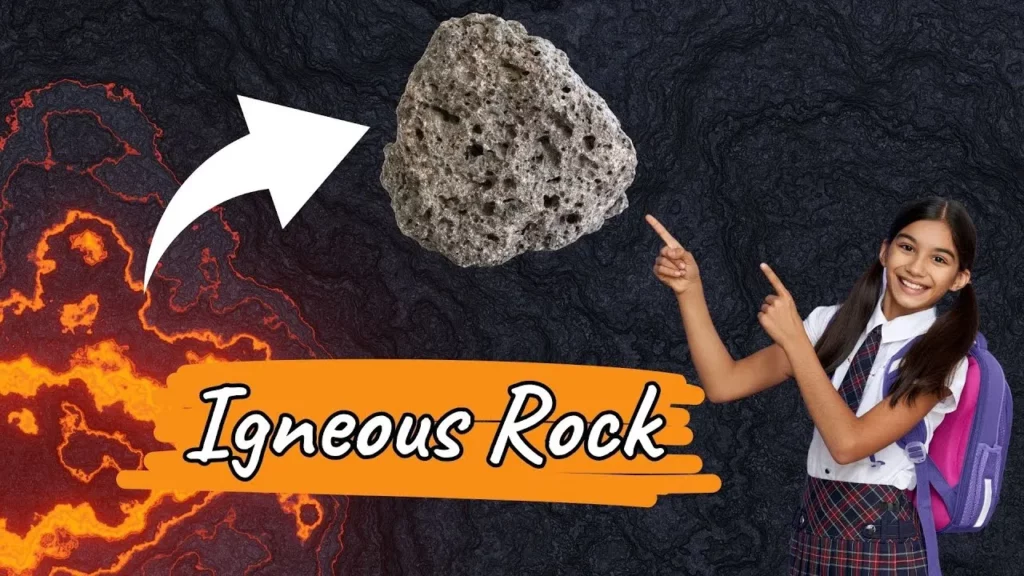
In this lesson, students explore igneous rocks, one of the three main types of rocks, formed from cooled magma. They learn about the two categories of igneous rocks: intrusive, which form beneath the Earth’s surface with large crystals, and extrusive, which form from lava on the surface with tiny crystals. The lesson also includes fun facts about igneous rocks, encouraging students to identify different rock types in their environment.
The Excretory System | Science for Kids
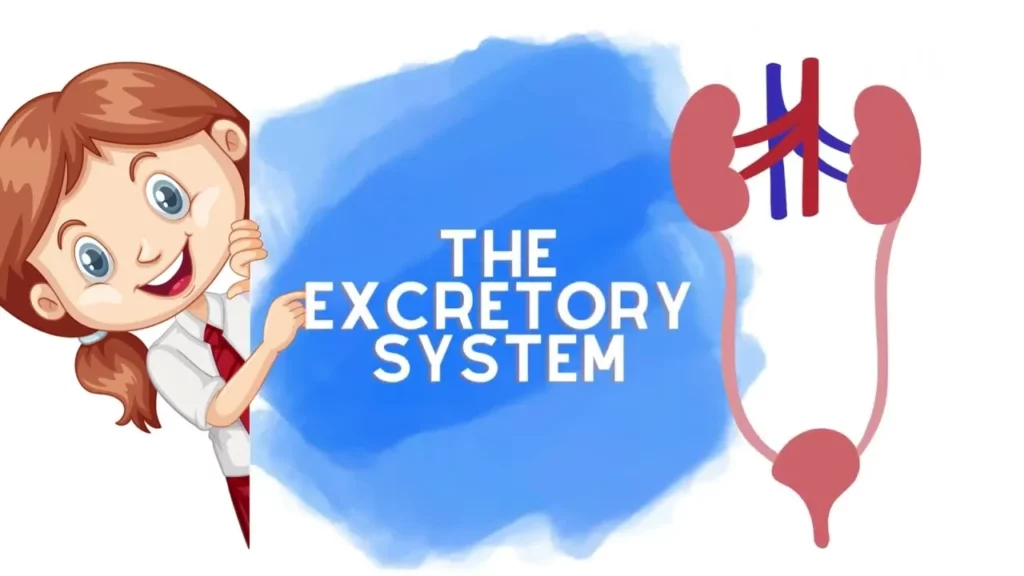
The lesson on the excretory system introduces the essential organs involved in waste removal, including the kidneys, ureters, urinary bladder, and urethra. It explains how the kidneys filter blood to create urine, which is then transported through the ureters to the bladder for storage before being expelled through the urethra. Emphasizing the importance of hydration, the lesson highlights that drinking enough water is crucial for maintaining the health and efficiency of the excretory system.
Pulmonary circulation of blood (Video + Audio) | Circulatory system
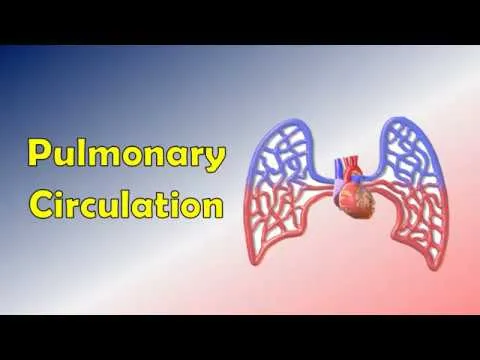
Pulmonary circulation is the process by which blood travels between the heart and the lungs, primarily to exchange carbon dioxide for oxygen. Deoxygenated blood returns to the heart, is pumped to the lungs where it undergoes gas exchange in the alveoli, and then oxygen-rich blood returns to the heart to be distributed throughout the body. This vital process ensures that our cells receive the necessary oxygen for energy production while removing waste carbon dioxide, highlighting the importance of maintaining healthy lungs and heart.
Draw animals from circle
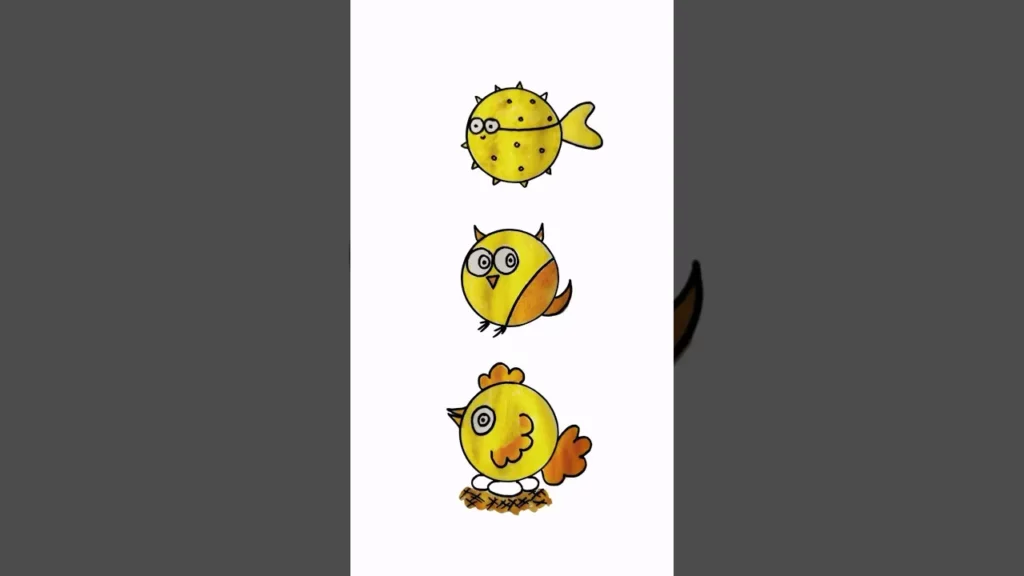
In this lesson, young artists learn to create animals using simple shapes, specifically circles. They are guided through drawing a cat, frog, and fish, emphasizing the fun of using imagination and practice to develop their skills. The lesson concludes with encouragement to color their creations, fostering creativity and artistic expression.
Internal Organs | Human Body Organs Location and Function | Science for Kids
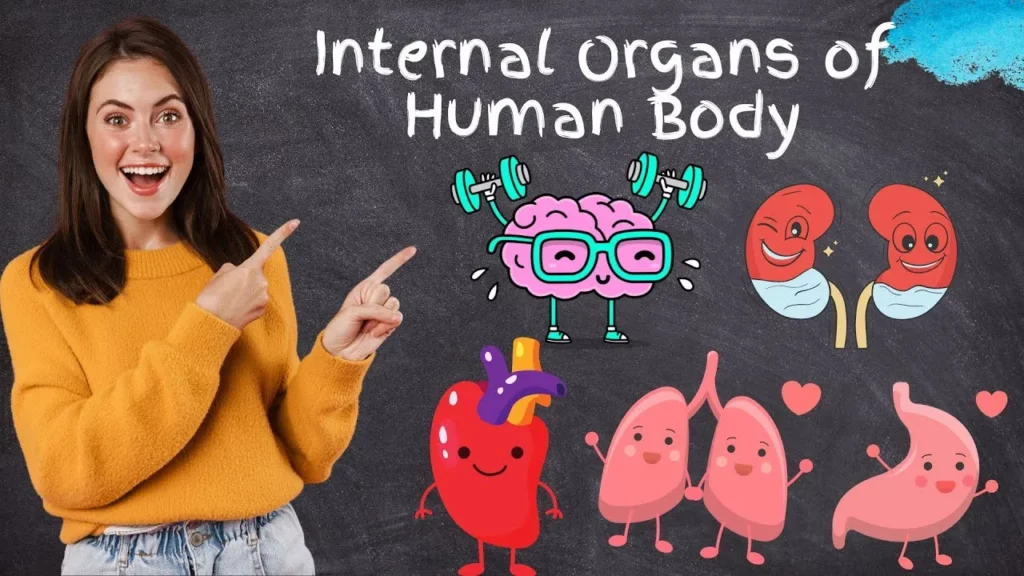
The lesson on internal organs of the human body introduces the concept of organs as specialized parts made up of tissues that perform specific functions. Key internal organs discussed include the brain, lungs, heart, stomach, and kidneys, each with distinct locations and vital roles in maintaining health, such as thinking, breathing, pumping blood, digesting food, and filtering waste. Overall, the lesson highlights the incredible teamwork of these organs in keeping the body functioning properly.
HOW TO DRAW A CUPCAKE | EASY STEP BY STEP DRAWING FOR KIDS
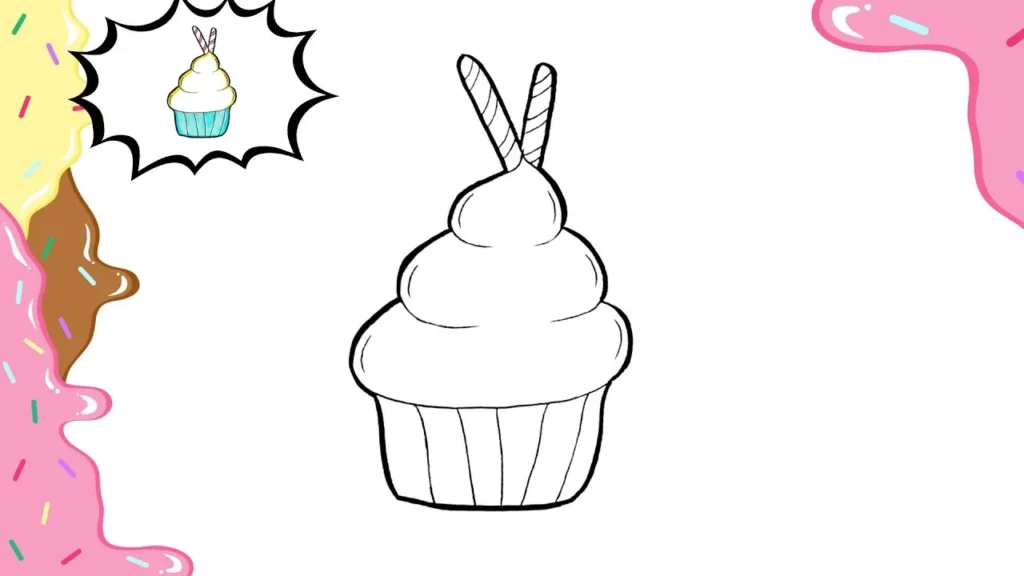
In this lesson, students learn how to draw a cupcake step by step, starting with the wrapper and progressing to the fluffy top, frosting, sprinkles, and a cherry. They are encouraged to use their creativity by choosing colors for each part of the cupcake and can experiment with different designs. The lesson emphasizes the joy of drawing and the importance of practice in developing artistic skills.
Simple idea to draw a beautiful scenery
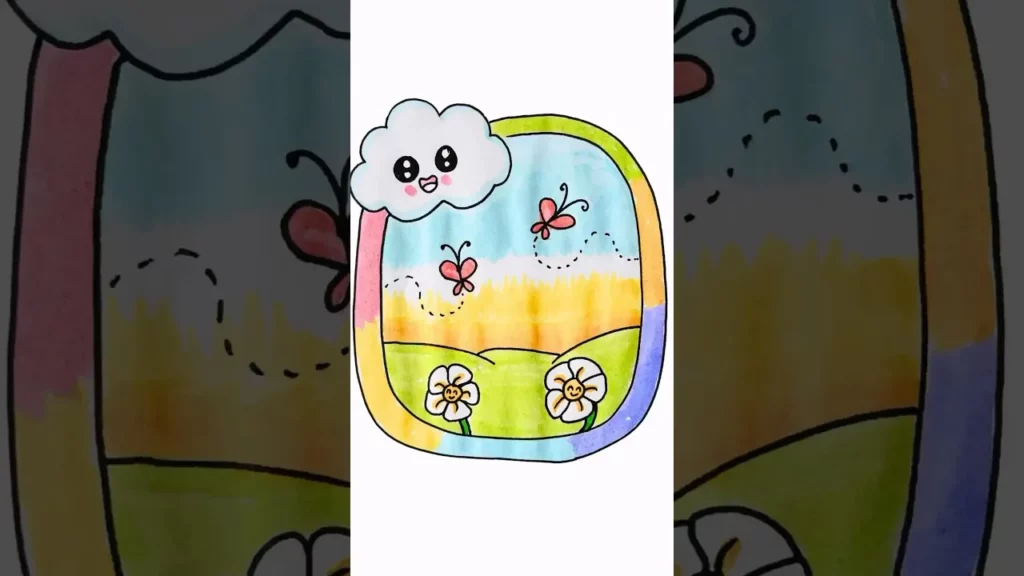
This lesson guides you through the process of creating a beautiful scenery drawing by encouraging you to visualize a peaceful place and express it artistically. It outlines steps such as choosing a scene, sketching basic shapes, adding details, using colors creatively, and incorporating personal touches to make your artwork unique. The lesson emphasizes the importance of practice and self-expression, reminding you to enjoy the creative journey.
Quiz | Feet and Claws of Birds | Science for Kids
In this lesson, students learn about the various types of feet and claws that birds possess, which are adapted to their specific lifestyles and habitats. Key examples include perching birds like crows, scratching birds like hens, wading birds such as cranes and herons, and climbing birds like woodpeckers, each with unique foot structures that aid in their survival. The lesson emphasizes the importance of these adaptations in helping birds navigate their environments effectively.