
The Water Cycle | Science for Kids
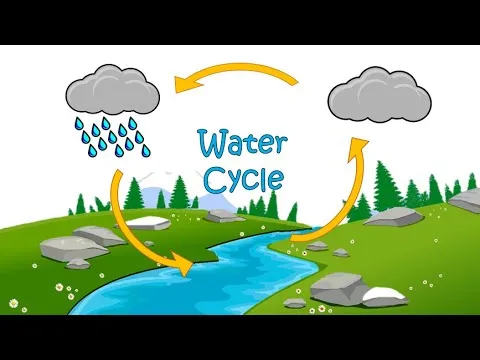
The water cycle is a continuous process that recycles water on Earth, ensuring we never run out of it. It begins with evaporation and transpiration, where the sun heats water, turning it into vapor that rises into the atmosphere. As the vapor cools, it condenses into clouds, and when the clouds become heavy, precipitation occurs in the form of rain, snow, or hail, allowing the cycle to start anew.
Draw a fish
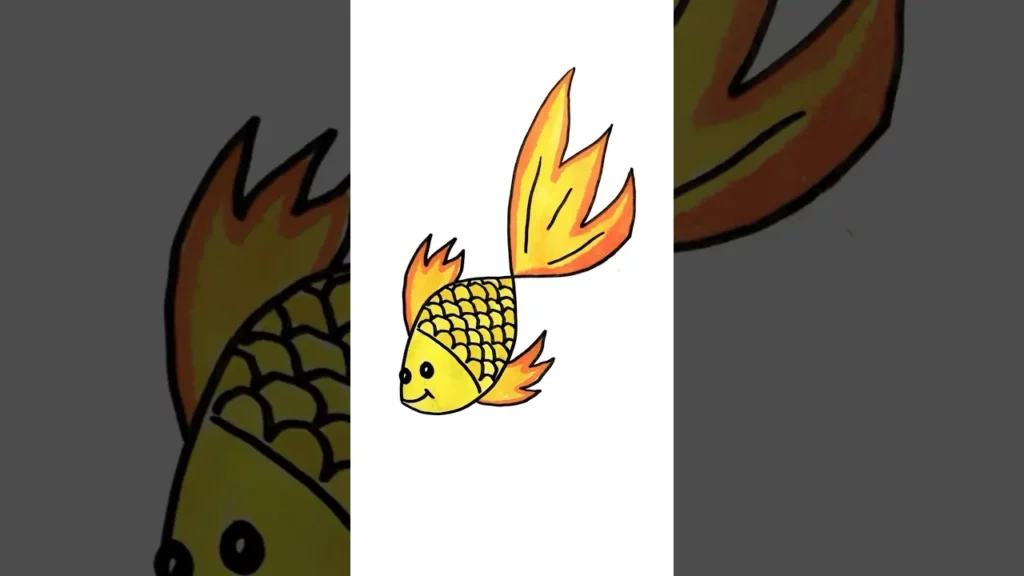
This lesson provides a step-by-step guide on how to draw a fish, making it accessible for both beginners and those looking to enhance their skills. It covers essential materials, the process of sketching the fish’s body, tail, fins, and head, as well as adding texture and color to create a vibrant illustration. With practice and creativity, anyone can produce a beautiful fish drawing while developing their artistic abilities.
How to draw an ice cream
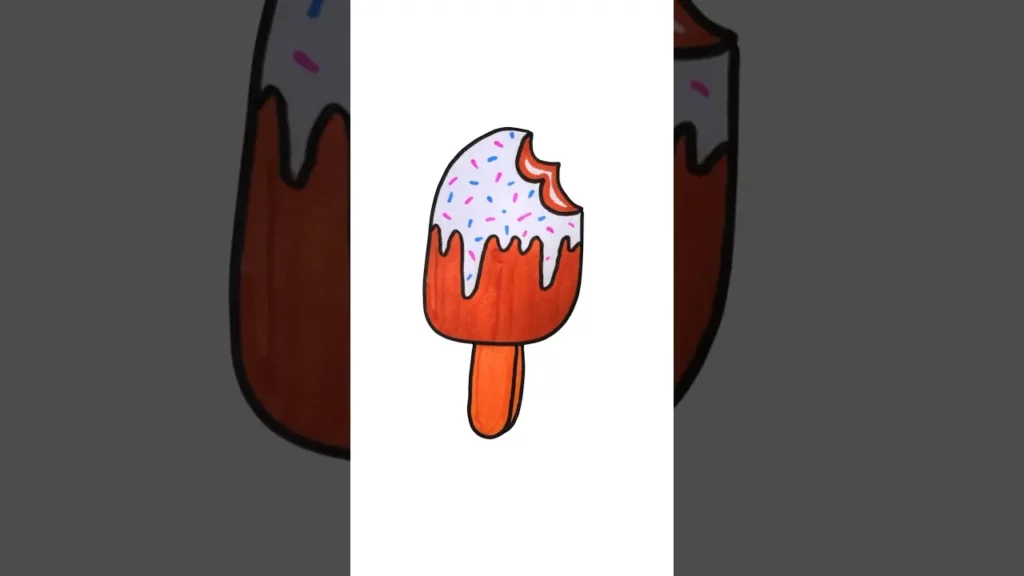
In this lesson, students learn how to draw an ice cream cone by following simple steps: starting with a triangle for the cone, adding a circular or cloud-like scoop on top, and decorating it with fun details like sprinkles or cherries. After drawing, they are encouraged to color their creations using their favorite colors, fostering creativity and imagination. The lesson concludes with a reminder to keep practicing and exploring different flavors and toppings in their drawings.
Human Heart Structure and Functions
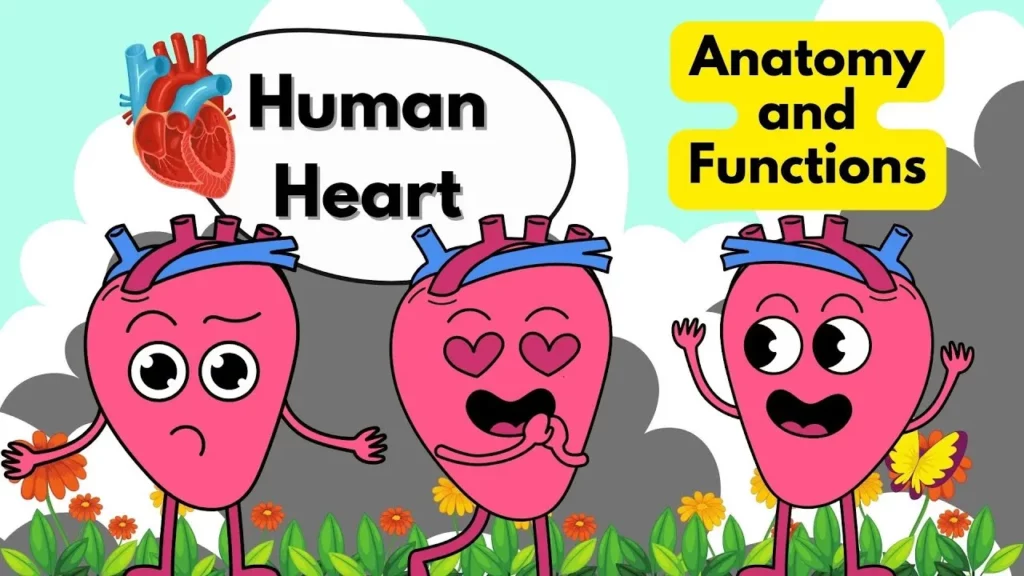
The human heart is a muscular organ located in the chest, consisting of four chambers: two atria and two ventricles. Its primary function is to pump oxygen-rich blood throughout the body while receiving oxygen-poor blood to be sent to the lungs for reoxygenation. Heart valves ensure that blood flows in the correct direction, contributing to the rhythmic sound of the heartbeat.
How to draw a donut
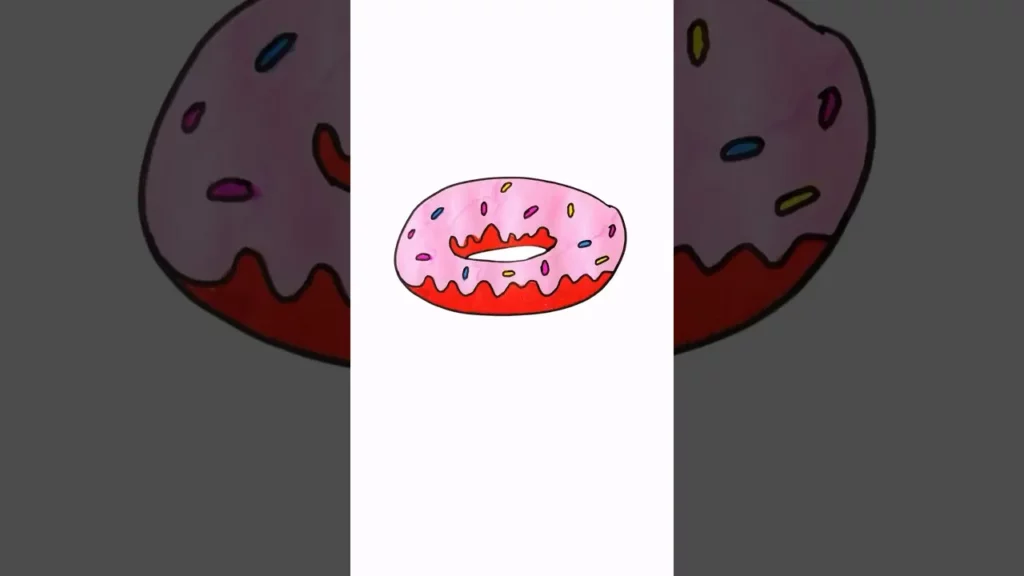
In this lesson, young artists learn how to draw a delicious donut step by step, starting with a large circle for the donut’s outer shape and a smaller circle for the hole in the middle. They are encouraged to add creative toppings like icing and sprinkles, and to use vibrant colors to bring their donut to life. The lesson also sparks imagination by inviting students to envision fun donut scenarios, ultimately encouraging them to share their artwork with family and friends.
Our Planet Earth | Rotation and Formation of Day and Night | Video for Kids
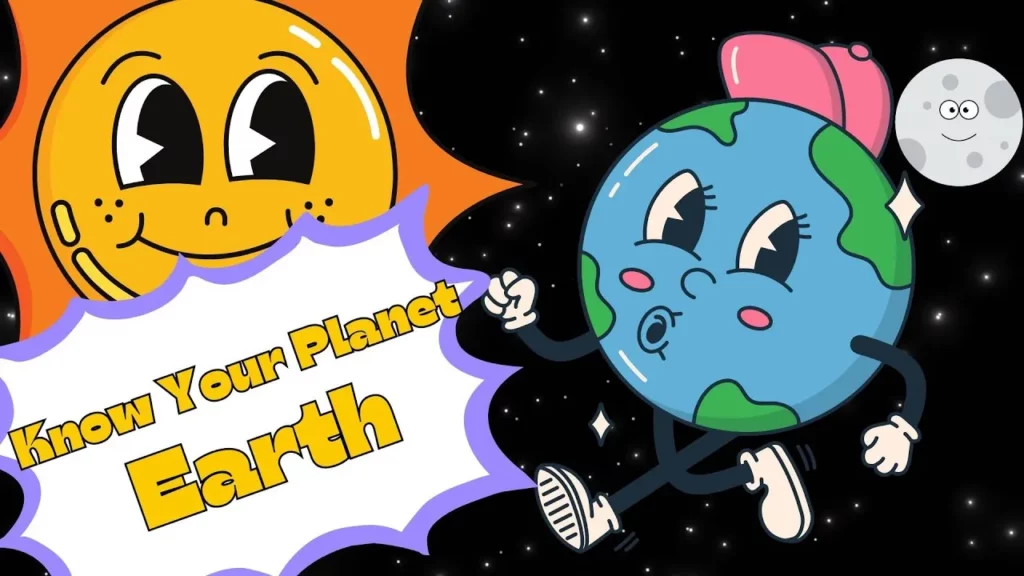
In this lesson, Earth introduces itself as the third planet from the Sun, highlighting its age of over 4.5 billion years and its spherical shape. It explains the concept of day and night, describing how its rotation causes one side to face the Sun for daytime while the other side experiences nighttime. The lesson concludes with a promise to explore more about the Moon, seasons, and other Earth-related topics in future sessions.
How to draw pancakes
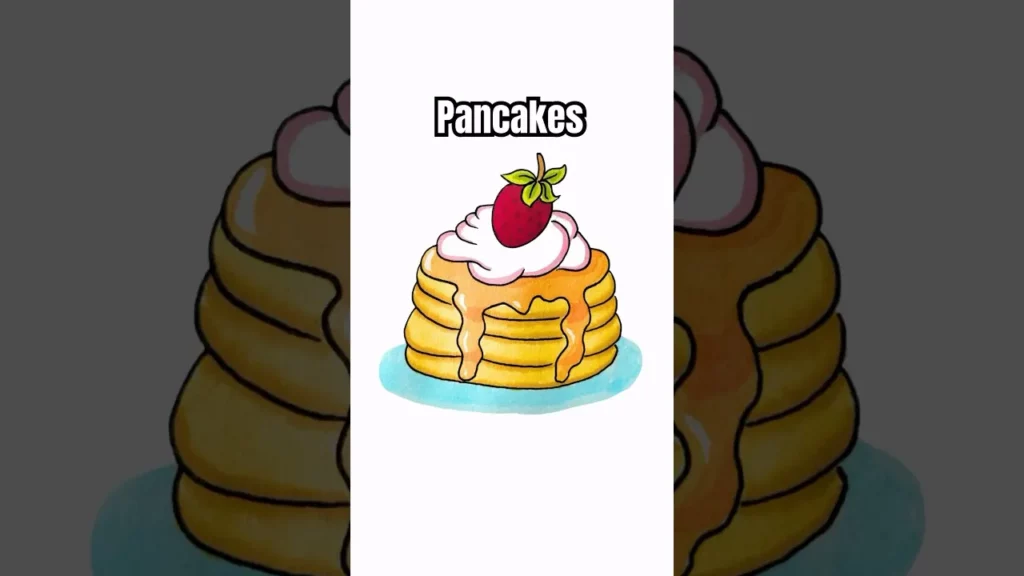
In this lesson, young artists learn how to draw a delicious stack of pancakes, complete with syrup, butter, and optional berries. The step-by-step instructions guide them through creating the pancake stack, adding details, and coloring their artwork, encouraging creativity and practice. The lesson concludes with a positive affirmation of their efforts and an invitation to explore more drawing adventures.
How to draw a night lamp
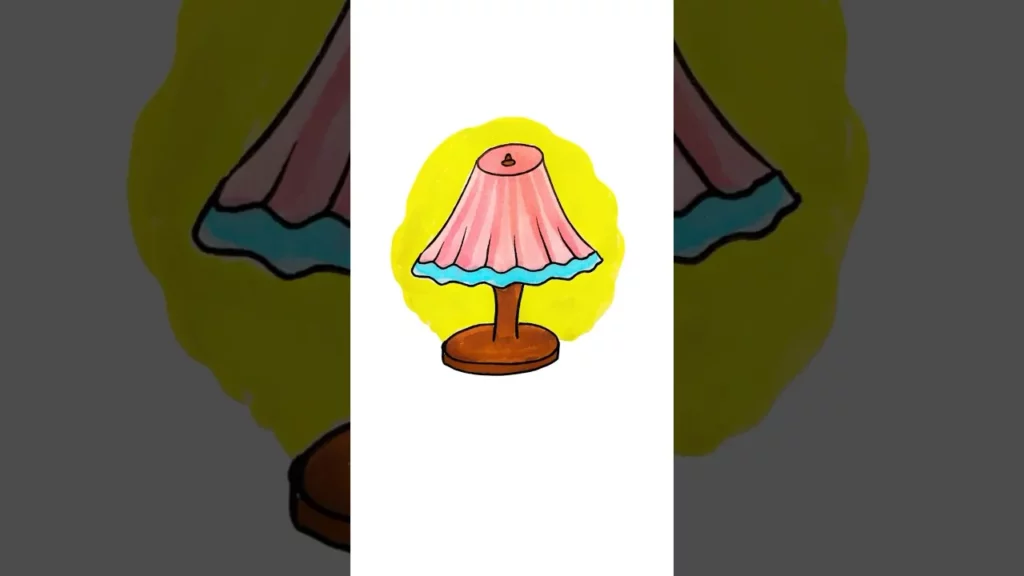
In this lesson, students learn how to draw a night lamp by following simple steps that include creating the base, stand, and shade, as well as adding details and coloring. The lesson encourages creativity and provides fun facts about the history of lamps, emphasizing their various shapes and sizes. By the end, students are motivated to continue practicing their drawing skills and experimenting with different designs.
Save Environment | Ways to Take Care of the Environment | Environment Science for Kids
The lesson “Save the Environment: Fun Ways to Help Our Planet” encourages individuals to engage in simple yet impactful actions to protect the environment. Key suggestions include using reusable bags, saving electricity, keeping spaces clean, recycling materials, conserving water, and planting trees, all of which contribute to a healthier planet. By adopting these practices, everyone can play a part in making a positive difference for the Earth.
Photosynthesis | Science for kids
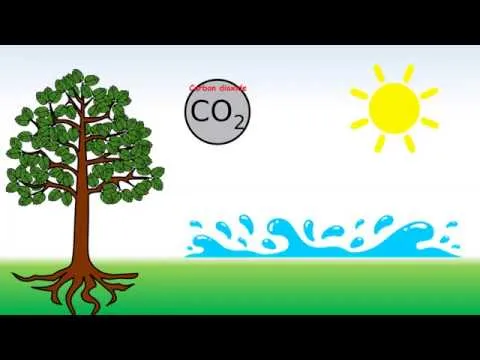
In this lesson on photosynthesis, we learn how plants create their own food using water, carbon dioxide, and sunlight. Through a process that occurs in chloroplasts, plants convert these elements into glucose for energy and oxygen, which is released back into the atmosphere, benefiting all living beings. Understanding photosynthesis highlights its crucial role in sustaining life on Earth and maintaining a healthy environment.