
Draw a cat on the rainbow
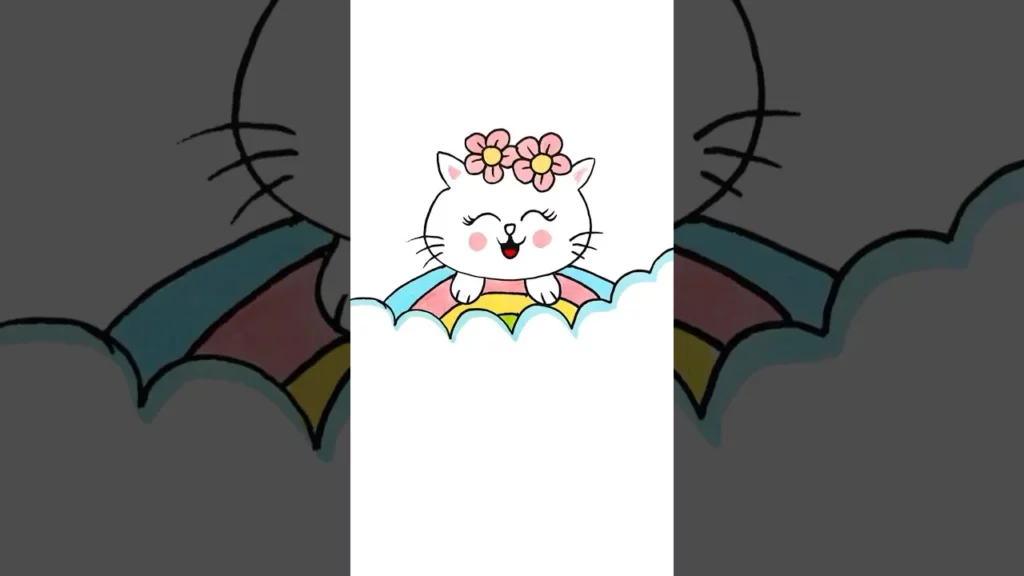
In this lesson, young artists learn to draw a cute cat sitting on a colorful rainbow using crayons or colored pencils. The step-by-step instructions guide them through creating the rainbow, adding the cat’s features, and incorporating additional details like clouds or birds, encouraging creativity and imagination. The lesson concludes with a positive reinforcement, celebrating their artistic efforts and inspiring them to continue drawing.
How to draw Blossom
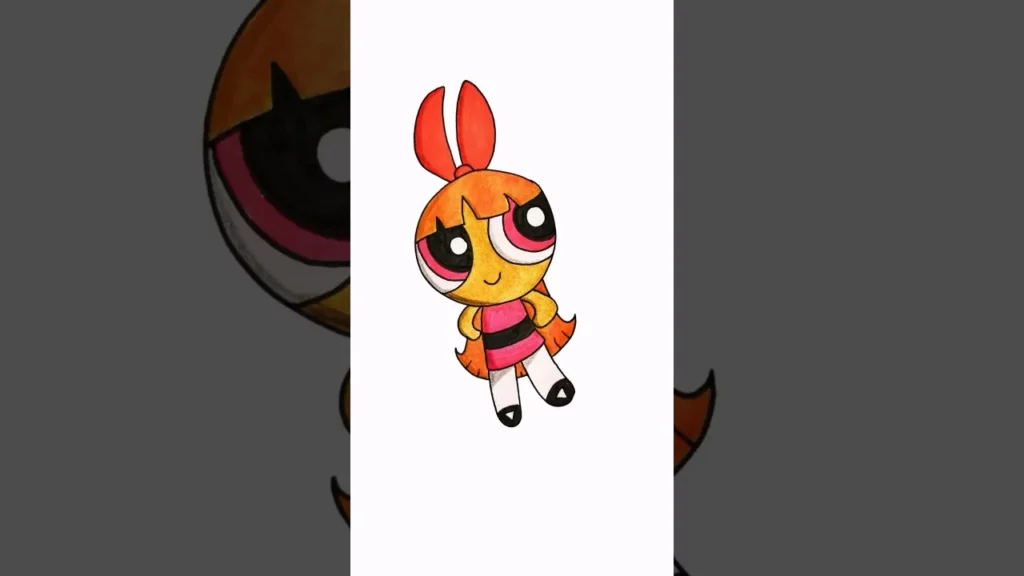
In this lesson, we learned how to draw Blossom, one of the Powerpuff Girls, by following a series of simple steps that guide us from sketching her head and facial features to adding details and color. The process emphasizes creativity and encourages practice, reminding us that drawing should be a fun and enjoyable experience. By the end, students will have a completed drawing of Blossom, showcasing their artistic skills.
Insectivorous Plants | Carnivorous Plants | Science Lesson
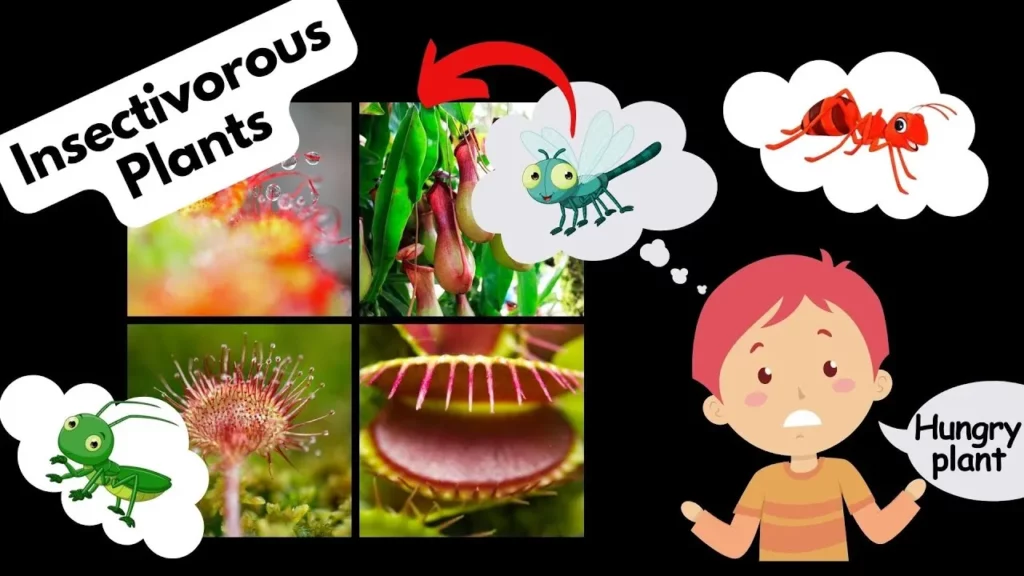
Insectivorous plants, also known as carnivorous plants, have evolved unique adaptations to thrive in nutrient-poor environments like swamps by capturing and digesting insects for additional nutrients. One notable example is the pitcher plant, which lures insects with sweet nectar and traps them inside its jug-like structure. These fascinating plants demonstrate the remarkable ways in which organisms can adapt to their surroundings for survival.
What is eclipse? Solar eclipse and lunar eclipse
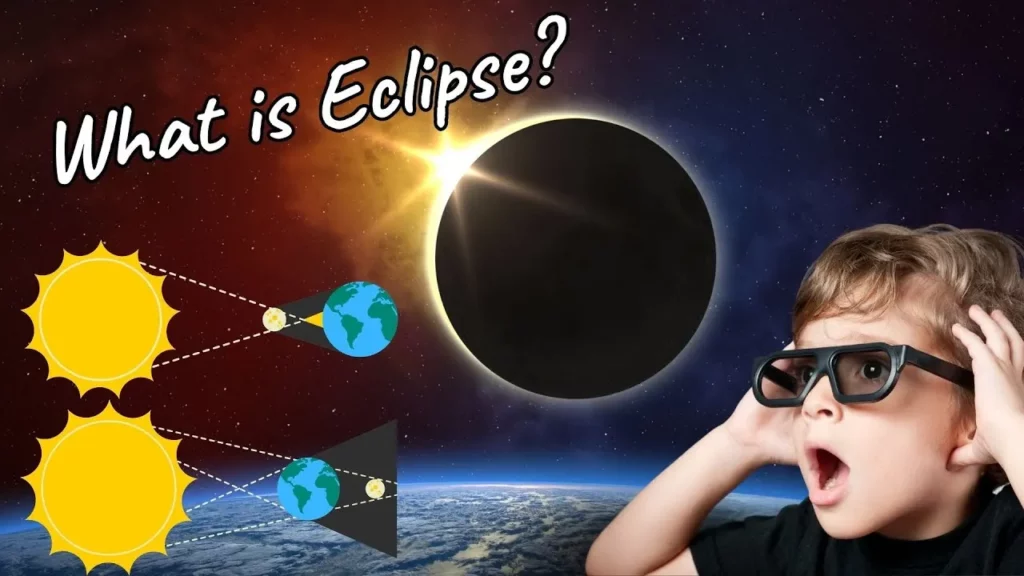
An eclipse occurs when the Sun, Moon, and Earth align in a straight line, causing one celestial body to block sunlight from reaching another, resulting in temporary darkness. There are two main types of eclipses: a solar eclipse, where the Moon blocks the Sun’s light from reaching Earth, and a lunar eclipse, where the Earth blocks sunlight from reaching the Moon, often giving it a reddish hue. Understanding these phenomena helps us appreciate the fascinating interactions between these celestial bodies.
How to draw chick
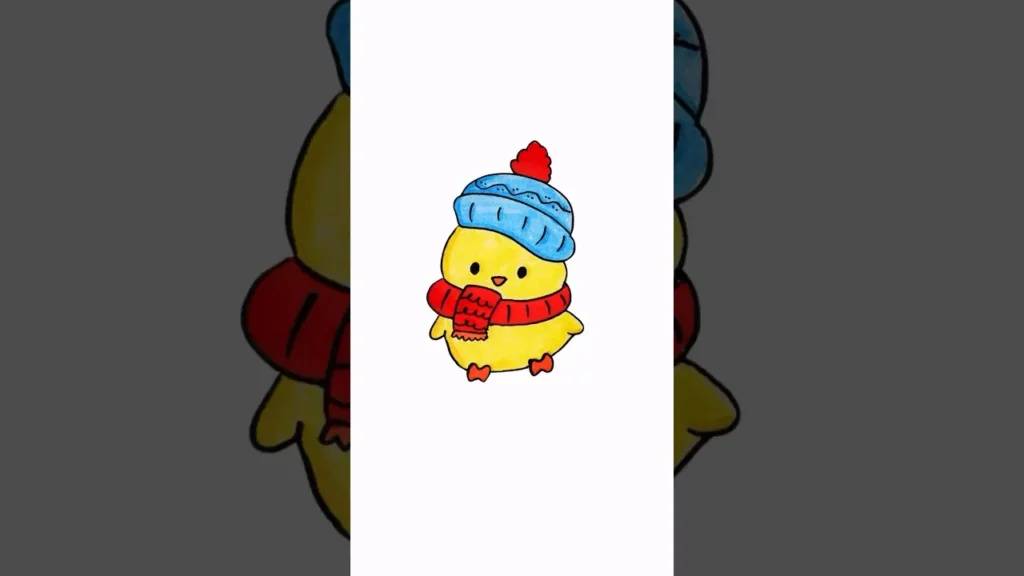
This lesson provides a step-by-step guide on how to draw a cute chick, making it accessible for both aspiring artists and casual creators. It outlines the necessary materials, detailed drawing steps—from sketching the body and head to adding features like the beak, eyes, and wings—and offers tips for coloring and enhancing the drawing. Emphasizing practice and creativity, the lesson encourages learners to enjoy the artistic process while developing their skills.
How to draw a cat
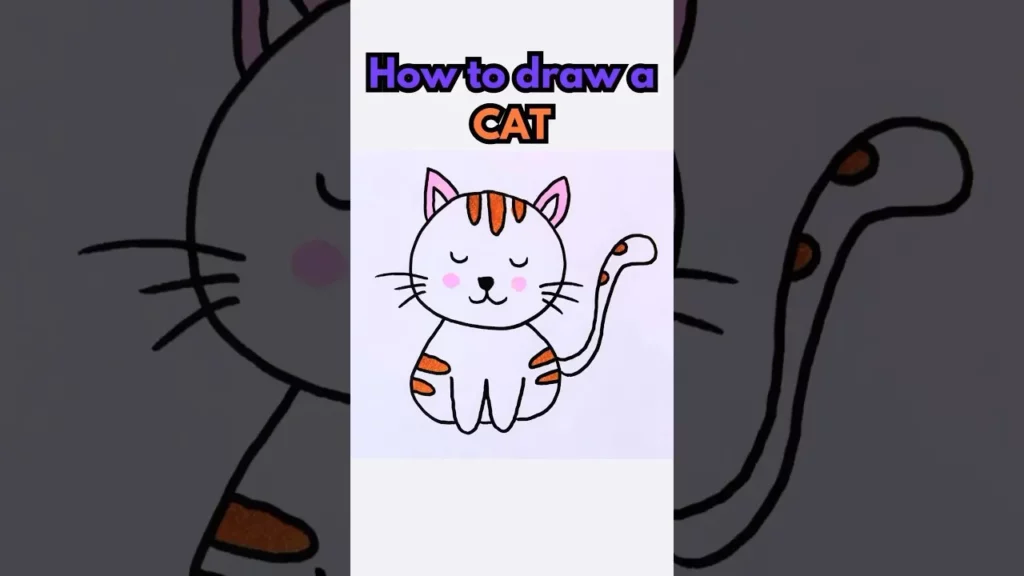
In this lesson, you will learn how to draw a cute cat by following simple, step-by-step instructions. You’ll start by creating the cat’s head, ears, face, body, legs, and tail, and then finish by adding your own colorful touches with crayons or markers. The lesson emphasizes the importance of having fun and using your imagination while drawing.
How to draw a tree
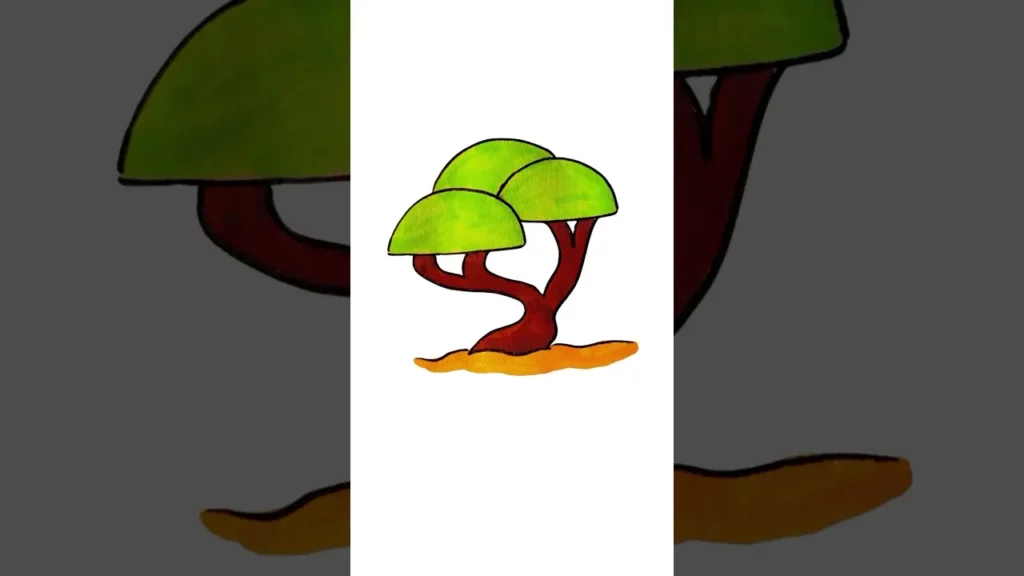
In this lesson, students learn how to draw a tree by following a series of simple steps, starting with the trunk and progressing to branches, leaves, and additional details. The lesson encourages creativity by allowing students to personalize their trees with colors and features like flowers or fruits. It concludes with a fun fact about the importance of trees in providing oxygen, reinforcing their value to the environment.
How to draw a flower
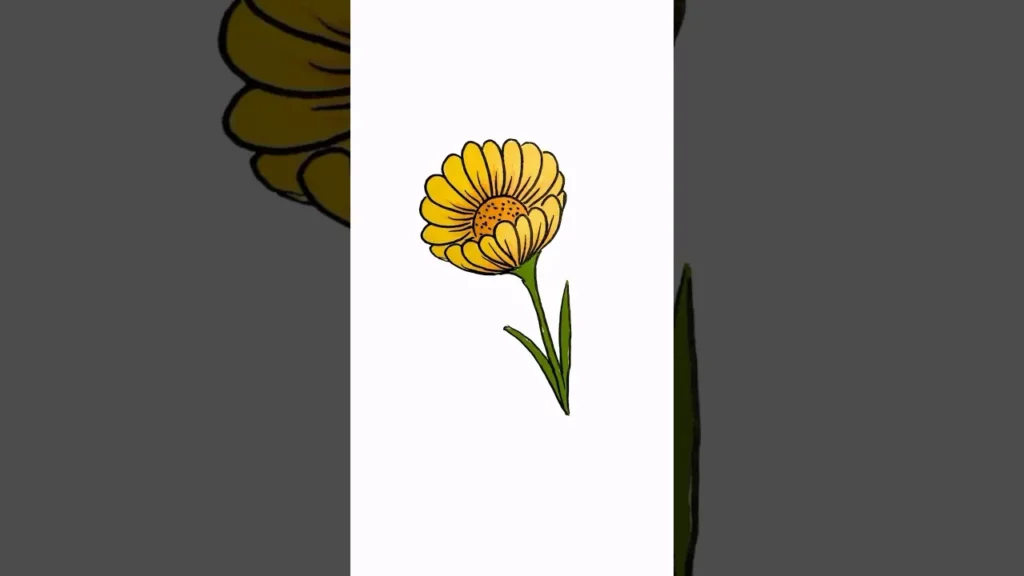
In this lesson, you will learn how to draw a simple flower by following easy, step-by-step instructions. Starting with the center circle, you’ll add petals, a stem, and leaves, before bringing your creation to life with colors. This fun activity not only enhances your drawing skills but also encourages creativity as you explore different flower types and designs.
Draw honeybee and its baby
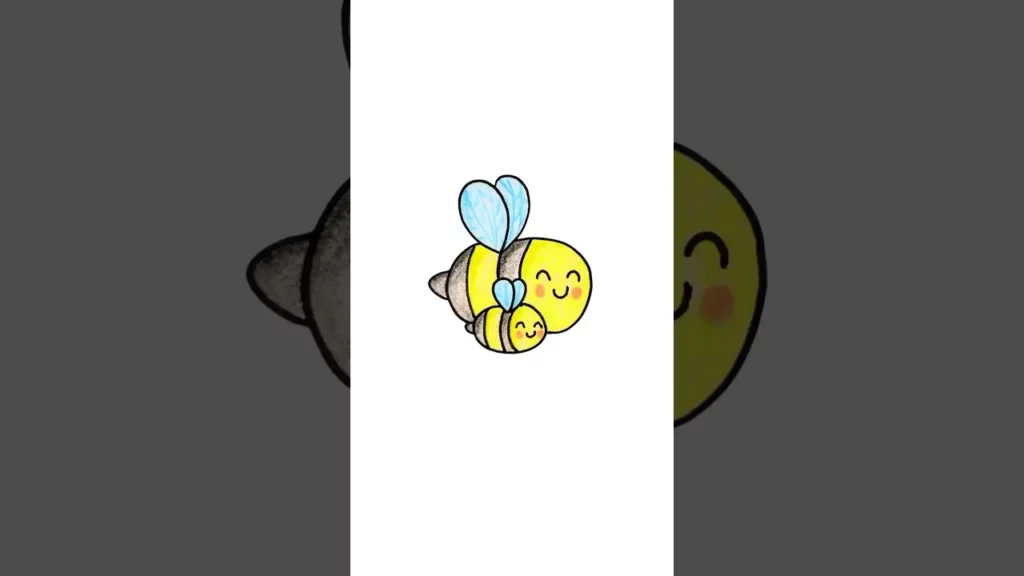
In this lesson, young artists learn about honeybees and their larvae while engaging in a fun drawing activity. They discover the characteristics of honeybees, including their striped bodies and roles within a colony, and then follow step-by-step instructions to draw both a honeybee and its baby, the larva. The lesson emphasizes the importance of honeybees in nature and encourages creativity and practice in drawing.
How to draw a hen
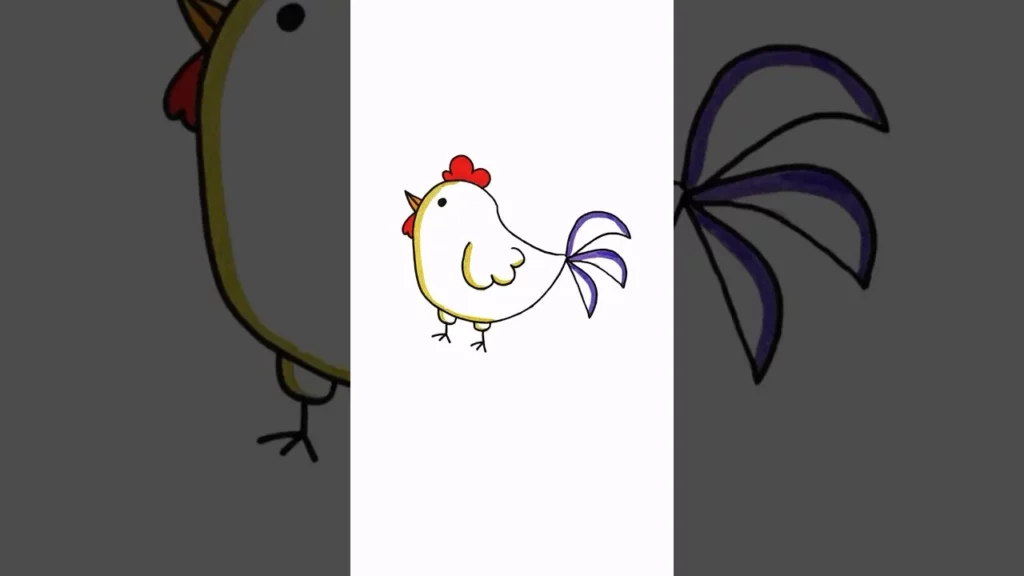
In this lesson, young artists learn how to draw a hen step-by-step, starting with the body and head, and adding features like the beak, eyes, wings, tail, and legs. The lesson encourages creativity by allowing children to color their hen in various shades, fostering both artistic skills and imagination. By the end, students are motivated to continue drawing and explore creating more farm scenes.