
What The History Books Don’t Want You to Know About Pablo Escobar

The lesson explores the dramatic rise and fall of Pablo Escobar, the notorious Colombian drug lord who amassed a fortune of $37 billion through cocaine trafficking. It highlights his extravagant lifestyle, strategic public image as a benefactor, and political ambitions, while also addressing the challenges he faced in managing his vast wealth. Ultimately, the lesson prompts reflection on the implications of inheriting wealth gained from illegal activities, as Escobar’s legacy continues to influence discussions about morality and wealth distribution.
What Love and Marriage was Like Throughout History

The lesson explores the historical evolution of love and marriage, highlighting how societal norms, cultural values, and economic conditions have shaped these concepts over time. From ancient marriages as strategic alliances to the modern emphasis on personal choice and diverse relationship forms, the journey reflects a significant shift towards romantic love and partnership. Understanding this evolution enriches our appreciation of contemporary relationships and the varied ways individuals experience love and commitment today.
The Queen That DROWNED Because She Couldn't Be TOUCHED..
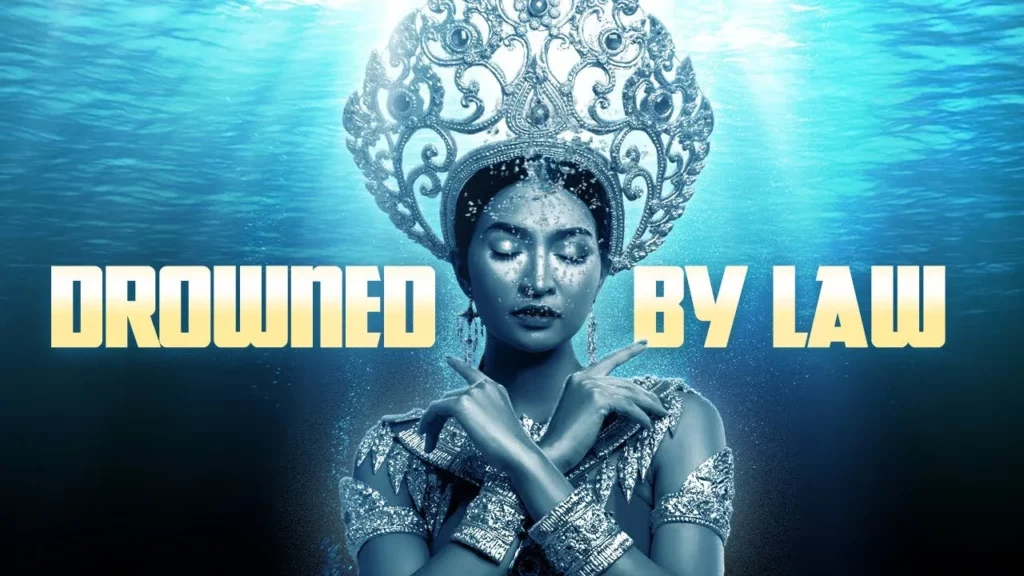
The lesson recounts the tragic story of Queen Sunanda of Siam, who drowned in 1877 due to an ancient law that prohibited commoners from touching royalty, even in life-threatening situations. Despite the presence of guards, their adherence to this law prevented them from rescuing her and her daughter when their boat capsized in the Chao Phraya River. The incident highlights the profound impact of cultural beliefs and legal constraints on human actions, prompting reflection on moral choices in the face of such dilemmas.
Escaping a Communist Country

The lesson highlights the courageous journeys of Jared Jakubeck and Fidel Albello, who risked everything to escape oppressive communist regimes in Czechoslovakia and Cuba, respectively. Both individuals faced immense challenges, including dangerous escape attempts and the emotional toll of leaving family behind, yet their determination ultimately led them to freedom and new beginnings in Canada and the United States. Their stories serve as powerful reminders of the human spirit’s resilience in the pursuit of liberty.
What Punishment was Like in China
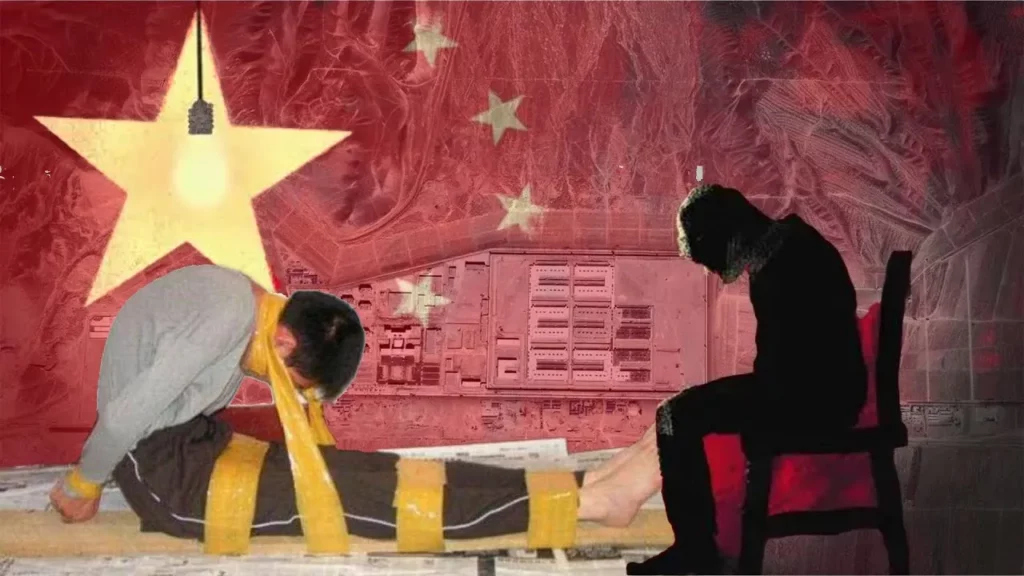
The lesson on “Understanding Historical Punishments in China” explores the intricate relationship between punishment, cultural philosophies, and societal norms in ancient China. It highlights how Confucianism and Legalism shaped punitive measures, ranging from physical penalties like flogging and execution to symbolic acts such as public shaming and exile, all aimed at maintaining social order and encouraging rehabilitation. The evolution of these practices over time reflects changing political and social dynamics, offering valuable insights into the development of legal systems and cultural traditions.
What Life was Like for Koreans During The Vietnam War

The lesson explores the significant involvement of South Korea in the Vietnam War, highlighting its deployment of nearly 350,000 troops, making it the largest contributor after the U.S. Initially sending non-combatants, South Korea later transitioned to combat roles with divisions like the Fierce Tigers, Blue Dragons, and White Horses, who engaged in intense fighting and faced controversies over war crimes. The war’s aftermath not only shaped South Korea’s military reputation but also had lasting economic impacts due to U.S. aid, influencing the country’s development and its role in future international conflicts.
The Filthy Hygiene of Mongols
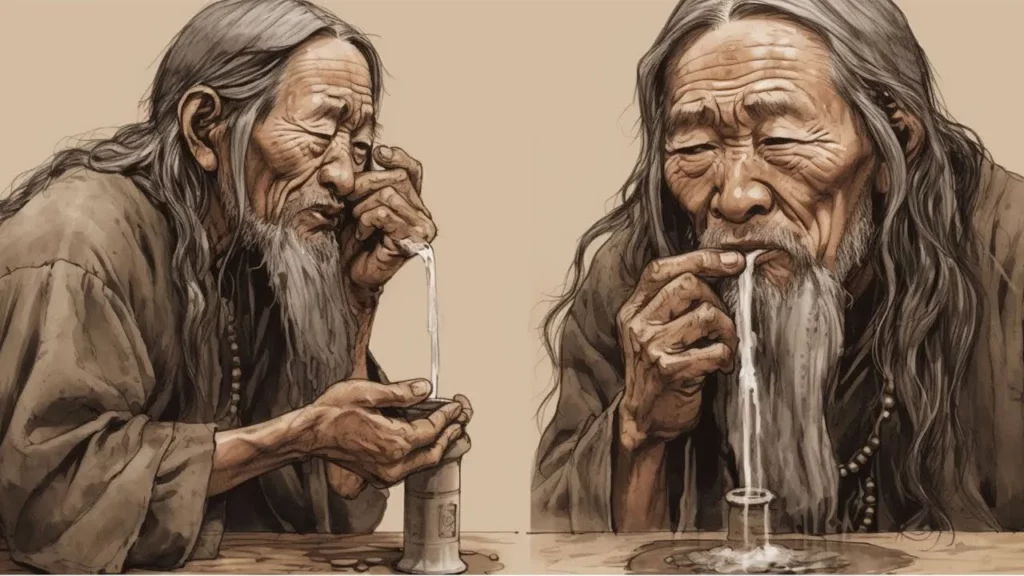
The lesson explores the unique hygiene practices and lifestyle of the Mongol Empire, highlighting how their harsh environment influenced their daily habits. Due to a scarcity of water, the Mongols rarely washed their clothes or bathed, leading to notable observations from foreign travelers about their cleanliness. Despite these practices, they maintained a distinct culture, with important customs around grooming, diet, and health that shaped their society during the 13th and 14th centuries.
The Cargo Cult that Worships America
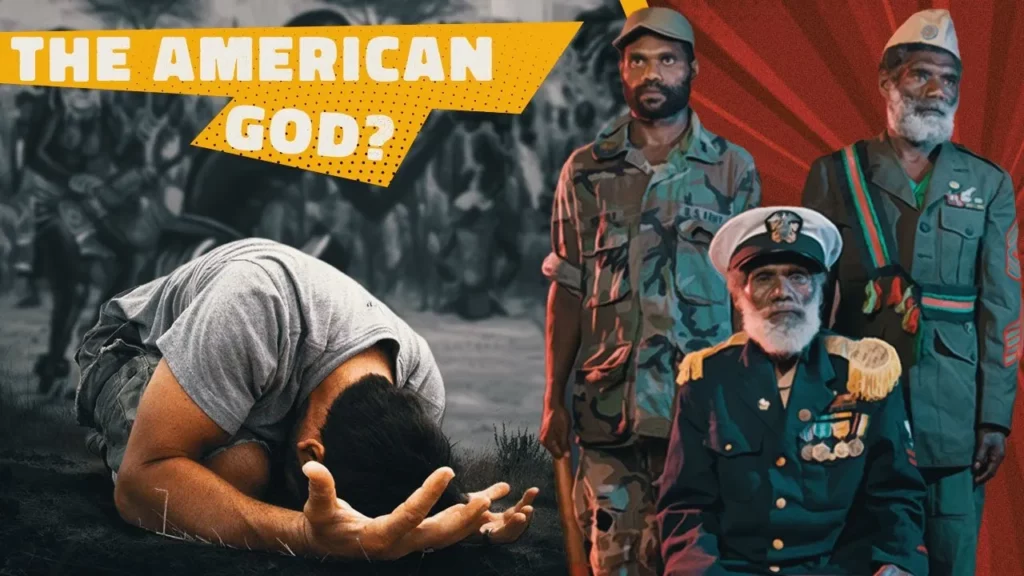
The lesson explores the intriguing phenomenon of the John Frum cargo cult on Tana Island in Vanuatu, where islanders worship a figure believed to be a friendly American who promised them wealth and modern goods. Originating during the colonial era and gaining momentum during World War II, the cult reflects the islanders’ response to foreign influence and their hope for material prosperity, leading them to perform rituals and celebrate John Frum Day. Despite the departure of American forces, the belief in John Frum’s eventual return endures, highlighting the complex ways cultures interpret and adapt to external events.
The History behind Flat Earth Theory

The lesson explores the historical context and modern resurgence of Flat Earth theory, emphasizing that while the Earth is scientifically proven to be round, the theory has gained traction through social media and conspiracy culture. It highlights the influence of historical figures and the misconceptions surrounding the spherical Earth, as well as the role of public figures in popularizing these ideas. Ultimately, the lesson encourages critical thinking and a balanced understanding of scientific truths amidst the rise of conspiracy theories.
The Untold Story of The Tudor Woman that was "Crushed to Death"
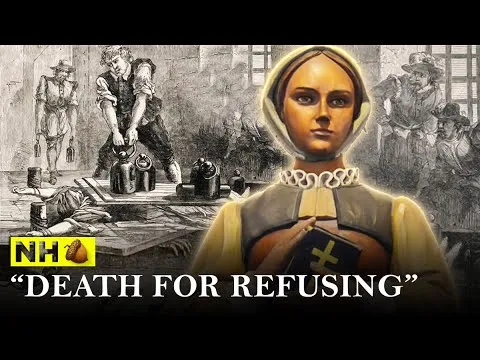
The lesson recounts the courageous story of Margaret Clitheroe, a devout Catholic woman in Elizabethan England who defied the religious persecution of her time. Despite facing a brutal death sentence for refusing to plead in her trial, she remained steadfast in her beliefs, ultimately becoming a martyr and earning the title “Pearl of York.” Her legacy serves as a testament to the strength of conviction and the sacrifices made for faith.