
Donald Trump: What Happened Before the White House?

The lesson explores the formative years of Donald Trump, detailing his early life, family background, education, and business ventures that shaped his character and public persona. It highlights his upbringing in a wealthy family, his tumultuous childhood, and his rise in the real estate industry, alongside his personal life and evolving political views. This background provides context for understanding the complexities of Trump as a public figure and his eventual ascent to the presidency.
Pablo Escobar : Colombian Drug Lord and Narcoterrorist
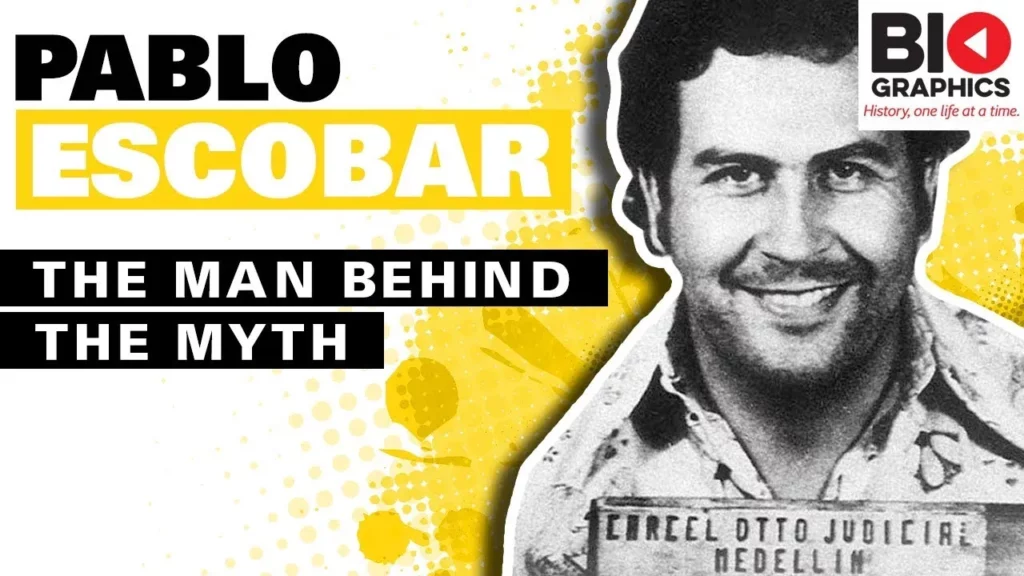
The lesson on Pablo Escobar outlines his rise from a middle-class upbringing to becoming one of the most notorious drug lords in history, dominating the Colombian cocaine trade through violence and corruption. Despite his initial success and attempts to gain political power, his criminal activities ultimately led to his downfall, culminating in his death in 1993 during a police shootout. Escobar’s legacy remains significant, as it continues to shape conversations around drug trafficking and its societal impacts in Colombia and beyond.
George W. Bush: A Controversial Presidency

The lesson explores the life and presidency of George W. Bush, highlighting his early life, political career, and the significant events that defined his time in office, particularly the September 11 attacks and the controversial invasion of Iraq. Despite facing fluctuating approval ratings and criticism, Bush’s presidency is characterized by his responses to national crises and his efforts in governance. The lesson concludes by acknowledging the ongoing debate surrounding his legacy and the complexities of leadership during tumultuous times.
Jim Jones: Progressive to Predator
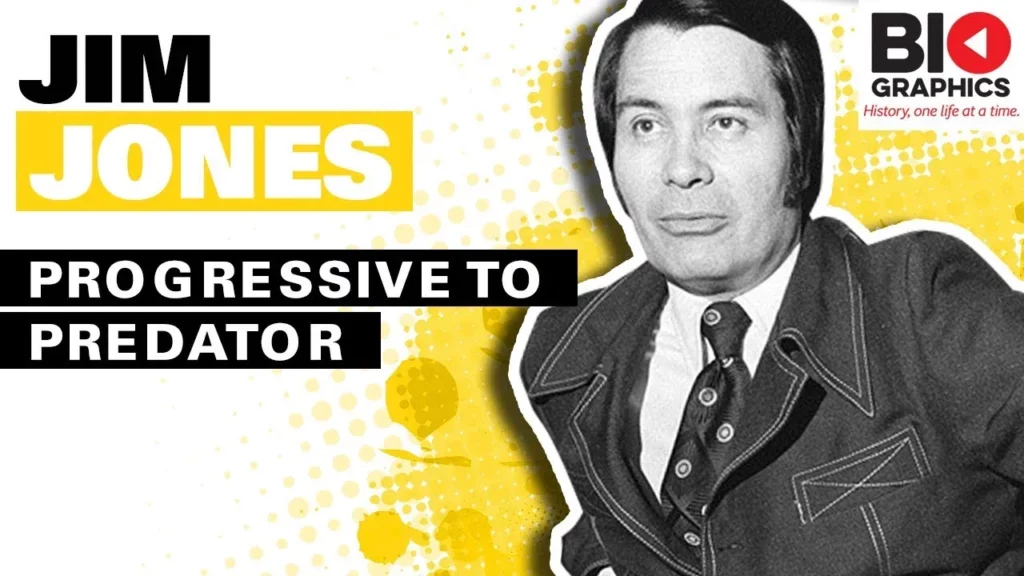
The lesson on Jim Jones explores his transformation from a charismatic leader advocating for social change to the orchestrator of a tragic mass suicide in Jonestown. It highlights his troubled upbringing, rise to power through the People’s Temple, and the eventual descent into manipulation and control that led to the loss of over 900 lives. This cautionary tale underscores the dangers of unchecked authority and the importance of critical thinking in the face of charismatic leadership.
The Unabomber: The Devastating Use of a Brilliant Mind
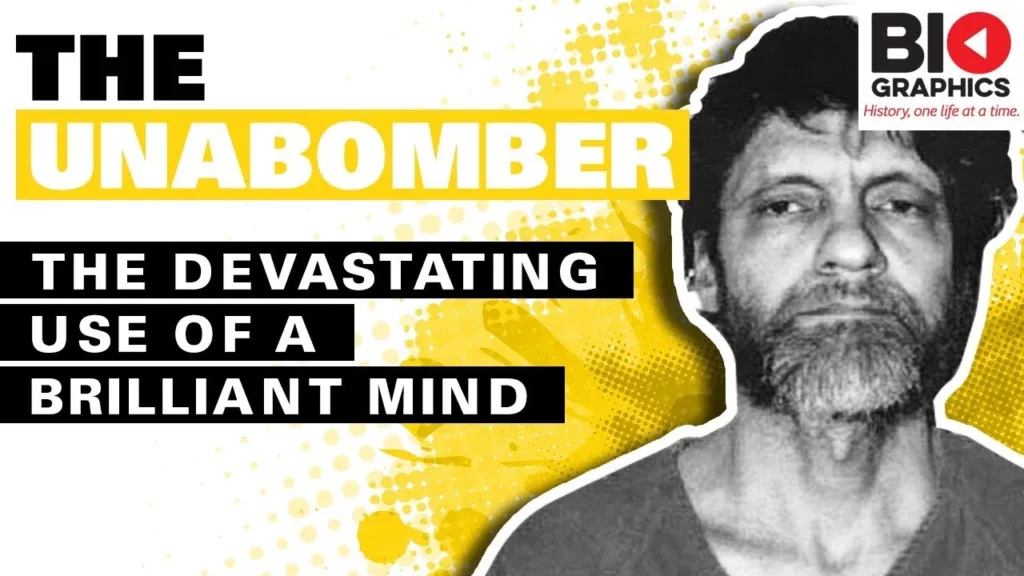
The lesson explores the life and actions of Ted Kaczynski, known as the Unabomber, who evaded capture for nearly 20 years while carrying out a bombing campaign against individuals associated with modern technology, resulting in three deaths and numerous injuries. It delves into his early life, academic achievements, and the development of his anti-technology ideology, which ultimately led to his violent actions. Kaczynski’s capture in 1996 was facilitated by the recognition of his writing style in his manifesto, and he is currently serving multiple life sentences in prison.
Heinrich Himmler: The Greatest Betrayal in History
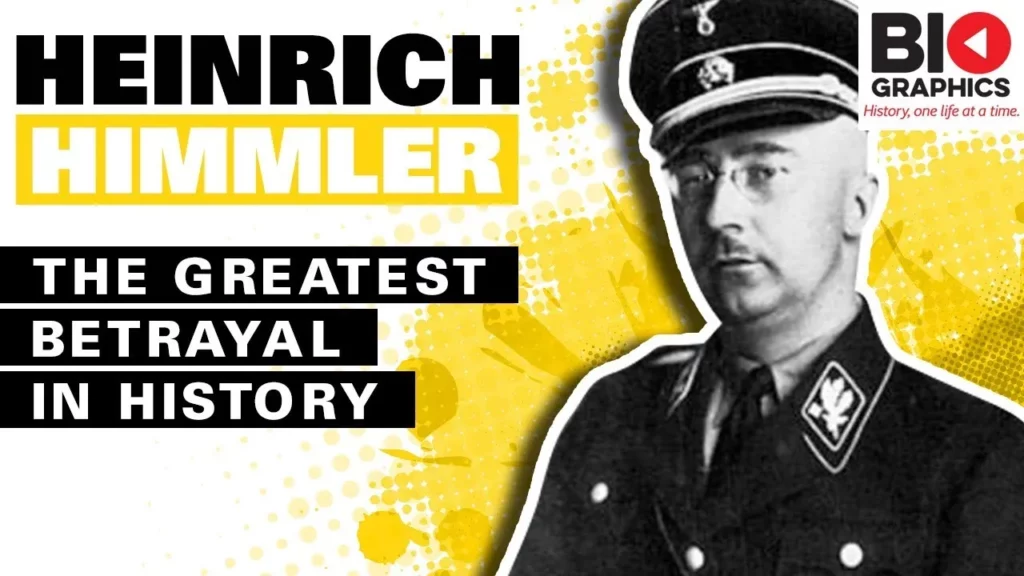
The lesson on Heinrich Himmler explores his rise as a key figure in the Nazi regime, detailing his transformation from a devoted follower of Hitler to a powerful enforcer responsible for the Holocaust. Despite his initial loyalty and significant influence within the Nazi hierarchy, Himmler’s attempts to negotiate with the Allies in the war’s final days and his eventual suicide highlight the tragic irony of his betrayal of Hitler and the brutal legacy he left behind. Ultimately, the lesson underscores Himmler’s role in one of history’s greatest atrocities and the complexities of loyalty and betrayal within totalitarian regimes.
Josef Mengele: The Angel of Death
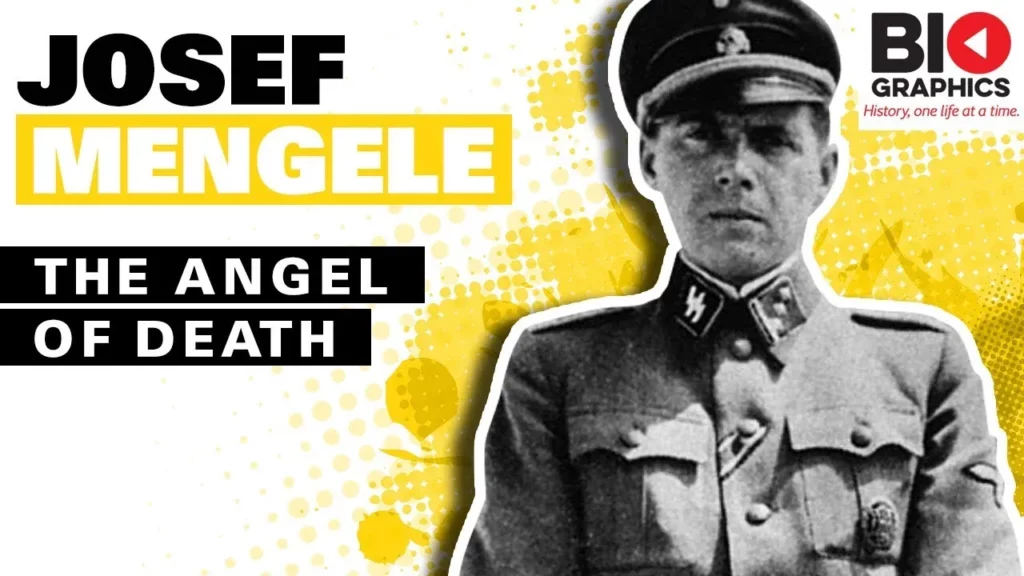
The lesson emphasizes the importance of setting boundaries and recognizing when to decline requests for assistance. It highlights the need for clear communication and the value of prioritizing one’s own limitations and responsibilities. Ultimately, it teaches that it’s okay to say no when necessary.
The Buddha: The Spiritual Journey that Became a Religion
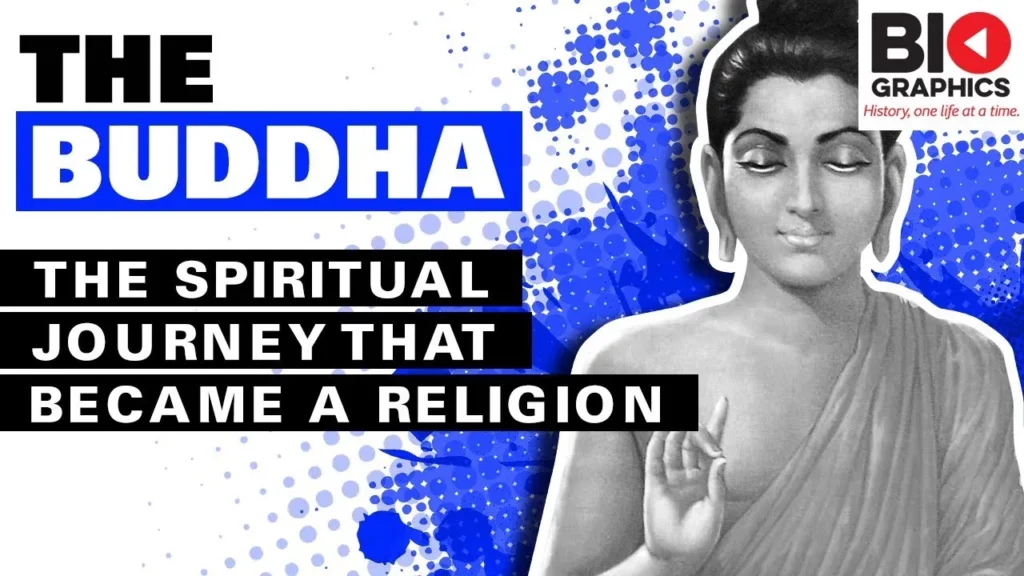
The lesson explores the life and teachings of Siddhartha Gautama, known as “The Buddha,” who embarked on a spiritual journey that led to the founding of Buddhism, a major world religion with approximately 376 million followers. After experiencing the realities of suffering outside his royal life, Siddhartha sought enlightenment through meditation and the discovery of the “Four Noble Truths,” which address the nature of suffering and its cessation. His teachings emphasize personal experience and moral living as pathways to enlightenment, leaving a lasting legacy that continues to inspire millions.
Charles Manson: The Cult of the Manson Family
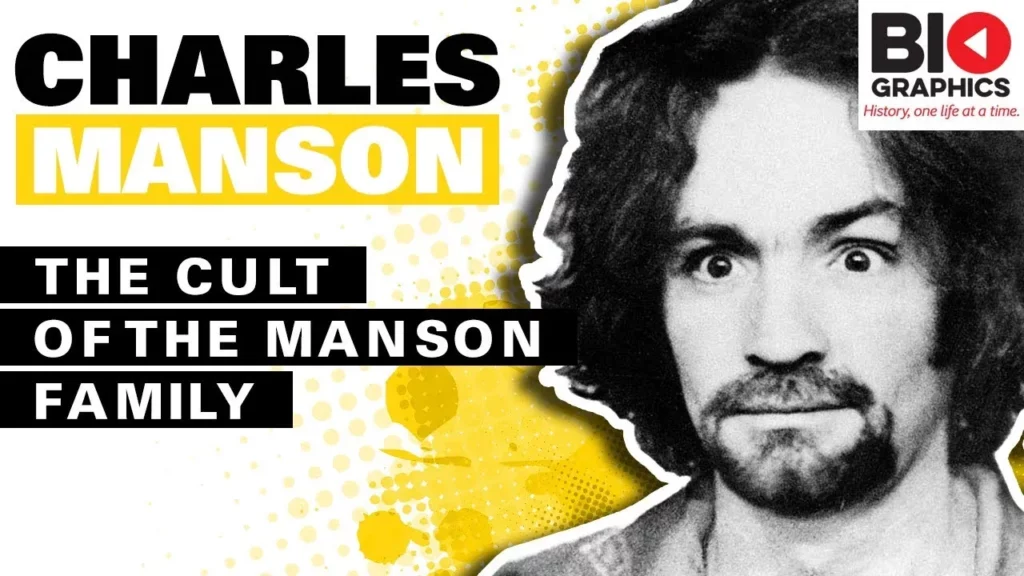
The lesson on Charles Manson explores his troubled upbringing, which fostered a cycle of crime and violence that culminated in the formation of the Manson Family cult. Manson’s manipulative charisma and obsession with a race war led to the orchestrated murders of the Tate-LaBianca killings, shocking the nation and resulting in his life imprisonment. This case serves as a stark reminder of the psychological influences and unstable environments that can drive individuals to commit horrific acts.
Saddam Hussein: The Butcher of Baghdad
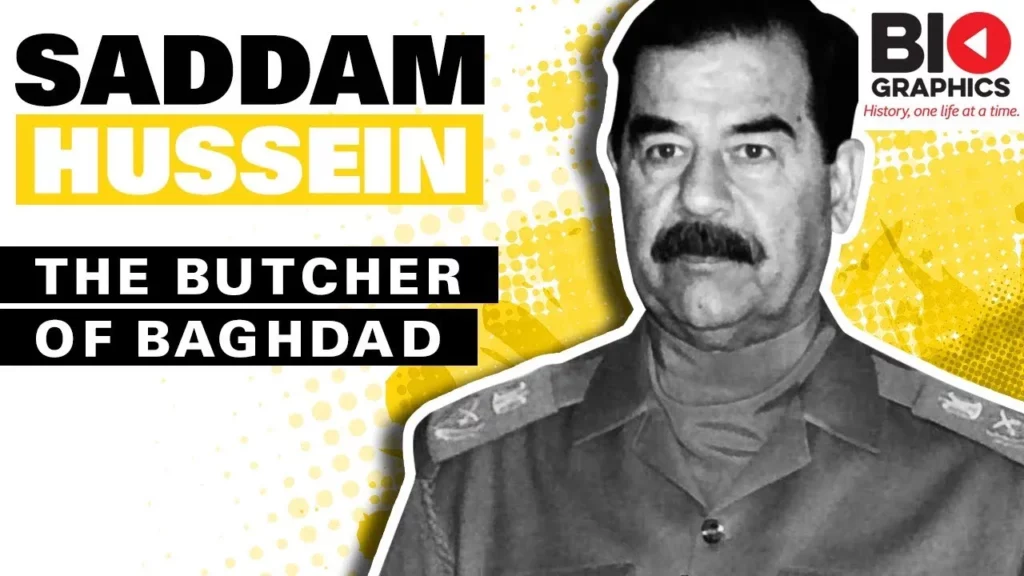
The lesson on Saddam Hussein explores his tumultuous early life, rise to power, and the controversial reign that defined his legacy as a dictator. Born into poverty, he became a prominent figure in the Ba’ath Party, leading Iraq through significant reforms and brutal repression. His aggressive foreign policies, including wars with Iran and the invasion of Kuwait, ultimately led to his downfall and execution, leaving a profound impact on Iraq and global politics.