
Fidel Castro: To the Brink of Nuclear Holocaust
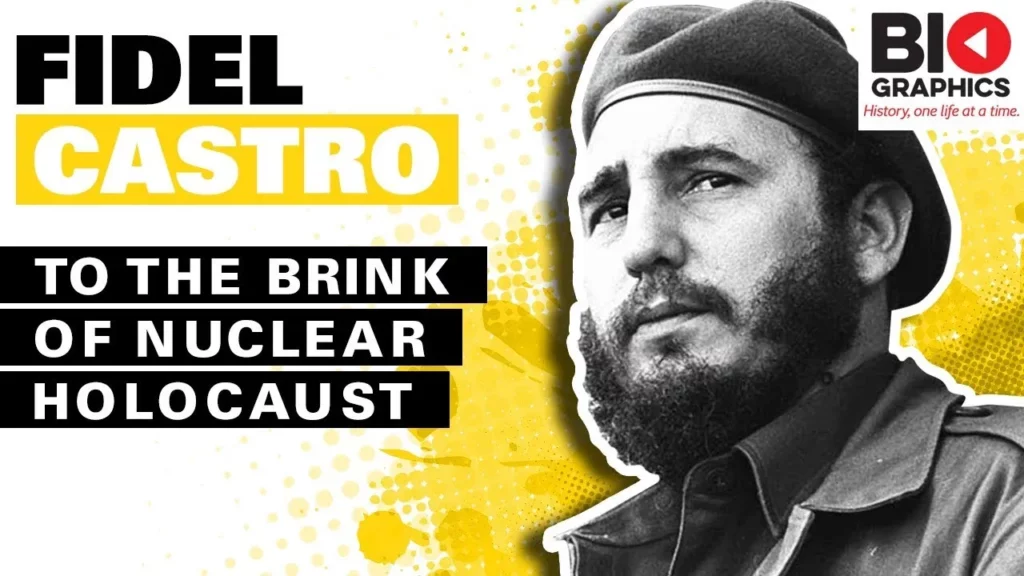
The lesson on Fidel Castro explores his journey from a troubled youth in Cuba to a revolutionary leader who played a pivotal role in shaping the country’s political landscape. It highlights his early life, political activism, rise to power, and the establishment of a totalitarian regime, culminating in significant events such as the Bay of Pigs invasion and the Cuban Missile Crisis. Ultimately, the lesson reflects on Castro’s legacy, including his economic struggles and eventual decline, leading to his death in 2016.
Jeffrey Dahmer: The Trophy Collector

The lesson on Jeffrey Dahmer explores the life and criminal activities of one of history’s most notorious serial killers, who murdered 17 men over 13 years. It examines his troubled upbringing, escalating criminal behavior, arrest, trial, and eventual death in prison, highlighting the psychological factors that contributed to his actions. Dahmer’s legacy serves as a haunting reminder of the complexities of human nature and the impact of his crimes on society.
Benito Mussolini: The Man Who Destroyed Democracy
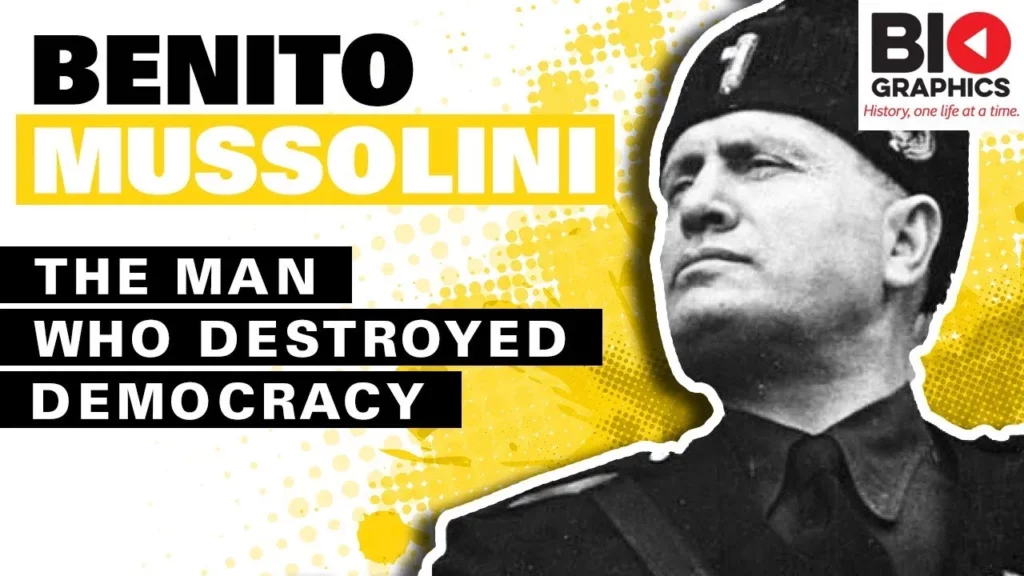
The lesson on Benito Mussolini outlines his journey from a rebellious youth to the leader of a totalitarian regime that dismantled democracy in Italy. Initially influenced by socialist ideals, Mussolini’s political activism led to the founding of the Fascist Party, which gained power amid Italy’s post-World War I instability. His regime was characterized by violent suppression of opposition, aggressive foreign policies, and ultimately, his downfall and execution as World War II progressed, highlighting the destructive impact of his leadership on Italian democracy.
Niccolo Machiavelli: “It is Better to Be Feared Than Loved… If You Cannot be Both”
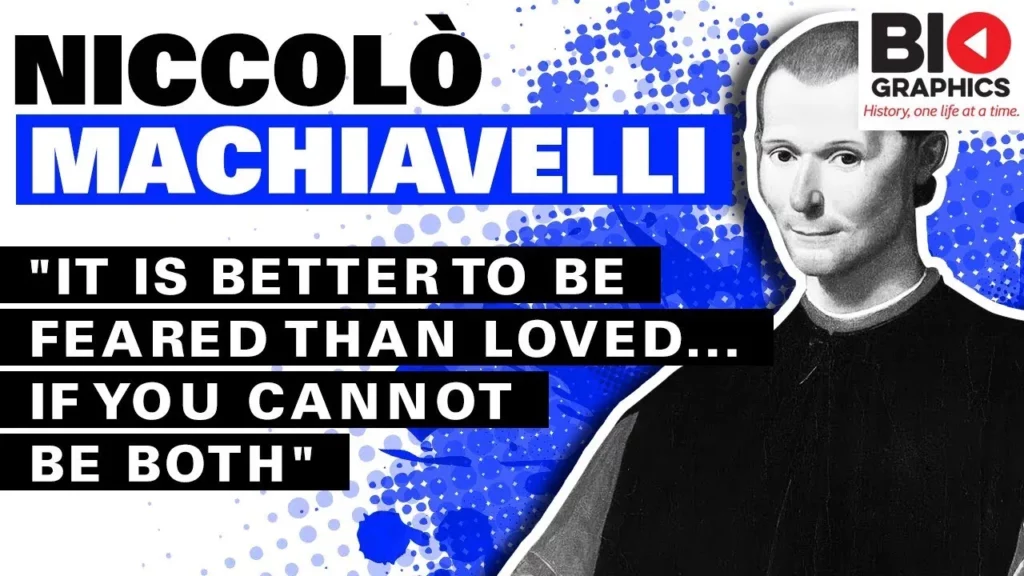
Niccolò Machiavelli’s lesson emphasizes the pragmatic approach to power, encapsulated in his assertion that “it is better to be feared than loved, if you cannot be both,” as articulated in his seminal work, *The Prince*. Through his experiences in a politically tumultuous Italy, Machiavelli advocates for the separation of ethics from statecraft, arguing that effective leadership often requires ruthless decisions to maintain stability and control. His writings have sparked extensive debate about the nature of power and governance, solidifying his legacy as a pivotal figure in modern political theory.
Christopher Columbus: Bad Explorer, Great Conman
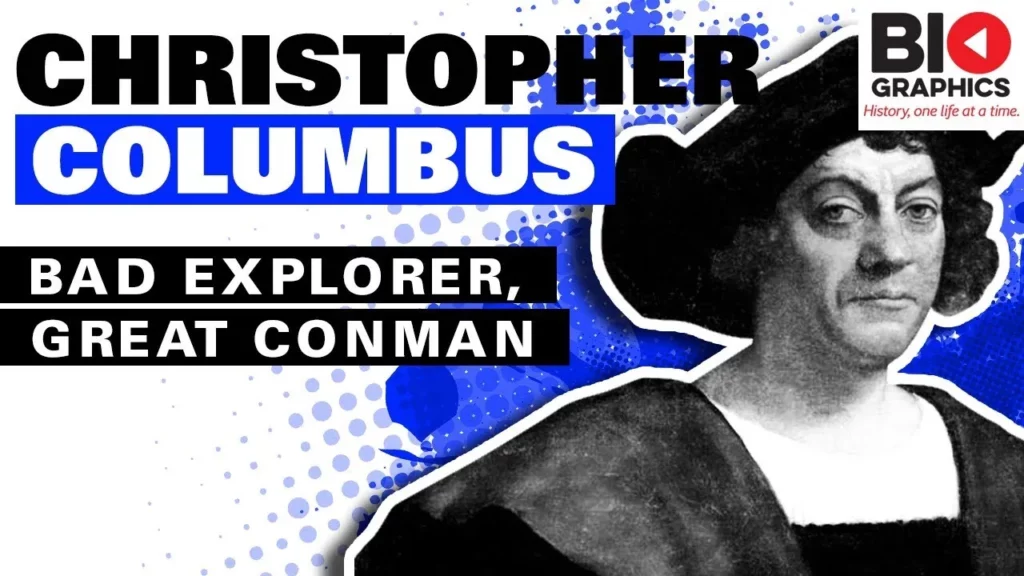
The lesson on Christopher Columbus explores his dual legacy as both an explorer and a controversial figure. Initially celebrated for “discovering” America, Columbus’s actions towards indigenous peoples, driven by greed for gold and slaves, have led to significant criticism and debate about his impact on history. Ultimately, his quest for wealth and power resulted in his downfall, leaving behind a complex legacy marked by exploration and exploitation.
Adolf Eichmann: The Architect of the Holocaust
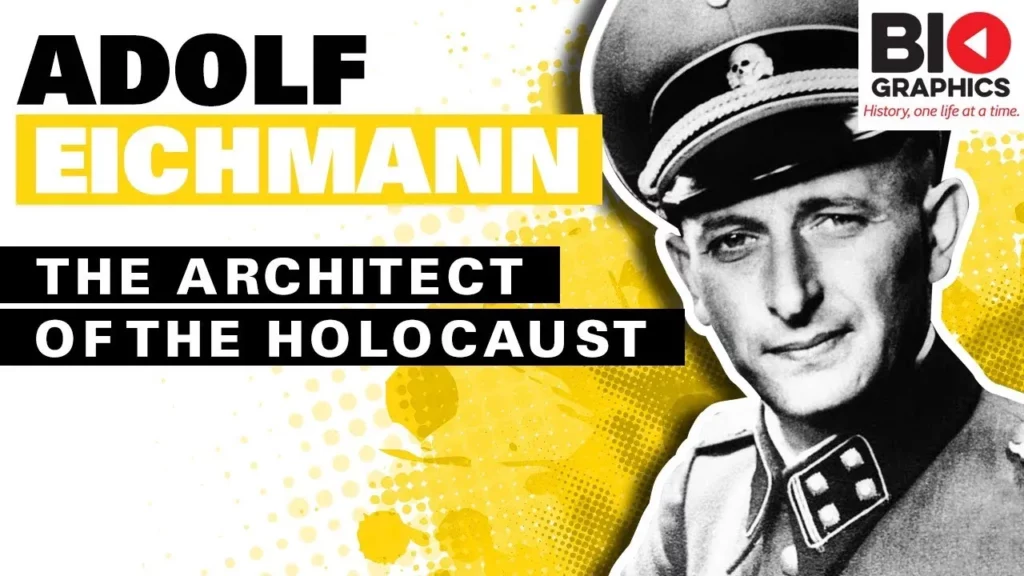
Adolf Eichmann, a key figure in the Holocaust, was an ordinary man whose ruthless efficiency and commitment to following orders enabled the Nazi regime’s mass murder operations. His rise from a shy, unsuccessful youth to a specialist in Jewish affairs culminated in his orchestration of the deportation and extermination of millions during World War II. Captured after the war, Eichmann’s trial in 1961 highlighted the horrors of the Holocaust and underscored the importance of confronting hatred and injustice, ultimately leading to his execution in 1962.
Maximilien Robespierre: The Reign of Terror
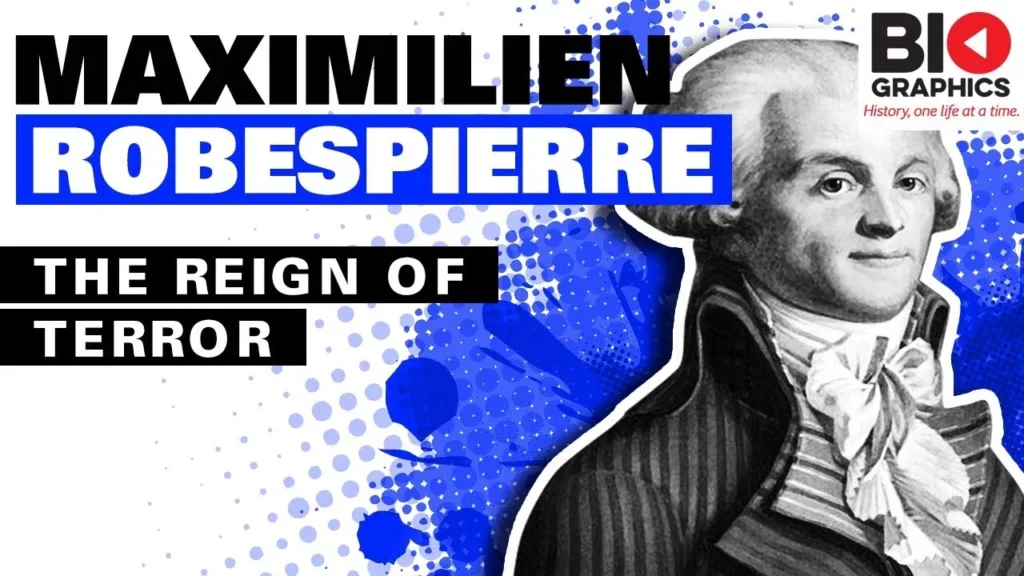
Maximilien Robespierre, a prominent leader during the French Revolution, initially aimed to establish a fair government but ultimately led the country into the Reign of Terror, characterized by mass executions, including that of the monarchy. Influenced by Enlightenment ideals, his radical approach to governance and paranoia resulted in the persecution of perceived enemies, including former allies. Robespierre’s downfall came in 1794 when public sentiment turned against him, leading to his execution and highlighting the perils of absolute power and radicalism.
Vlad the Impaler: The Real Life Dracula
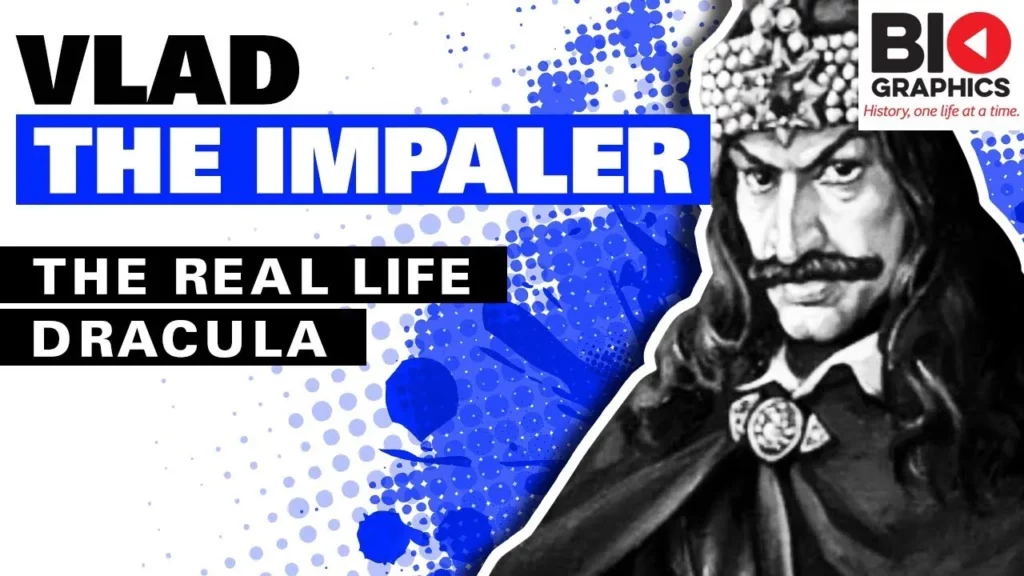
The lesson on Vlad the Impaler, also known as Vlad Dracula, explores the duality of his legacy as both a feared tyrant and a national hero in Romania. Born into a tumultuous political landscape, Vlad’s experiences as a hostage and his brutal reign against the Ottoman Empire shaped his infamous reputation, characterized by extreme measures and psychological warfare. Ultimately, his complex life story illustrates the fine line between heroism and villainy, leaving a lasting impact on history and popular culture.
Emperor Hirohito: Bold Leader or War Criminal?
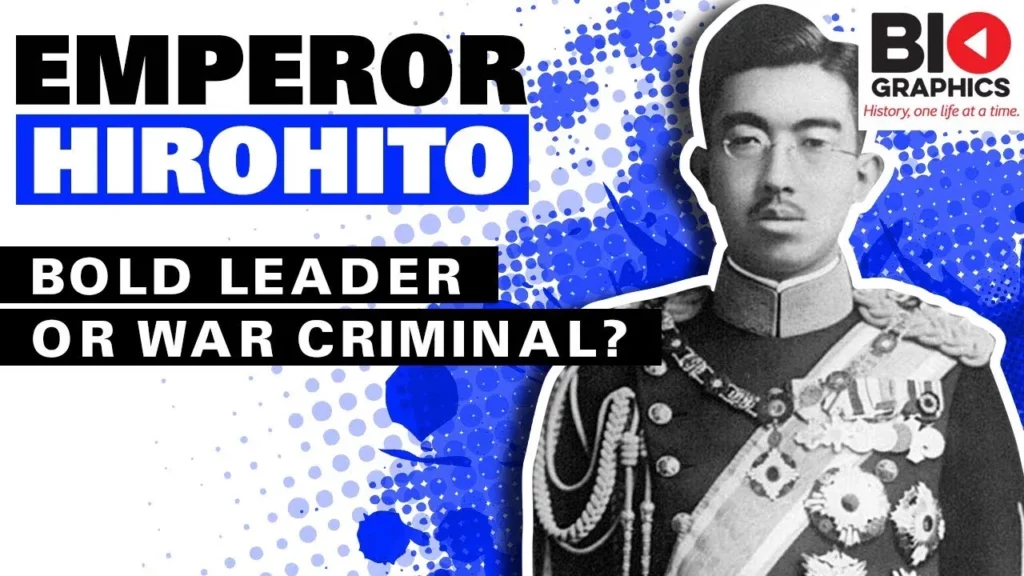
The lesson on Emperor Hirohito examines his long reign over Japan during a period marked by significant conflict, including World War II, and explores the complexities of his legacy as both a leader and a figure of controversy. Initially a symbolic monarch, Hirohito’s role evolved as Japan’s military expanded aggressively, often without his consent, leading to debates about his responsibility for wartime actions. Ultimately, his post-war transition to a constitutional monarch and his efforts to rebuild Japan contributed to a legacy that remains both respected and scrutinized.
Julius Caesar: A Roman Colossus
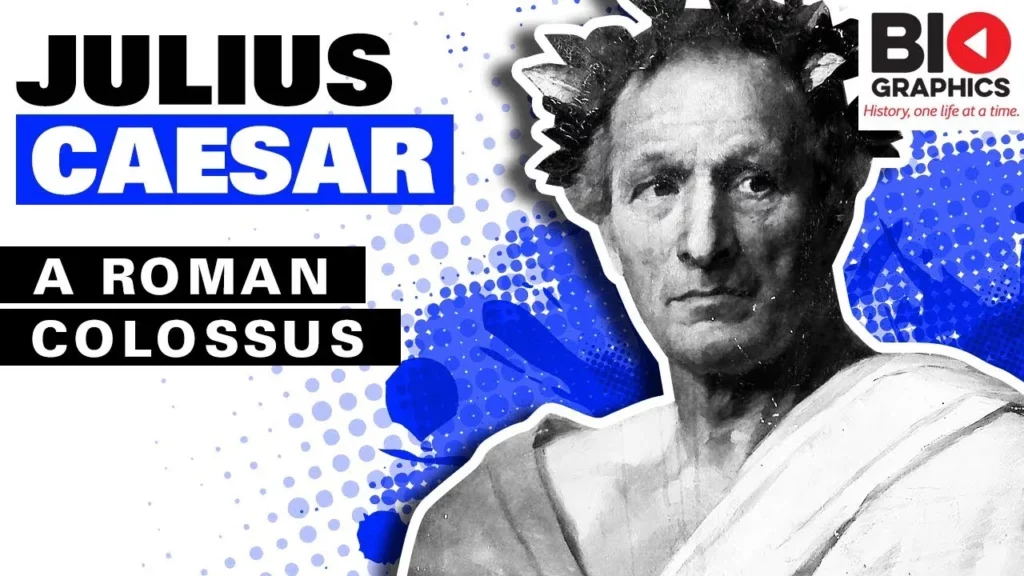
The lesson on Julius Caesar explores the life and legacy of one of history’s most significant figures, highlighting the dangers of unchecked power. Born into a politically connected family, Caesar rose to prominence through military success and strategic alliances, ultimately becoming dictator for life. His reign ended abruptly with his assassination on the Ides of March, illustrating the volatile nature of political ambition and the consequences of autocratic rule.