
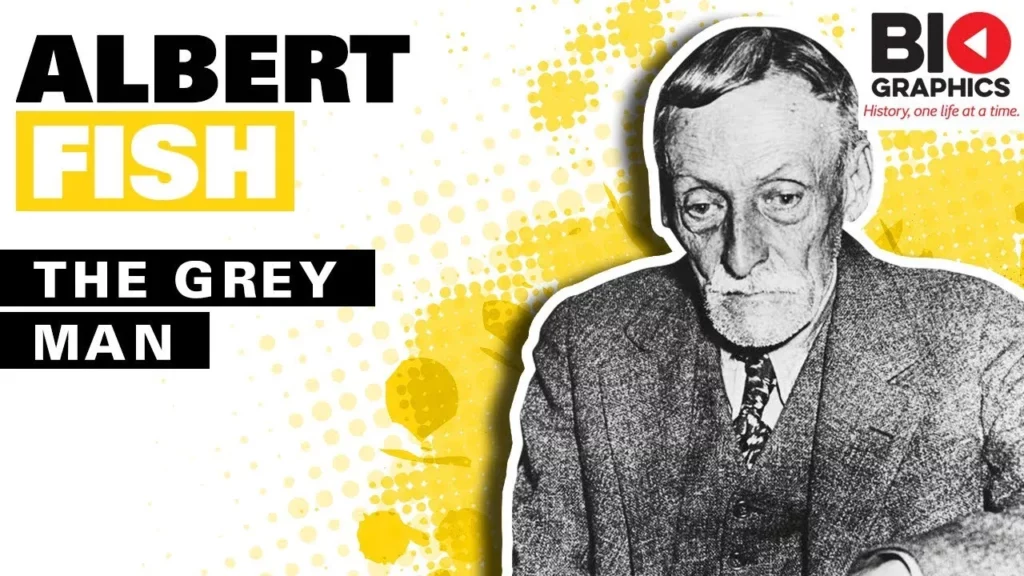
Albert Fish: The Grey Man
The lesson emphasizes the importance of setting boundaries and recognizing limitations in communication. It highlights that it’s okay to decline requests that may be inappropriate or beyond one’s capacity to assist with, promoting self-awareness and assertiveness in interactions.
Chernobyl: The USSR’s Nuclear Disaster

The lesson on Chernobyl explores the catastrophic nuclear disaster that occurred on April 26, 1986, when Reactor number four at the Chernobyl Nuclear Power Plant exploded, releasing a massive amount of radioactive material into the atmosphere. The disaster not only resulted in immediate fatalities and long-term health consequences for first responders and residents but also eroded public trust in the Soviet government and contributed to the eventual collapse of the USSR. Today, the Chernobyl exclusion zone serves as a wildlife reserve and a reminder of the lasting impact of nuclear energy mishaps, highlighting the importance of safety and transparency in such industries.
Stan Lee: The Godfather of Marvel Comics

The lesson explores the life and legacy of Stan Lee, the influential creator behind iconic Marvel superheroes like Spider-Man and Iron Man. It highlights his early struggles, rise to prominence in the comic industry, and his innovative approach to storytelling that made superheroes relatable. Lee’s impact extended beyond comics into film, where he played a crucial role in establishing Marvel as a major entertainment powerhouse, leaving a lasting legacy that continues to inspire future generations.
Khutulun: The Mongol Warrior Princess
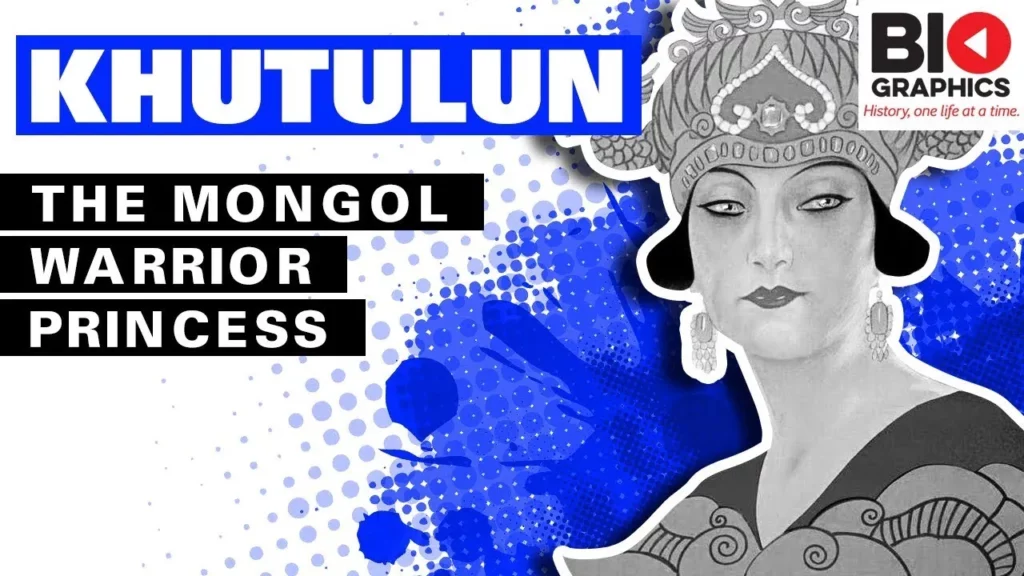
The lesson on Khutulun, the Mongol warrior princess, highlights her remarkable achievements as a skilled fighter and her unique position in a male-dominated society. As the great-great-granddaughter of Genghis Khan, she defied traditional gender roles by excelling in wrestling and warfare, ultimately collecting thousands of horses from suitors who challenged her. Despite her prowess and her father’s wish for her to succeed him, Khutulun’s life ended in mystery, but her legacy as a strong and independent figure continues to inspire.
Mohandas Gandhi: A Catalyst for Change
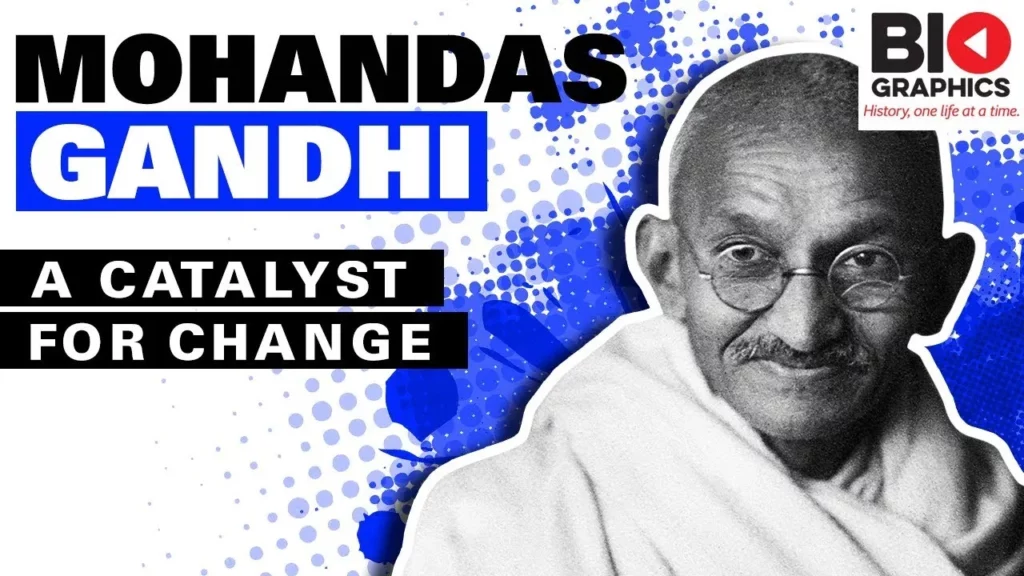
The lesson on Mohandas Gandhi highlights his journey from a shy child in India to a prominent leader advocating for non-violent resistance and social justice. It details his early life, education, and transformative experiences in South Africa that shaped his philosophy of Satyagraha, leading to his pivotal role in India’s struggle for independence. Gandhi’s legacy as a catalyst for change and his commitment to non-violence continue to inspire movements for justice around the world.
Leonardo da Vinci: The Renaissance Man
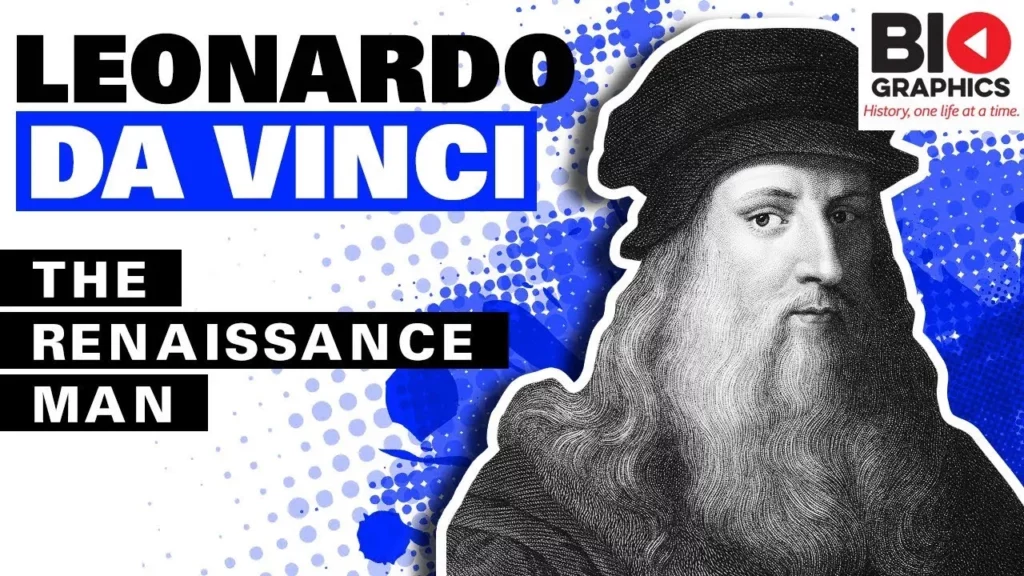
The lesson on Leonardo da Vinci highlights his remarkable versatility as a “Renaissance Man,” excelling in diverse fields such as art, science, and engineering. Born in 1452 in Vinci, Italy, he faced challenges due to his illegitimate status but ultimately became a master artist and innovator, known for masterpieces like *The Mona Lisa* and *The Last Supper*. His life journey, marked by artistic achievements and personal exploration, underscores his enduring influence on art and science, culminating in a legacy that continues to inspire.
Jeff Bezos: The Founder of Amazon

The lesson explores the life and achievements of Jeff Bezos, the founder of Amazon, detailing his early life, education, and the inception of the company. It highlights his innovative approach to business, strong leadership skills, and commitment to customer satisfaction, which contributed to Amazon’s transformation into a trillion-dollar enterprise. Additionally, the lesson touches on Bezos’s philanthropic efforts and his vision for the future, including his interest in space exploration through his company, Blue Origin.
Hermann Goering: The Head of the Luftwaffe
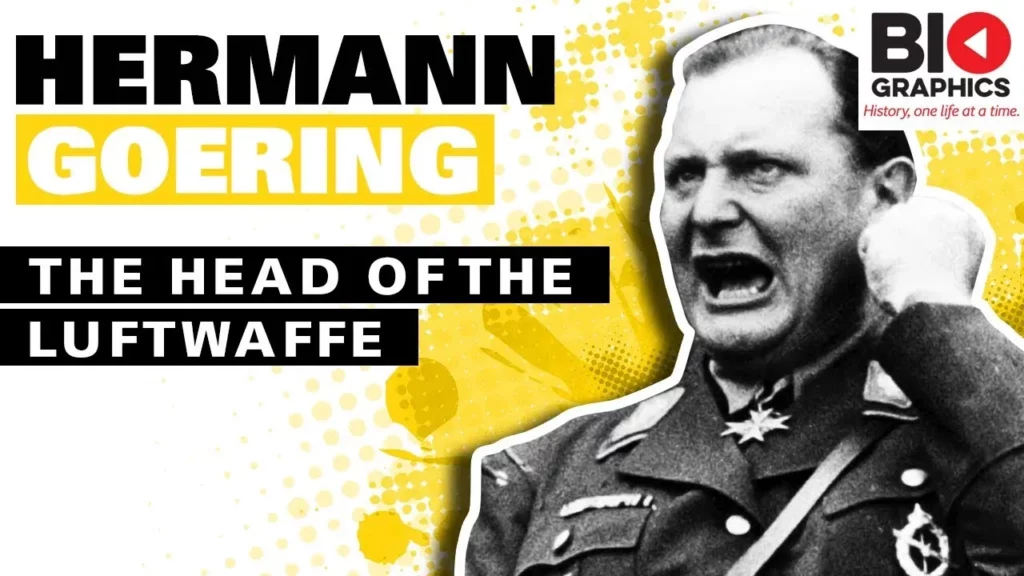
Hermann Goering’s life illustrates the duality of early success and later infamy, as he transitioned from a celebrated World War I pilot to a key figure in the Nazi regime. His rise to power was marked by significant military achievements and political involvement, but ultimately, his leadership of the Luftwaffe during World War II was marred by criticism and personal struggles, including addiction. Goering’s story serves as a cautionary tale about the consequences of ambition and the importance of ethical leadership, culminating in his conviction for war crimes and subsequent suicide.
Butch Cassidy: The Gentleman Bandit

The lesson explores the life of Butch Cassidy, a notorious figure of the American Wild West known as the “gentleman bandit.” Born Robert Leroy Parker, he became infamous for leading the Wild Bunch gang in bank and train robberies during the late 1800s, ultimately seeking refuge in South America to escape his criminal past. Cassidy’s story highlights themes of adventure, crime, and the complexities of seeking redemption in a life marked by lawlessness.
Theodore Roosevelt: The Old Lion
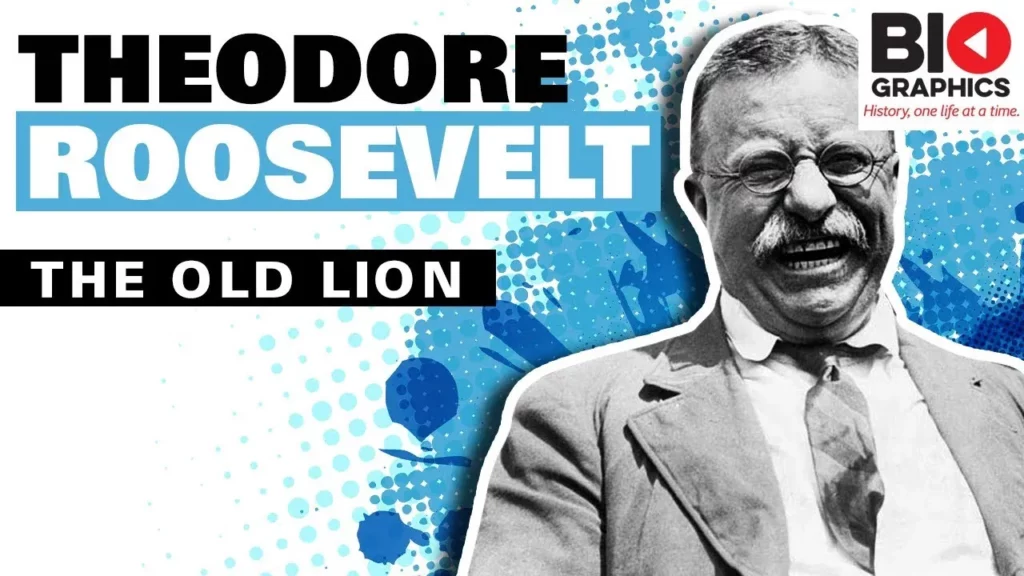
The lesson on Theodore Roosevelt, titled “The Old Lion,” chronicles his remarkable transformation from a frail, asthmatic child into the youngest president in U.S. history, highlighting his resilience and determination. It details his early struggles, education at Harvard, and ascent in politics, culminating in his presidency where he championed progressive reforms and conservation efforts. Roosevelt’s legacy is marked by his dynamic leadership and enduring impact on American society, even as he faced personal tragedies and health challenges throughout his life.