
Hugh Hefner: The Most Envied Man In The World

The lesson on Hugh Hefner explores his complex legacy as the founder of Playboy Magazine and a pivotal figure in the sexual revolution of the 1960s. It details his early life, rise to fame, and the controversies surrounding his work, highlighting his entrepreneurial spirit and impact on media and culture, while also addressing the criticisms he faced from various groups. Ultimately, Hefner is portrayed as a multifaceted individual whose contributions to society continue to spark debate.
Timothy McVeigh: America’s Deadliest Terrorist

The lesson emphasizes the importance of setting boundaries and recognizing when it’s appropriate to decline requests for assistance. It highlights that it’s okay to prioritize one’s own limitations and well-being over the expectations of others. Ultimately, the lesson encourages clear communication and self-advocacy.
John Rabe: The Good Nazi
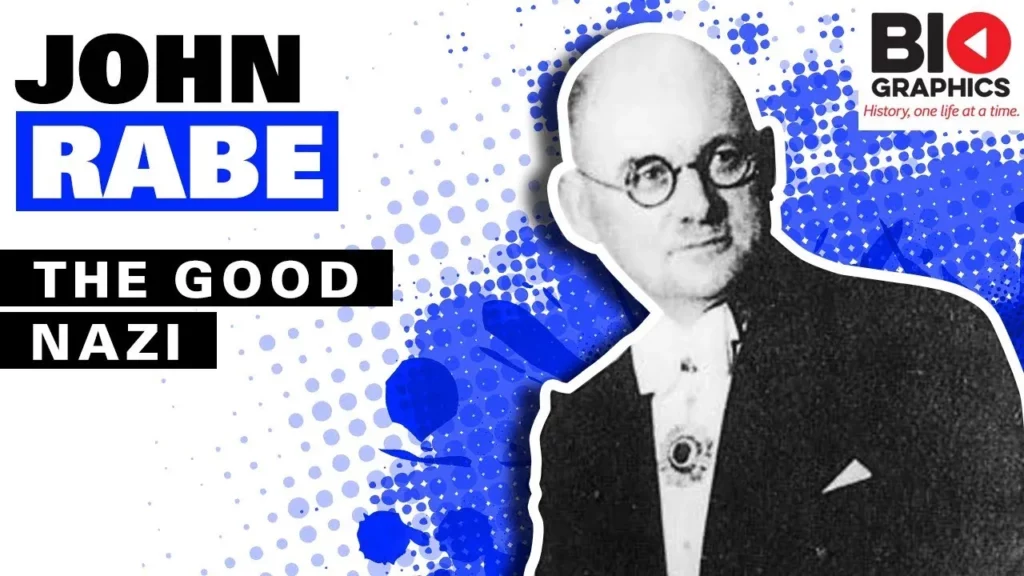
The lesson on John Rabe, known as the “Good Nazi of Nanking,” explores the complex nature of his character as a high-ranking member of the Nazi Party who became a humanitarian during the Nanking Massacre. Despite his affiliation with a regime responsible for immense suffering, Rabe took significant risks to protect and save approximately 250,000 civilians from violence and chaos, establishing the Nanking Safety Zone and advocating for those in need. His legacy, rediscovered in the 1990s, highlights the profound impact one individual can have in the face of atrocity, challenging perceptions of morality and complicity.
Santa Claus: The True Story

The lesson “Santa Claus: The True Story” explores the origins of Santa Claus, tracing back to the 4th Century figure of St. Nicholas, known for his generosity and kindness towards children and the less fortunate. Over the centuries, the legend evolved through various cultural influences, leading to the modern image of Santa Claus as a jolly figure who brings joy and gifts during the Christmas season. Ultimately, the lesson emphasizes that the spirit of giving and joy associated with Santa is what keeps his legacy alive in people’s hearts.
Mark Zuckerberg: Tech Visionary or Supervillain?

The lesson explores the life and impact of Mark Zuckerberg, from his early years as a programming prodigy to the creation and rapid growth of Facebook, which has become a defining aspect of the internet. Despite his success, Zuckerberg’s journey is marked by significant controversies, including data privacy issues and misinformation, prompting ongoing debates about his role as a tech visionary versus a potential supervillain. The lesson highlights the complexities of his ambition and the challenges he faces in the digital landscape.
Aristotle: History’s Most Influential Thinker
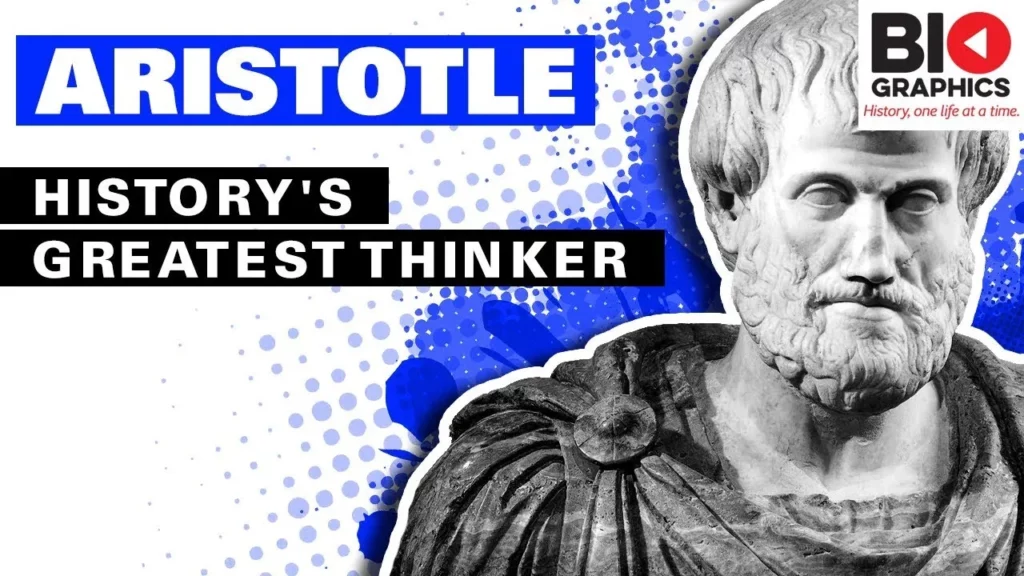
Aristotle, born in 384 BCE, is recognized as one of history’s most influential thinkers, shaping modern logic, biology, and ethical reasoning. His diverse contributions to science and philosophy, including the establishment of the Lyceum and his unique teaching methods, laid the groundwork for the scientific method and continue to resonate in contemporary thought. Despite challenges to his ideas during the Middle Ages, Aristotle’s legacy endures, influencing both Western and Islamic cultures.
Isaac Newton: The Man and his Hidden Life
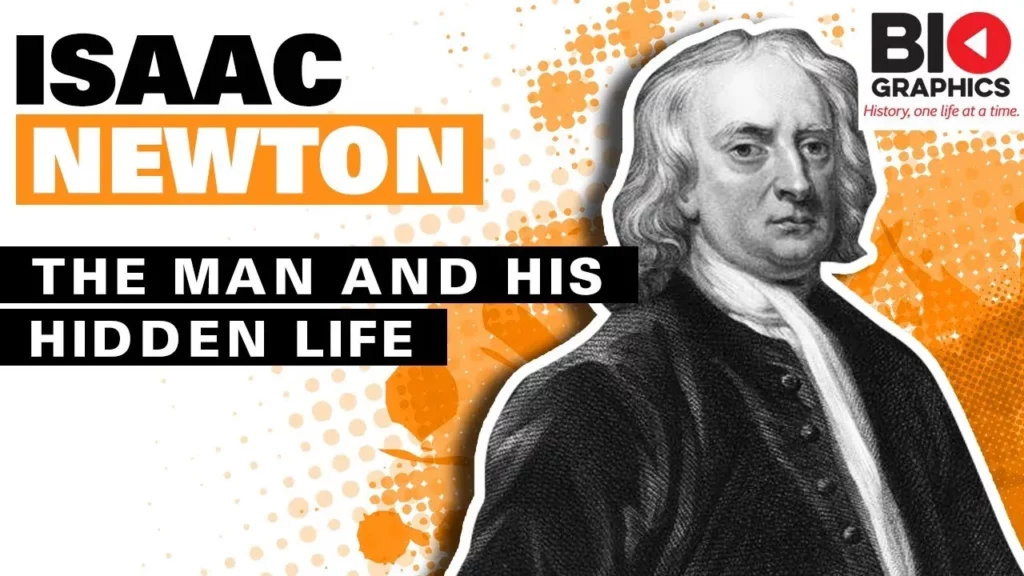
The lesson explores the multifaceted life of Sir Isaac Newton, highlighting his groundbreaking contributions to science, particularly in physics and mathematics, while also revealing his secretive pursuits in alchemy and theology. Born in 1643, Newton overcame a tumultuous childhood and a strained relationship with his family to excel academically at Trinity College, where he developed calculus and formulated his laws of motion and universal gravitation. Despite his monumental achievements, Newton’s complex personality and conflicts with the Anglican Church and fellow scientists illustrate the hidden depths of a man often celebrated solely for his scientific legacy.
Edmund Kemper: The Coed Killer

The lesson on Edmund Kemper, known as the “Coed Killer,” explores the chilling story of a man whose traumatic childhood and mental health struggles led him to commit horrific crimes, including the murders of six young women and his own mother. Despite his intelligence and charm, Kemper’s actions reveal the complexities of human nature and the profound impact of early trauma on behavior. The case underscores the necessity for early intervention and support for individuals facing similar challenges to prevent future tragedies.
Friedrich Nietzsche: The Übermensch
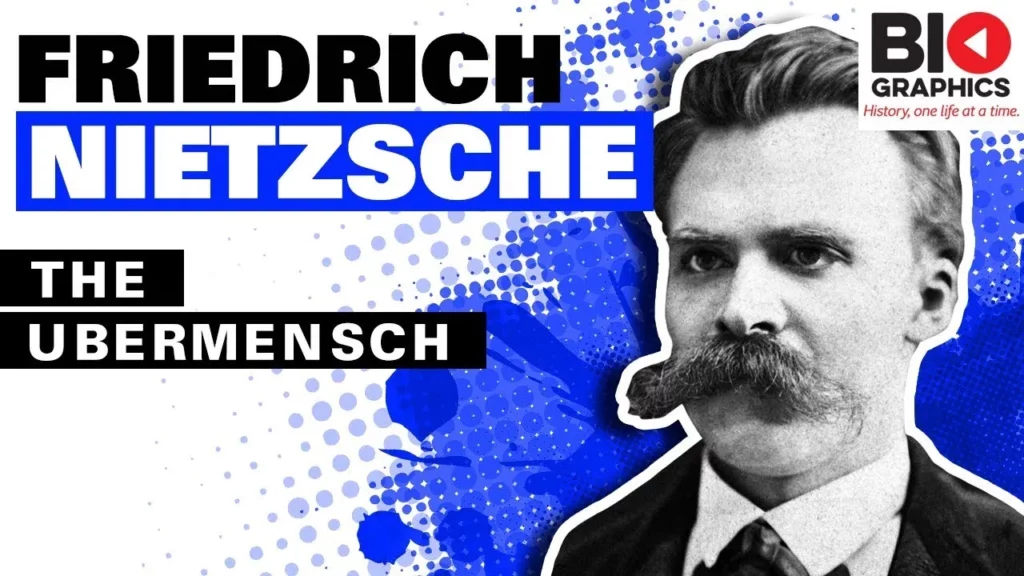
Friedrich Nietzsche’s philosophy centers on the rejection of absolute truths and the encouragement of individual self-overcoming, epitomized in his concept of the “Übermensch” or “superman.” He challenged societal norms and religious authority, advocating for the arts as a means of moral development, while also warning of the potential misinterpretation of his ideas, which have been co-opted by harmful ideologies. Despite his struggles with health and personal relationships, Nietzsche’s legacy endures, influencing modern thought and discussions on morality and existence.
Pancho Villa: Robin Hood or Ruthless Terrorist?

The lesson on Pancho Villa explores the complexities of his character as a historical figure, highlighting the contrasting perceptions of him as both a heroic revolutionary and a violent outlaw. Born into poverty, Villa’s early life of hardship shaped his rise as a key player in the Mexican Revolution, where he fought for social justice and land reform. Despite his initial successes, his violent methods and conflicts with other leaders ultimately led to his decline, leaving a controversial legacy that continues to resonate in discussions about justice and equality in Mexico.