
Shoko Asahara: The Cultist who Terrorized Japan
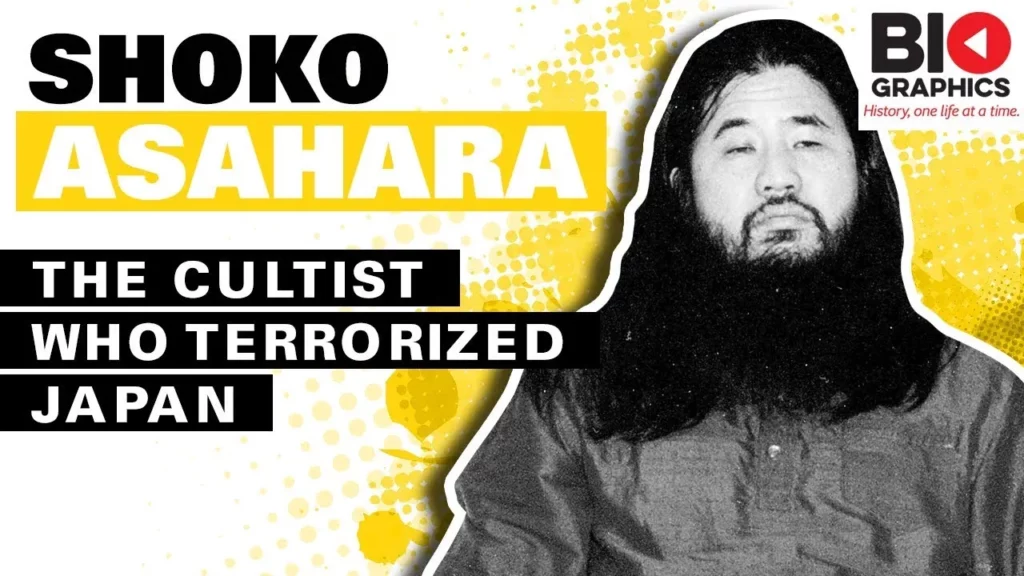
The lesson explores the rise and fall of Shoko Asahara, the founder of the Aum Shinrikyo cult, which perpetrated the devastating Tokyo subway attack in 1995 using sarin gas, resulting in 13 deaths and thousands affected. Asahara’s journey from a humble background to a charismatic cult leader highlights the dangers of extremist ideologies, as his organization engaged in illegal activities and ultimately transformed into a terrorist group. The aftermath of the attack led to his capture and execution, serving as a cautionary tale about the lasting impact of such movements on society.
Oppenheimer: The Father of the Bomb
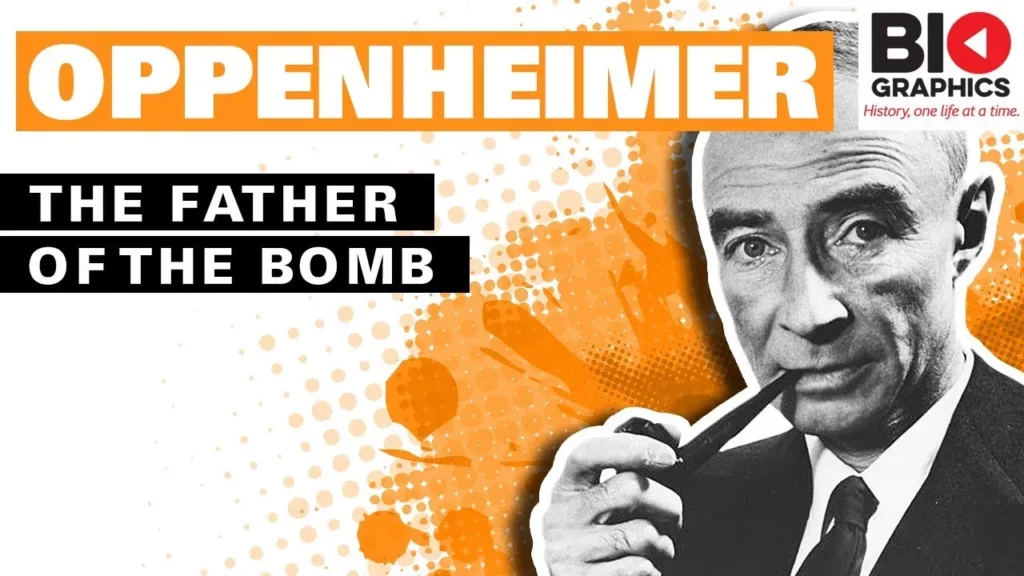
The lesson explores the life and legacy of J. Robert Oppenheimer, a key figure in the development of nuclear technology and the atomic bomb. It details his early life, academic achievements, and pivotal role in the Manhattan Project during World War II, as well as the complexities of his post-war advocacy for responsible nuclear use amidst political scrutiny. Oppenheimer’s journey reflects both his scientific brilliance and the moral dilemmas associated with his contributions to nuclear warfare.
Grigori Rasputin: The Devil Incarnate
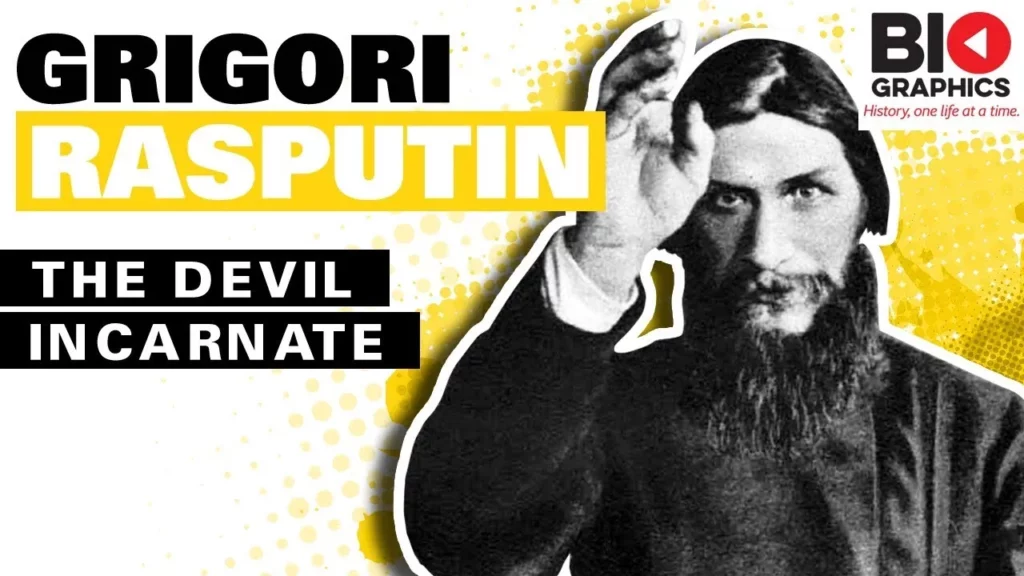
Grigori Rasputin was a controversial figure in Russian history, known for his alleged healing powers and significant influence over the Romanov family, particularly Tsarina Alexandra. Born in Siberia, Rasputin’s early life was marked by hardship and wild behavior, but he eventually gained prominence in St. Petersburg as a spiritual advisor, which led to both adoration and animosity from the public and nobility. His assassination in 1916, following numerous attempts on his life, foreshadowed the decline of the Romanov dynasty and the tumultuous changes that would follow in Russia.
Bill Cosby: The Life and Downfall of an Icon

The lesson on Bill Cosby explores the rise and fall of the iconic comedian, highlighting his early life, successful career, and the dramatic shift in public perception due to serious allegations of sexual assault. Once celebrated as a moral figure through his role in “The Cosby Show,” Cosby’s legacy was tarnished as numerous women came forward with accusations, ultimately leading to his conviction and imprisonment. This narrative underscores the significance of integrity and the consequences of actions that contradict one’s public persona.
Theodor Seuss Geisel: The Real Dr. Seuss
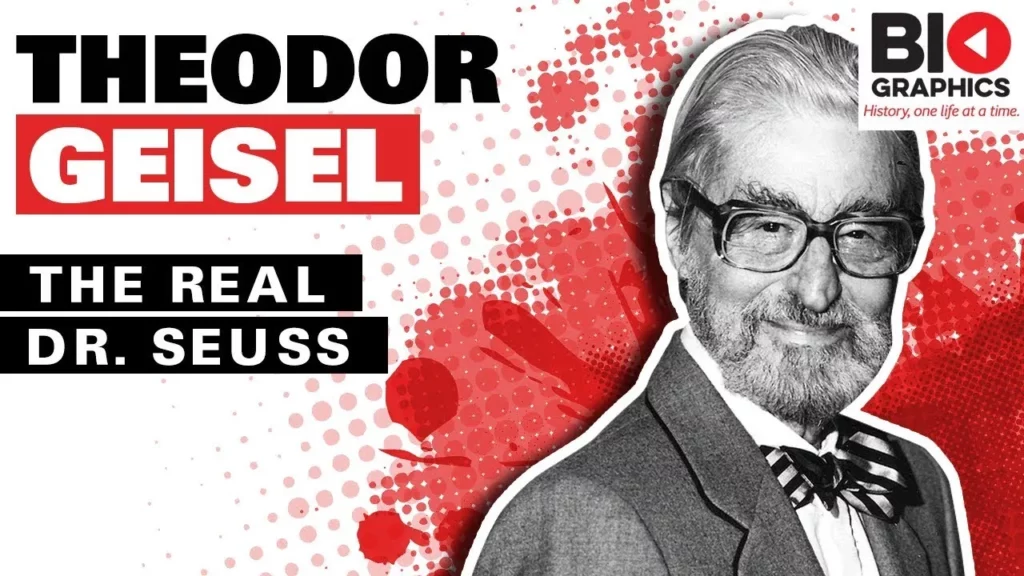
The lesson explores the life and legacy of Theodor Seuss Geisel, better known as Dr. Seuss, highlighting his journey from a creative child to a beloved children’s author. It details his early experiences, including his struggles with identity during World War I, his innovative approach to children’s literature, and his commitment to improving literacy through simple yet engaging stories. Dr. Seuss’s enduring impact is celebrated through his timeless characters and the continued relevance of his works in promoting education and joy among children worldwide.
Vladimir Lenin: The Founder of the Soviet Union
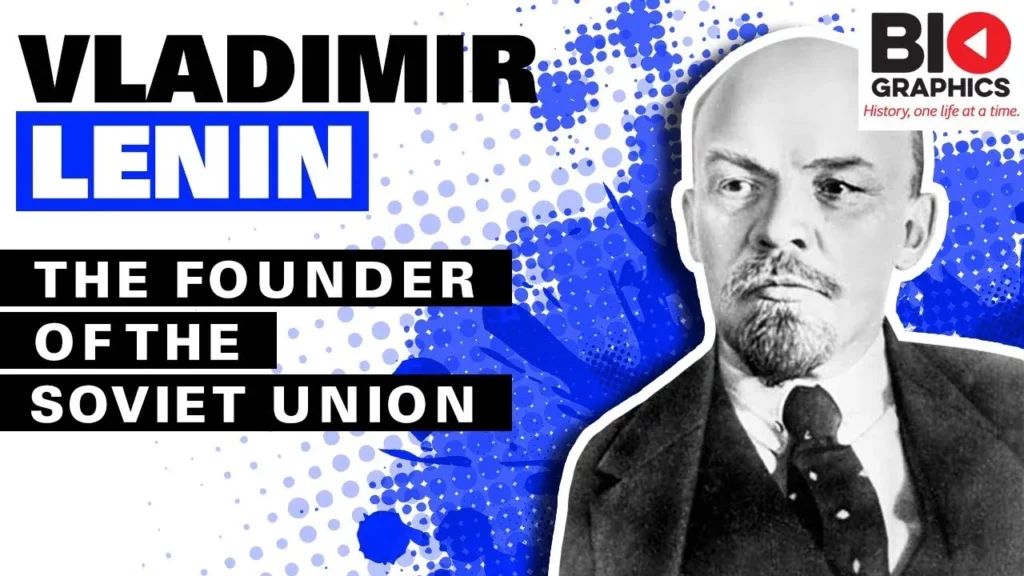
The lesson explores the life and impact of Vladimir Lenin, the founder of the Soviet Union, highlighting his journey from a privileged upbringing to becoming a pivotal figure in the Bolshevik Revolution. It discusses his revolutionary ideas, the violent methods he employed to seize power, and the subsequent establishment of a communist government that faced both support and opposition. Lenin’s legacy remains contentious, as he is viewed by some as a hero of revolutionary change and by others as a controversial figure responsible for significant repression and turmoil.
Marco Polo: The World’s Greatest Explorer
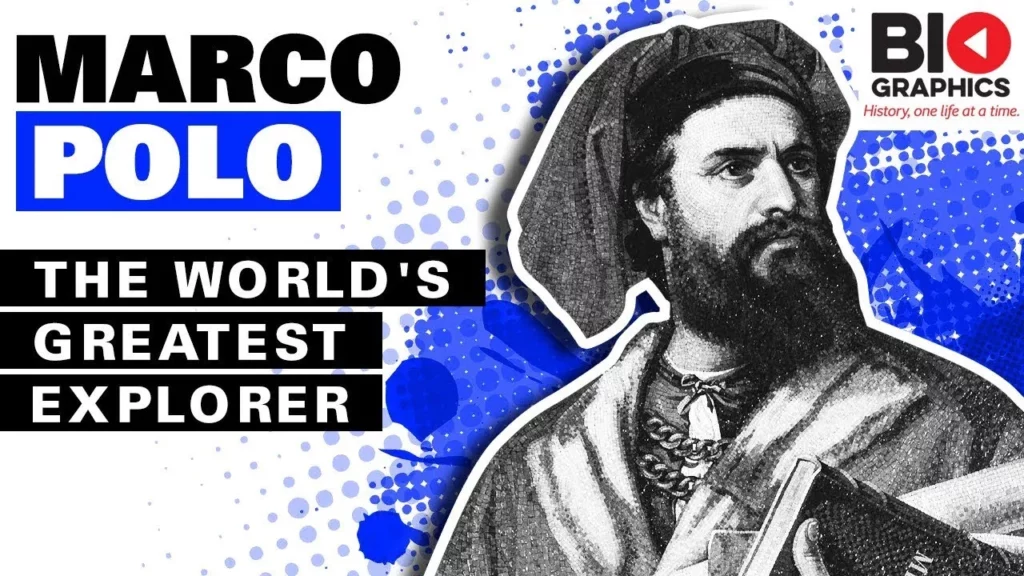
The lesson on Marco Polo highlights his extraordinary journey as a merchant and explorer in the thirteenth century, detailing his 24 years spent in the Mongolian Empire and his collaboration with Rustichello da Pisa to publish “The Travels of Marco Polo.” Despite initial skepticism about his accounts, Marco Polo’s detailed observations of the Mongolian and Chinese cultures eventually gained recognition and influenced future explorers. His legacy endures as a testament to his adventurous spirit and the rich experiences he documented during his travels.
Hans Massaquoi: Growing Up Black in Nazi Germany
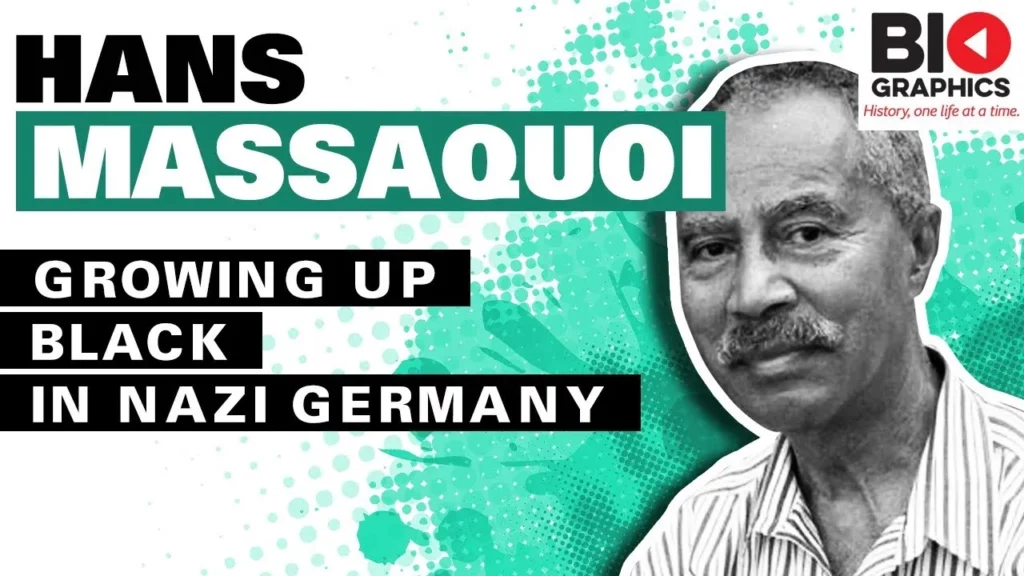
The lesson on Hans Massaquoi explores the unique and challenging experiences of Black individuals living in Nazi Germany, particularly through the lens of Massaquoi’s life as a mixed-race boy. Despite facing racial discrimination and the oppressive Nuremberg Laws, he navigated his childhood with resilience, ultimately pursuing education and a successful career in journalism after the war. His story highlights the complexities of identity and survival in a time of widespread prejudice, culminating in his memoir that sheds light on a lesser-known aspect of history.
Kaiser Wilhelm II: The Last German Emperor
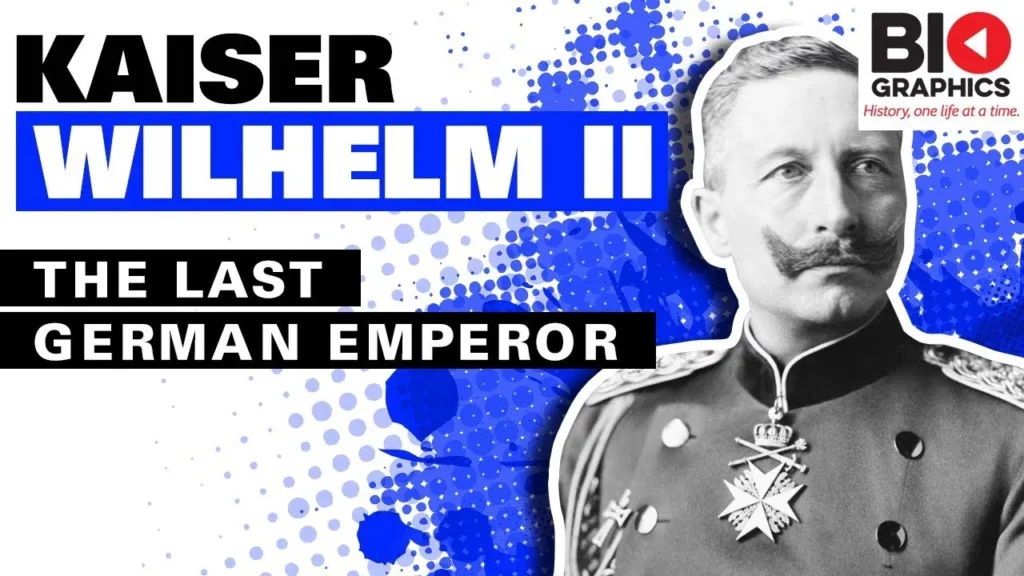
The lesson on Kaiser Wilhelm II explores his tumultuous life, from his challenging childhood marked by a physical disability to his rise as the last German Emperor. It highlights his military ambitions, diplomatic blunders, and the aggressive nationalism that strained Germany’s relations with other nations, ultimately contributing to the outbreak of World War I. Following his abdication in 1918 and subsequent exile, Wilhelm’s later years were spent grappling with his legacy and the political changes in Germany, culminating in his death in 1941.
Joseph Goebbels: The Propaganda Maestro
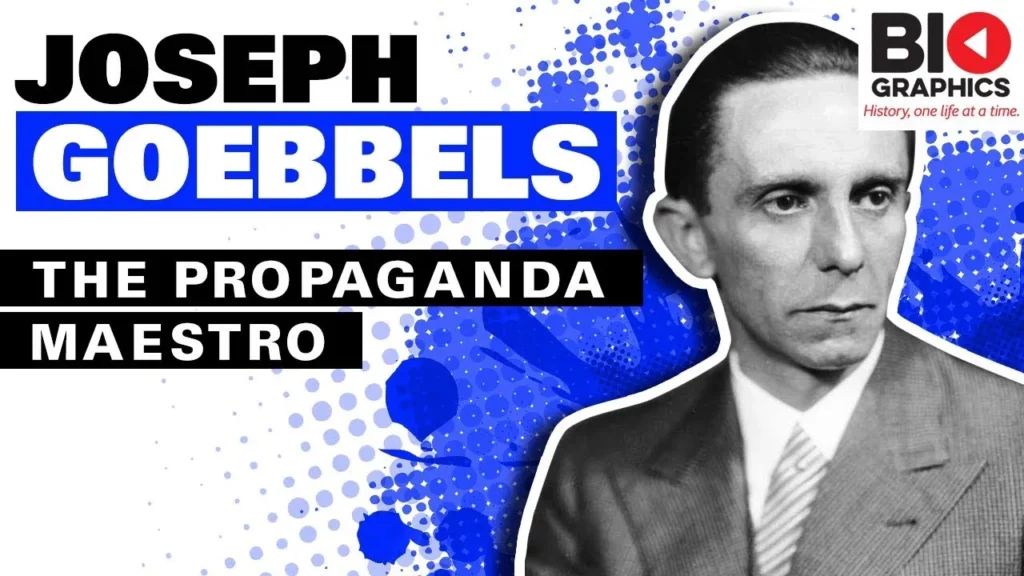
The lesson emphasizes the importance of setting boundaries and recognizing when it’s appropriate to decline requests for assistance. It highlights the need for clear communication and self-awareness in maintaining personal limits while also respecting the needs of others. Ultimately, it teaches that it’s okay to say no when necessary.