
Matthew Hopkins: Witchfinder General
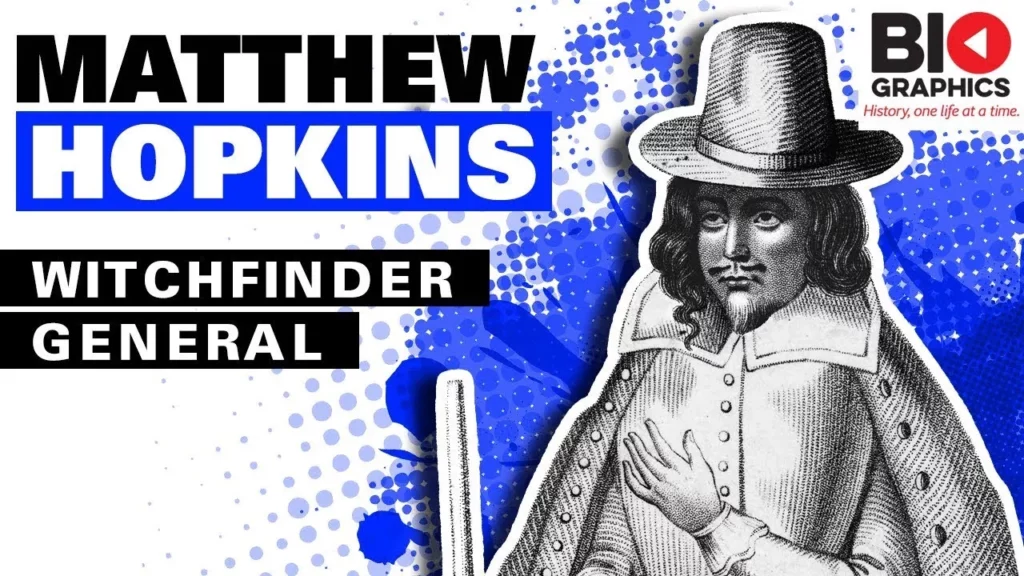
The lesson on Matthew Hopkins, the Witchfinder General, explores the dark period of witch hunts in 17th-century England, particularly focusing on the mass execution of 18 individuals in Bury St. Edmunds orchestrated by Hopkins in 1645. It highlights how the societal chaos during the English Civil War, combined with Puritan beliefs and King James I’s obsession with witchcraft, fueled a climate of fear and led to brutal methods of interrogation and execution. Ultimately, the lesson underscores the dangers of fanaticism and the societal shift towards rationality that followed the decline of witch trials by the end of the 17th century.
Henry Ford: The Complicated Captain of Industry
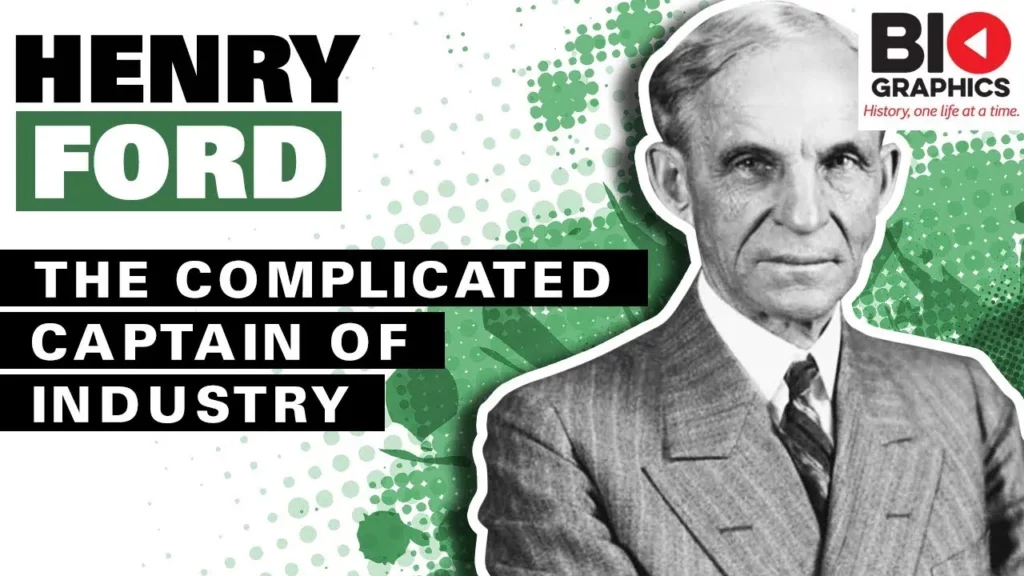
The lesson on Henry Ford explores his dual legacy as a pioneering industrialist who revolutionized automobile production and made cars affordable for the masses, while also highlighting his controversial views and opposition to labor unions. Born in 1863, Ford’s early curiosity and mechanical skills led him to create the iconic Model T and implement assembly line production, significantly impacting the automotive industry. However, his later years were marred by anti-Semitic beliefs and aggressive anti-union tactics, making him a complex and often contentious figure in American history.
Edward Longshanks: The Braveheart Bad Guy
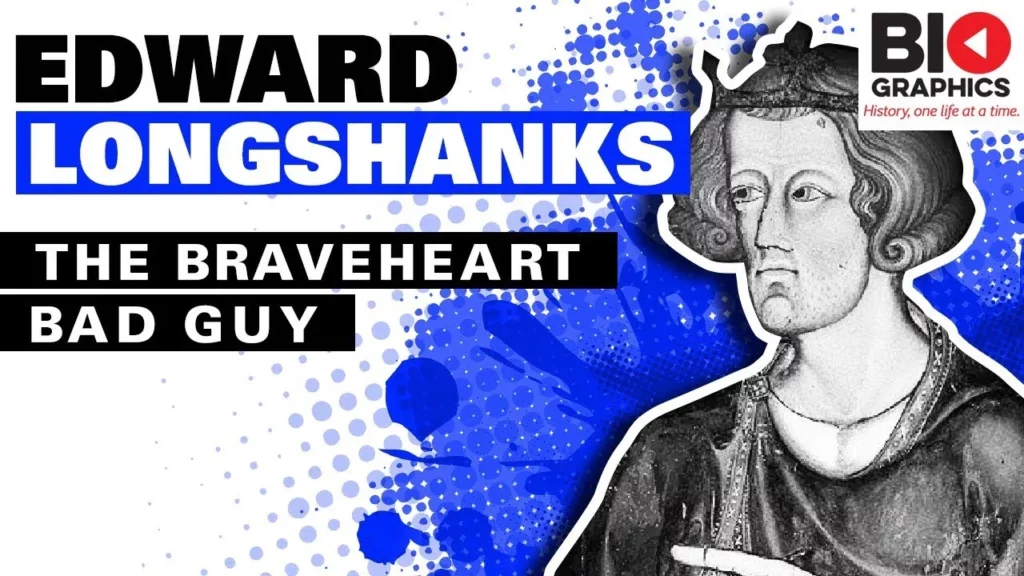
The lesson explores the life and legacy of Edward I of England, known as Longshanks, highlighting his rise from a frail youth to a formidable king. It covers his early life, marriage, involvement in civil war, military campaigns in Wales and Scotland, and his efforts to strengthen the monarchy and establish parliamentary representation. Edward’s reign is marked by his significant military achievements and complex relationships with neighboring regions, ultimately shaping his legacy as a key figure in English history.
Sefton Delmer: The Master of Black Propaganda
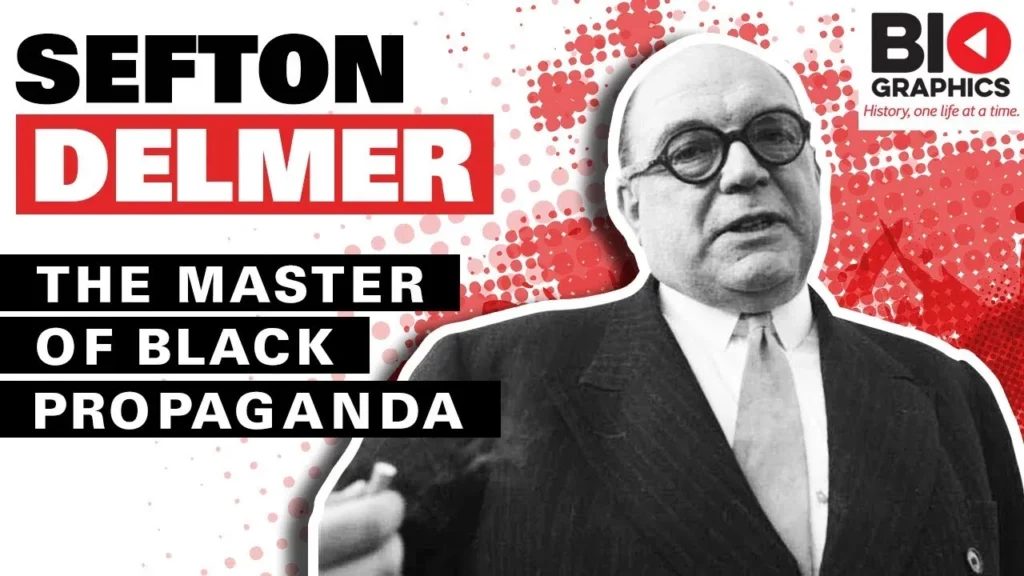
Sefton Delmer was a pivotal figure in British black propaganda during World War II, utilizing misinformation to undermine Nazi morale through various media, including radio broadcasts and fake documents. His background as a bilingual journalist allowed him to craft compelling narratives that exploited the fears and desires of German soldiers, significantly impacting their psychological state. Despite the personal toll of his work, Delmer’s innovative strategies in psychological warfare are now acknowledged as crucial to the Allies’ success in the war.
Dzhokhar Tsarnaev: The Boston Bomber

The lesson on Dzhokhar Tsarnaev and the Boston Marathon bombing explores the tragic events of April 15, 2013, when two explosions during the marathon resulted in three deaths and over 260 injuries, perpetrated by Tsarnaev and his brother. It delves into Tsarnaev’s background, the subsequent investigation and capture, his trial and sentencing, and the broader implications for public safety and counter-terrorism in the U.S. Ultimately, the lesson emphasizes the importance of community resilience, vigilance, and the complexities of justice in the face of terrorism.
John Wayne Gacy Jr: The Killer Clown

The lesson on John Wayne Gacy Jr., known as the “Killer Clown,” explores the chilling duality of his life as a respected community member by day and a notorious serial killer by night. Gacy’s troubled upbringing and social ambitions masked his heinous crimes, which were ultimately uncovered following the disappearance of a young man. His story highlights the complexities of human behavior and the dark realities that can lie beneath a seemingly ordinary facade.
Galileo Galilei: Father of Modern Science
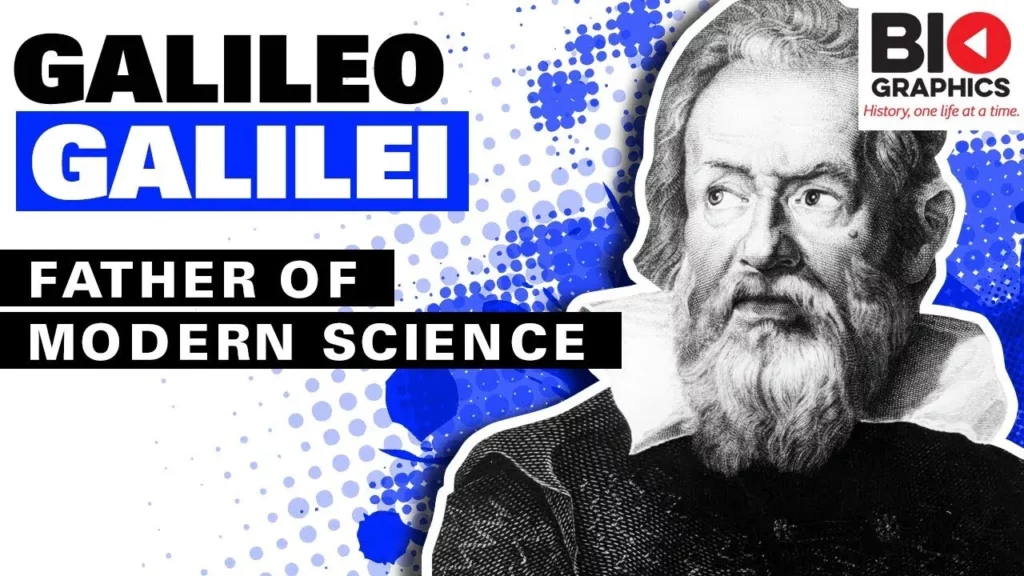
Galileo Galilei, often regarded as the Father of Modern Science, was a groundbreaking scientist whose innovations, such as the telescope, revolutionized our understanding of the universe. Despite facing significant opposition from the Roman Catholic Church for his support of the heliocentric theory, Galileo’s relentless pursuit of knowledge and commitment to empirical evidence laid the foundation for modern scientific inquiry. His legacy endures as a symbol of intellectual courage and the quest for truth in the face of adversity.
Ferdinand Magellan: First Around the World (Almost)
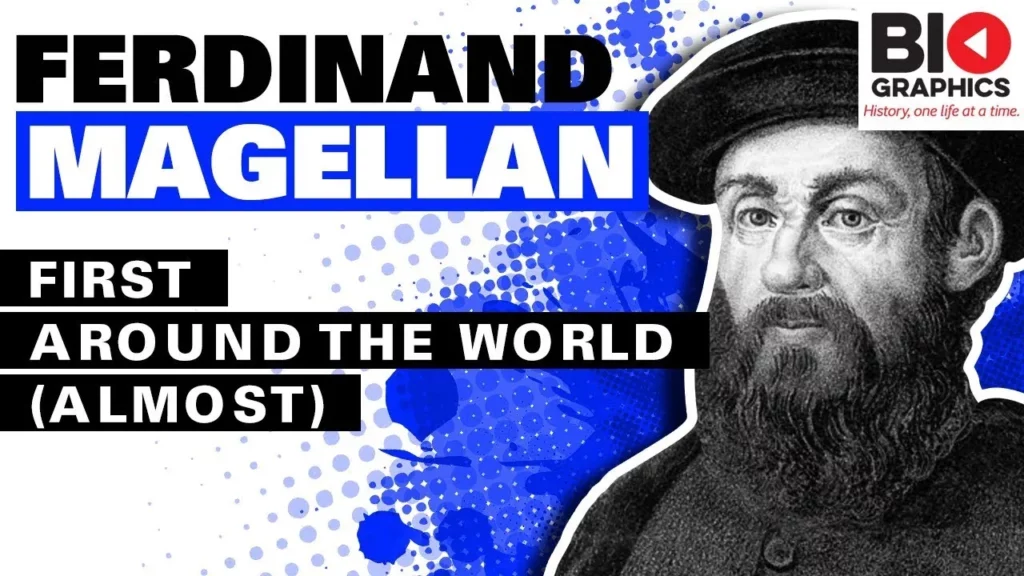
Ferdinand Magellan, born in Portugal around 1480, embarked on a groundbreaking expedition to find a westward route to the Spice Islands after losing support from the Portuguese crown. His journey, which began in 1519, faced numerous challenges, including harsh weather, crew tensions, and conflicts with local leaders, ultimately leading to his death in the Philippines. Despite his demise, Magellan’s expedition successfully completed the first circumnavigation of the globe, demonstrating the feasibility of global exploration and leaving a significant mark on maritime history.
Alexander the Great: King of Macedonia
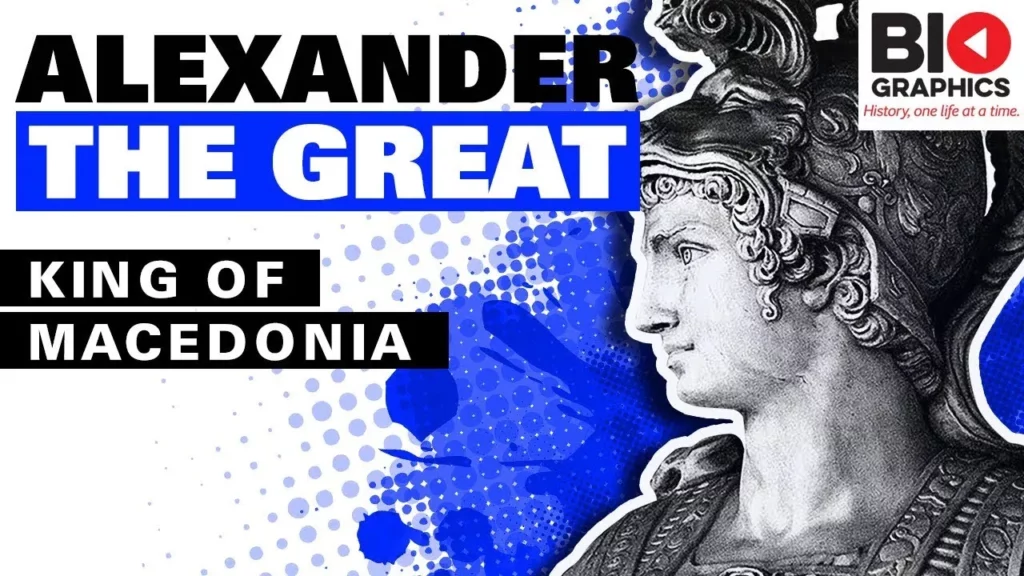
The lesson on Alexander the Great highlights his remarkable journey from a well-educated youth in Macedonia to a legendary military leader who built one of history’s largest empires, encompassing regions such as Persia, Egypt, and parts of India. Despite his strategic brilliance and heroic conquests, his reign was marked by complexities, including harsh actions and cultural tensions, ultimately leading to his untimely death at the age of 32. Alexander’s legacy endures as a symbol of military genius and cultural influence, making him a significant figure in history.
Diogenes: The Most Eccentric Philosopher
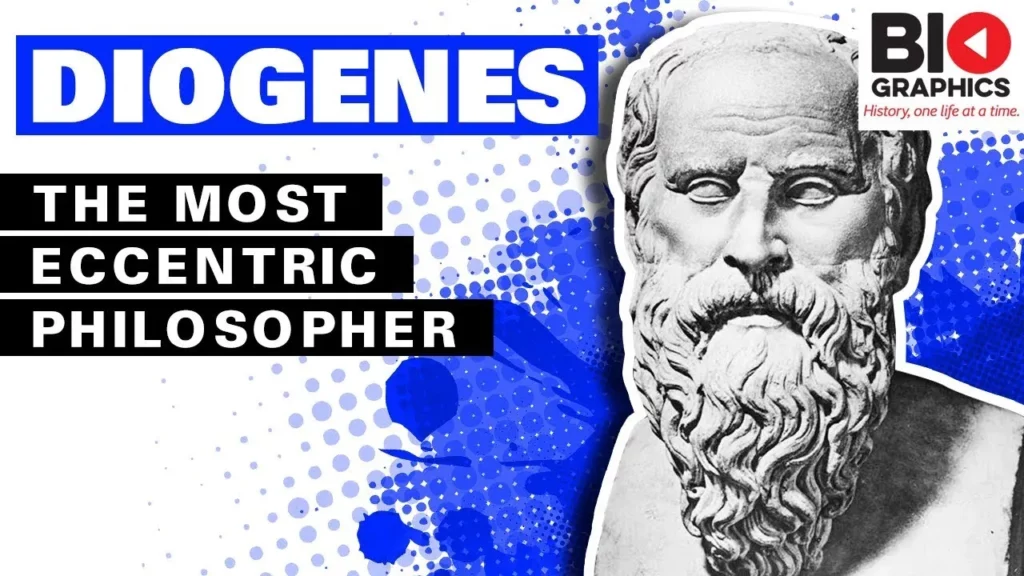
Diogenes, an early philosopher inspired by Socrates, is renowned for his eccentric lifestyle and rejection of societal norms, choosing to live simply and embrace a minimalist existence. His life, marked by bold challenges to conventional values and sharp wit, reflects his belief in self-mastery and the pursuit of true freedom. Despite his unconventional behavior, Diogenes garnered respect in his later years, leaving a lasting legacy that celebrated the virtues of simplicity and autonomy.