
Martin Bormann: Hitlers Private Secretary
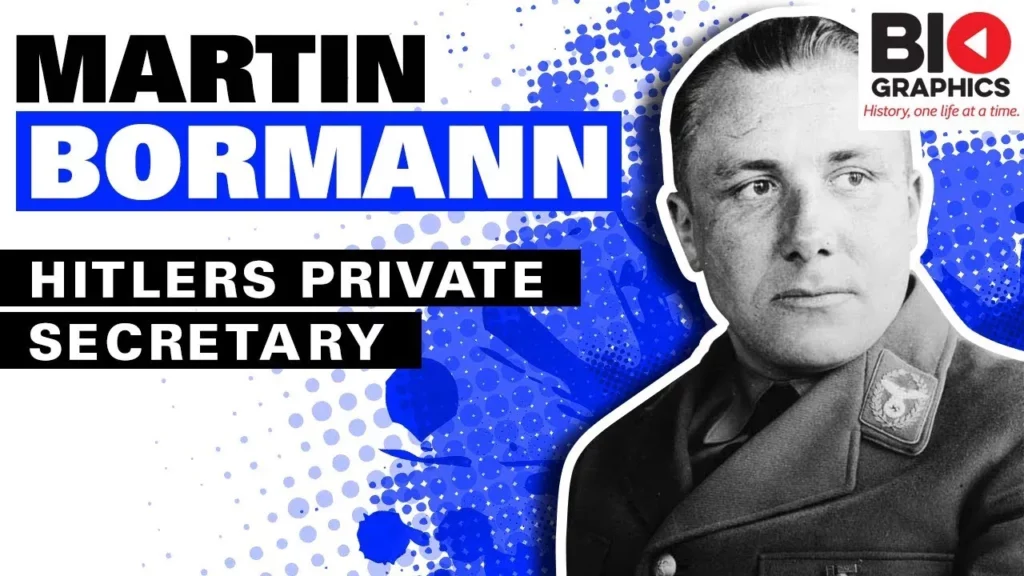
Martin Bormann, born in 1900 in Prussia, rose from a lackluster early life to become a key figure in the Nazi regime as Hitler’s private secretary. Initially joining the Nazi Party in 1927, he gained Hitler’s trust through his organizational skills and loyalty, ultimately controlling access to Hitler and influencing major policies during World War II. Despite his manipulative nature and tumultuous personal life, Bormann remained a significant player until the end of the war, attempting to escape Berlin shortly before his confirmed death in 1945.
Malcolm X: The Defender of Human Rights

The lesson on Malcolm X highlights his significant yet often overlooked role in the civil rights movement, contrasting him with Martin Luther King Jr. While initially perceived as a promoter of hate and violence, Malcolm X’s true legacy lies in his advocacy for human rights, self-identity, and unity among all people. His journey from a troubled youth to a powerful activist underscores the importance of pride in one’s heritage and the ongoing struggle for justice and equality, which continues to inspire movements today.
King Arthur: The Life and Legend
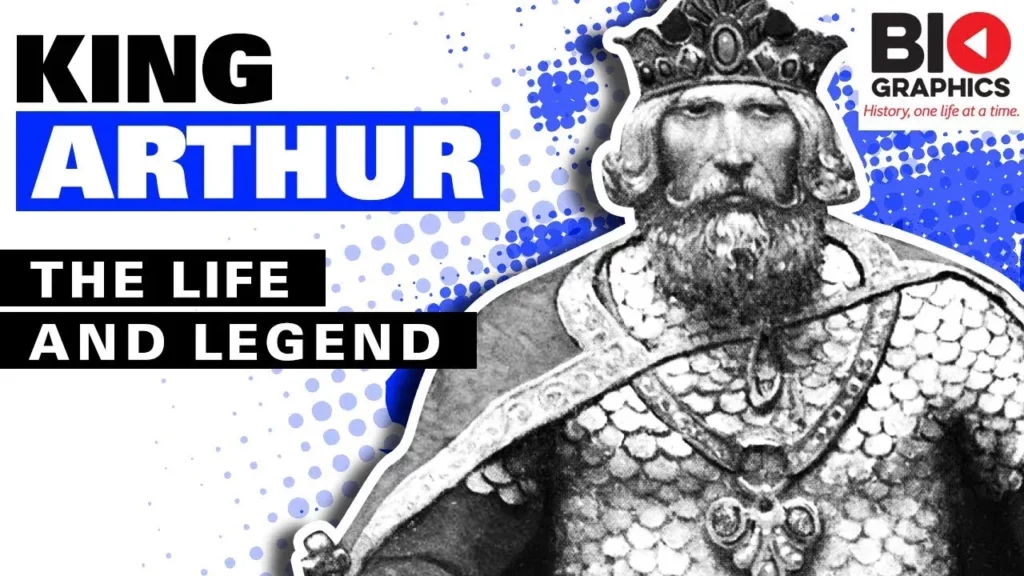
The lesson explores the legendary life of King Arthur, a figure from the Dark Ages known for his heroic deeds, including pulling Excalibur from a stone and leading the Knights of the Round Table in Camelot. Born amidst chaos in 5th Century Britannia, Arthur’s story intertwines with characters like Merlin, Lancelot, and Morgan le Fay, culminating in his rise to kingship and tragic downfall due to betrayal and familial conflict. Ultimately, while Arthur’s tale is rooted in myth, it has left a lasting legacy that continues to inspire and captivate audiences today.
Napoleon III: The Forgotten Bonaparte
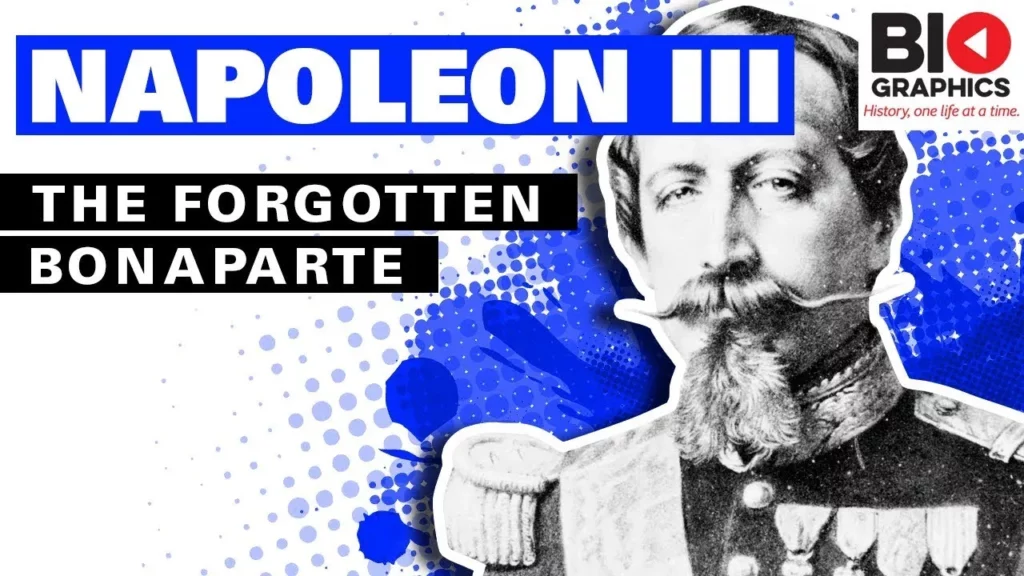
The lesson explores the life and legacy of Louis-Napoleon Bonaparte, known as Napoleon III, who was the nephew of the famous Napoleon Bonaparte and ruled France longer than his uncle. Despite facing numerous challenges, including early exile and failed attempts to seize power, he eventually became president and then emperor, modernizing Paris and implementing significant reforms. However, his reign ended in disaster with the Franco-Prussian War, leading to his capture and the fall of the Second French Empire, leaving a complex legacy of both achievements and failures in French history.
Belle Starr: The Female Outlaw

The lesson on Belle Starr reveals the stark contrast between her legendary outlaw persona and the reality of her tumultuous life. Born Myra Maybelle Shirley, she faced personal tragedies, including multiple marriages marked by violence and crime, and the challenges of raising her children amidst societal upheaval. Ultimately, her life ended in mystery and violence, highlighting the complexities of her existence beyond the romanticized tales of the Old West.
Balto: The Canine Hero
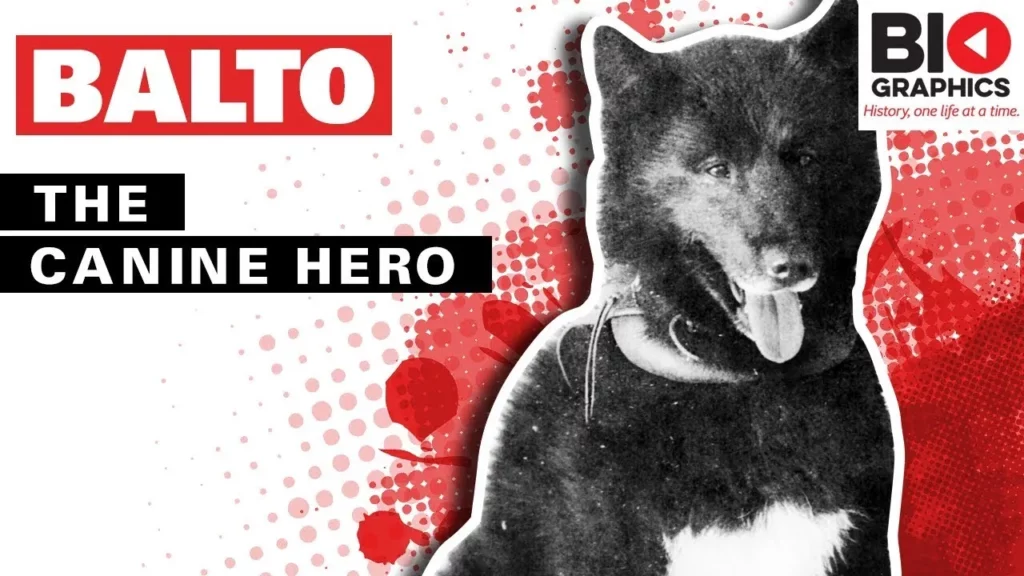
The lesson “Balto: The Canine Hero” recounts the remarkable story of Balto, a Siberian Husky who played a crucial role in delivering life-saving diphtheria antitoxin to the children of Nome, Alaska, during a severe winter epidemic in 1924. Despite facing treacherous conditions, Balto’s bravery and strong bond with his musher, Gunnar Kaasen, enabled them to navigate a blizzard and successfully complete the dangerous journey, ultimately saving many lives. Balto’s legacy as a national hero highlights the profound connection between humans and animals and the power of teamwork in overcoming adversity.
Joan of Arc: The Maid of Orléans
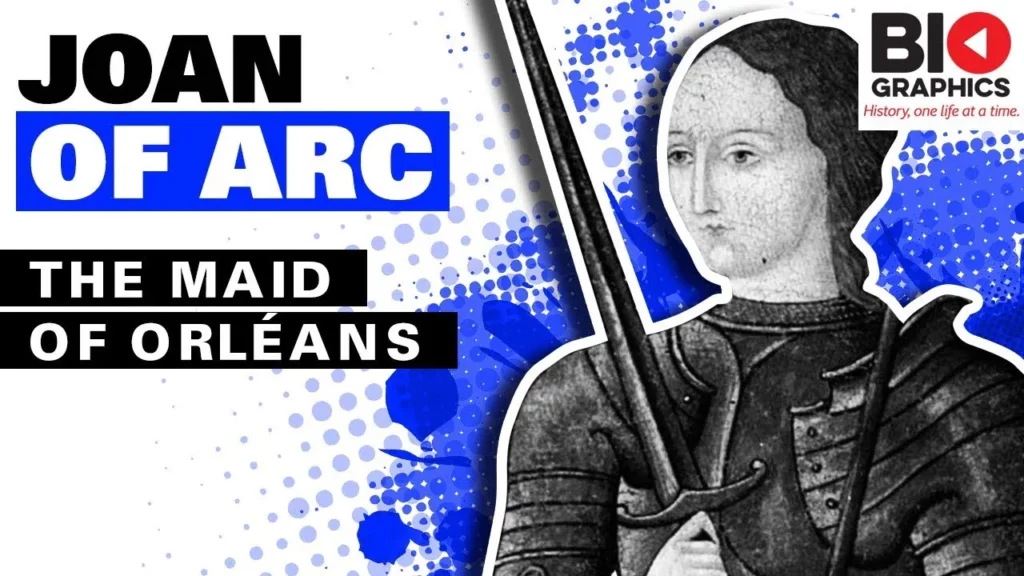
The lesson on Joan of Arc highlights the extraordinary journey of a young peasant girl who, at just 16, led French troops to pivotal victories during the Hundred Years’ War, ultimately changing the course of history. Despite her humble beginnings and lack of formal education, Joan’s divine visions inspired her to rally an army, culminating in the coronation of Charles VII. Tragically captured and executed at 19, her legacy endured, leading to her recognition as a martyr and national hero of France.
Queen Victoria: The Misunderstood Monarch
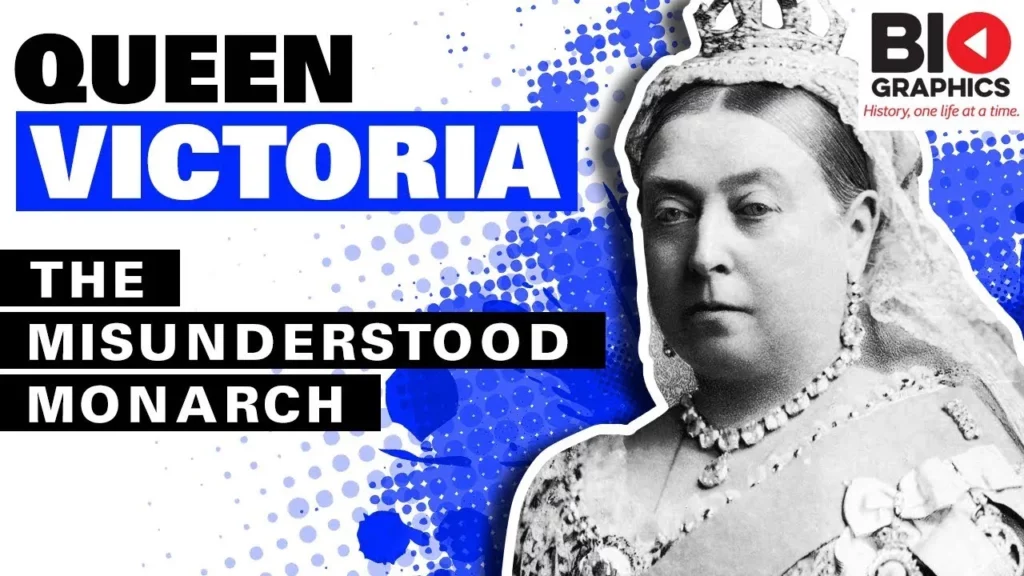
Queen Victoria, who reigned for 63 years, is recognized as one of history’s most influential monarchs, with her life chronicled through her extensive writings. Despite her image as the “Widow of Windsor,” shaped by personal tragedies and family censorship, her reign was marked by significant personal and political complexities, including her struggles with independence, motherhood, and relationships with prime ministers. Victoria’s legacy is one of profound societal and cultural impact during the Victorian Era, reflecting a blend of public duty and personal challenges.
Otto von Bismarck: The Iron Chancellor
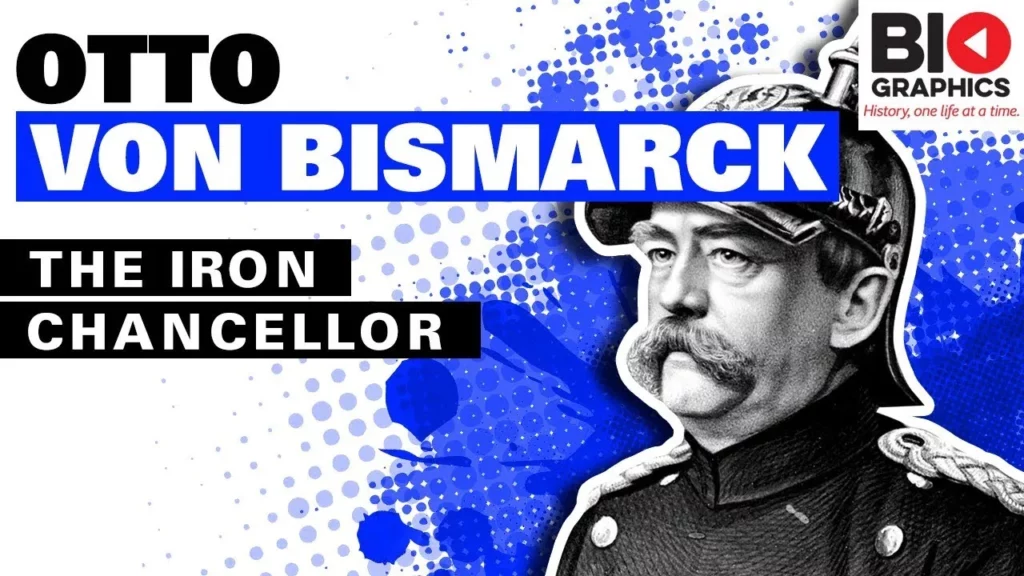
The lesson on Otto von Bismarck, known as the Iron Chancellor, highlights his pivotal role in uniting the fragmented German states into a powerful nation during the 19th century. Through strategic wars and strong leadership, Bismarck established the German Empire and implemented progressive social policies, despite facing opposition due to his conservative views. His legacy includes not only the unification of Germany but also the complex alliances that shaped European politics leading up to World War I.
David Berkowitz: The Son of Sam
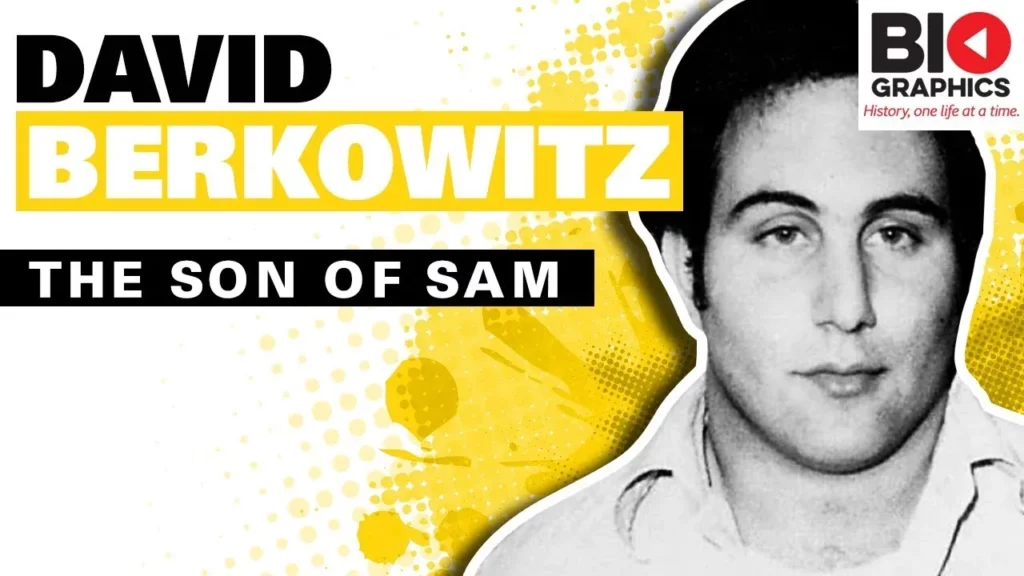
The lesson on David Berkowitz, known as the “Son of Sam,” explores the background and psychological factors that led to his violent actions in the 1970s, including his troubled upbringing and fascination with fire and the occult. After a series of murders that instilled fear in New York City, Berkowitz was captured and confessed to his crimes, ultimately receiving six life sentences. In prison, he underwent a transformation, embracing Christianity and expressing remorse for his actions, now serving as a model prisoner focused on redemption.