
Coco Chanel: Fashion Designer, Business Mogul, and Spy

The lesson explores the inspiring journey of Coco Chanel, a pioneering fashion designer who rose from humble beginnings to become a powerful business mogul and cultural icon. Born into poverty, Chanel overcame numerous challenges, including societal barriers for women in business, to revolutionize women’s fashion with her innovative designs and the creation of Chanel No. 5 perfume. Her legacy endures as a symbol of empowerment and style, emphasizing the importance of comfort and individuality in fashion.
Leon Trotsky: Communism’s True Believer
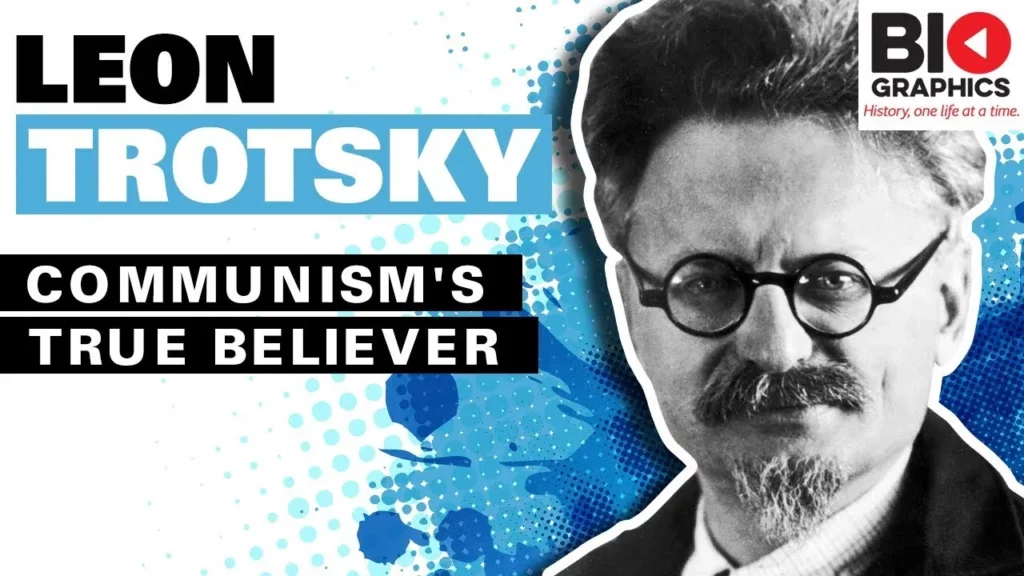
The lesson on Leon Trotsky outlines his journey from a Ukrainian farm boy to a prominent revolutionary leader in the Communist movement. It highlights his early education, embrace of Marxism, key roles in the 1905 Revolution and the October Revolution, and his leadership during the Russian Civil War. Despite his significant contributions, Trotsky’s rivalry with Stalin ultimately led to his expulsion from the Communist Party and eventual assassination, marking him as a critical figure in 20th-century history.
John F. Kennedy: The Life and Death of a President
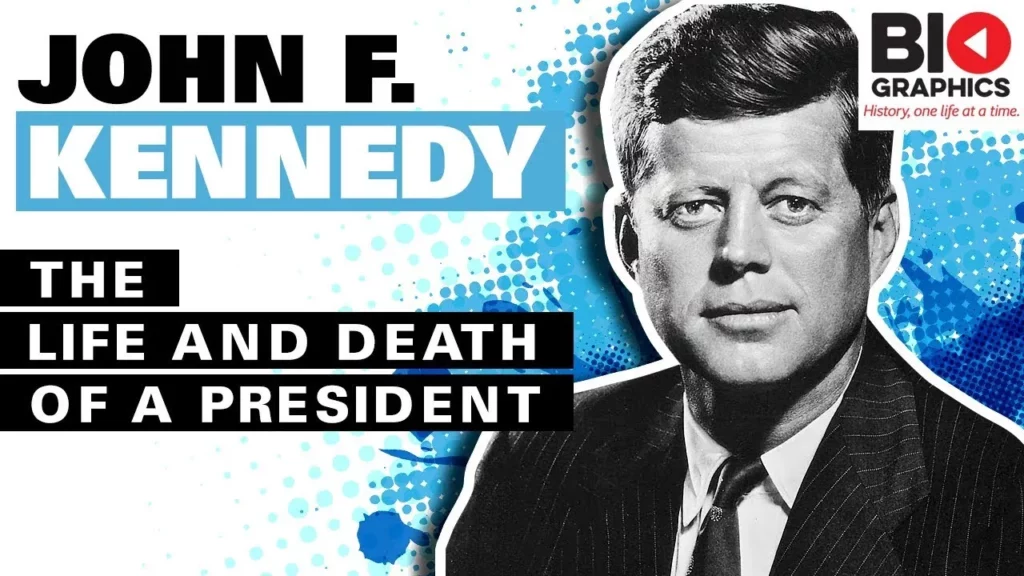
The lesson on John F. Kennedy explores the life and legacy of the 35th President of the United States, highlighting his family’s rise to prominence, his early struggles, and his eventual path to the presidency. It emphasizes JFK’s leadership during critical moments, such as the Cuban Missile Crisis, and reflects on the impact of his tragic assassination in 1963, which left the nation in mourning. Ultimately, the lesson underscores JFK’s enduring legacy as a symbol of youthful optimism and commitment to public service.
Jeremy Bentham – Founder of Modern Utilitarianism
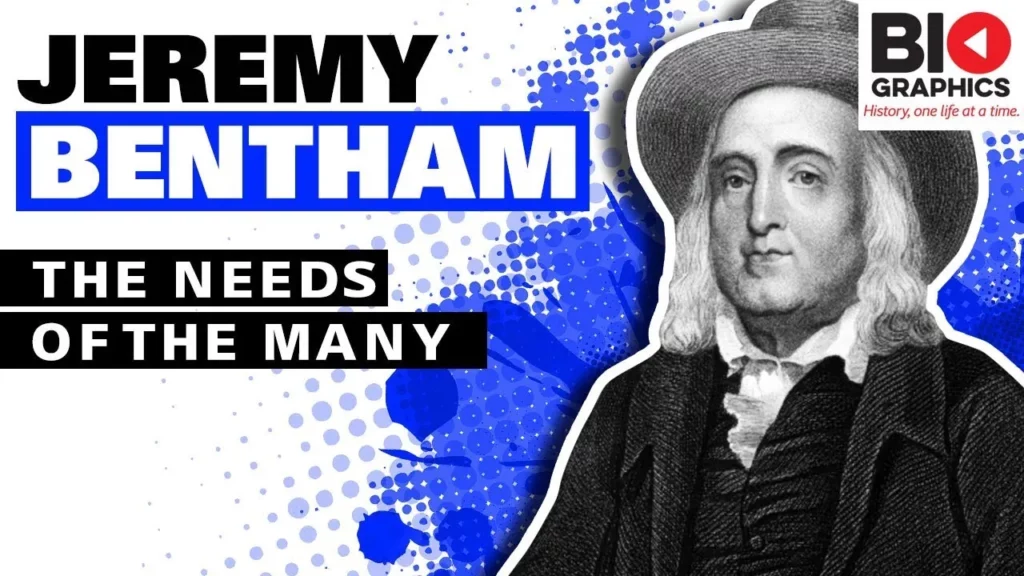
Jeremy Bentham was a groundbreaking thinker who developed the philosophy of utilitarianism, emphasizing the importance of actions that promote happiness for the greatest number of people. His early life was marked by exceptional intellectual abilities and challenges in traditional educational settings, which shaped his critical views on social and legal systems. Bentham’s legacy includes significant contributions to legal reform, crime prevention, and advocacy for animal and women’s rights, ultimately leaving a lasting impact on modern philosophy and social justice.
Charlie Chaplin – The Tragic Life of the Little Tramp
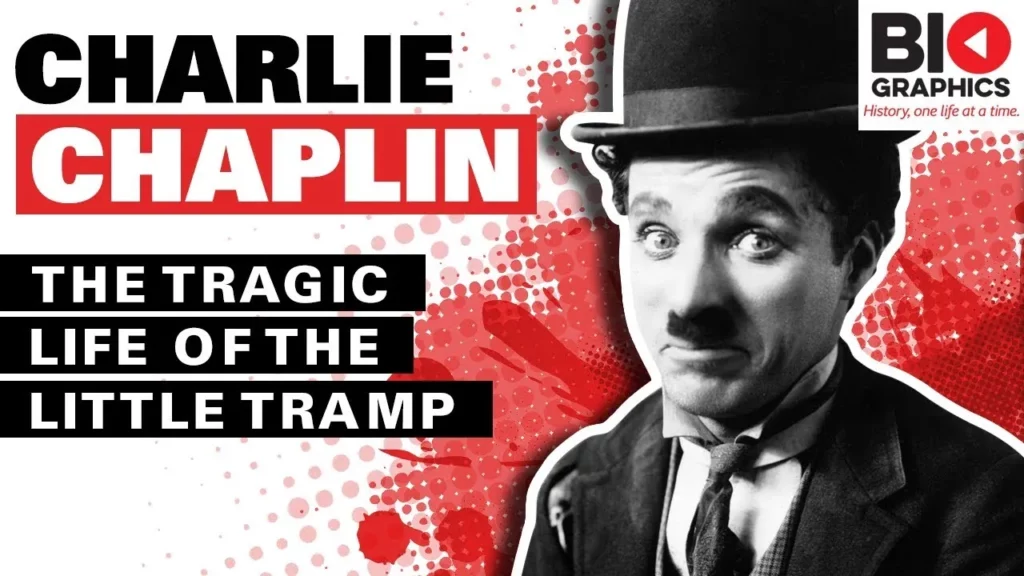
The lesson explores the life of Charlie Chaplin, highlighting his journey from a poverty-stricken childhood in Victorian London to becoming one of Hollywood’s most iconic figures through his beloved character, the Little Tramp. Despite achieving immense success and fame, Chaplin faced numerous personal struggles, including family tragedies, controversial relationships, and public scrutiny, which shaped his complex legacy. Ultimately, his ability to blend humor with poignant social commentary in his films continues to resonate with audiences worldwide, solidifying his status as a cinematic legend.
Louis Philippe: The Last King of the French
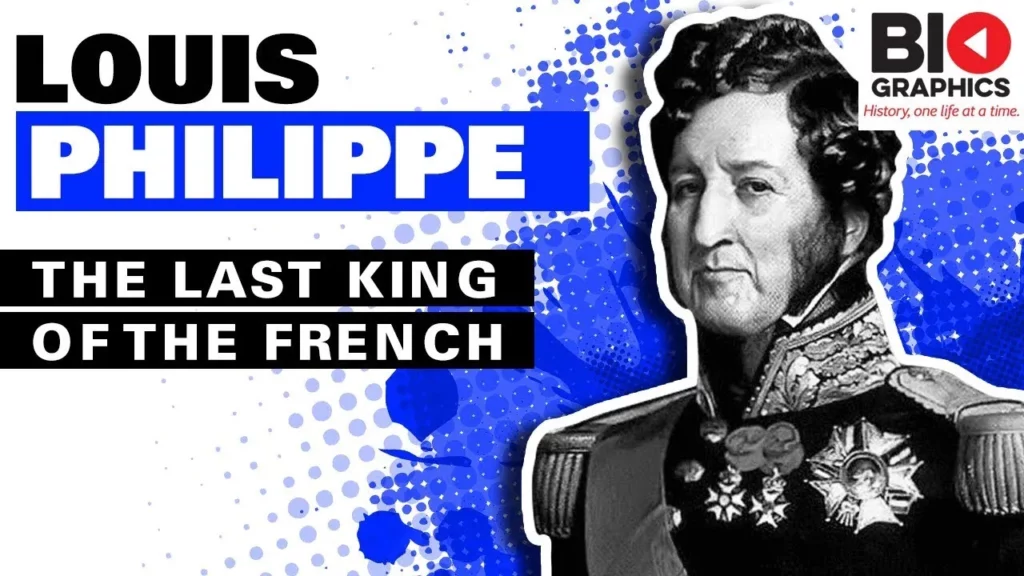
The lesson on Louis Philippe, the last king of the French, explores his life and reign against the backdrop of 19th-century political upheaval. Born into an aristocratic family, he witnessed the French Revolution and experienced exile before ascending to the throne during the July Revolution of 1830. His reign, characterized by attempts to balance the interests of the bourgeoisie and the working class, ultimately ended in 1848 due to growing dissatisfaction and demands for democratic reforms, marking the conclusion of the French monarchy.
Ed Gein: The Real-life Leatherface

The lesson emphasizes the importance of setting boundaries and recognizing when a request cannot be fulfilled. It highlights the need for clear communication and the ability to respectfully decline requests that may be inappropriate or beyond one’s capacity to assist. This approach fosters mutual respect and understanding in interactions.
Adolf Hitler – The Rise of a Fanatical Führer
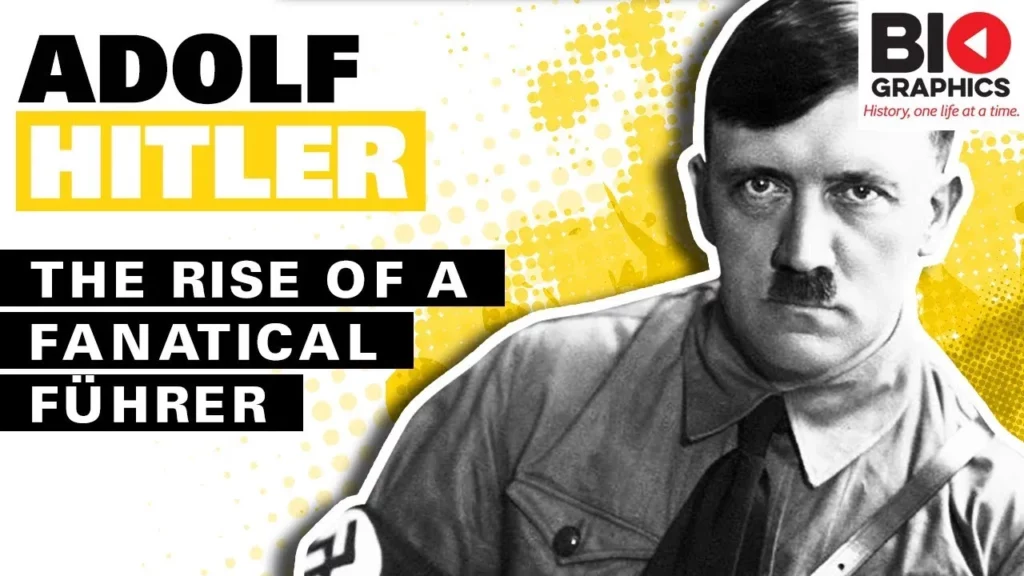
The lesson explores Adolf Hitler’s early life, rise to power, and the devastating impact of his regime during World War II and the Holocaust. It highlights his transformation from a struggling artist to the Chancellor of Germany, emphasizing how economic turmoil and political chaos facilitated the rise of extremist ideologies. The lesson underscores the importance of understanding this history to recognize the dangers of totalitarianism and the necessity of safeguarding democratic values.
Eleanor Roosevelt – The First Lady to the World
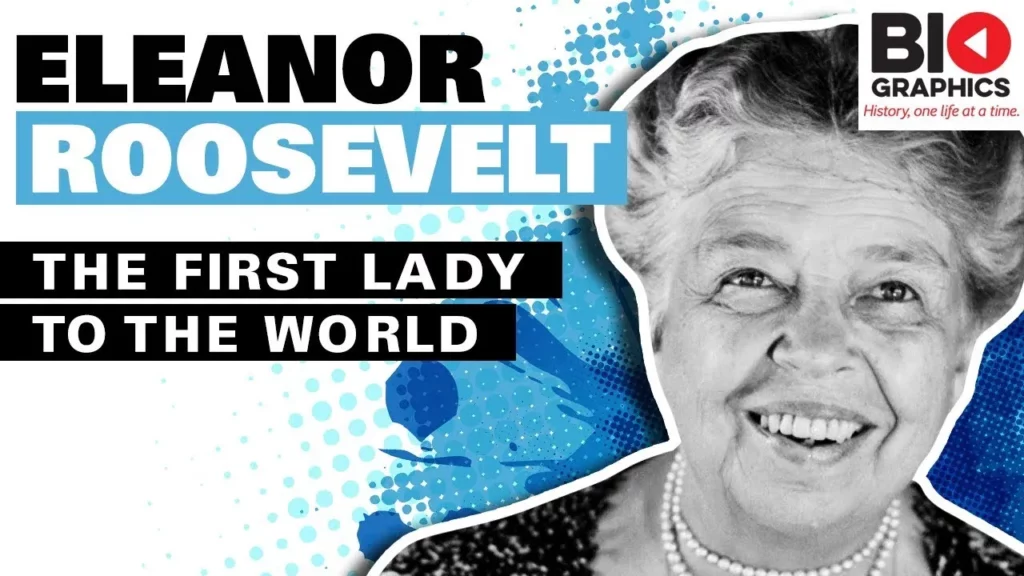
Eleanor Roosevelt transformed from a shy girl into a powerful advocate for social justice and human rights, overcoming personal challenges and societal expectations to become the First Lady of the United States. As First Lady, she redefined the role by actively engaging in humanitarian efforts, supporting civil rights, and playing a pivotal role in the creation of the Universal Declaration of Human Rights. Her legacy as a champion for the underprivileged and a leader in human rights advocacy continues to inspire generations.
Guy Fawkes and the Conspiracy of the Gunpowder Plot

The lesson explores the historical context of the Gunpowder Plot, a failed conspiracy led by Guy Fawkes and others in 1605 to blow up the Palace of Westminster in response to the persecution of Catholics under King James I. It highlights the religious tensions between Catholics and Protestants in England, Fawkes’ background and motivations, and the plot’s discovery, which ultimately led to severe consequences for the conspirators. The legacy of the plot is commemorated annually on Guy Fawkes Night, symbolizing rebellion and resistance against oppression.