
Virginia Hall: The Most Feared Spy of World War II
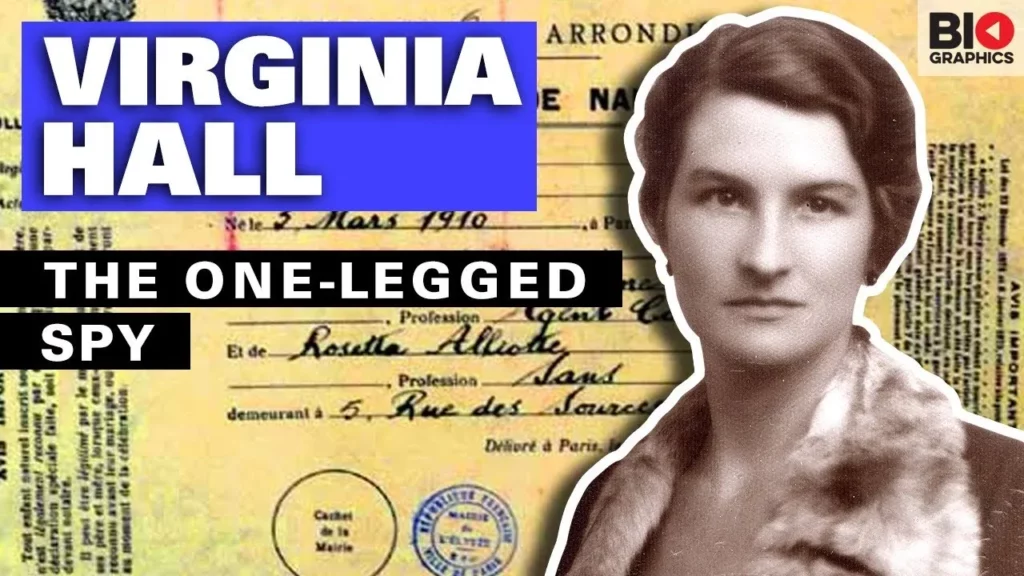
The lesson highlights the remarkable life of Virginia Hall, an American spy during World War II known as “The Limping Lady,” who evaded capture by the Nazis despite being one of their most wanted. Born in Baltimore, Hall defied societal expectations to pursue a career in espionage, ultimately working for the British Special Operations Executive and later the American Office of Strategic Services, where she conducted daring missions and gathered crucial intelligence. Her legacy as a skilled and fearless spy endures, exemplifying courage and determination in the face of adversity.
Reinhard Heydrich: The Butcher of Prague
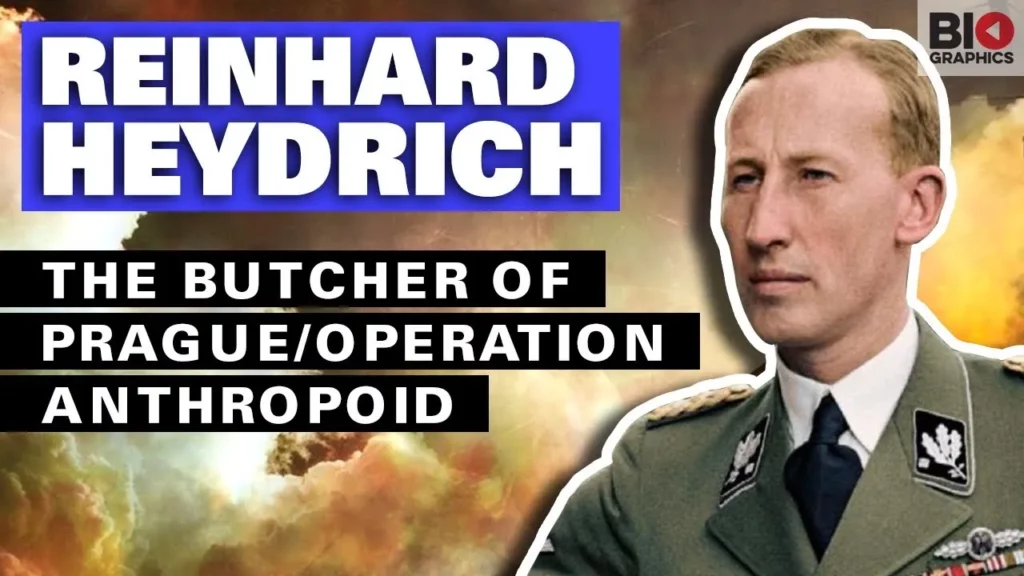
The lesson on Reinhard Heydrich, known as the “Butcher of Prague,” explores his complex life, from his promising beginnings as a musically talented youth to his rise as a key architect of the Holocaust and a high-ranking Nazi official. It details his involvement in orchestrating mass murders and the systematic extermination of Jews, culminating in his assassination in 1942, which sparked brutal Nazi reprisals. Heydrich’s legacy serves as a stark reminder of the capacity for brutality within human nature and the consequences of unchecked power and ideology.
Gianni Versace: The Life, and Shocking Death, of a Billionaire

Gianni Versace, born in Italy in 1946, rose from humble beginnings in a dressmaking family to become a global fashion icon, known for his bold designs and the iconic Medusa logo. Despite his tragic death in 1997 at the hands of a serial killer, Versace’s legacy endures through his influential designs and the continued success of the Versace brand, now led by his sister Donatella. His innovative approach to fashion and strategic business expansions solidified his status as a pioneer in the industry, inspiring future generations.
Codename Garbo: The Greatest Deception of World War II
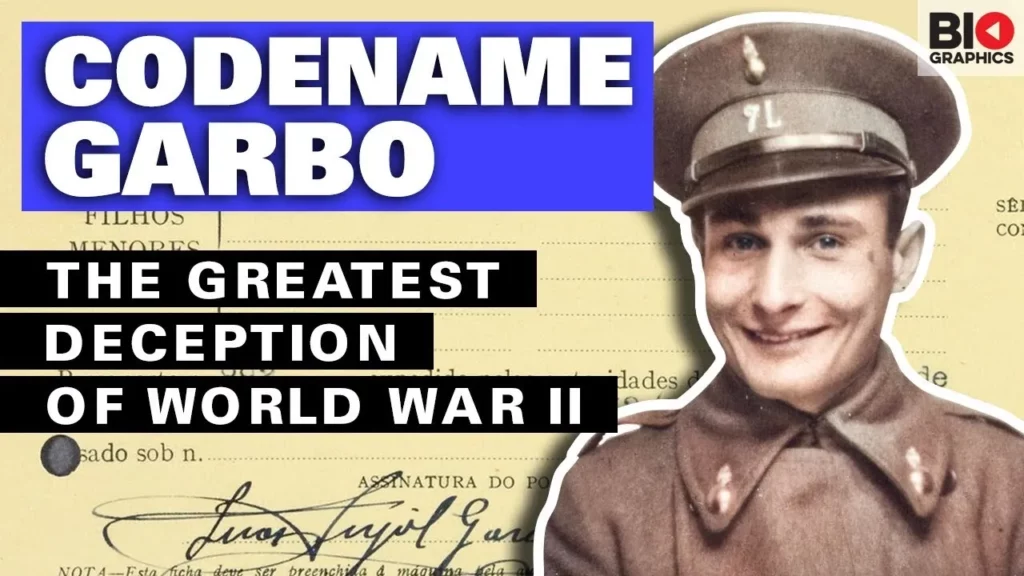
The lesson “Codename Garbo: The Greatest Deception of World War II” explores the remarkable story of Juan Pujol, a double agent known as ‘Garbo,’ and his wife Araceli Gonzalez Carballo, who orchestrated an elaborate deception that misled German intelligence during the war. Their efforts, which included creating a fictitious spy network, played a crucial role in the success of the D-Day invasion. The lesson highlights the significance of deception in warfare and recognizes the often-overlooked contributions of individuals like Araceli in the realm of espionage.
King Herod: Mad Tyrant or Misunderstood Hero?
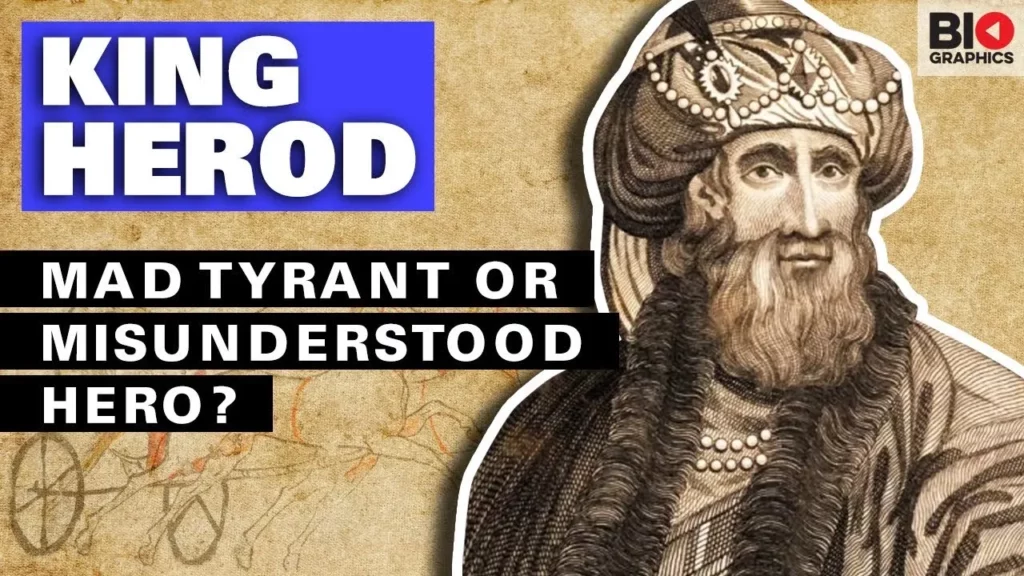
The lesson explores the complex legacy of King Herod the Great, who is often remembered solely for his brutal actions, particularly the Massacre of the Innocents, as recounted in the Bible. It delves into his early life, rise to power, and significant achievements, such as rebuilding the Second Temple, while also highlighting the paranoia and tyranny that marked his reign. Ultimately, the lesson invites a reevaluation of Herod as a multifaceted figure shaped by historical circumstances rather than merely a mad tyrant.
The Story of Robert Kennedy and Sirhan Sirhan

The lesson recounts the tragic events surrounding the assassination of Robert F. Kennedy on June 5, 1968, after he celebrated a victory in the California primary elections. It explores Kennedy’s life as a prominent political figure and his commitment to justice, as well as the background of his assassin, Sirhan Sirhan, whose motivations were influenced by political and personal turmoil. The lesson also touches on the conspiracy theories that have emerged regarding the circumstances of the assassination, highlighting its lasting impact on American history.
Thomas Edison: His Kaleidoscope Mind
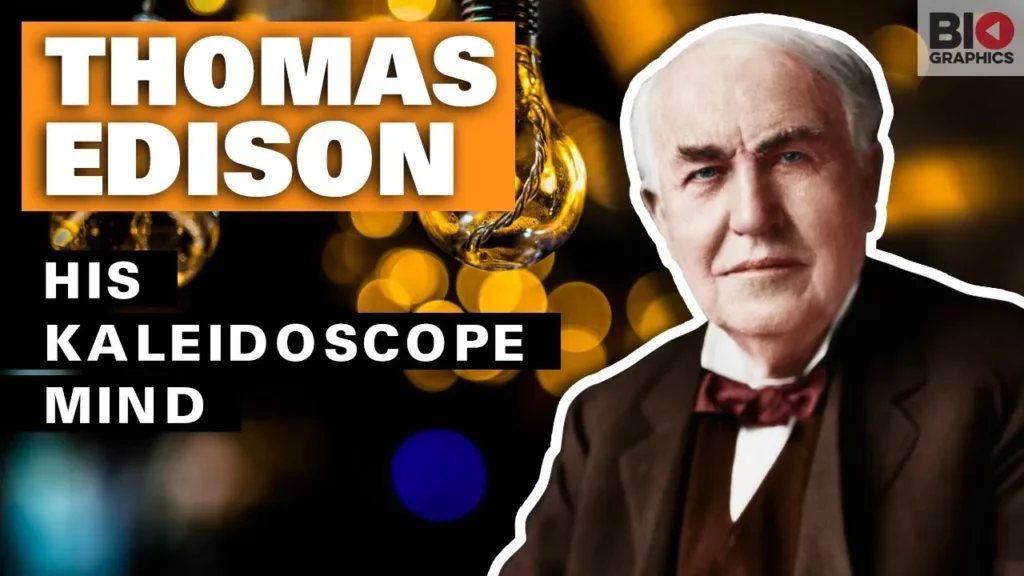
The lesson on Thomas Edison explores his complex legacy as a prolific inventor and businessman, highlighting both his remarkable achievements and the controversies surrounding his character. Born into a challenging family background, Edison displayed an early passion for experimentation, which led him to create over 1,000 inventions, including the light bulb and motion picture technology. While he is celebrated for his contributions to innovation, the lesson also addresses criticisms regarding his competitive nature and claims of taking credit for others’ ideas, prompting reflection on the nuances of his legacy.
James Dresnok: The US Soldier Who Defected to North Korea

The lesson explores the life of James Joseph Dresnok, an American soldier who defected to North Korea during the Cold War, driven by a sense of hopelessness and disillusionment with his life in the U.S. After crossing the Demilitarized Zone, Dresnok became a propaganda tool for North Korea, eventually finding a sense of belonging and celebrity status in his new home, despite the complexities and challenges he faced. His story raises important questions about loyalty, identity, and the impact of personal circumstances on life choices.
Hasan Sabbah: Legend of the Assassins
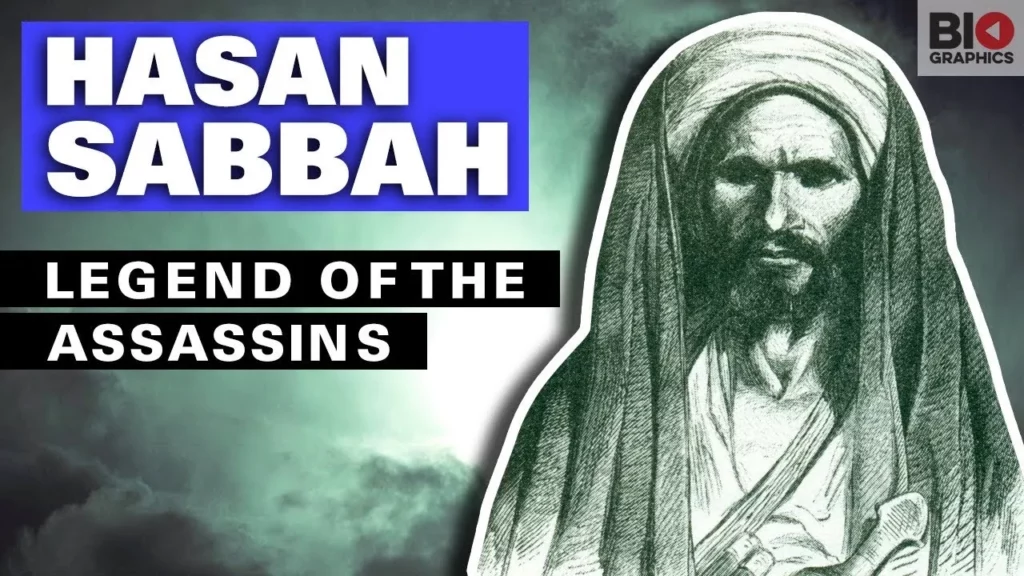
The lesson on Hasan Sabbah and the Assassins explores the historical context and tactics of this enigmatic group during the 11th and 12th centuries, highlighting their strategic use of assassination against powerful adversaries like the Seljuk Turks. It delves into Hasan Sabbah’s life, his conversion to Ismaili Islam, and his establishment of fortified strongholds, which allowed the Assassins to challenge oppressive regimes effectively. Additionally, the lesson examines the myths surrounding the Assassins, their interactions with groups like the Knights Templar, and the enduring legacy of Hasan Sabbah as a master strategist.
Louis Pasteur: The Man Who Saved Billions of Lives
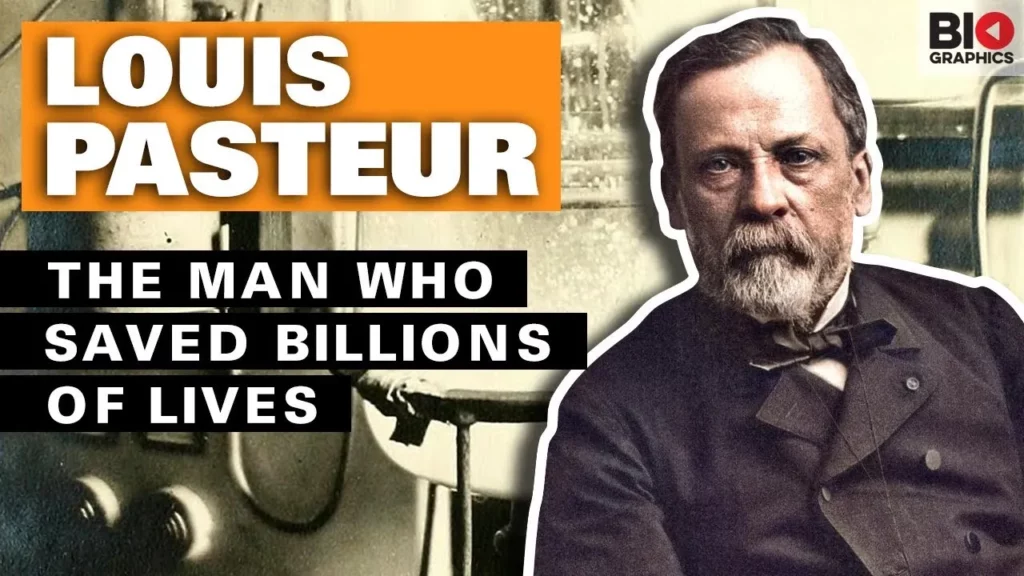
Louis Pasteur was a pioneering chemist whose groundbreaking work in microbiology led to the development of pasteurization and vaccines, significantly advancing modern medicine and saving billions of lives. Despite a challenging start in his education, Pasteur’s curiosity and dedication led to key discoveries, including the germ theory of disease and the first vaccines for cholera and rabies. His legacy continues through practices like pasteurization and the ongoing impact of his contributions to public health.