
The Ayatollah Khomeini: The Cleric, The Emperor and The Great Satan
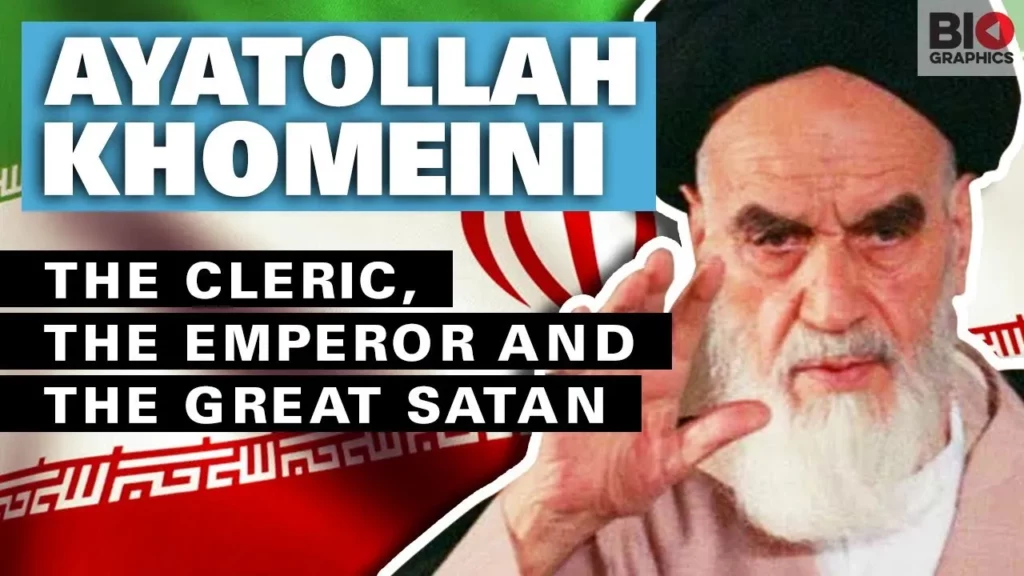
The lesson on Ayatollah Khomeini explores his transformation of Iran from a Western-aligned nation into a theocratic state, highlighting his role as a significant religious and political leader. It delves into Khomeini’s early life, rise to prominence, and the Iranian Revolution, illustrating how his leadership led to the establishment of an Islamic Republic and strained relations with the United States. Khomeini’s legacy is marked by both his influence on Iranian society and the ongoing tensions between Iran and the West, particularly through events like the U.S. Embassy hostage crisis and the fatwa against Salman Rushdie.
Nero: Rome’s Antichrist
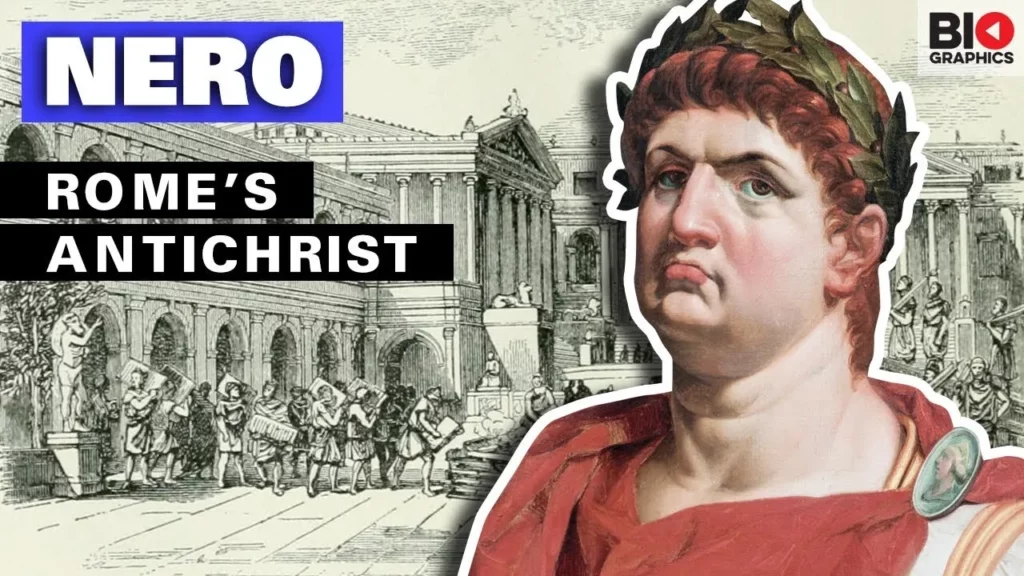
In the lesson “Nero: Rome’s Antichrist,” we explore the tumultuous life of Emperor Nero, who ascended to power at just 16 years old, driven by the manipulative ambitions of his mother, Agrippina. Despite his initial popularity due to reforms and a common touch, Nero’s reign quickly descended into tyranny marked by brutal acts, including the murder of his mother and the persecution of Christians, ultimately leading to his infamous legacy as a cruel and unstable ruler. The lesson highlights the contradictions of Nero’s character, showcasing both his artistic aspirations and his descent into madness, culminating in a reign that left a lasting impact on Roman history.
Hong Xiuquan: The Taiping Rebellion
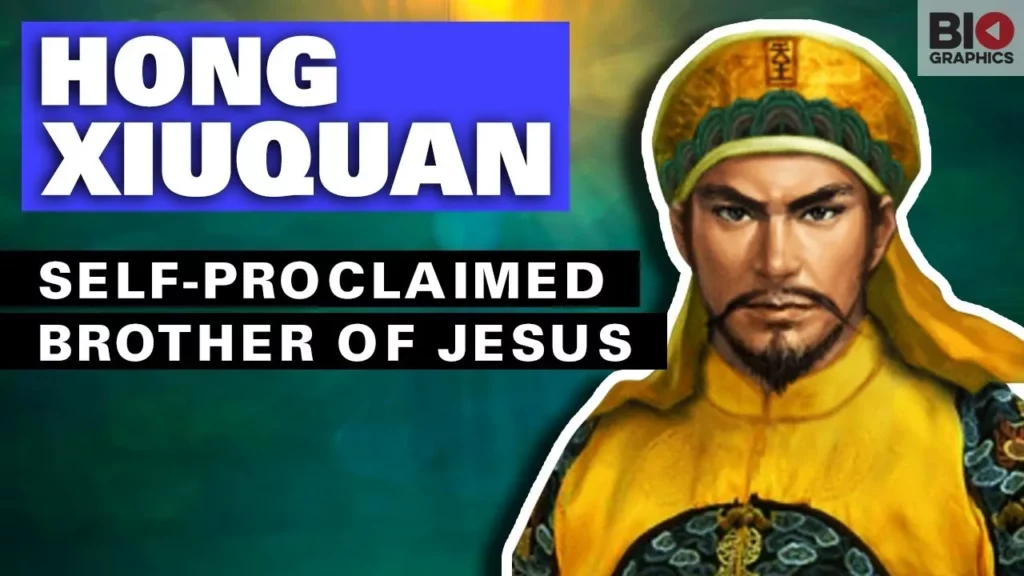
The Taiping Rebellion, led by Hong Xiuquan from 1851 to 1864, was one of the deadliest civil wars in history, resulting in approximately 20 million deaths as it challenged the Qing dynasty amid social unrest and dissatisfaction. Hong, a failed scholar who believed he was the son of God, rallied support from marginalized groups to establish the Taiping Heavenly Kingdom, but internal conflicts and harsh tactics ultimately led to its downfall. The rebellion’s legacy continues to influence Chinese history and social movements, inspiring future leaders like Mao Zedong.
Augusto Pinochet: The Great Betrayal
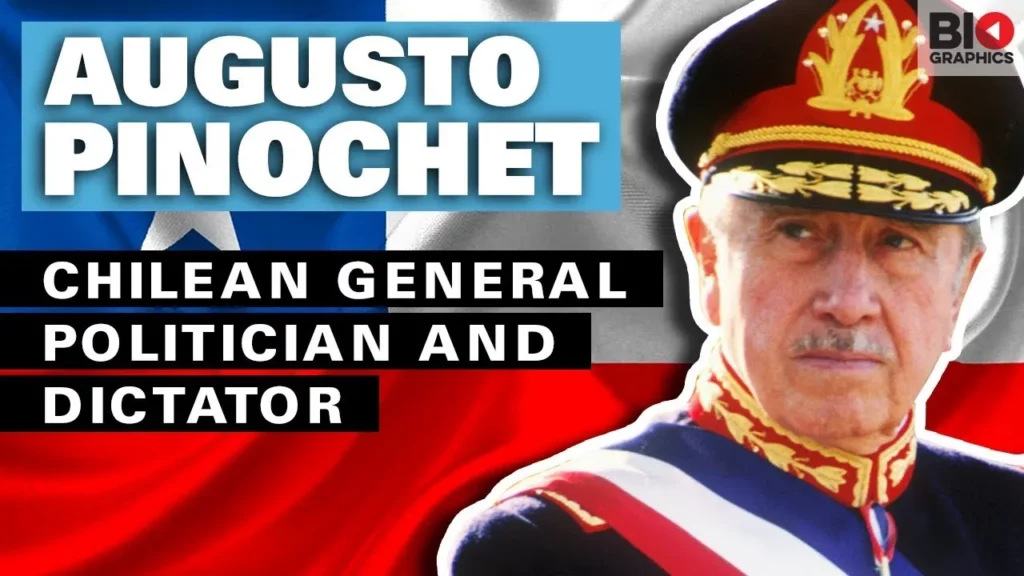
The lesson on Augusto Pinochet explores the moral complexities of power and betrayal, highlighting his rise from a military officer to the dictator of Chile after leading a coup against President Salvador Allende in 1973. Pinochet’s regime was marked by severe human rights abuses and economic reforms that, while transformative, deepened social inequalities. The lesson concludes with Chile’s ongoing efforts to confront and reconcile with the legacy of his dictatorship, emphasizing the importance of accountability for past atrocities.
Victor Lustig: The King of Con Men who Sold the Eiffel Tower
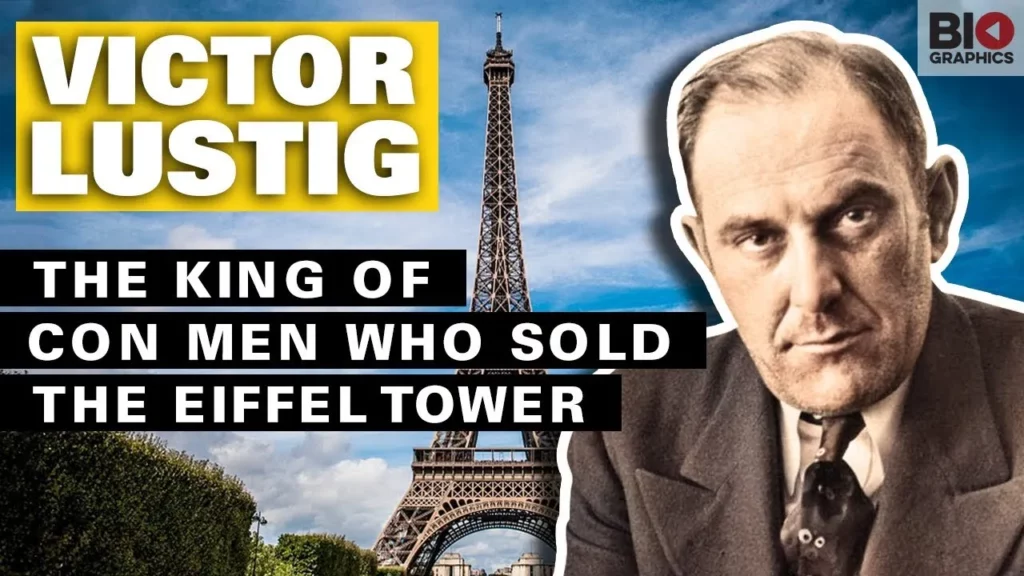
Victor Lustig, known as the “King of Con Men,” was a master swindler whose audacious schemes spanned two continents during the early 20th century. His most infamous con involved selling the Eiffel Tower as scrap metal, showcasing his charm and cunning ability to deceive even the most astute individuals. Despite his eventual capture by the Secret Service, Lustig’s legacy endures as a testament to the art of persuasion and the allure of con artistry.
Fulgencio Batista: Cuba’s Military Dictator
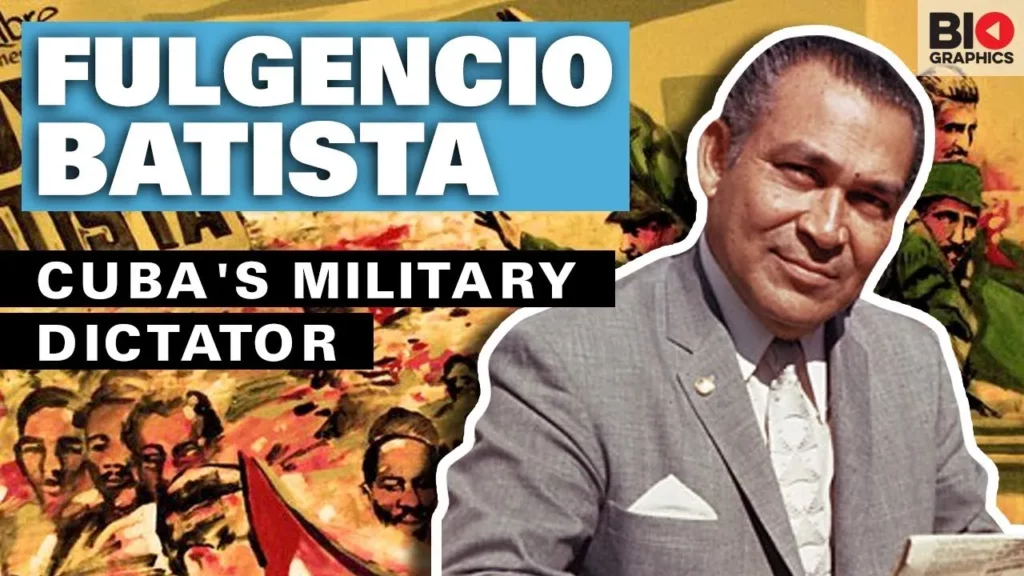
The lesson explores the complex life and political career of Fulgencio Batista, a Cuban leader who initially implemented progressive reforms and supported the drafting of a new constitution before becoming a military dictator. Born into poverty, Batista rose through the military ranks and played a pivotal role in Cuban politics, ultimately leading a coup in 1952 that suspended democratic processes and aligned himself with corrupt elites. His regime faced increasing opposition, culminating in the Cuban Revolution led by Fidel Castro, which forced Batista to flee the country in 1959.
King Haakon VII: All for Norway
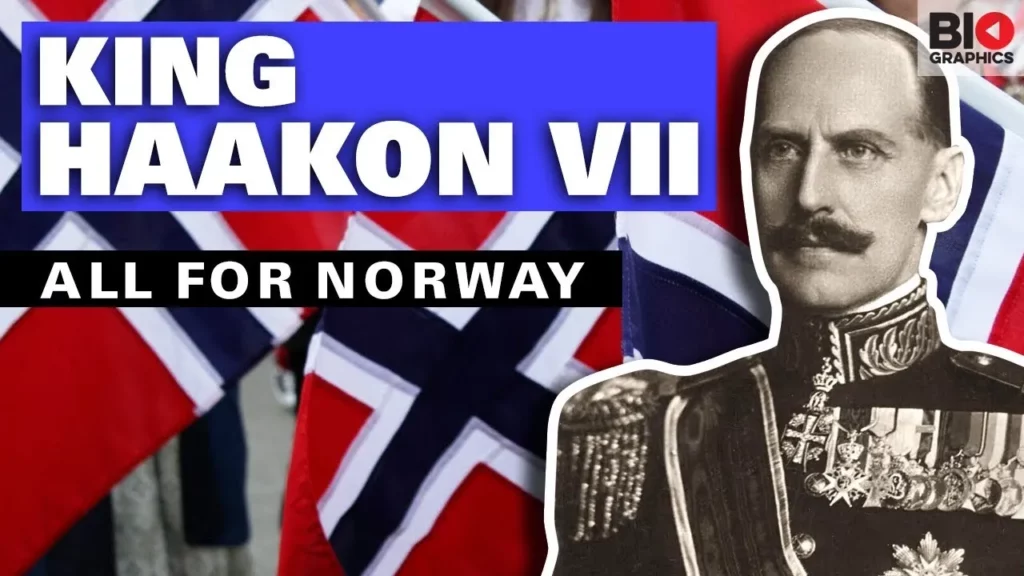
King Haakon VII of Norway, originally a Danish prince named Carl, unexpectedly ascended to the throne in 1905 after Norway sought independence from Sweden. He became a beloved monarch known for his democratic values, support for women’s suffrage, and resilience during World War II, where he refused to cooperate with Nazi occupiers and became a symbol of resistance. His legacy is marked by his commitment to the Norwegian people and his role in rebuilding the nation after the war.
Elvis Presley: Life and Death of the King
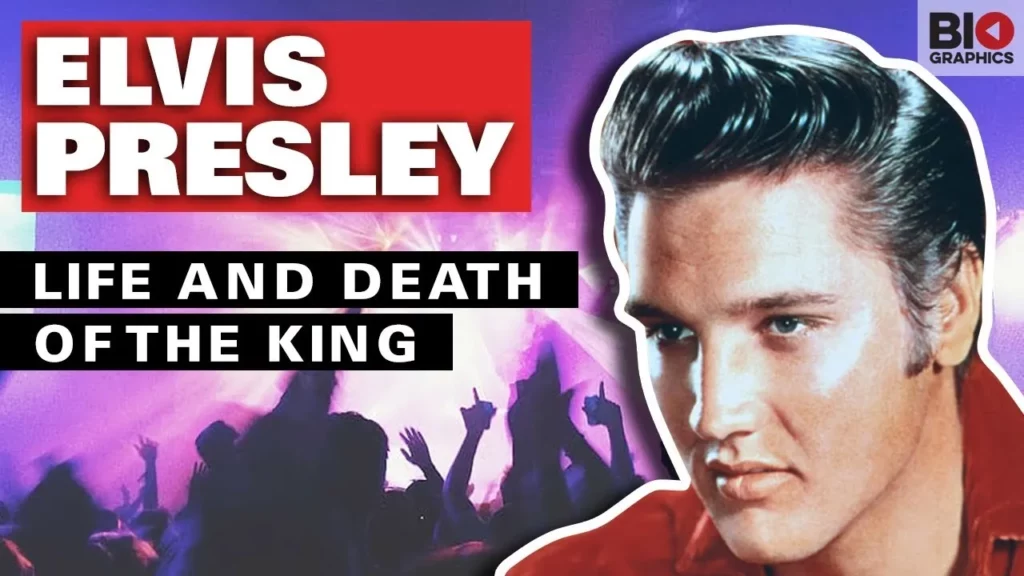
The lesson explores the life and legacy of Elvis Presley, the King of Rock ‘n’ Roll, detailing his rise to fame from humble beginnings in Mississippi to becoming a cultural icon in the 1950s. It highlights his unique blend of musical styles, the controversies surrounding his influence on youth, and the challenges he faced throughout his career, including personal struggles and health issues. Ultimately, the lesson underscores Elvis’s enduring impact on the music industry and his status as a legendary figure even after his untimely death at 42.
Roald Amundsen: Conqueror of the South Pole
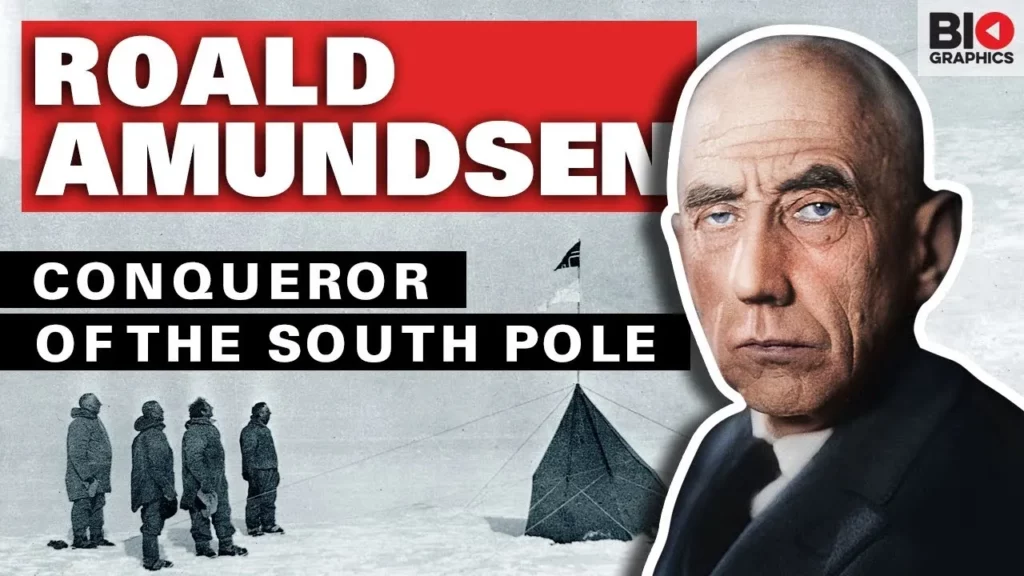
The lesson covers the life and achievements of Roald Amundsen, a prominent explorer during the Heroic Age of Antarctic Exploration. Born in Norway in 1872, Amundsen pursued his passion for exploration despite initial pressures to become a doctor, ultimately becoming the first person to reach the South Pole in 1911. His adventurous spirit led him to navigate the Northwest Passage and attempt a flight over the North Pole, but he tragically disappeared during a rescue mission in 1928.
John Anthony Walker: A Soviet Agent In Our Midst
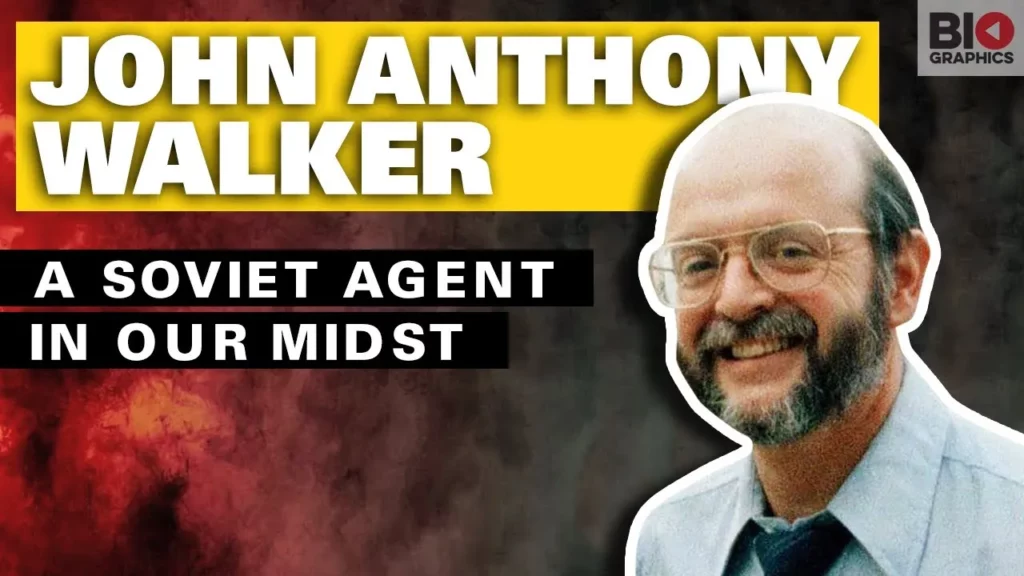
The lesson on John Anthony Walker highlights the complexities of espionage during the Cold War, focusing on Walker’s double life as a U.S. naval officer and a Soviet spy. Despite his outward loyalty, Walker’s actions, which included recruiting family members into his espionage activities, significantly compromised U.S. national security and brought the two superpowers closer to conflict. His eventual arrest serves as a cautionary tale about the personal and political ramifications of betrayal during a time of heightened tension.