
Joaquin Murrieta: The Real Zorro
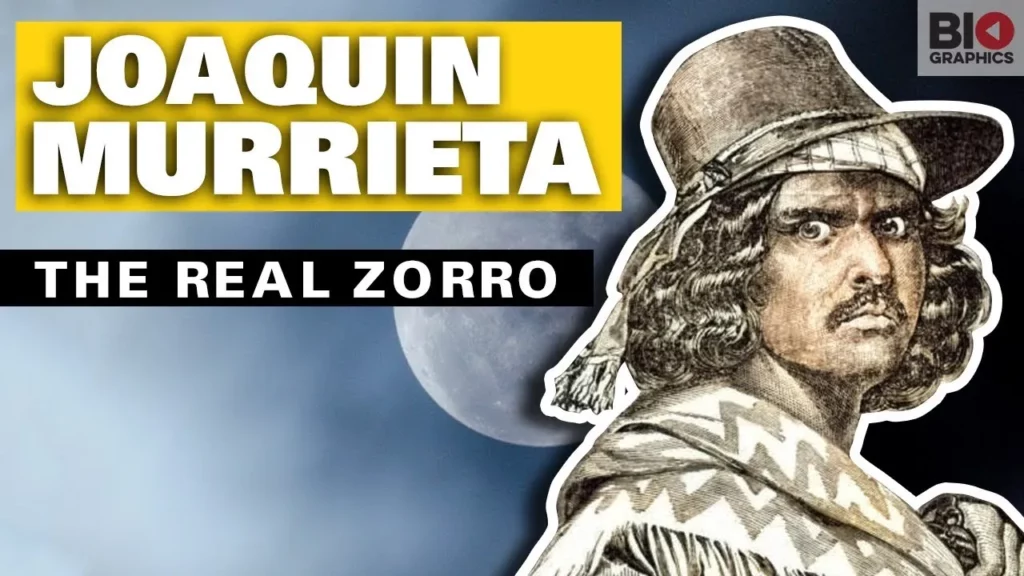
The lesson explores the life of Joaquin Murrieta, a historical figure who inspired the fictional character Zorro. It details Murrieta’s transformation from a gold miner to a vigilante hero seeking justice for the injustices faced by Mexican-Americans during the tumultuous period of California’s transition from Mexican to American control. His legacy, viewed variably as that of a criminal or a hero, continues to provoke discussions about justice and identity in American history.
Sir Charles Kingsford Smith: A Pioneer of Flight
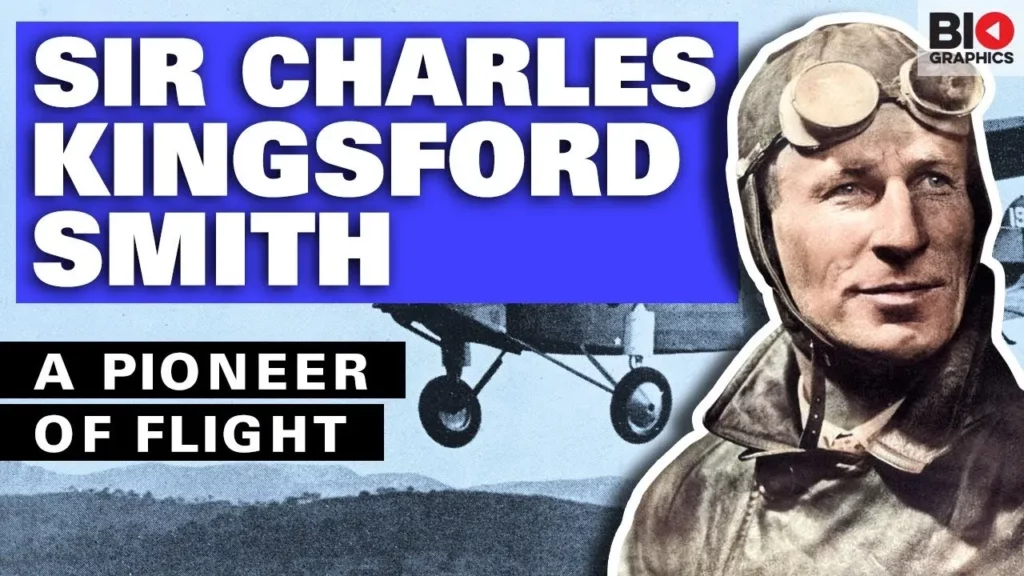
Charles Kingsford Smith was a pioneering aviator from Australia, renowned for his adventurous spirit and significant contributions to aviation, including the first trans-Pacific flight from the United States to Australia. His journey began in World War I, where he developed a passion for flying, leading to numerous historic flights and the establishment of airmail services. Despite facing controversies and a tragic end, Kingsford Smith’s legacy as an aviation hero endures, celebrated for his courage and groundbreaking achievements.
Edgar Allan Poe: Beyond the Horror
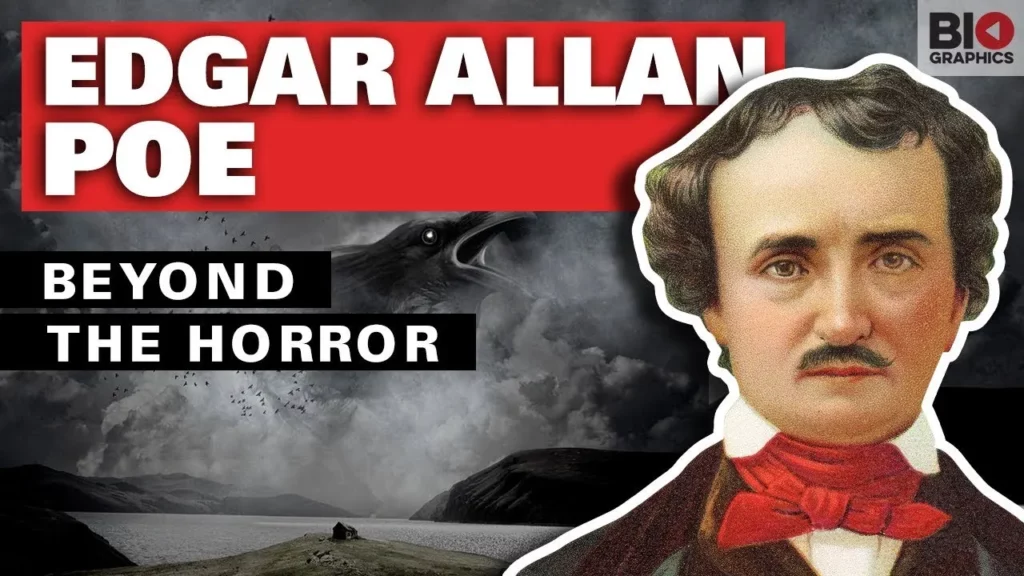
The lesson explores the multifaceted life of Edgar Allan Poe, revealing that he was more than just a writer of horror and mystery; he was a complex individual shaped by personal tragedies and challenges. From his early years as an orphan to his rise as a literary critic and pioneer of detective fiction, Poe’s experiences, including the loss of loved ones and struggles with addiction, significantly influenced his work and legacy. Ultimately, the lesson emphasizes the importance of understanding the man behind the macabre tales, highlighting his lasting impact on literature.
Mad Jack Churchill: A Life Too Unbelievable For Fiction
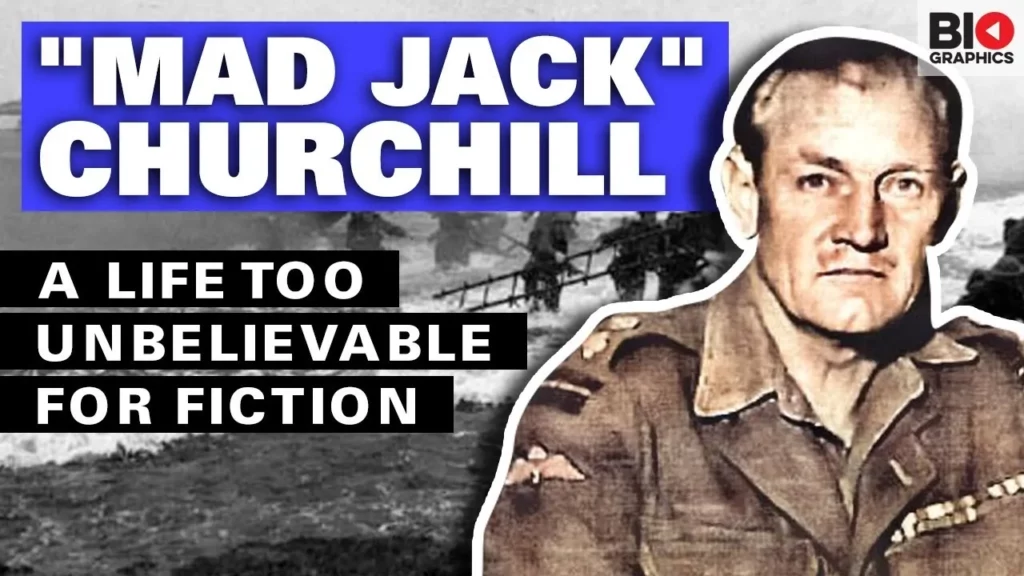
The lesson on “Mad Jack” Churchill highlights the extraordinary life of a man whose adventures during World War II seemed almost fictional. Known for charging into battle with a broadsword and playing bagpipes to inspire his troops, Churchill’s unconventional approach earned him a legendary status, marked by bravery and eccentricity. After the war, he continued to embrace adventure in civilian life, showcasing a spirit of boldness and humor until his passing in 1996.
Archimedes: The Greatest Mind in Ancient History
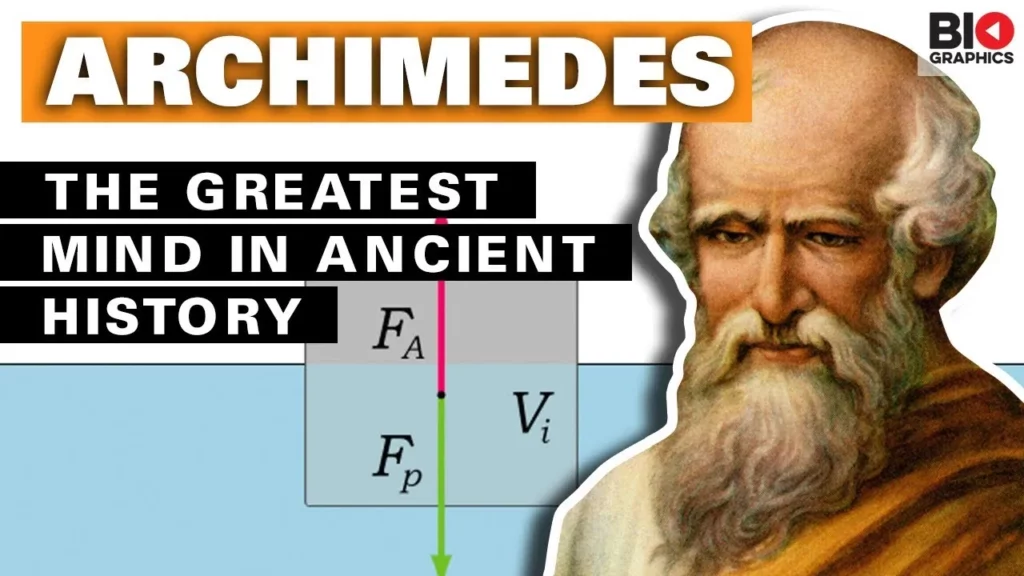
The lesson on Archimedes highlights his remarkable contributions as an ancient Greek mathematician and inventor, whose work laid the groundwork for future scientific advancements. Notable achievements include the invention of the Archimedes Screw, the formulation of the Archimedes Principle, and the development of innovative war machines to defend Syracuse. Despite his tragic death during the Roman invasion, Archimedes’ legacy endures through his mathematical discoveries and inventions, continuing to inspire generations.
Charles Dickens: The Greatest Victorian Novelist
The lesson explores the life and legacy of Charles Dickens, highlighting his status as the greatest Victorian novelist and his profound influence on literature and social reform. It details his challenging childhood, which inspired many of his works, and his commitment to addressing social issues through storytelling. Dickens’ unique style and moral lessons continue to resonate today, making his stories timeless classics celebrated worldwide.
Neville Chamberlain and the Politics of Appeasement
The lesson explores the life and political career of Neville Chamberlain, focusing on his controversial policy of appeasement during the lead-up to World War II. Chamberlain’s decision to concede to Hitler’s demands regarding the Sudetenland is critically examined, highlighting the complexities of his choices and the subsequent consequences of his leadership. Ultimately, the lesson serves as a reflection on the difficult decisions faced by leaders and the potential ramifications of their actions in the context of international relations.
Charlemagne: The Father of Europe
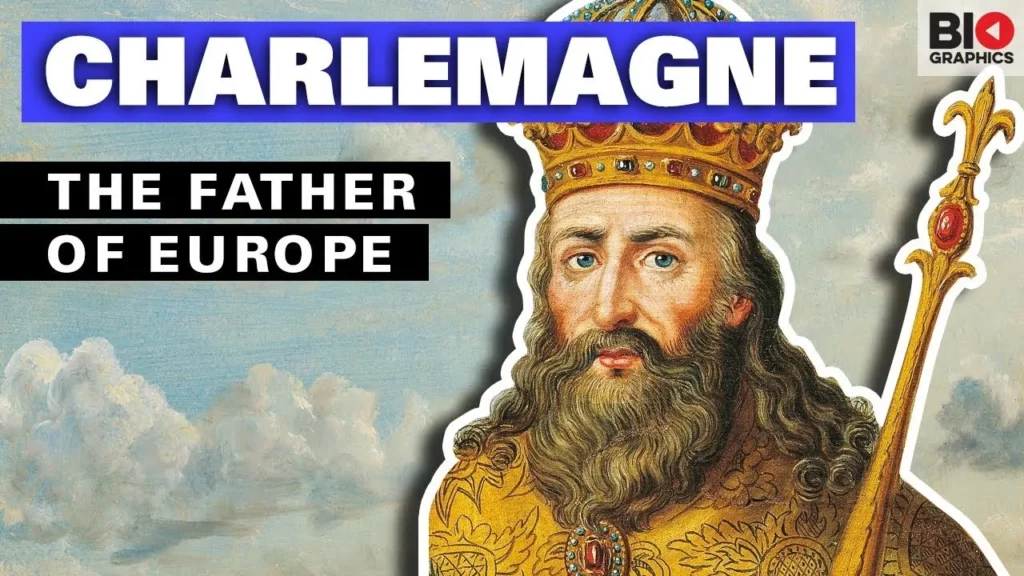
The lesson on Charlemagne, known as the Father of Europe, explores his rise to power following the fall of the Roman Empire and his significant impact on Western Europe. Through military conquests and administrative reforms, Charlemagne unified the Frankish kingdom, expanded its territories, and initiated the Carolingian Renaissance, which revived education and culture. His legacy includes the establishment of a more cohesive Europe and the foundations for modern nation-states, marking a pivotal transition from the Dark Ages.
Vidkun Quisling: The Man Who Sold his Country to the Third Reich
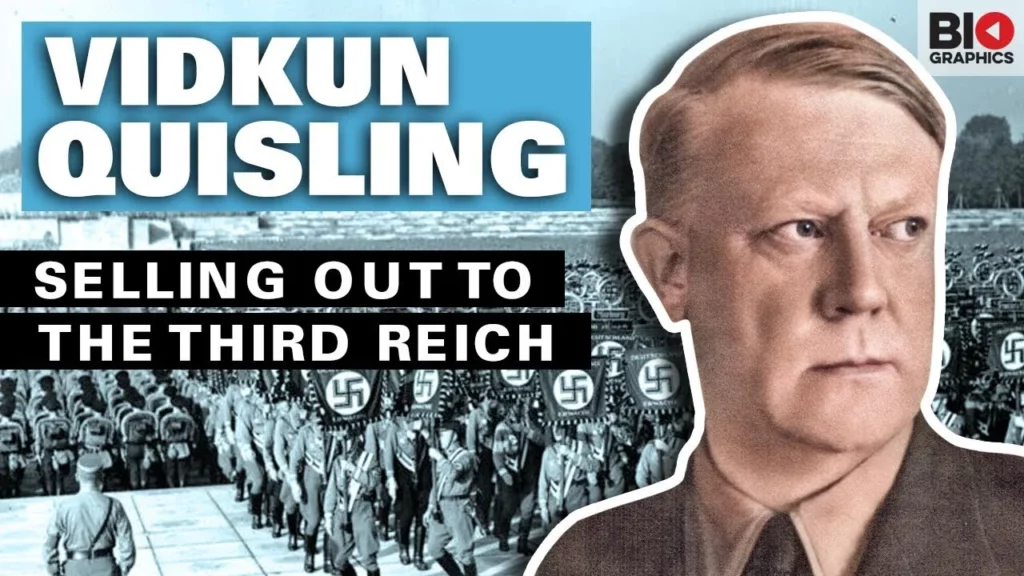
The lesson explores the life and actions of Vidkun Quisling, a Norwegian politician who collaborated with Nazi Germany during World War II, ultimately becoming a symbol of betrayal. It highlights his rise to power, the establishment of a puppet government, and the widespread resistance he faced from the Norwegian populace, as depicted in John Steinbeck’s novel *The Moon is Down*. Quisling’s legacy serves as a cautionary tale about the consequences of treachery and the moral resistance embodied by figures like Mayor Orden in Steinbeck’s work.
Robert Hanssen: The FBI Mole who Spied for the KGB

The lesson on Robert Hanssen explores the complex motivations behind acts of treason, encapsulated in the acronym ‘MICE’—Money, Ideology, Compromise, and Ego. Hanssen, an FBI agent who betrayed his country by selling secrets to Soviet and Russian intelligence, exemplifies how personal trauma, a desire for excitement, and financial pressures can drive individuals to commit espionage. His case highlights the vulnerabilities within intelligence agencies and serves as a cautionary tale about the factors that can lead to betrayal.