
Burke and Hare – The Anatomy Murderers
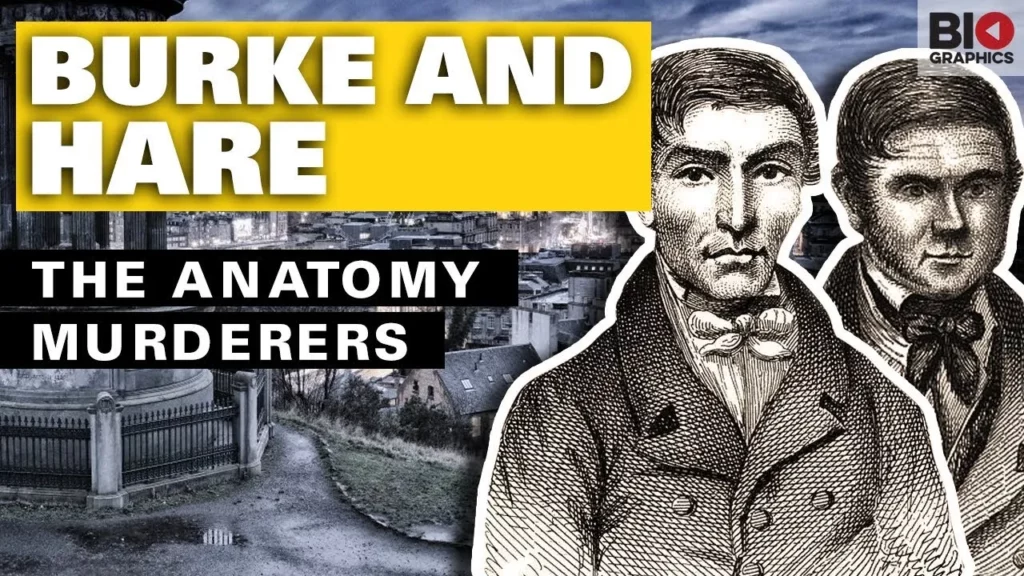
The lesson on Burke and Hare explores the dark intersection of medical demand and ethical boundaries in 19th century Edinburgh, where a significant need for cadavers led to the emergence of body snatchers. William Burke and William Hare infamously turned to murder to supply this demand, targeting vulnerable individuals and ultimately facing public outrage and legal consequences for their gruesome actions. Their story underscores the moral dilemmas surrounding medical research and the lengths to which some may go in pursuit of knowledge and profit.
Nancy Wake: The White Mouse Was The Gestapo’s Most Wanted
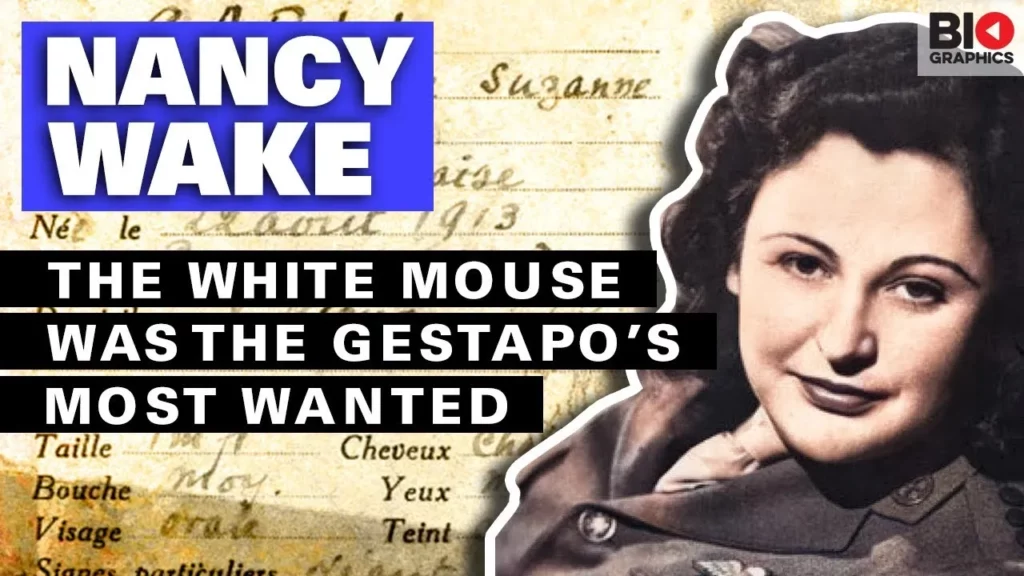
The lesson highlights the remarkable life of Nancy Wake, an Australian woman who became a key figure in the French Resistance during World War II, earning the nickname “The White Mouse” for her ability to evade capture by the Gestapo. Initially living a comfortable life as a journalist in France, her experiences with the Nazi regime motivated her to join the fight against oppression, leading her to become a skilled secret agent for the Special Operations Executive. Despite facing immense challenges, including the loss of her husband to the Gestapo, Nancy’s bravery and resourcefulness left a lasting legacy of courage and resilience.
Alexis St Martin: A Hole in the Stomach
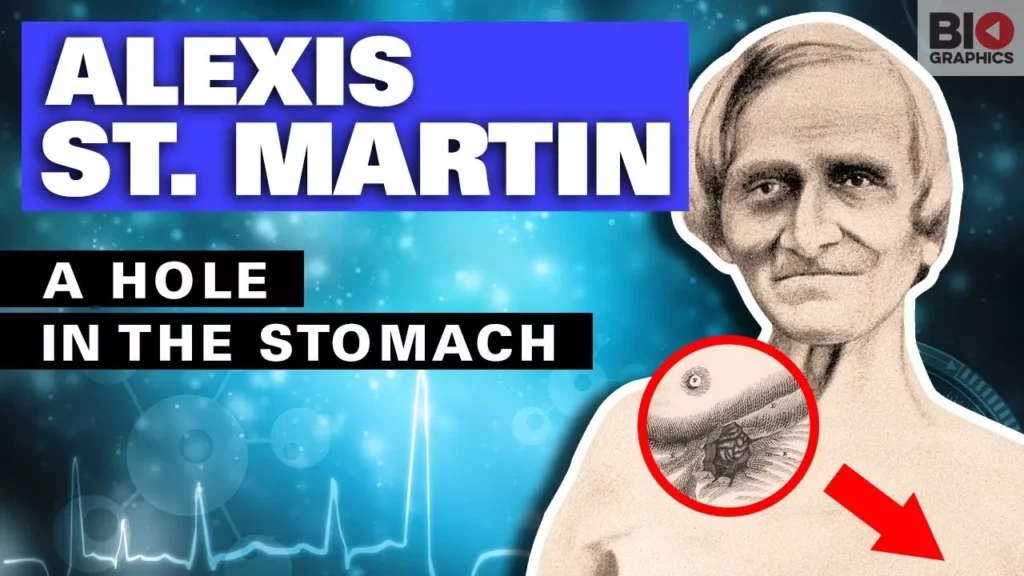
The lesson explores the extraordinary story of Alexis St Martin, a French-Canadian fur trapper who survived a severe gunshot wound to his stomach in 1822, which led to groundbreaking discoveries in the field of digestion. Under the care of Dr. William Beaumont, who studied Alexis’s unique condition, significant insights into gastric physiology were gained, ultimately shaping our modern understanding of how digestion works. This narrative highlights how unexpected circumstances can lead to valuable scientific advancements.
General Heinz Guderian: The Father of the Blitzkrieg
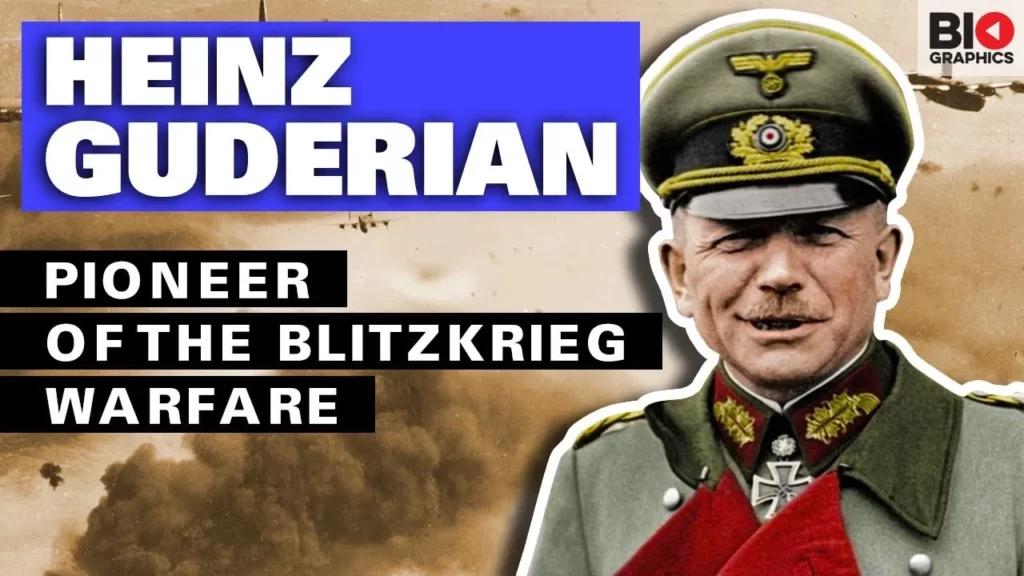
The lesson explores the life and military contributions of General Heinz Guderian, who is recognized as the “Father of Blitzkrieg” for his innovative tactics that revolutionized armored warfare during World War II. Guderian’s strategies, which emphasized rapid movement and coordination between ground and air forces, played a crucial role in Germany’s early successes in the war. However, his legacy is complicated by his relationship with the Nazi regime and the moral implications of his military actions.
Roy Benavidez: The Lazarus Soldier
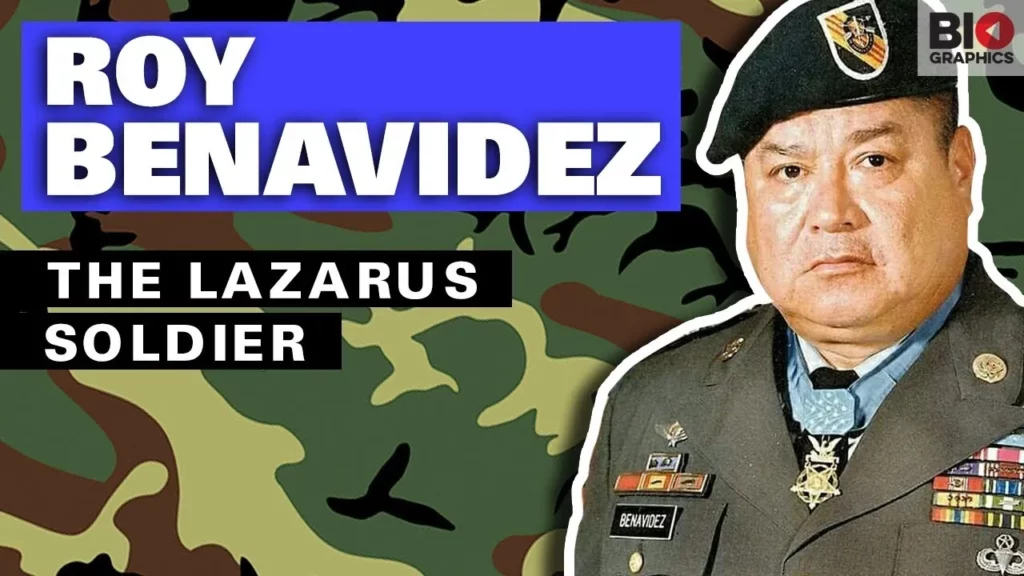
The lesson highlights the remarkable life of Master Sergeant Raul ‘Roy’ Benavidez, a soldier celebrated for his extraordinary courage and resilience, earning him the nickname “the Lazarus soldier.” Despite a challenging childhood and a life-altering injury in Vietnam, Roy’s determination led him to recover and return to active duty, where he displayed exceptional bravery during a rescue mission, ultimately receiving the Medal of Honor. His legacy serves as an inspiration, emphasizing selflessness and duty over personal accolades.
Harry Houdini – Escape Artist and Marketing Genius
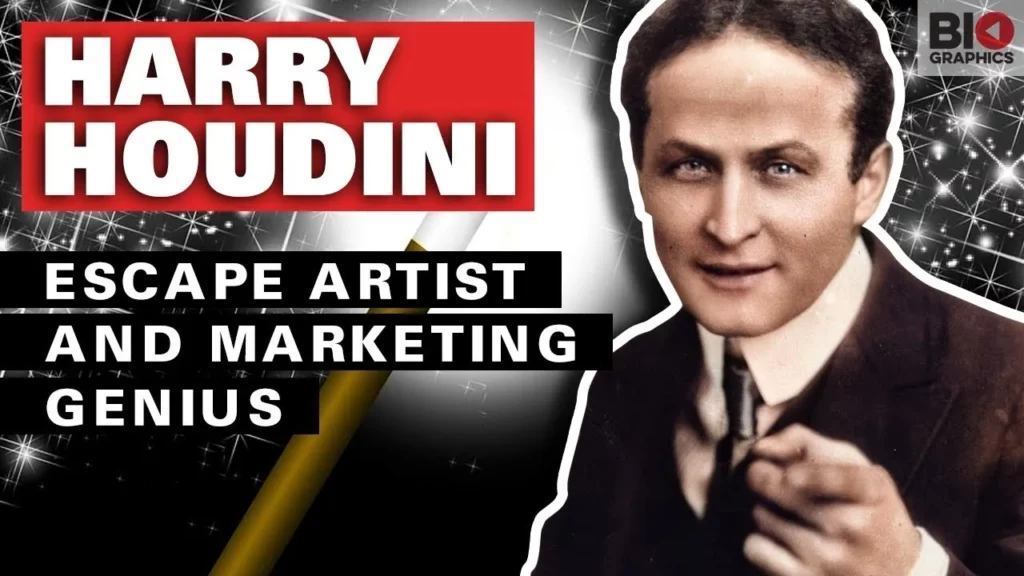
The lesson explores the remarkable life of Harry Houdini, born Erik Weisz, who transformed from a young immigrant to a legendary escape artist and marketing innovator. Through his relentless dedication to performance and clever promotional strategies, Houdini captivated audiences worldwide, leaving a lasting legacy that continues to inspire. His story highlights the power of passion, hard work, and the pursuit of dreams.
Martha Gellhorn: The World’s Greatest War Correspondent
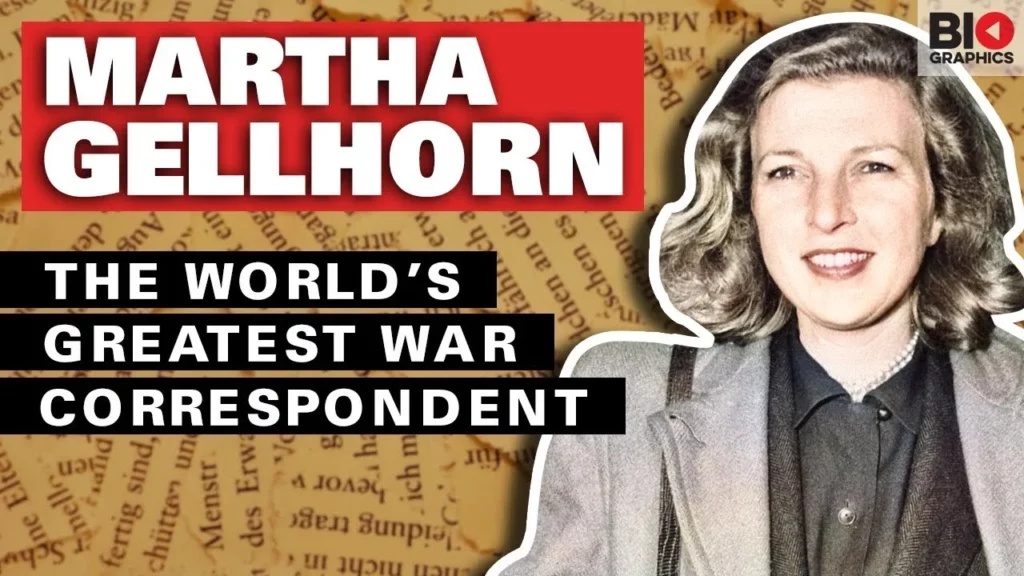
Martha Gellhorn, born in 1908, emerged as a pioneering war correspondent influenced by her progressive upbringing and early experiences with social justice. Despite facing challenges, including sexual harassment and a tumultuous marriage to Ernest Hemingway, she dedicated her life to documenting the realities of war and advocating for marginalized communities. Gellhorn’s legacy endures through the Martha Gellhorn Prize for Journalism, inspiring future journalists to pursue truth and amplify the voices of the oppressed.
Giuseppe Garibaldi: One of the Greatest Generals of Modern Times
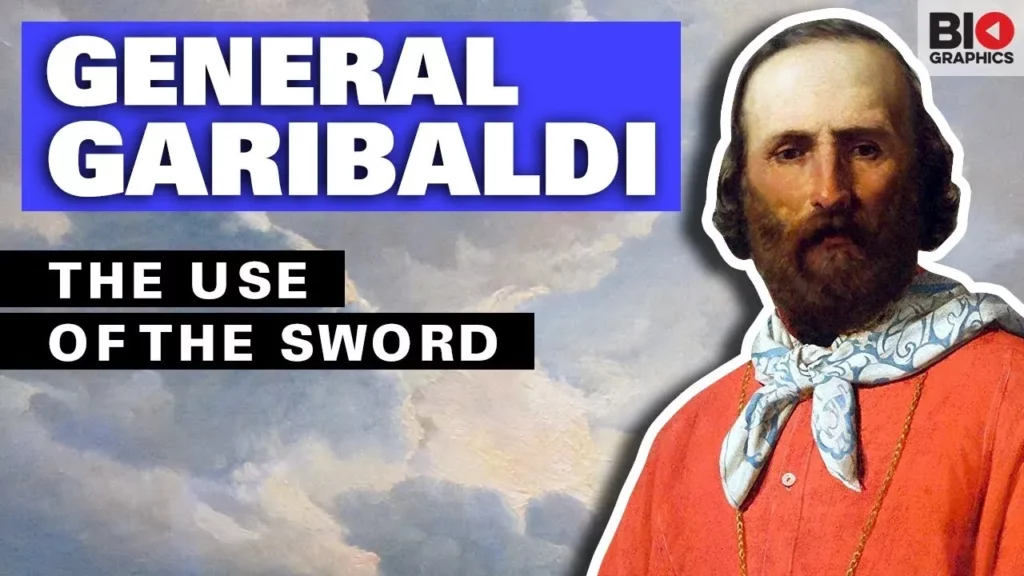
The lesson highlights the pivotal role of General Giuseppe Garibaldi in the unification of Italy, which was achieved in 1861, making Italy a relatively young nation. Garibaldi, a self-taught military leader known for his iconic appearance and guerrilla warfare tactics, led significant campaigns, including the famous ‘Expedition of the Thousand,’ which helped consolidate various Italian states into a unified kingdom. His legacy as a champion of independence and republican ideals continues to influence discussions on nationalism and democracy.
Alexander Graham Bell: A Life of Innovation and Controversy
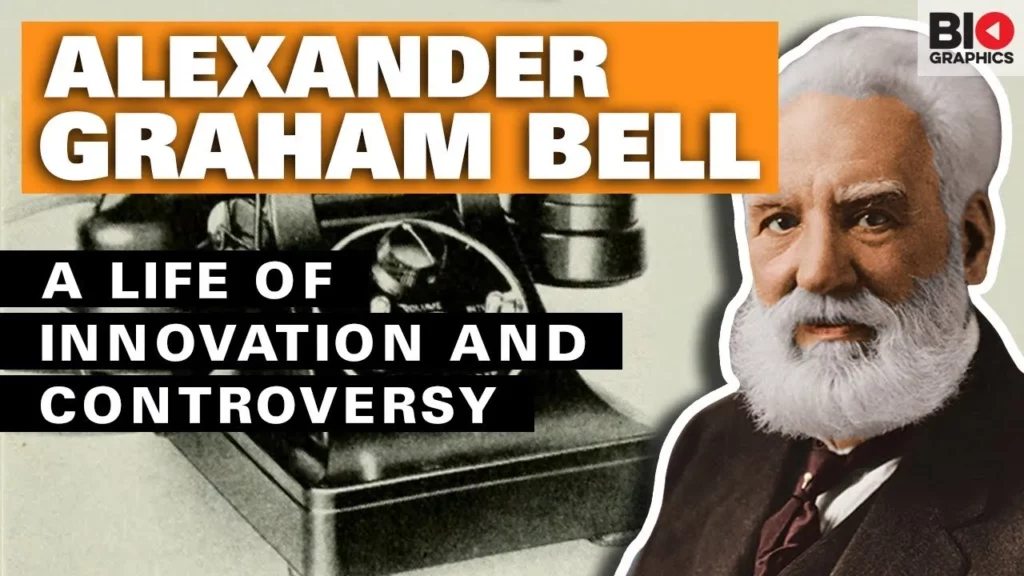
The lesson explores the life of Alexander Graham Bell, highlighting his groundbreaking inventions, particularly the telephone, while also addressing the controversies surrounding his legacy. Born in Scotland and influenced by his family’s background in phonetics, Bell’s innovations extended beyond communication to fields like aviation and sound technology. However, his opposition to sign language and views on eugenics have sparked debate about his impact on the deaf community, raising questions about whether he was a hero or a hinderer.
Wallis Simpson and Edward VIII: The Marriage that Changed History

The lesson explores the profound impact of Edward VIII’s abdication of the British throne in 1936, driven by his love for Wallis Simpson, an American divorcée. This unprecedented decision not only altered the course of British monarchy but also highlighted the tensions between personal desire and royal duty, as Edward chose love over his responsibilities as king. Their tumultuous relationship, marked by societal challenges and personal struggles, remains a significant chapter in 20th-century history.