
Marcus Aurelius The Philosopher King
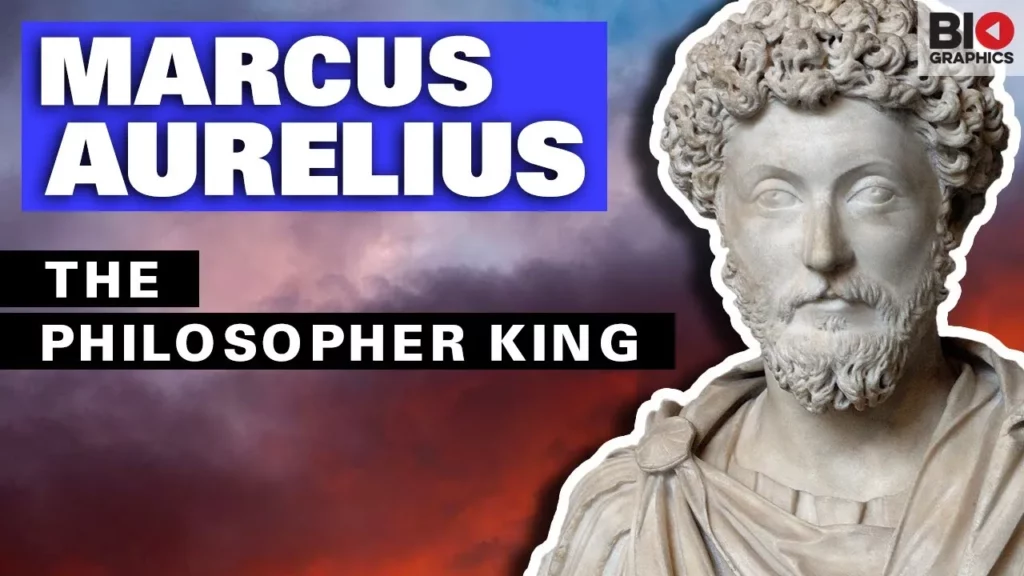
The lesson on Marcus Aurelius, known as “The Philosopher King,” highlights his reign as the last of the Five Good Emperors during a tumultuous period that marked the end of the Pax Romana. Despite his Stoic beliefs in reason and virtue, his leadership was challenged by wars, a devastating plague, and internal strife, all of which he navigated while documenting his thoughts in the influential work *Meditations*. His life exemplifies the complexities of leadership and the necessity of wisdom and virtue in the face of adversity.
Harry S. Truman: The Accidental President

The lesson on Harry S. Truman highlights his remarkable journey from a modest farming background to becoming the 33rd President of the United States. Despite facing numerous personal and professional challenges, including early failures and the unexpected rise to the presidency after Franklin D. Roosevelt’s death, Truman’s leadership during pivotal moments such as World War II and the beginning of the Cold War ultimately reshaped his legacy. His story serves as an inspiring testament to the idea that greatness can emerge from humble beginnings and that determination and integrity can lead to significant historical impact.
William the Conqueror: Warrior King
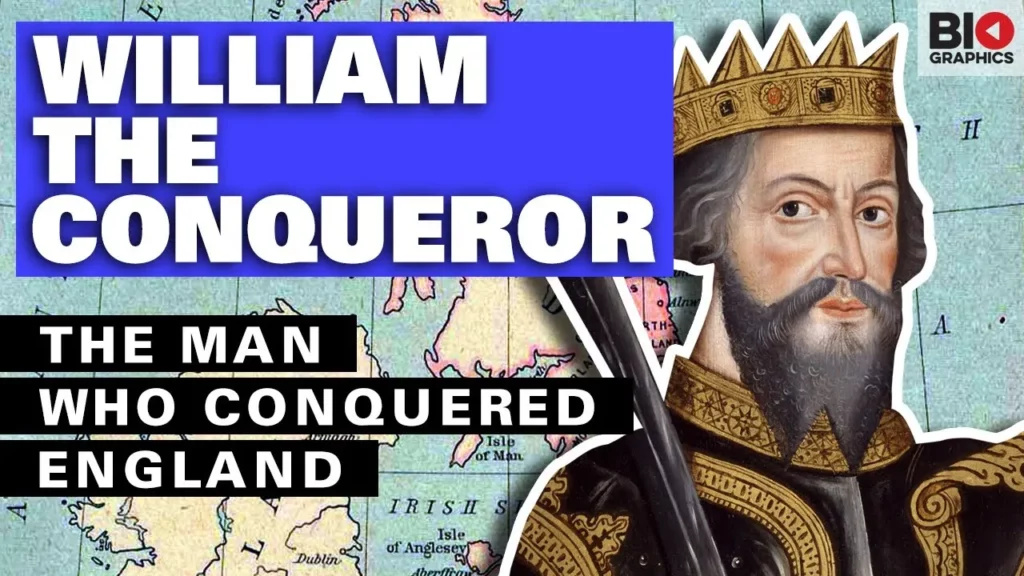
The lesson on William the Conqueror details his rise to power following the death of King Edward the Confessor in 1066, which created a power struggle in England. William, the Duke of Normandy, claimed the throne based on a supposed promise from Edward and successfully invaded England, defeating Harold Godwinson at the Battle of Hastings. His reign marked significant changes in English society, including the introduction of Norman rule and the creation of important historical records like the Domesday Book, ultimately reshaping the course of English and European history.
The Spanish Flu: The Greatest Pandemic of the 20th Century
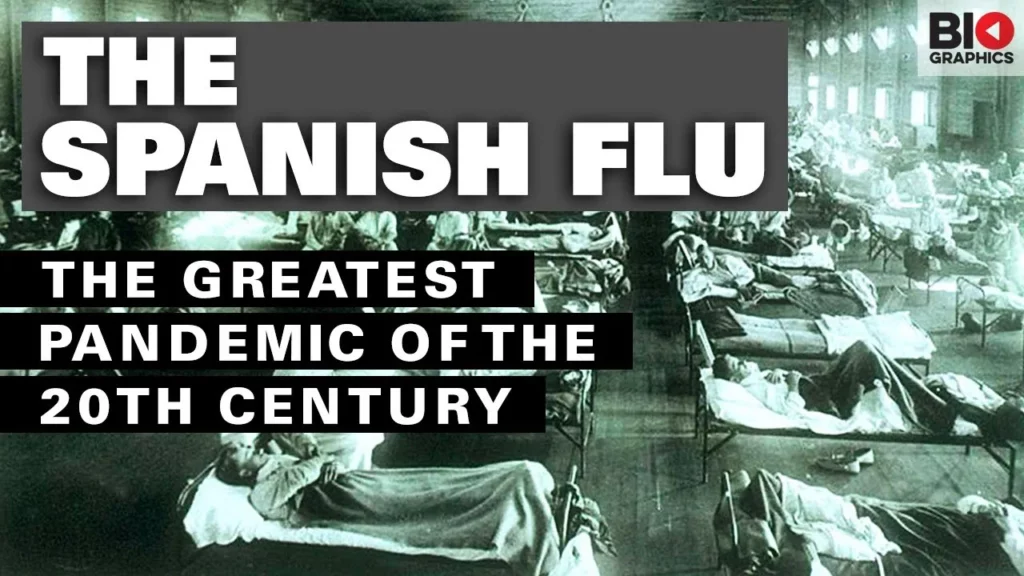
The Spanish flu pandemic of 1918-1919 was a catastrophic health crisis that resulted in the deaths of tens of millions globally, exacerbated by the context of World War I. Originating likely from a respiratory illness linked to troop movements, the virus spread rapidly through multiple waves, with the second wave being particularly deadly. This pandemic highlights the importance of public health preparedness, vaccination, and community cooperation in mitigating the effects of future infectious disease outbreaks.
Robert Franklin Stroud: The Birdman of Alcatraz
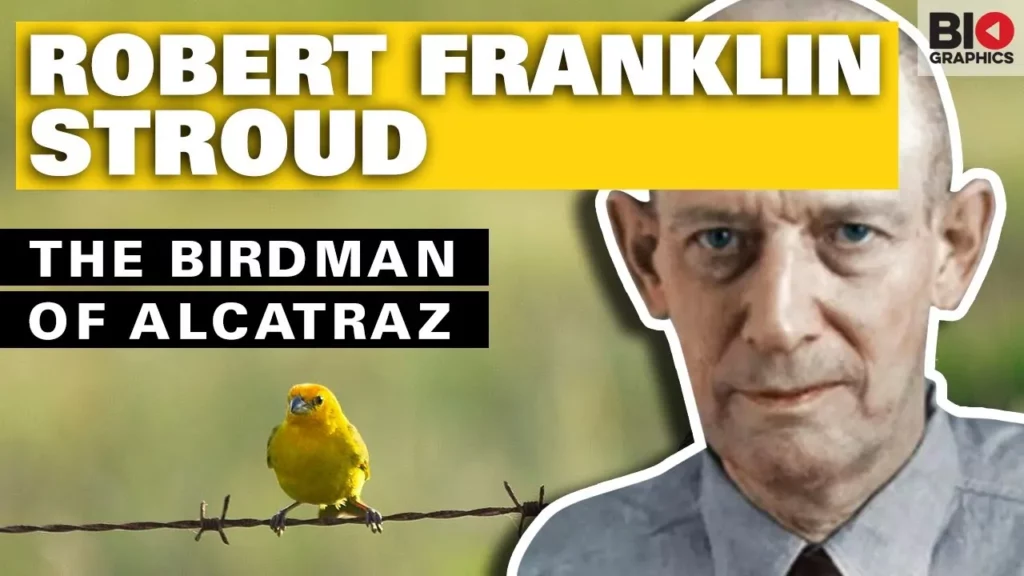
The lesson on Robert Franklin Stroud, known as the “Birdman of Alcatraz,” explores the complexities of his life, highlighting the contrast between his media portrayal as a misunderstood genius and the reality of his violent past and psychiatric evaluations. Stroud’s journey from a troubled youth involved in crime to a prisoner who found solace in caring for birds illustrates the multifaceted nature of his character. Ultimately, his story raises questions about the intersection of crime, rehabilitation, and public perception.
Hatshepsut: Queen of the Nile
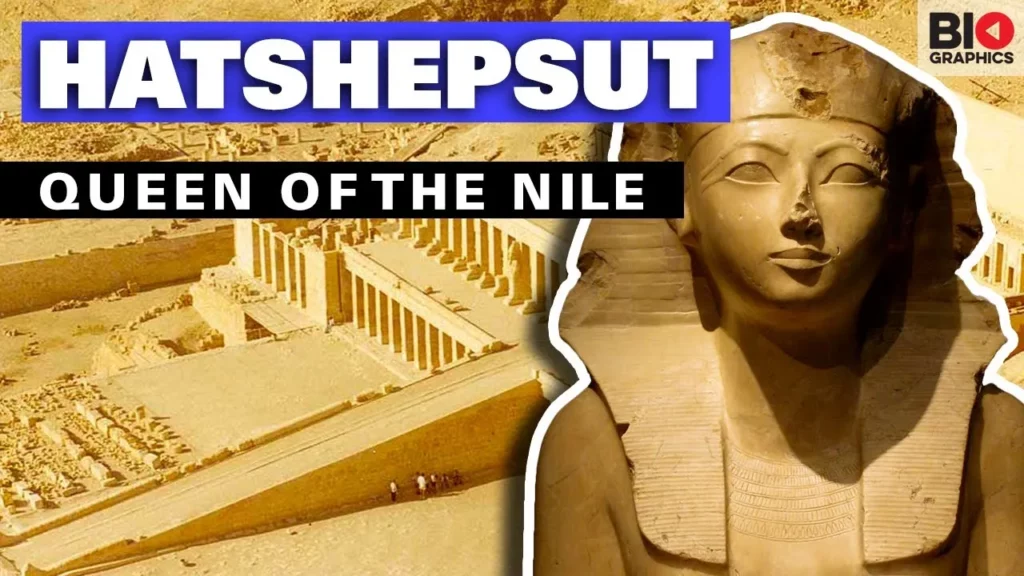
The lesson on Hatshepsut, the first female pharaoh of Egypt, highlights her remarkable rise to power during the 18th Dynasty and her significant contributions to the prosperity of ancient Egypt. Despite facing attempts by later pharaohs to erase her from history, Hatshepsut’s legacy endures through her monumental building projects and successful trade initiatives. Her story reflects both the challenges and achievements of women in leadership roles in ancient civilizations.
The Zodiac Killer: America’s Most Elusive Killer
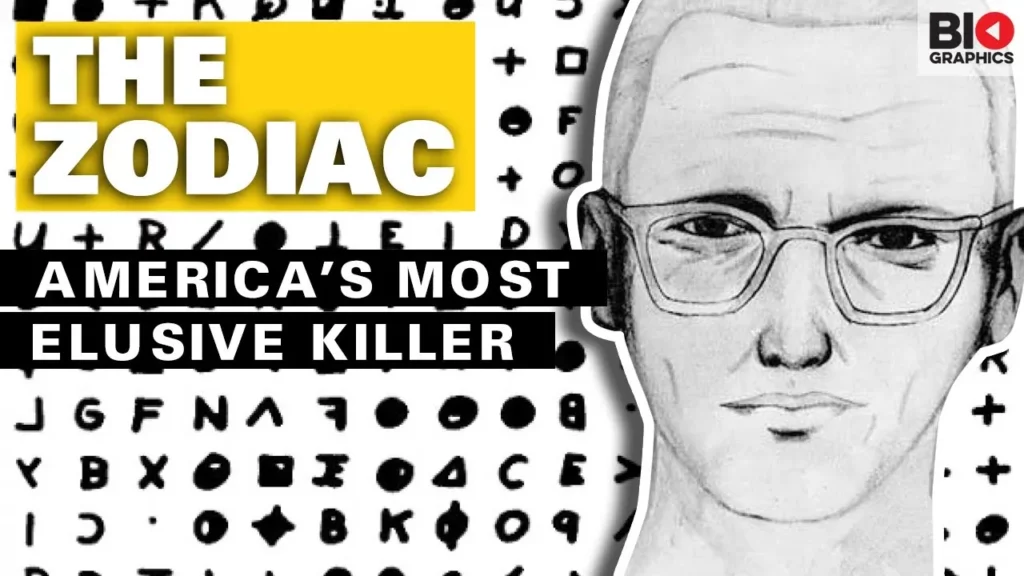
The Zodiac Killer, active in the San Francisco Bay Area during the late 1960s and early 1970s, is one of America’s most notorious and enigmatic serial killers, known for his brutal murders and taunting communications with the police and media. His first confirmed victims were teenagers David Faraday and Betty Lou Jensen, followed by several other attacks, including a notable incident at Lake Berryessa where he wore a distinctive hood. Despite extensive investigations and numerous cryptic letters, the Zodiac Killer’s identity remains unknown, leaving a legacy of fear and fascination that endures to this day.
Gregor Mendel: The Father of Genetics
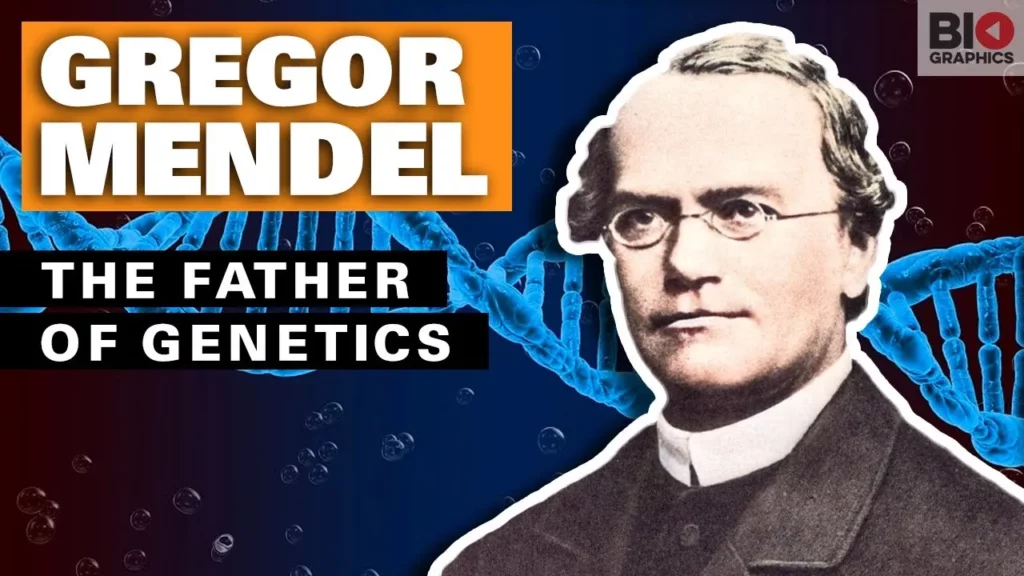
Gregor Mendel, known as the father of genetics, delivered a pivotal lecture in 1865 after years of meticulous research on pea plants, where he discovered fundamental principles of inheritance such as dominance and recessiveness. Despite facing personal challenges and initial lack of recognition, his groundbreaking work laid the foundation for the field of genetics, which was rediscovered in 1900, solidifying his legacy in biology. Mendel’s journey illustrates the importance of perseverance and the potential for transformative ideas to be overlooked before gaining the recognition they deserve.
Subutai: Genghis Khan’s Demon Dog of War
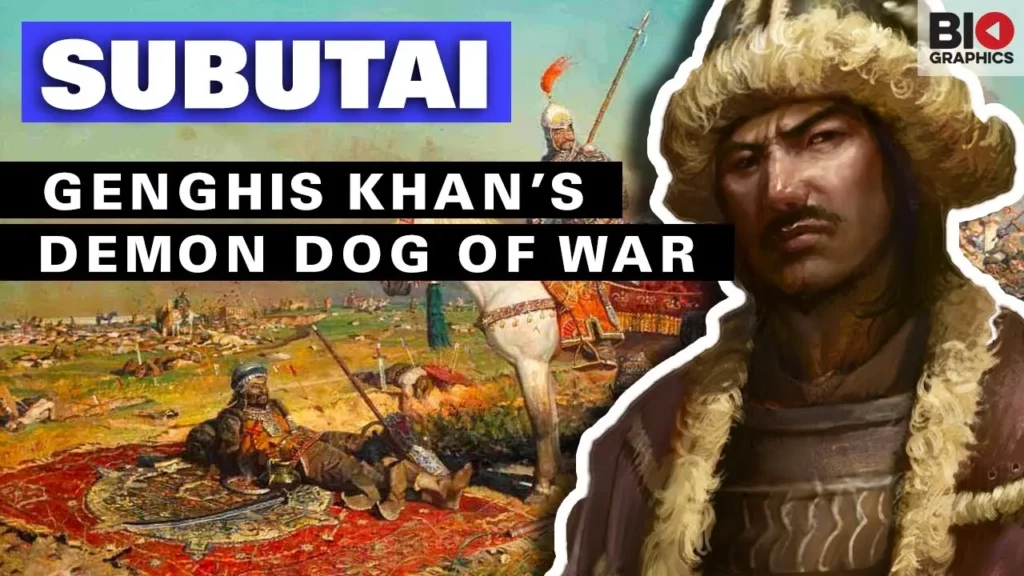
The lesson explores the life and military achievements of Subutai, a legendary general under Genghis Khan who played a crucial role in the expansion of the Mongol Empire. Born into a tribe known for metalwork, Subutai rose through the ranks due to his exceptional skills and strategic brilliance, leading successful campaigns against formidable foes, including the Jin dynasty and the princes of Kievan Rus. Despite his significant contributions and conquests, which included 32 nations and extensive travel, Subutai’s legacy remains overshadowed, highlighting the complexities of history and the figures within it.
Montezuma II: The End of the Aztec Empire
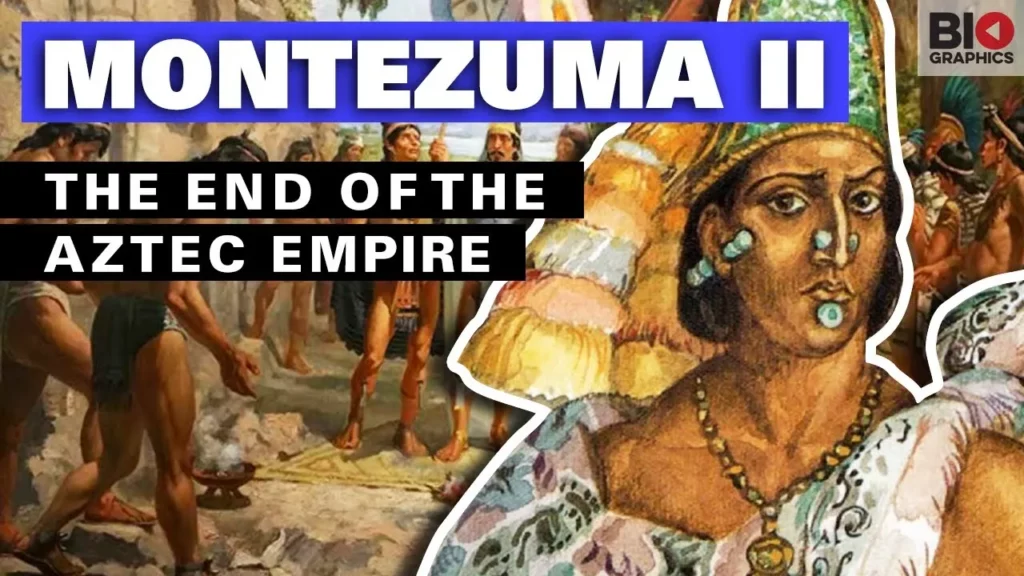
The lesson on Montezuma II explores the rise and fall of the Aztec Empire, highlighting the dramatic events surrounding the Spanish conquest led by Hernán Cortés in 1519. Montezuma, born into royalty and initially a powerful leader, faced the catastrophic invasion that ultimately led to his capture and the disintegration of his civilization. His tragic story serves as a poignant reminder of the rich history of the Americas prior to European contact and the profound impact of colonization.