
Darius the Great: The Great King of Persia
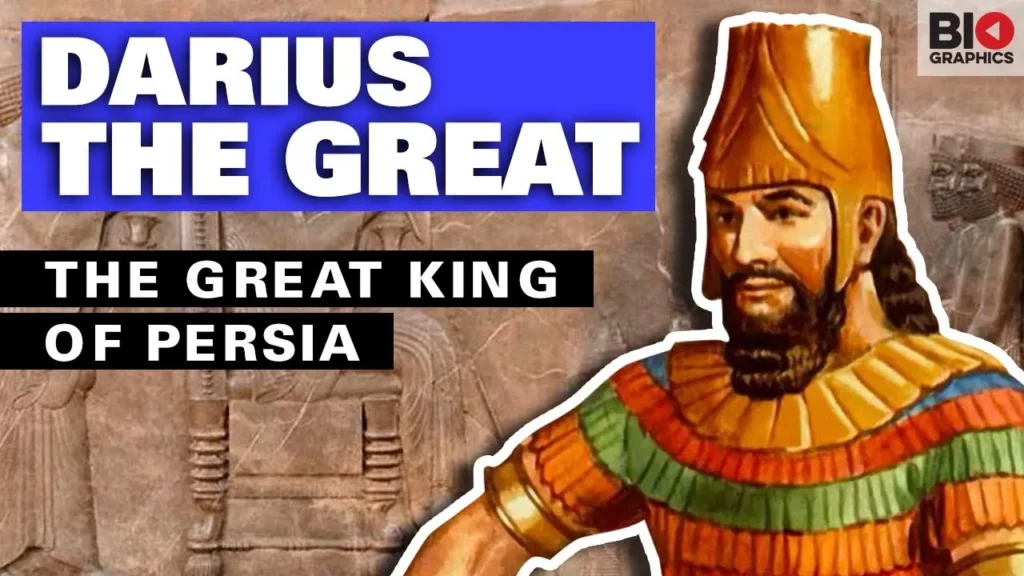
The lesson on Darius the Great highlights his significant role as the King of Kings of Persia, emphasizing his rise to power, administrative innovations, and military campaigns that expanded the Achaemenid Empire. Darius implemented a structured taxation system, introduced a standardized currency, and fostered religious tolerance, all while overcoming rebellions and establishing monumental architectural projects like Persepolis. His reign marked a pivotal era of consolidation and expansion, leaving a lasting legacy in history.
Hugo Chavez: Venezuela’s Savior or Destroyer

The lesson explores the life and leadership of Hugo Chavez, a charismatic figure who rose from poverty to become the president of Venezuela, implementing social reforms that reduced poverty but also led to the erosion of democracy and the establishment of an autocratic regime. While Chavez’s policies initially improved the lives of many Venezuelans, his increasing authoritarianism and the reliance on oil revenues contributed to the country’s current economic and political crises. Ultimately, Chavez’s legacy is a contentious topic, reflecting both his achievements in social welfare and the long-term consequences of his governance.
John Pierpont Morgan: The World’s Bank
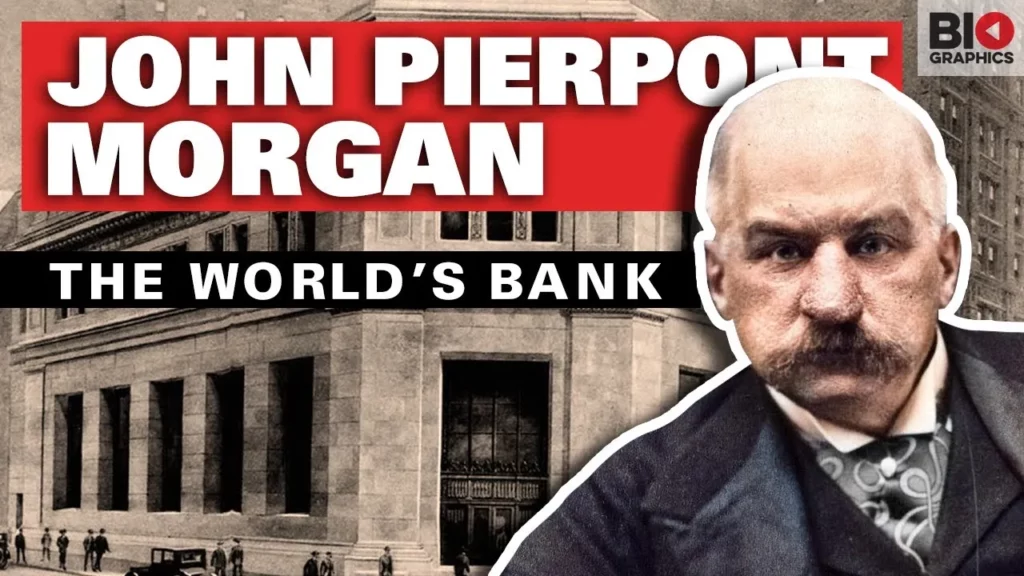
The lesson on John Pierpont Morgan highlights his pivotal role in shaping modern capitalism during the late 19th and early 20th centuries, a time marked by industrial growth and the emergence of wealthy business leaders. Morgan transformed his family’s business into a financial powerhouse, significantly influencing the banking sector and stabilizing the U.S. economy during financial crises. Despite facing challenges, including legal scrutiny over antitrust issues, his legacy endures through his contributions to banking and philanthropy, ultimately leading to the establishment of the Federal Reserve.
Chester Nimitz: Grand Admiral of the Pacific
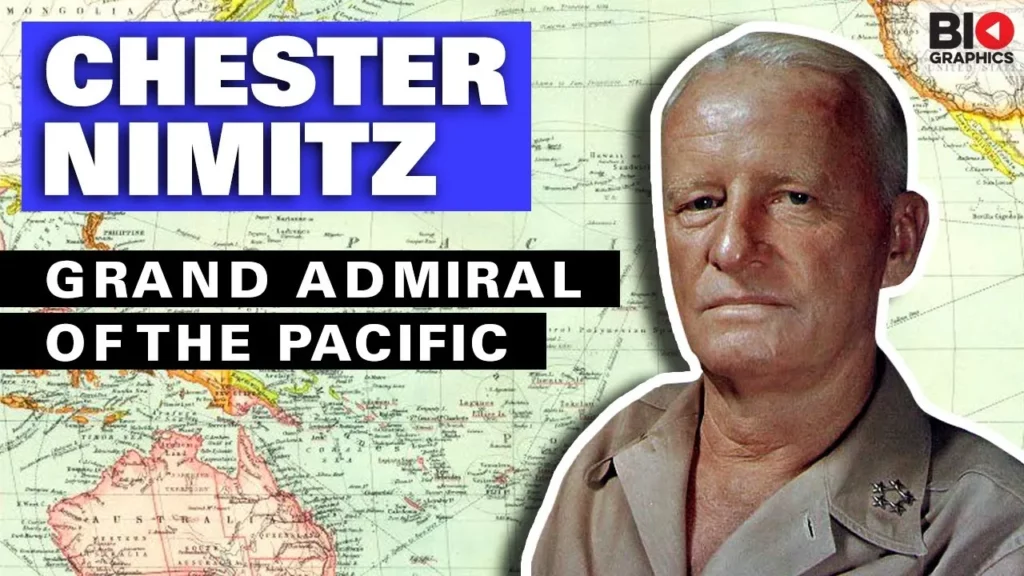
The lesson on Chester Nimitz highlights his pivotal role as Commander of the Pacific Fleet during World War II, where his strategic leadership transformed the U.S. Navy’s fortunes against Japan following the attack on Pearl Harbor. Nimitz’s innovative tactics, including the use of aircraft carriers and an island-hopping strategy, led to significant victories in key battles such as Midway and the Philippine Sea, ultimately contributing to Japan’s surrender. His legacy continued post-war as he influenced naval technology and operations, solidifying his status as a key figure in U.S. naval history.
Prince Schwarzenberg: The General who Defeated Napoleon
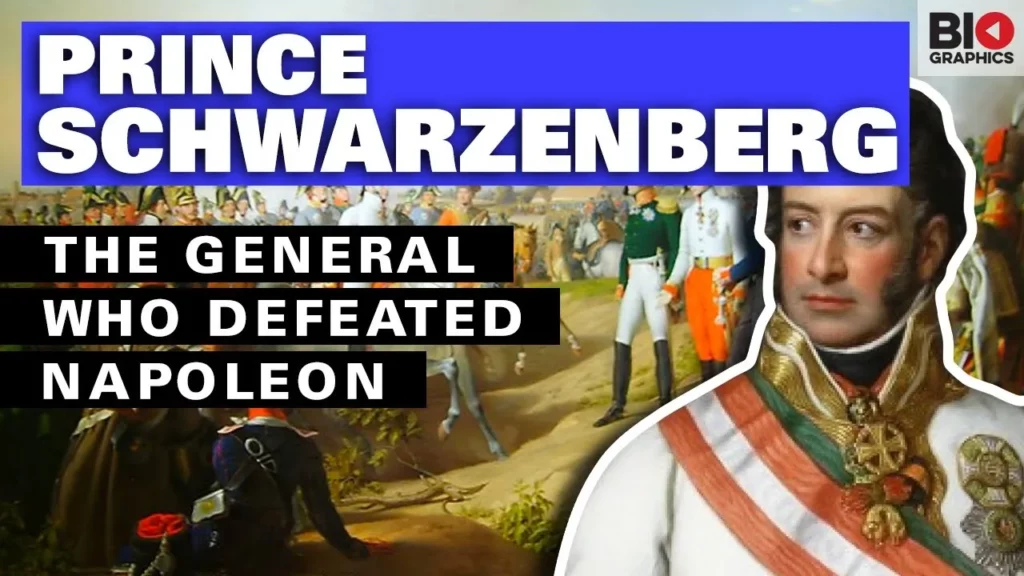
The lesson highlights the pivotal role of Prince Karl Philipp von Schwarzenberg in the defeat of Napoleon, emphasizing that while the Duke of Wellington is often credited with this victory at the Battle of Waterloo, Schwarzenberg’s earlier successes were crucial in turning the tide of the Napoleonic Wars. Born into an aristocratic family, Schwarzenberg’s military career was marked by strategic brilliance, leading the Allied forces to victory at the Battle of Leipzig and ultimately capturing Paris, which forced Napoleon to abdicate. Despite his significant contributions, Schwarzenberg’s legacy is often overshadowed by more prominent figures, reminding us of the importance of recognizing all individuals who shape history.
Philo Farnsworth: The Electric Whizz Kid

Philo Farnsworth was a visionary inventor whose groundbreaking work in developing all-electronic television transformed global communication and entertainment. Despite facing significant challenges, including legal battles and personal struggles, Farnsworth’s dedication to innovation led to numerous advancements in technology, solidifying his legacy as a pioneering genius in electronics. His story exemplifies the impact of creativity and perseverance in shaping the modern world.
Larry Thorne: The Many Wars of the Phoenix Soldier
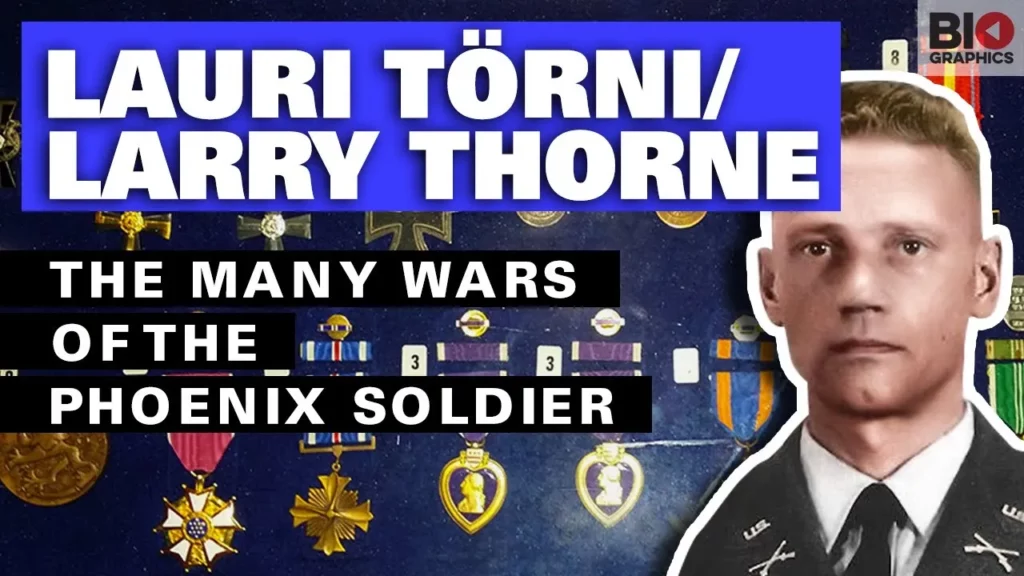
The lesson explores the extraordinary life of Lauri Torni, also known as Larry Thorne, a Finnish officer who fought in multiple wars across different nations, showcasing his resilience and tactical brilliance. From his early achievements in the Russo-Finnish War to his later service as a Green Beret in the United States, Thorne’s journey reflects a relentless spirit in the face of adversity. His legacy endures, inspiring future generations and earning him a revered place in military history.
Salvador Dali: A Life in Conflict
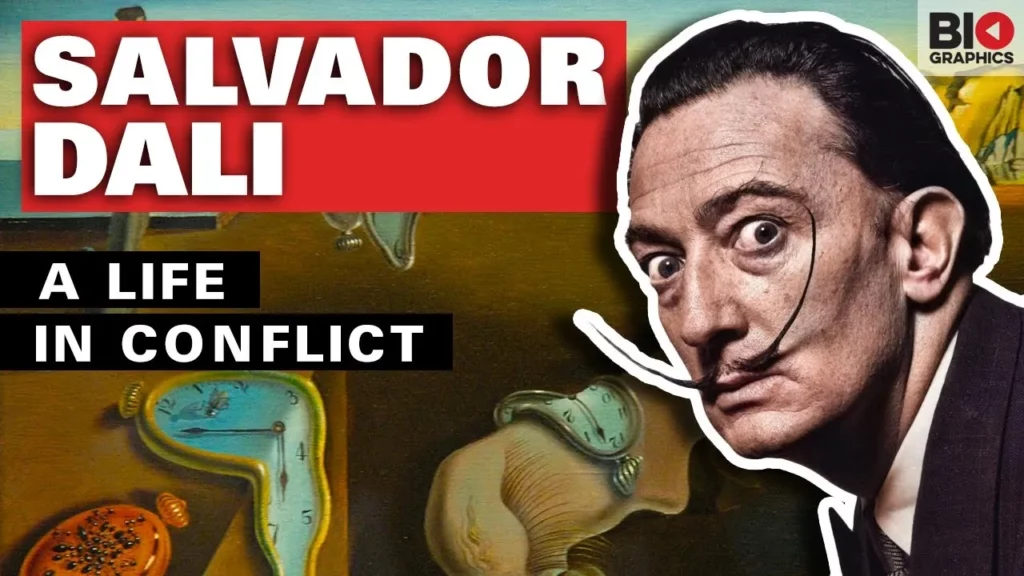
The lesson explores the life and artistic journey of Salvador Dalí, highlighting his pivotal role in the Surrealist movement through iconic works like *The Persistence of Memory*. It delves into his early influences, complex relationships, particularly with his muse Gala, and his unconventional approach to art and self-promotion, while also addressing the contradictions in his life, including his distancing from the Surrealist community and controversial political views. Ultimately, Dalí’s legacy is portrayed as a blend of genius and irony, reflecting the complexities of his character and artistic expression.
Yuri Gagarin: The First Man in Space

The lesson on Yuri Gagarin highlights his historic achievement as the first human to travel into space on April 12, 1961, marking a significant milestone in human exploration. Born into a challenging environment, Gagarin’s journey from a poor village in Russia to becoming a global icon exemplifies resilience and determination. His legacy not only symbolizes the dawn of the Space Age but also continues to inspire future generations in the pursuit of exploration beyond Earth.
Harvey Milk: The Battle for Equality

The lesson on Harvey Milk highlights his historic role as the first openly gay man elected to public office in California, marking a significant milestone in LGBTQ+ and American history. Despite facing societal challenges and ultimately being assassinated, Milk’s courageous activism and advocacy for equality inspired future generations and contributed to the advancement of gay rights, including the eventual legalization of same-sex marriage. His legacy serves as a powerful reminder of the ongoing struggle for acceptance and the importance of living authentically.