
Kim Il-Sung: Father of a Troubled Nation
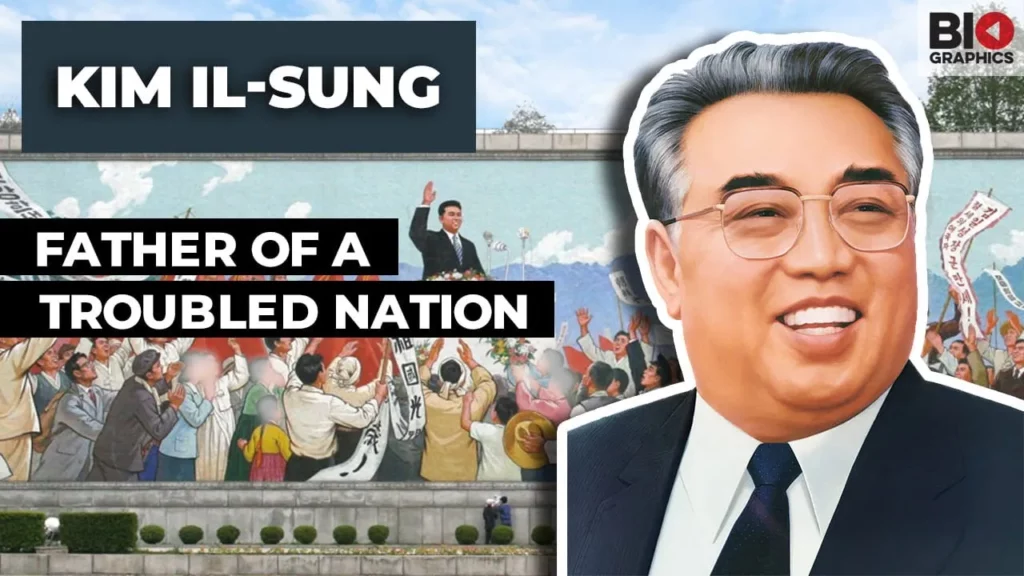
The lesson explores the life and legacy of Kim Il-sung, the founder of North Korea, highlighting his early resistance to Japanese occupation, rise to power, and the establishment of a strict dictatorship. It details his role in the Korean War and the lasting impact of his policies on North Korean society, including the creation of a caste system and a pervasive cult of personality. Despite his death in 1994, Kim Il-sung’s influence continues to shape the nation, with his legacy remaining a central aspect of North Korean identity.
Admiral William Halsey: The US Navy’s Raging Bull
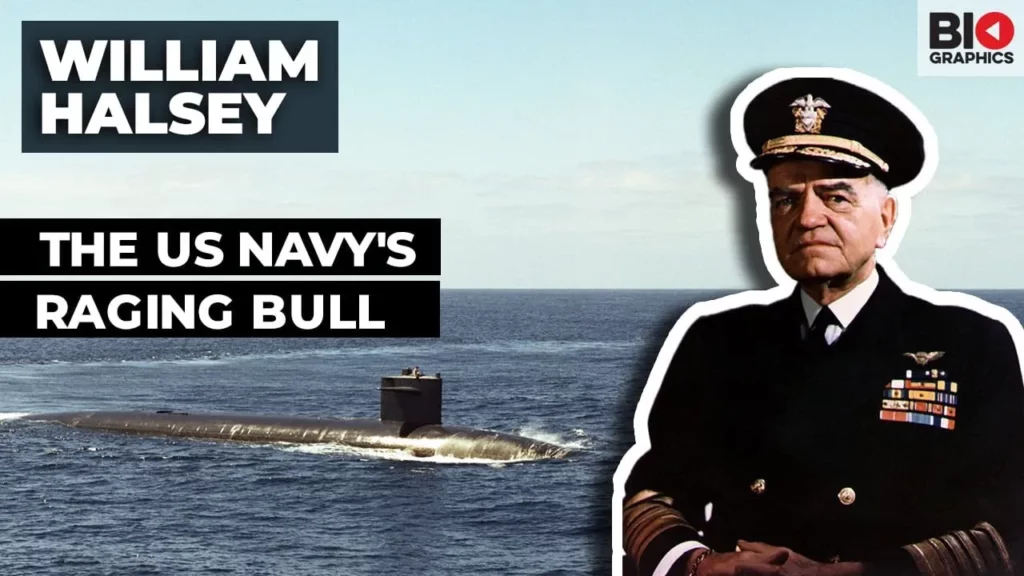
Admiral William Halsey was a prominent tactical commander in the U.S. Navy during World War II, known for his aggressive leadership and significant contributions to the Pacific campaign. Despite facing challenges and making some tactical errors, his ability to adapt and lead daring operations, such as the battles for Guadalcanal and Leyte Gulf, solidified his legacy as a key figure in the war. Halsey’s recognition of air power’s importance in naval warfare and his eventual promotion to fleet admiral underscore his lasting impact on military strategy.
Jackson Pollock: Decoding the Art of the ‘Action Painter’
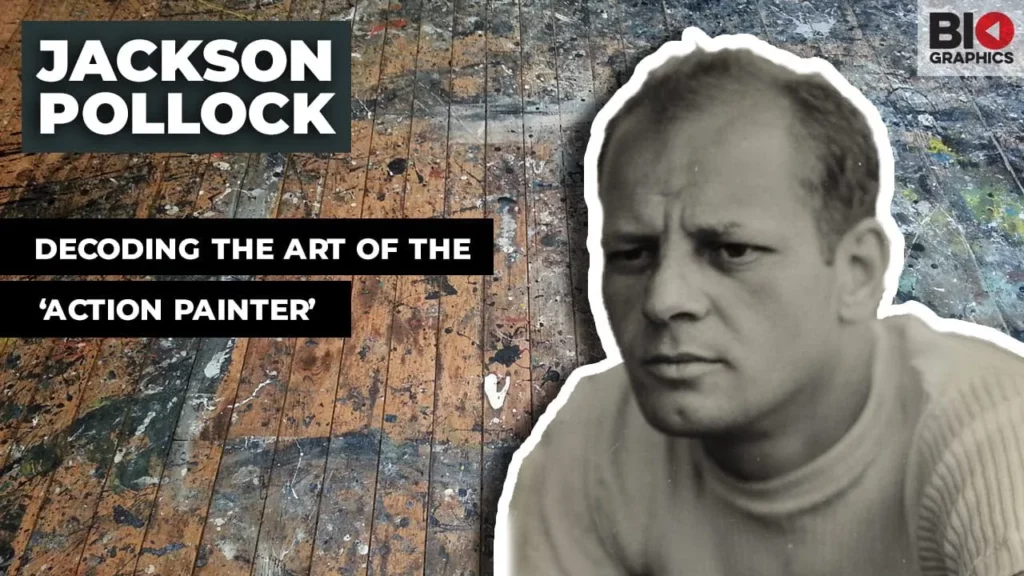
The lesson on Jackson Pollock explores the life and artistic evolution of the influential abstract expressionist, highlighting his unique drip painting technique and the emotional turmoil that shaped his work. Born into a life of instability, Pollock’s exposure to various art forms and psychological theories influenced his creative process, leading to international acclaim and controversy. Despite his struggles with alcoholism and depression, Pollock’s legacy endures, inviting viewers to delve into the complexities of human expression and the unconscious mind.
Wu Zetian: The Brilliant, Bloody Concubine Who Seized the Throne
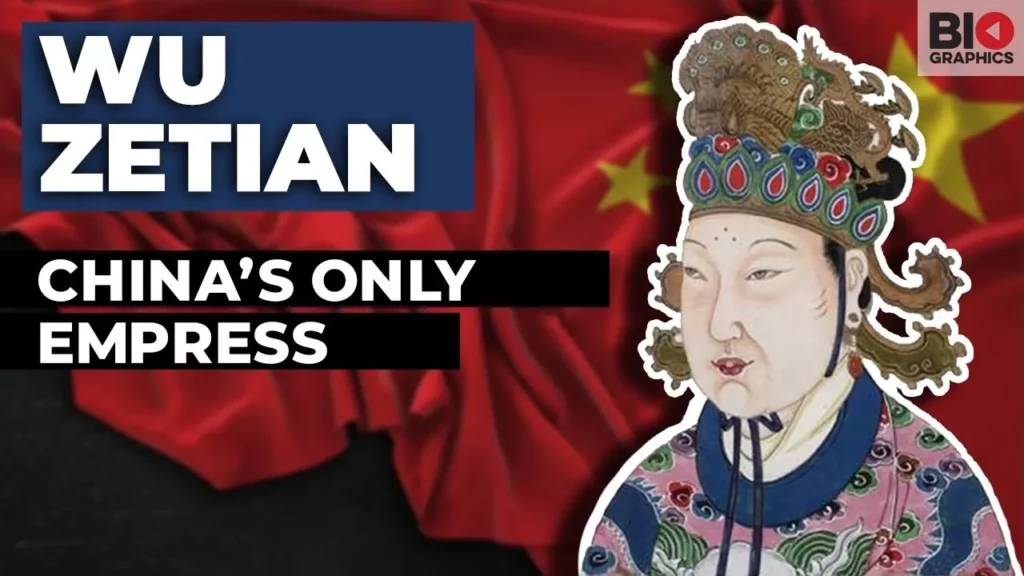
The lesson highlights the remarkable life of Wu Zetian, the only woman to rule China as emperor, who rose to power during the Tang Dynasty. Born into a privileged family, she navigated the male-dominated political landscape through intelligence and ambition, ultimately declaring herself ruler of the Zhao Dynasty in 690 CE. Wu’s legacy is complex, as she is remembered for both her effective governance and her ruthless political tactics, illustrating the challenges and triumphs of a woman in a position of power.
Bartholomew “Black Bart” Roberts: The Dread Pirate
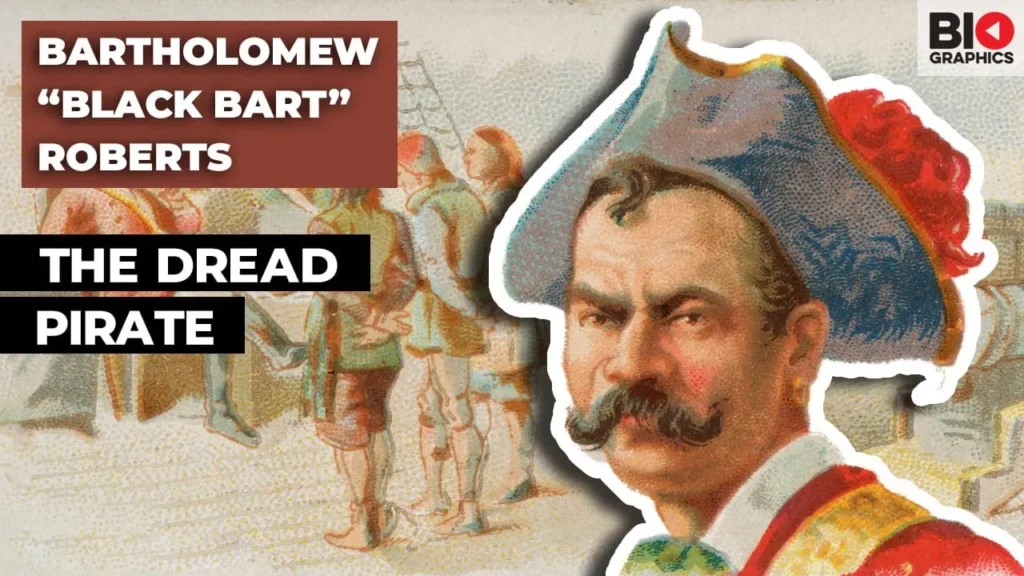
In this lesson, we explored the life of Bartholomew “Black Bart” Roberts, one of the most notorious pirates of the Golden Age of Piracy, who captured over 400 ships in just three years. Starting as a reluctant sailor, Roberts quickly rose to prominence after becoming captain of the Royal Rover, known for his clever strategies and the establishment of a pirate code to maintain order among his crew. His reign ended in 1722 when he was killed in battle, marking the decline of piracy during that era, but his legendary exploits continue to captivate audiences today.
Maria Theresa: The Might of the Habsburgs
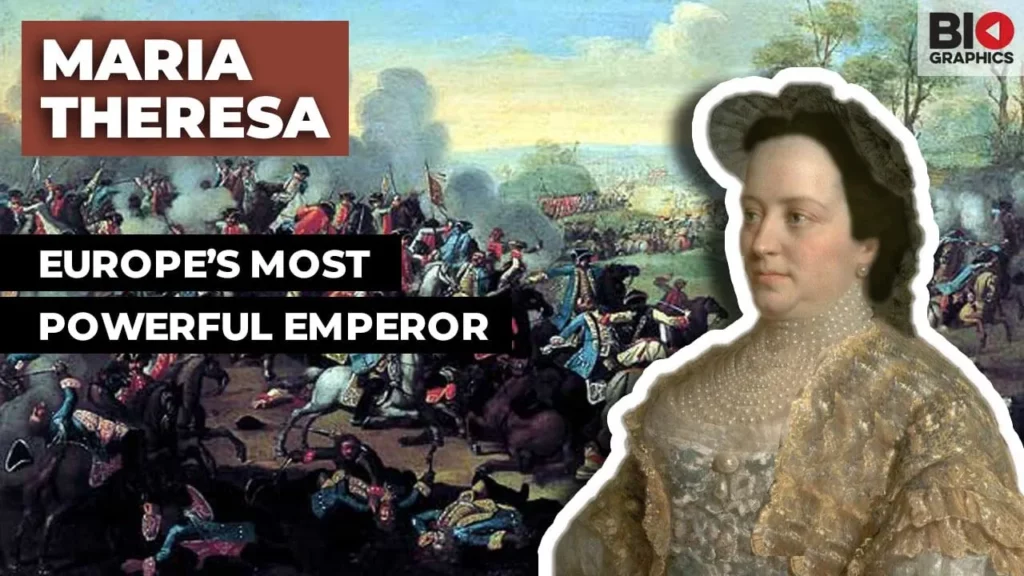
Maria Theresa, the first female ruler of Austria, ascended to the throne at just 23 years old after her father’s death, facing significant challenges as many European powers questioned her legitimacy. Despite initial setbacks, including the War of Austrian Succession, she successfully strengthened her empire through diplomacy, military reforms, and social initiatives, leaving a complex legacy that included both progressive reforms and conservative policies. Her reign marked a pivotal moment in European history, establishing Austria as a formidable influence on the continent.
Erik the Red: The Saga of Viking Greenland
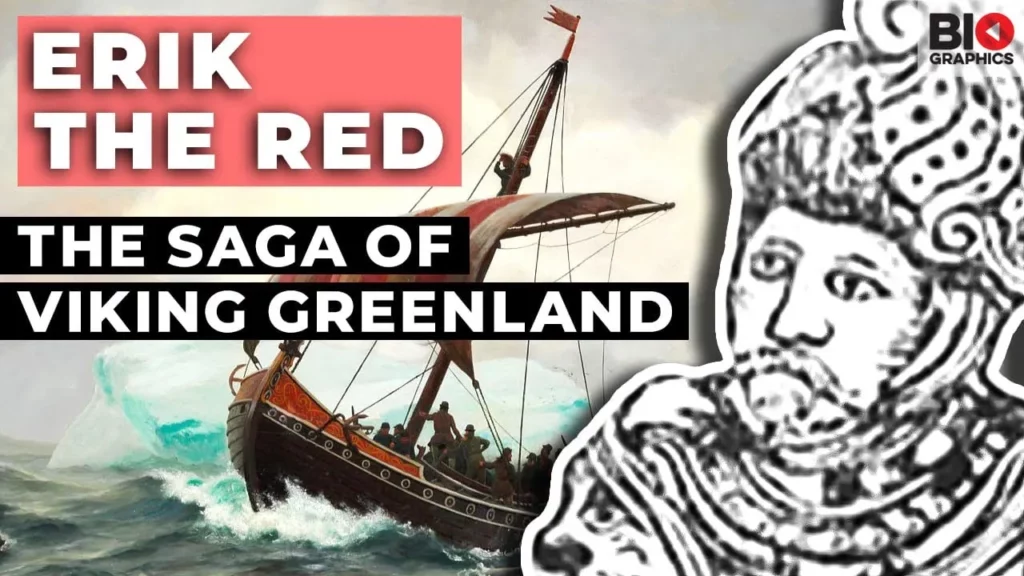
The lesson on Erik the Red highlights his adventurous journey in establishing the first Norse settlement in Greenland around 985 A.D. After being banished from Iceland, Erik explored Greenland and successfully recruited settlers, leading to the growth of a thriving colony that relied on both farming and hunting. His legacy continued through his son, Leif Erikson, who further explored new territories, showcasing the Norse spirit of exploration and resilience in the face of adversity.
T. E. Lawrence: The True Lawrence of Arabia
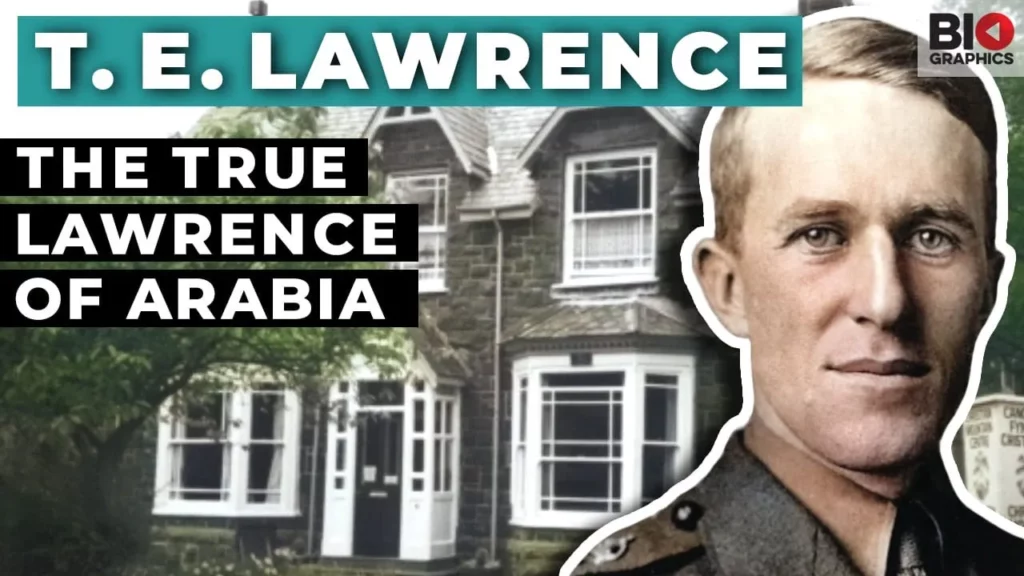
The lesson explores the life of T. E. Lawrence, also known as Lawrence of Arabia, highlighting his transformation from an archaeologist to a pivotal figure in the Arab Revolt during World War I. It emphasizes his unique blend of academic pursuits, adventurous spirit, and deep understanding of Arab culture, which shaped his legacy and influenced historical narratives. Ultimately, Lawrence’s story serves as a reminder of how one individual’s dreams and actions can significantly alter the course of history.
John Dee: The Necromancing Navigator of the Elizabethan Age
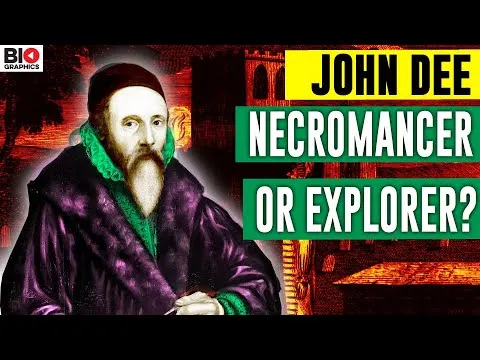
The lesson explores the life and legacy of John Dee, a prominent figure of the Elizabethan era known for his unique blend of science, magic, and exploration. As an advisor to Queen Elizabeth I, Dee made significant contributions to astrology, navigation, and the early British Empire, while also delving into the occult later in life. His complex legacy reflects both his genuine scientific pursuits and the myths that developed around him, highlighting the challenges of separating fact from fiction in his story.
Brasidas: Sparta’s Greatest General
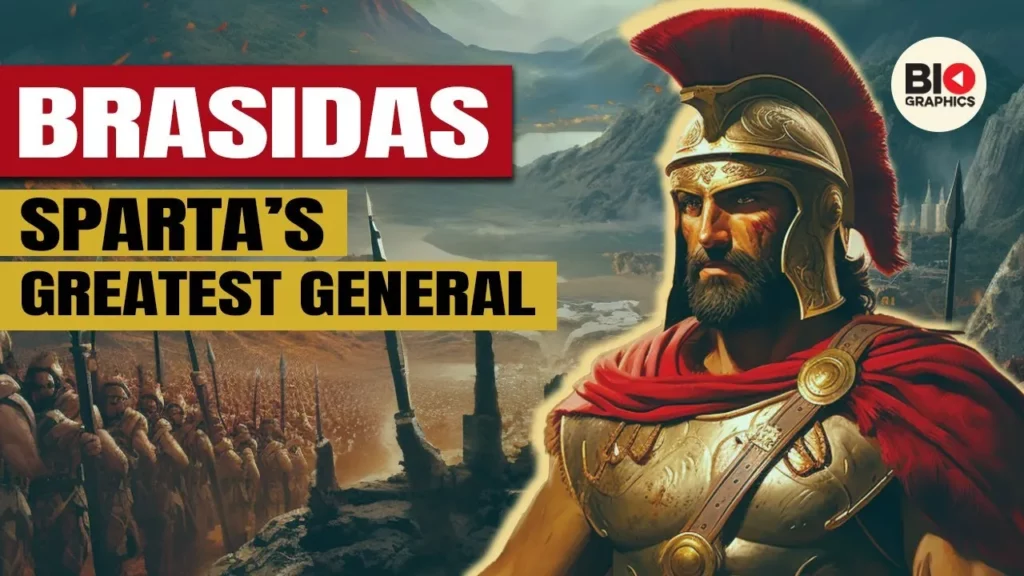
In this lesson, we explored the life and legacy of Brasidas, one of Sparta’s greatest generals during the Peloponnesian War, which began in 431 BC. Known for his military prowess and strategic brilliance, Brasidas played a crucial role in several key victories against Athens, ultimately shaping the course of the war despite his mortal wounding in battle. His contributions to Spartan history are celebrated, highlighting his courage and leadership during a pivotal time in ancient Greece.