
Tomáš Masaryk: The Father of Czechoslovakia
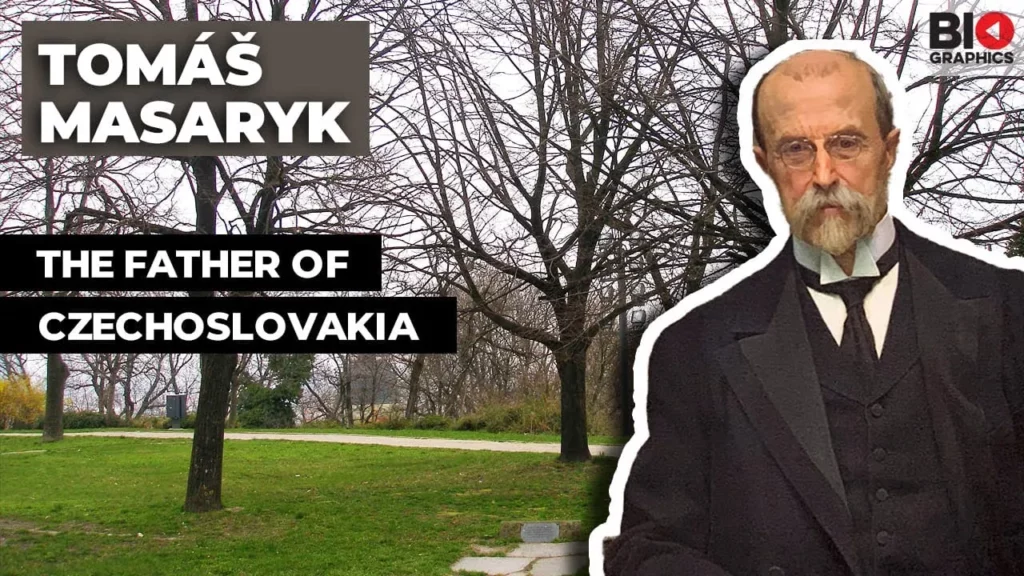
Tomáš Masaryk, a pivotal figure in the establishment of Czechoslovakia, is celebrated for his commitment to democracy and the rights of marginalized groups. Rising from humble beginnings, he became an influential academic and politician, advocating for Czech autonomy and leading the nation to independence after World War I. As the first president of Czechoslovakia, Masaryk’s legacy is marked by his vision of a diverse and liberal state, which continues to resonate in Central European politics today.
Manfred von Richthofen: Flight of the Red Baron
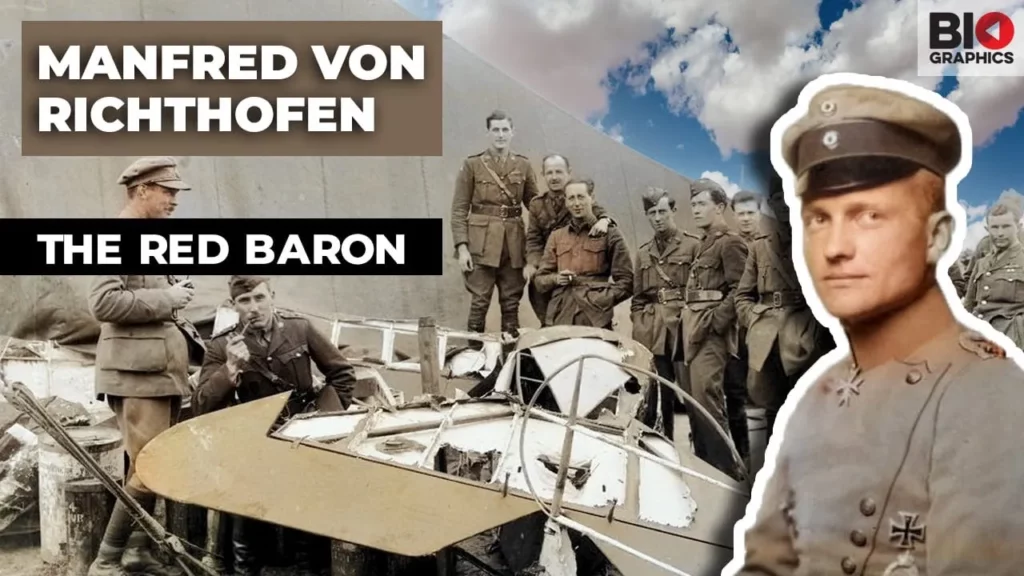
The lesson on Manfred von Richthofen, known as the Red Baron, highlights his transformation from a cavalry officer to the most celebrated fighter pilot of World War I, achieving 80 confirmed aerial victories. Richthofen’s adherence to a personal code of chivalry and his tactical innovations in aerial combat earned him respect from both allies and enemies, solidifying his legacy as a symbol of bravery and skill in early aviation history. His story reflects the contrasting experiences of war, with the brutal realities of ground combat juxtaposed against the romanticized image of aerial duels.
Oda Nobunaga: The Great Unifier of Japan
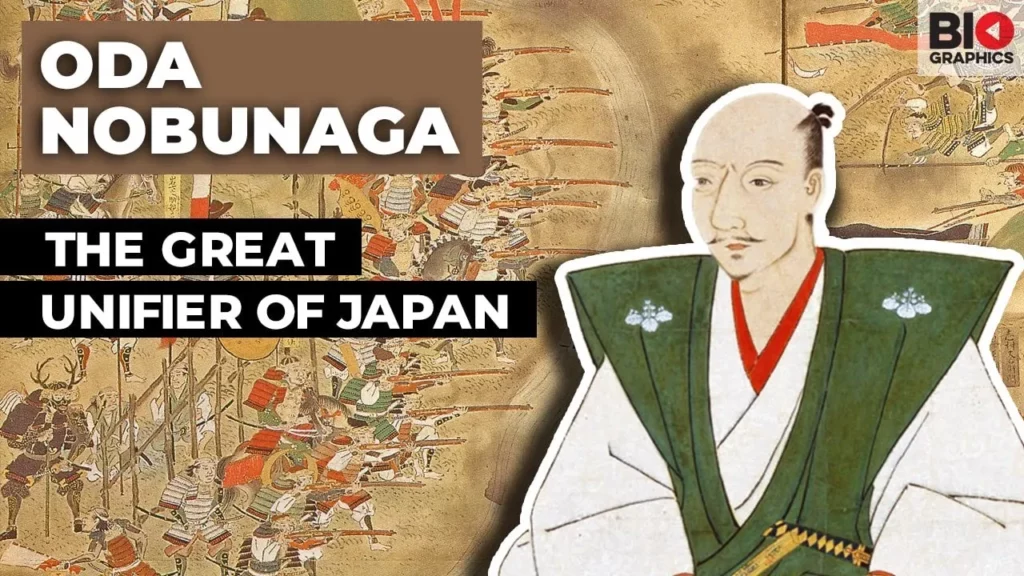
Oda Nobunaga was a key figure in Japan’s late 16th-century history, known for his ambitious efforts to unify the country during a time of political fragmentation and conflict among feudal lords. Rising to power as the head of the Oda clan, he demonstrated strategic brilliance through significant military victories and alliances, ultimately paving the way for the unification of Japan, which was completed by his successors. Nobunaga’s legacy as a visionary leader highlights the complexities of leadership and the transformative impact of ambition in a chaotic era.
Akhenaten: The Heretic Pharaoh
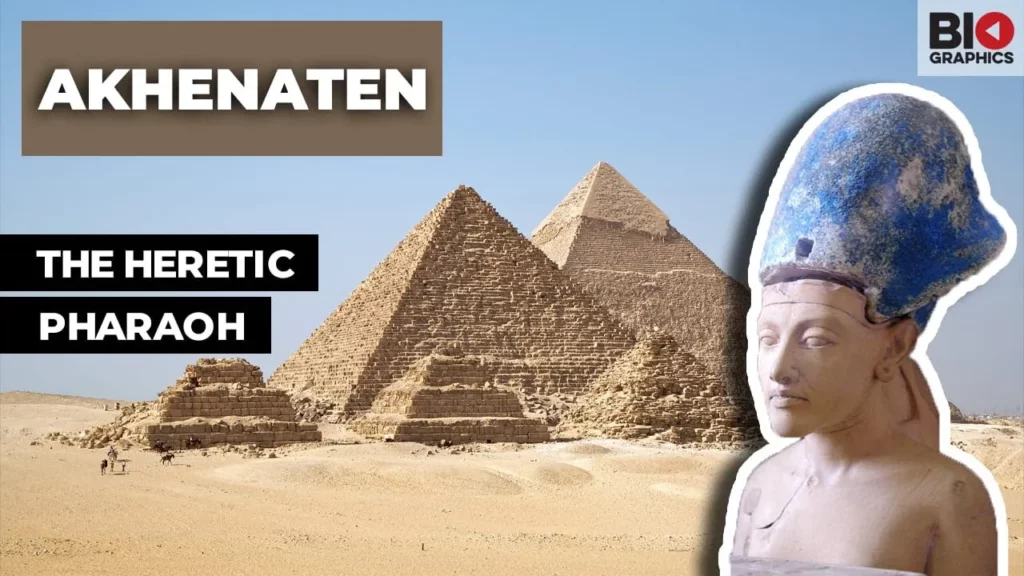
The lesson on Akhenaten, the Heretic Pharaoh, explores his controversial reign in ancient Egypt, marked by a radical shift from traditional polytheism to a monotheistic worship of Aten, the sun disk. His establishment of a new capital, Amarna, and the unique Amarna art style reflect his revolutionary ideas, though his focus on religious reform led to a decline in international relations and territorial losses. Ultimately, Akhenaten’s legacy was largely erased by his successors, yet his story remains a significant chapter in the history of ancient Egypt.
Chiang Kai-Shek: The General who Created Modern China
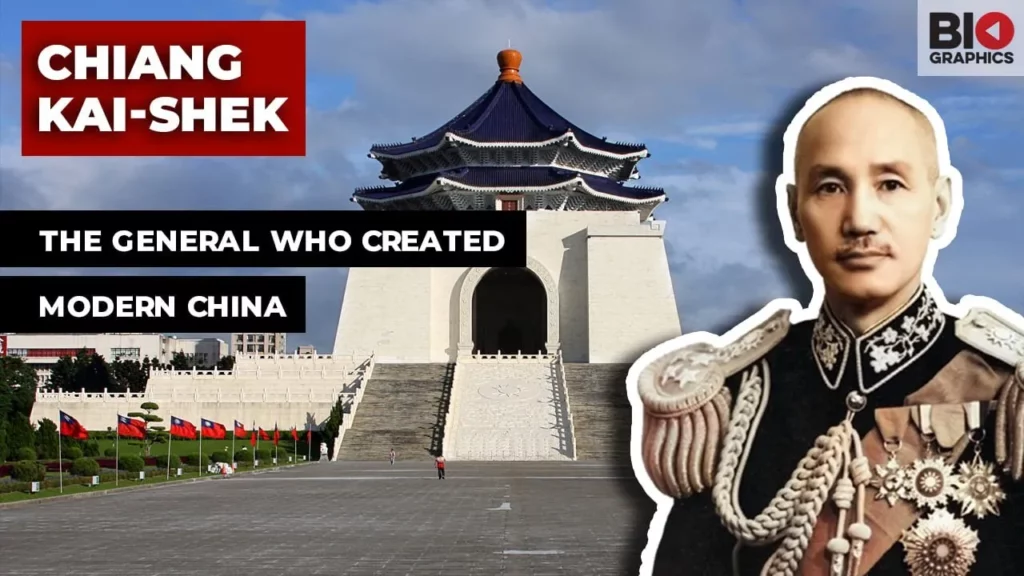
The lesson on Chiang Kai-shek highlights his significant role in shaping modern China, contrasting his leadership with that of Mao Zedong. Chiang, who rose from a minor revolutionary to the leader of the Kuomintang, oversaw a period of modernization during the Nanjing decade but faced challenges such as Japanese aggression and the rise of communism. His complex legacy reflects both his contributions to China’s development and the authoritarian practices that ultimately led to his defeat and retreat to Taiwan.
Nelson Mandela: From Political Prisoner to Global Hero
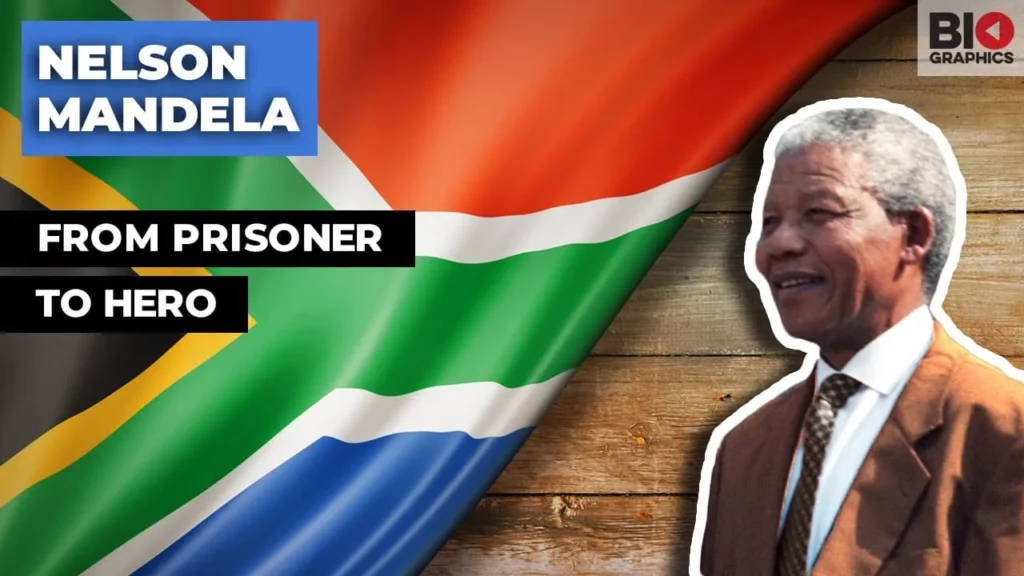
The lesson on Nelson Mandela highlights his remarkable transformation from a political prisoner to a global hero, emphasizing his resilience and commitment to justice and equality. It outlines his early life, activism against apartheid, imprisonment, and eventual leadership in transitioning South Africa to democracy, showcasing his enduring legacy of forgiveness and reconciliation. Mandela’s story serves as an inspiring example of how one individual’s dedication can effect profound change in the world.
Gavrilo Princip: The Teenager Who Started World War I
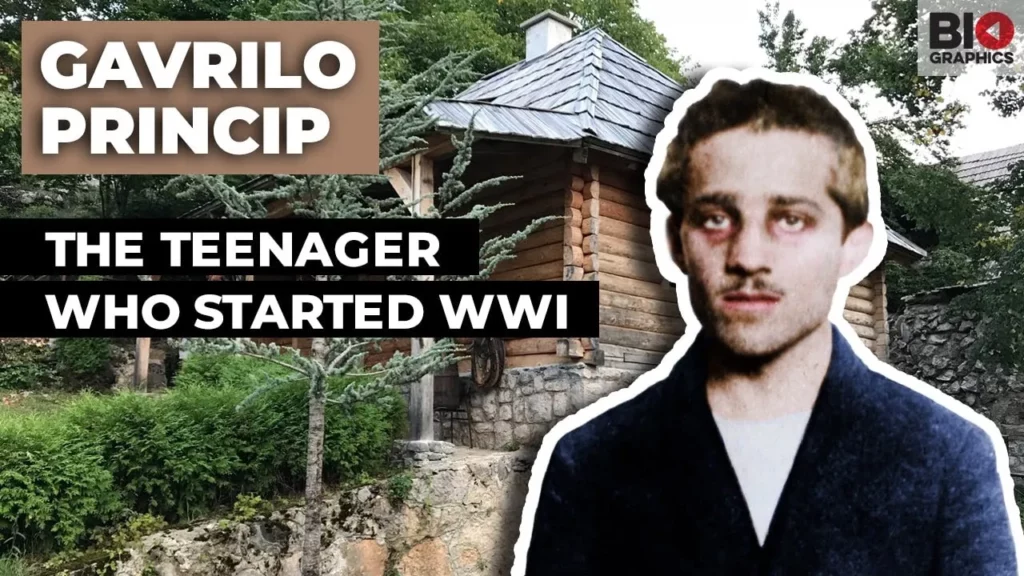
The lesson explores the life and impact of Gavrilo Princip, a 19-year-old who assassinated Archduke Franz Ferdinand in 1914, igniting World War I. It delves into Princip’s early life in Bosnia, the political tensions of the time, and his radicalization, culminating in the pivotal moment that led to the war and the subsequent collapse of empires. Princip’s legacy remains contentious, viewed by some as a freedom fighter and by others as a terrorist, highlighting the complex nature of historical interpretation.
HIV/AIDS: Plague of the 21st Century
The lesson on HIV/AIDS explores the origins and evolution of the epidemic, beginning with its identification in the early 1980s and the initial stigma surrounding it. It highlights the progression from a misunderstood disease to a manageable chronic condition due to advancements in treatment, while also addressing ongoing challenges such as stigma, access to care, and the disproportionate impact on certain populations. Understanding the history and complexities of HIV/AIDS is essential for continuing efforts to combat the epidemic in the 21st century.
Commodus: Emperor, Gladiator, Madman
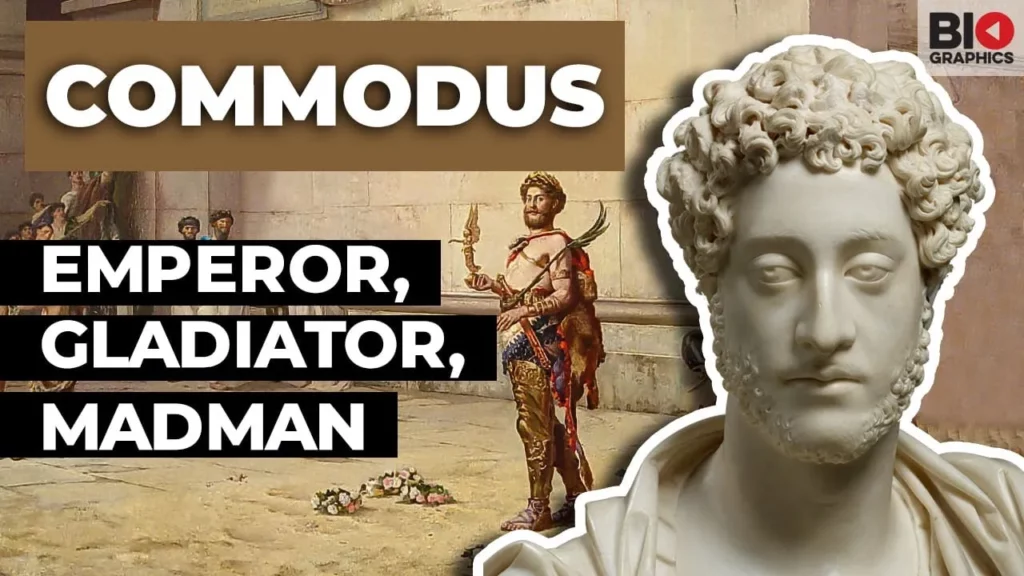
The lesson on Commodus explores the stark contrast between his reign and that of his father, Marcus Aurelius, highlighting Commodus’s descent into tyranny and madness. Despite being groomed for leadership, he prioritized personal indulgence over governance, leading to a legacy characterized by extravagance, political intrigue, and a notable obsession with gladiatorial combat. Ultimately, Commodus’s rule serves as a cautionary tale of how power can corrupt and divert from the responsibilities of leadership.
Jacques Mesrine: The Kamikaze of Crime

The lesson on Jacques Mesrine, often referred to as the “Kamikaze of Crime,” chronicles the life of a notorious criminal whose journey culminated in his violent death on November 2, 1979. Born into a tumultuous environment, Mesrine transitioned from a troubled youth to a celebrated outlaw, gaining notoriety for his daring heists and prison escapes, while simultaneously being viewed as a folk hero by some. His legacy is a complex narrative that challenges the glorification of criminality, as he himself cautioned against idolizing figures like him, emphasizing that crime offers no true heroes.