
Polio: The Disease that Paralyzed the World

The lesson on polio highlights the disease’s historical impact, particularly its devastating effects on children and the significant public health response it prompted in the 20th century. The development of the polio vaccine by Dr. Jonas Salk, supported by initiatives like the March of Dimes, led to a dramatic reduction in cases and showcased the importance of collective action in addressing health crises. Despite ongoing challenges, the legacy of the polio fight continues to shape public health policies and disability rights today.
The Pixy Stix Killer: The Man Who Killed Halloween

The lesson explores the tragic story of Timothy O’Brien, an eight-year-old who died from poisoned candy on Halloween night in 1974, leading to widespread fear and changes in Halloween traditions. The investigation revealed that his father, Ronald O’Brien, was responsible for the poisoning, motivated by financial gain through life insurance policies. This incident not only shocked the nation but also perpetuated urban legends about Halloween dangers, significantly impacting how the holiday is celebrated and perceived.
David Livingstone: The Missionary Who Became a Legendary Explorer
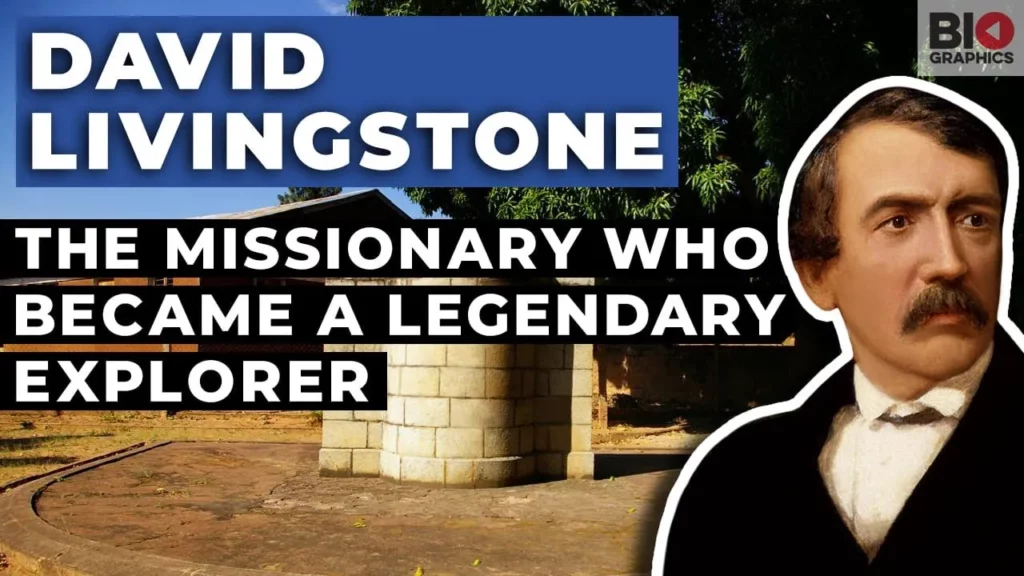
David Livingstone, born in Scotland in 1813, emerged as a prominent figure in the exploration of Africa, driven by his missionary aspirations and opposition to slavery. Despite facing numerous challenges in converting locals and enduring difficult expeditions, he became the first European to witness Victoria Falls and gained fame through his writings and explorations. Livingstone’s legacy endures as a symbol of perseverance and humanitarianism, inspiring future generations of adventurers and advocates for social justice.
Augustus: Rome’s Greatest Emperor
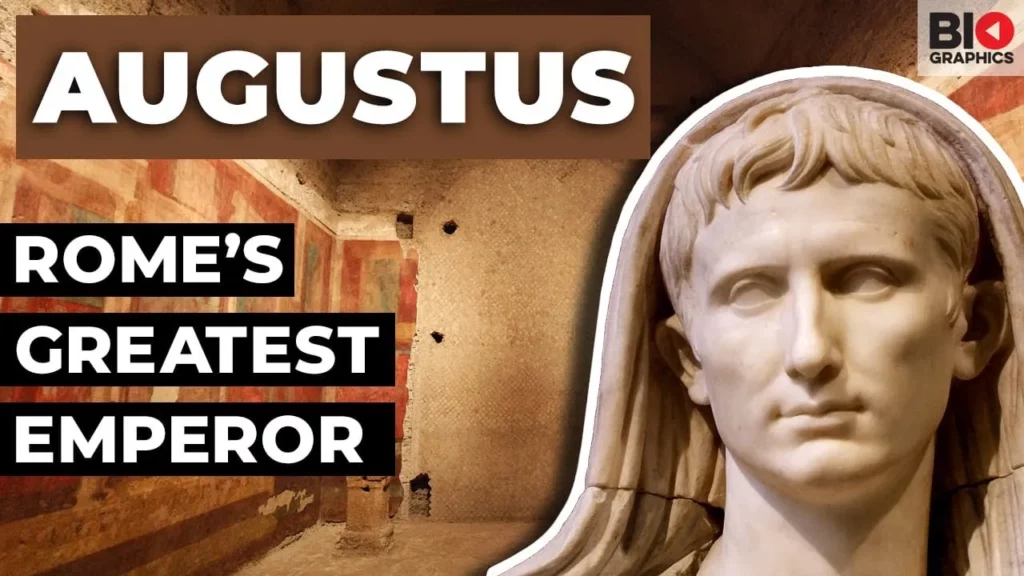
The lesson on Augustus, Rome’s greatest emperor, explores the life and legacy of Gaius Octavius, who rose from a frail youth to become the first Roman emperor. It details his strategic alliances, pivotal political maneuvers, and the establishment of the Second Triumvirate following Julius Caesar’s assassination, which ultimately led to his consolidation of power and reforms as Augustus. His reign marked the transition from the Roman Republic to the Roman Empire, leaving a lasting impact on history.
Ayn Rand: The Virtue of Selfishness

The lesson explores the life and impact of Ayn Rand, a Russian émigré who became a prominent literary and philosophical figure in America despite initial struggles. Born in a tumultuous environment, Rand’s journey from a disillusioned youth in Russia to a celebrated author of works like “The Fountainhead” and “Atlas Shrugged” illustrates her development of Objectivism, a philosophy that champions individualism and self-interest. Her legacy continues to influence various sectors, highlighting her resilience and commitment to her ideals.
Ulysses S. Grant: Victor of the American Civil War
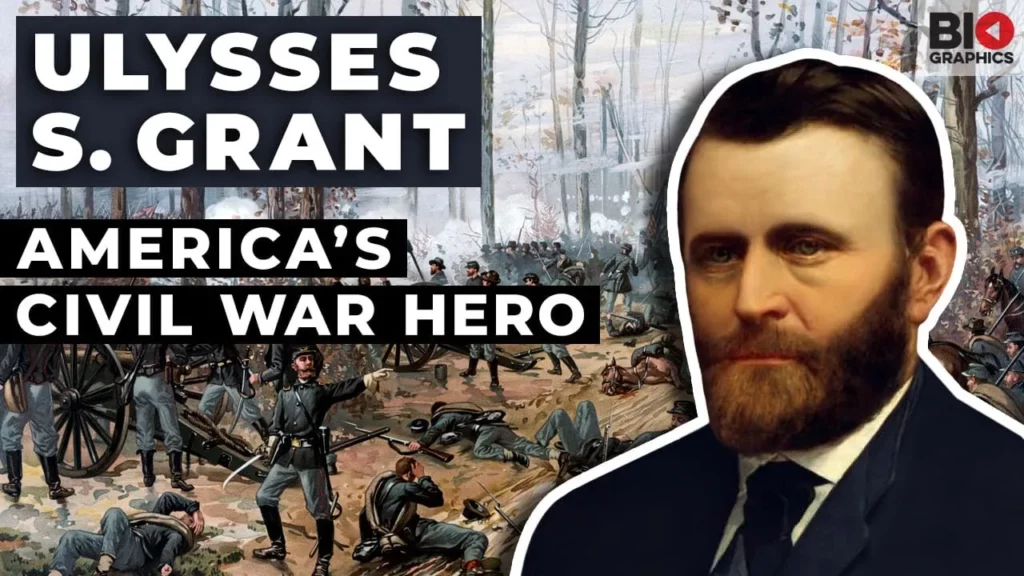
The lesson highlights the significant role of Ulysses S. Grant during the American Civil War, where he emerged from obscurity to become a key military leader for the Union, ultimately leading to the North’s victory and the abolition of slavery. Following the war, Grant’s presidency focused on Reconstruction and civil rights, despite facing scandals and financial difficulties later in life. His legacy has evolved over time, with modern historians acknowledging his vital contributions to preserving the Union and advancing civil rights in American history.
John Wilkes Booth: America’s Most Infamous Assassin

The lesson on John Wilkes Booth explores the life and motivations of the man who assassinated President Abraham Lincoln just days after the Civil War ended. Booth, an actor with strong Southern sympathies, initially sought to kidnap Lincoln but ultimately resorted to assassination in a desperate attempt to revive Confederate hopes. His actions not only changed the course of American history but also serve as a cautionary tale about the dangers of political extremism and violence.
Kurt Cobain: When Tomorrow Never Came

The lesson explores the life and legacy of Kurt Cobain, the influential frontman of Nirvana, highlighting his journey from a troubled childhood to becoming a symbol of Generation X through his groundbreaking music. Despite achieving immense fame with the album “Nevermind,” Cobain faced significant personal struggles, including battles with addiction and the pressures of celebrity life. His story serves as a poignant reminder of the complexities of creativity and the challenges that often accompany it, leaving a lasting impact on the music industry and culture.
The Fourth Dynasty of Egypt: The Age of the Pyramid Builders
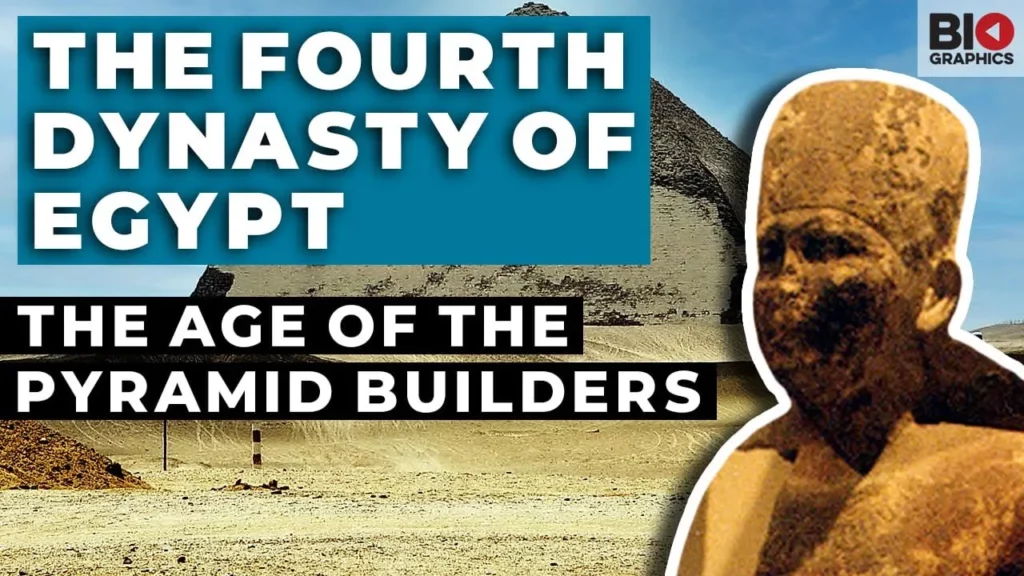
The Fourth Dynasty of Egypt, often regarded as a golden age, is renowned for its monumental achievements, particularly the construction of iconic pyramids such as the Great Pyramid of Giza. This era saw significant advancements in architecture and engineering, beginning with Pharaoh Sneferu’s innovative pyramid designs and culminating in the reigns of Khufu, Djedefra, Khafre, and Menkaure, who each contributed to the legacy of pyramid building. The dynasty ultimately marked a transition in burial practices, leading to the emergence of the Fifth Dynasty and a renewed focus on sun god worship.
Qin Shi Huang: The First Emperor of China

Qin Shi Huang, the First Emperor of China, is a transformative figure in Chinese history known for unifying the country during the tumultuous Warring States period and establishing the Qin Dynasty. His reign, though brief, introduced significant administrative reforms, including the standardization of currency and the construction of the Great Wall, while also being marked by authoritarian practices and suppression of dissent. Despite his controversial methods, his legacy endures as a foundational moment in the creation of a centralized imperial China.