
Claude Monet: Genius of the Gardens
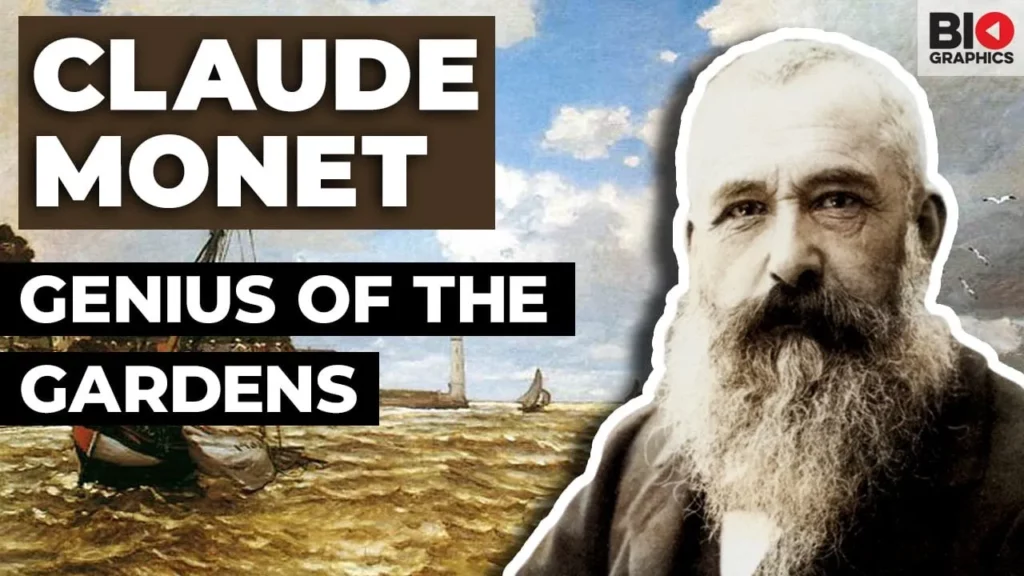
The lesson highlights Claude Monet’s significant impact on the art world, particularly through his pioneering role in the Impressionist movement, which emphasized capturing light and color in innovative ways. Despite facing personal and financial challenges throughout his life, Monet’s dedication to his craft led to the creation of over two thousand canvases, with his later works, such as the water lilies series, showcasing his deep connection to nature. Today, Monet is celebrated as a cultural icon, with his art inspiring various forms of creative expression and commanding high values in the art market.
The Isdal Woman: A Cold War Murder Mystery

The lesson explores the mysterious case of the Isdal Woman, whose charred remains were discovered in Norway’s Isdalen Valley in 1970, sparking a complex investigation filled with intrigue and unanswered questions. Despite extensive efforts to identify her and uncover the circumstances of her death, including modern technological advancements, the case remains unsolved, leaving behind a legacy of speculation and fascination. The story highlights the enduring nature of cold cases and the potential for new investigative techniques to shed light on long-standing mysteries.
Margaret Thatcher: Britain’s Greatest Prime Minister… or its Worst?

The lesson explores the life and political career of Margaret Thatcher, the UK’s first female Prime Minister, who served from 1979 to 1990. Known for her transformative policies, including privatization and economic deregulation, Thatcher’s leadership was marked by both significant achievements and controversies, such as her handling of the miners’ strike and opposition to European integration. Her legacy remains divisive, as she is viewed by some as a champion of economic freedom and by others as a polarizing figure whose policies led to widespread dissatisfaction.
Martin Luther: The Father of the Reformation
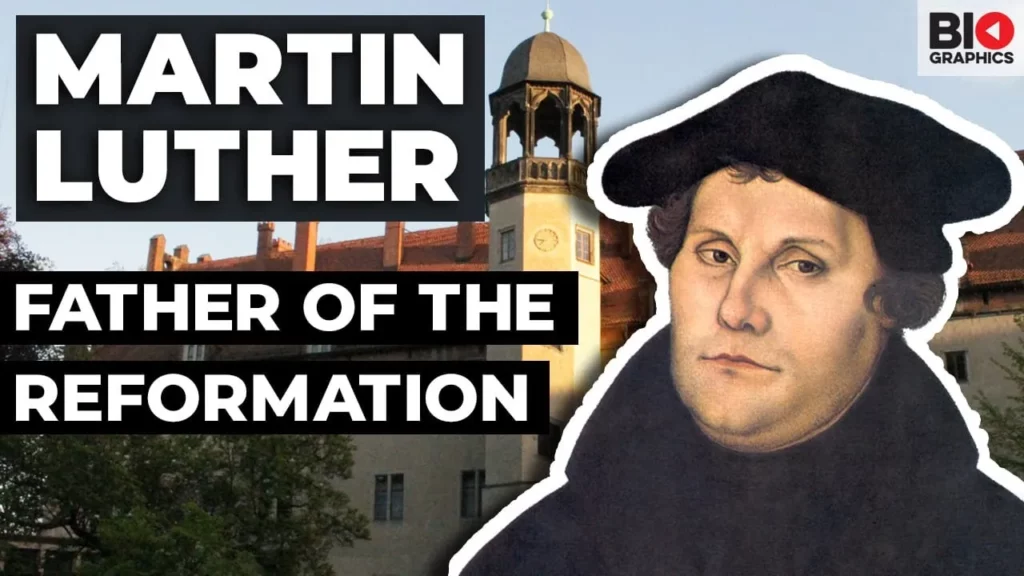
The lesson on Martin Luther highlights his pivotal role in initiating the Reformation, beginning with his posting of the 95 theses on October 31, 1517, which criticized the sale of indulgences and challenged the Catholic Church’s practices. Luther’s early life, disillusionment with church corruption, and subsequent confrontations with church authorities led to significant theological and political changes across Europe, ultimately laying the groundwork for Protestantism. His legacy endures as a transformative figure in Christianity, influencing religious thought and societal structures to this day.
LISK: The Long Island Serial Killer

The Long Island Serial Killer (LISK) case revolves around the mysterious disappearance of Shannon Gilbert in 2010, which led to the discovery of multiple bodies of young women, primarily escorts, near Gilgo Beach. Despite extensive investigations revealing a disturbing pattern and potential suspects, including convicted serial killer John Bitroff, the identity of LISK remains unknown, with the case still active and ongoing efforts to uncover more information through advancements like genetic genealogy. The chilling nature of these unsolved crimes continues to captivate public interest and haunt the search for justice.
Duke of Marlborough
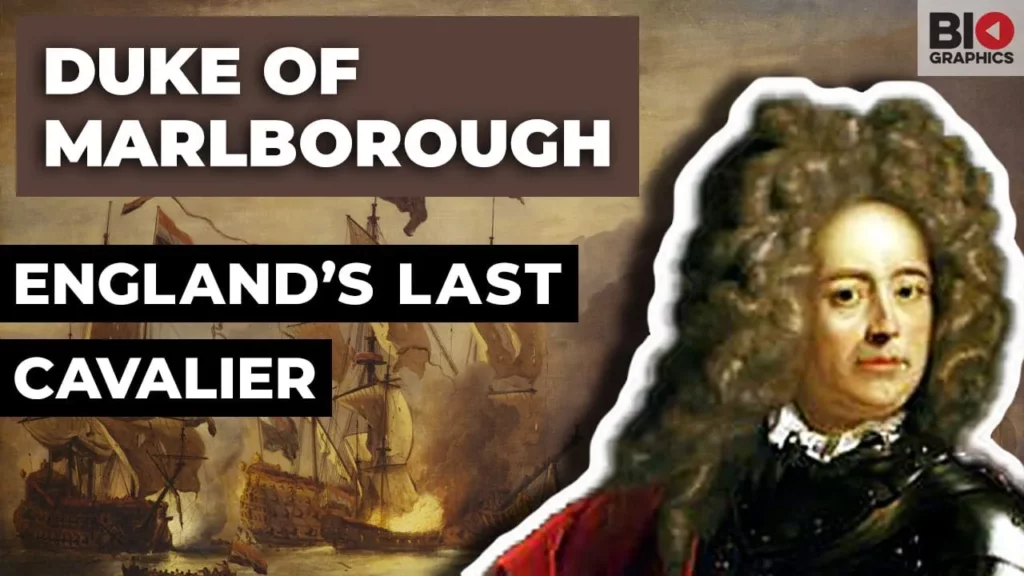
The lesson on the Duke of Marlborough highlights his pivotal role in transforming England’s military reputation during the early 1700s amidst evolving warfare strategies. John Churchill, who became the Duke, navigated complex political landscapes and demonstrated exceptional military leadership, particularly during the War of Spanish Succession, securing significant victories like Blenheim. His legacy as a master strategist and political figure is underscored by his lasting impact on European military history and the subsequent influence of his descendant, Winston Churchill.
The Year of the Five Emperors: When Rome Plunged into Chaos
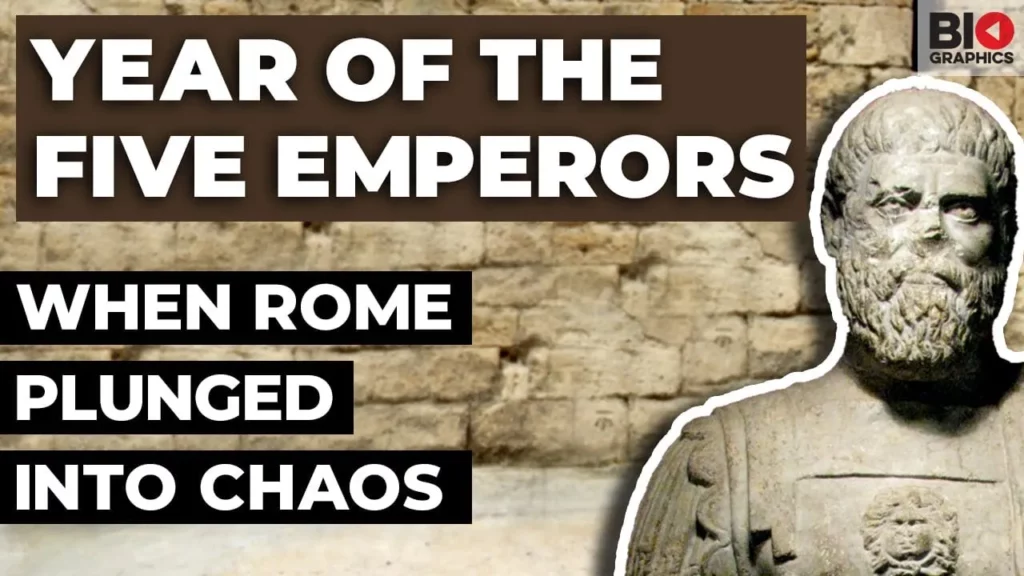
The lesson explores the tumultuous period known as the Year of the Five Emperors, which began with the assassination of Emperor Commodus on December 31, 192 A.D. Following his death, a fierce struggle for power ensued among five contenders, leading to betrayals and conspiracies, ultimately resulting in the rise of Septimius Severus as emperor. This chaotic chapter in Roman history highlights the fragility of power and the rapid shifts in leadership that characterized the era.
Dick Turpin: History’s Most Notorious Highwayman

The lesson explores the life and legacy of Dick Turpin, a notorious English highwayman executed in 1739 for horse theft, despite his numerous serious crimes. While his real-life actions were violent and criminal, a Victorian novel romanticized his story, creating a legendary image of him as a charming rogue, including the fictional tale of his 200-mile ride from London to York. The lesson aims to separate the facts of Turpin’s criminal life from the embellished narratives that have contributed to his enduring notoriety in popular culture.
Primo Levi: Chemist, Writer, Auschwitz Survivor
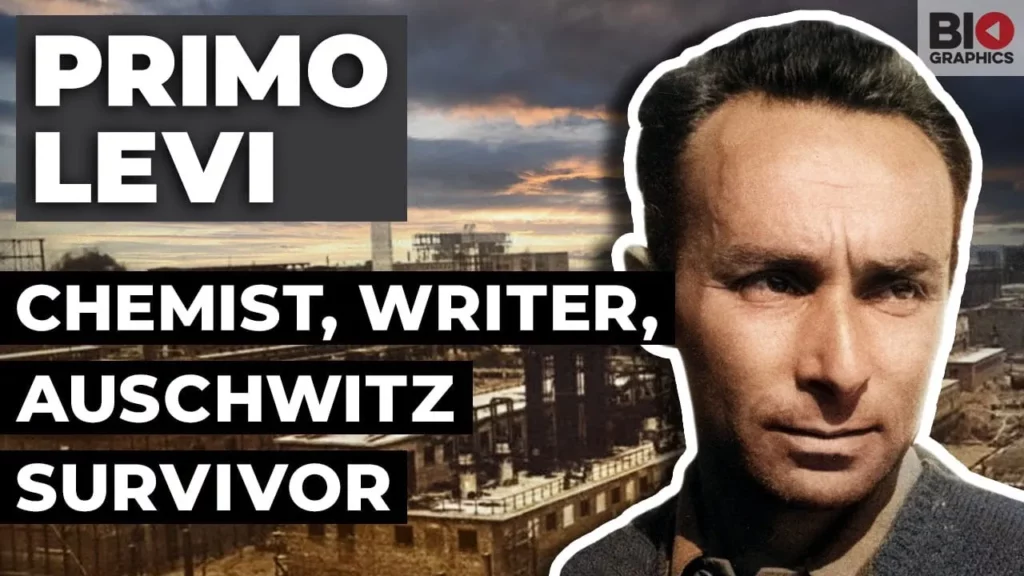
The lesson highlights the life of Primo Levi, an Italian chemist, writer, and Auschwitz survivor, emphasizing his journey from a young boy fascinated by science to a significant literary figure of the 20th century. It details his experiences during World War II, including his arrest for resistance activities, survival in the brutal conditions of Auschwitz, and eventual liberation, which inspired his powerful writings on the Holocaust. Levi’s works serve as a poignant reminder of the horrors of that era and the enduring strength of the human spirit amidst adversity.
Dr. Sam Sheppard: A Murder Trial that Shocked America

The lesson explores the dramatic and controversial murder trial of Dr. Sam Shepard, which inspired the film “The Fugitive.” Despite being wrongfully convicted of his wife’s murder due to intense media scrutiny, Shepard’s conviction was overturned nearly a decade later by the U.S. Supreme Court, highlighting issues of justice and the impact of public opinion on legal proceedings. The case remains unresolved, with ongoing questions about Shepard’s innocence and the true circumstances surrounding his wife’s death.