
Bonnie and Clyde: America’s Most Notorious Criminal Couple
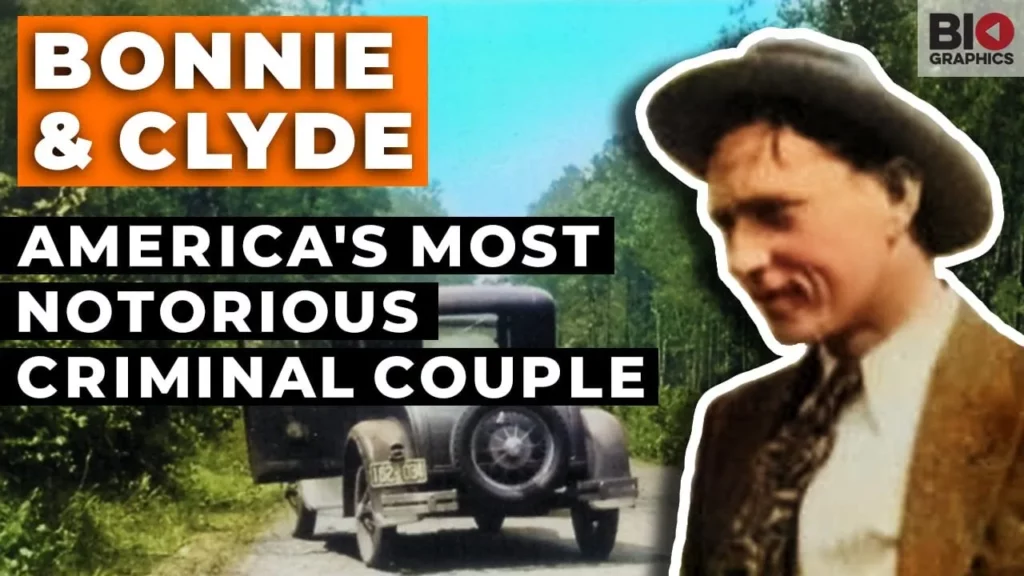
The lesson explores the rise and fall of Bonnie and Clyde, the infamous criminal couple of the Great Depression era. Their notoriety began with a police raid in 1933 that revealed their criminal activities and led to a dramatic shootout, capturing public fascination during a time of economic hardship. Despite their violent crimes and eventual deaths in 1934, Bonnie and Clyde became romanticized figures in American culture, symbolizing rebellion and adventure.
Terry Pratchett: Discworld And Beyond
The lesson highlights the remarkable journey of Terry Pratchett, a prolific author known for his influential Discworld series and other notable works. It explores his early life, the development of his writing career, and the unique blend of humor and satire in his storytelling, while also acknowledging his advocacy for important social issues and his legacy in literature. Pratchett’s ability to connect with readers and his innovative use of the internet further underscore his significance as a literary figure.
Sargon of Akkad: Founder of the First Empire in History
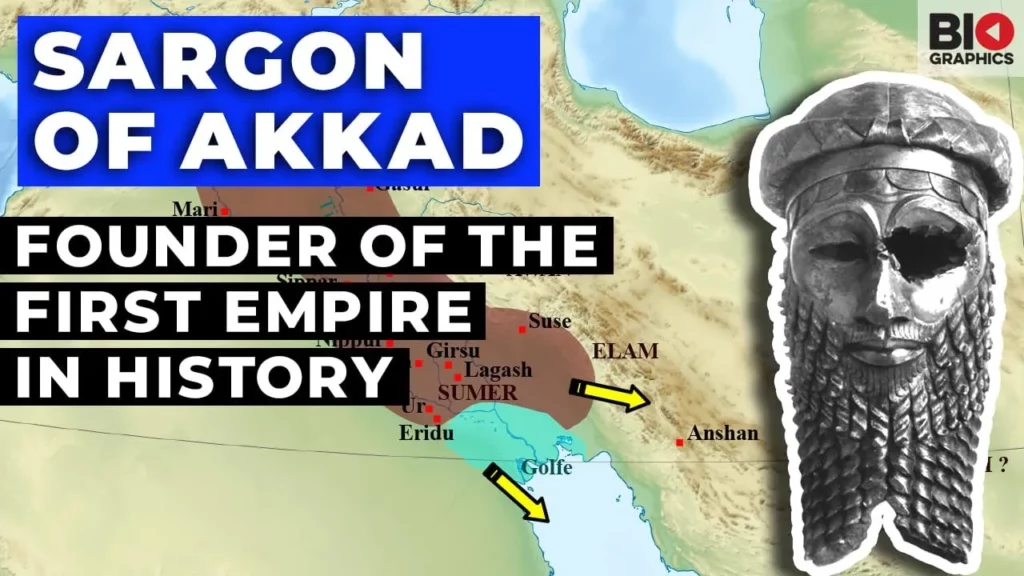
The lesson explores the life and legacy of Sargon of Akkad, who founded the first empire in history during the early Bronze Age in Mesopotamia. It highlights the rise of Sumerian city-states, Sargon’s ascent from humble beginnings to becoming a powerful ruler, and the establishment of the Akkadian Empire, which significantly influenced the region’s political landscape and language. Sargon’s reign, marked by conquests and challenges, serves as a pivotal example of early leadership and the complexities of empire-building.
James Randi: The Former Magician Who Exposed Fakes, Frauds, and Charlatans
James Randi, a former magician turned professional skeptic, dedicated his life to exposing fraudulent claims of supernatural abilities, emphasizing the importance of critical thinking and skepticism. His notable efforts included the million-dollar paranormal challenge, debunking famous figures like Uri Geller and Peter Popoff, and orchestrating Project Alpha to demonstrate how easily scientists could be misled. Randi’s legacy continues to inspire a new generation to question extraordinary claims and seek evidence before acceptance.
George H.W. Bush: The Stunning Highs and Lows of America’s Last Pre-Modern President

The lesson on George H.W. Bush highlights his unique position in American history as a president and father of a president, detailing his journey from a decorated Navy pilot to the 41st President of the United States. It explores the significant highs and lows of his life and presidency, including his military service, political career, and notable foreign policy achievements, such as the Gulf War and the management of the Cold War’s conclusion. Ultimately, Bush’s legacy is characterized by a blend of triumphs and challenges, reflecting his commitment to public service and the complexities of his impact on American politics.
Meyer Lansky: The Mob’s Accountant

The lesson explores the life and influence of Meyer Lansky, a pivotal figure in organized crime known for his exceptional business acumen. Born in Belarus and later rising to prominence in the U.S. mob scene, Lansky played a crucial role in shaping organized crime through strategic partnerships, particularly with Lucky Luciano, and by establishing lucrative gambling operations. His legacy highlights the intersection of criminal enterprise and business strategy, illustrating how Lansky’s skills could have led him to success in legitimate industries as well.
Tom Horn: The Most Polarizing Anti-Hero of the Wild West

The lesson explores the life of Tom Horn, a polarizing figure of the Wild West, whose legacy raises questions about heroism and villainy. Born in 1860, Horn’s adventurous spirit led him to become a scout and later a controversial member of the Pinkerton Detective Agency, where he faced accusations of murder. His execution in 1903 and the ongoing debate about his true nature highlight the complexities of historical narratives and the enduring fascination with Wild West characters.
Dwight D. Eisenhower: Mr. Supreme Allied Commander Goes to Washington

The lesson on Dwight D. Eisenhower highlights his remarkable journey from a humble background to becoming a prominent military leader and the 34th President of the United States. His presidency was marked by economic prosperity, infrastructure development, and a cautious approach to Cold War tensions, while also addressing the challenges of the civil rights movement. Eisenhower’s legacy is defined by his strategic leadership during World War II and his contributions to America’s post-war growth and social progress.
The Tollund Man: The World’s Most Famous Bog Body
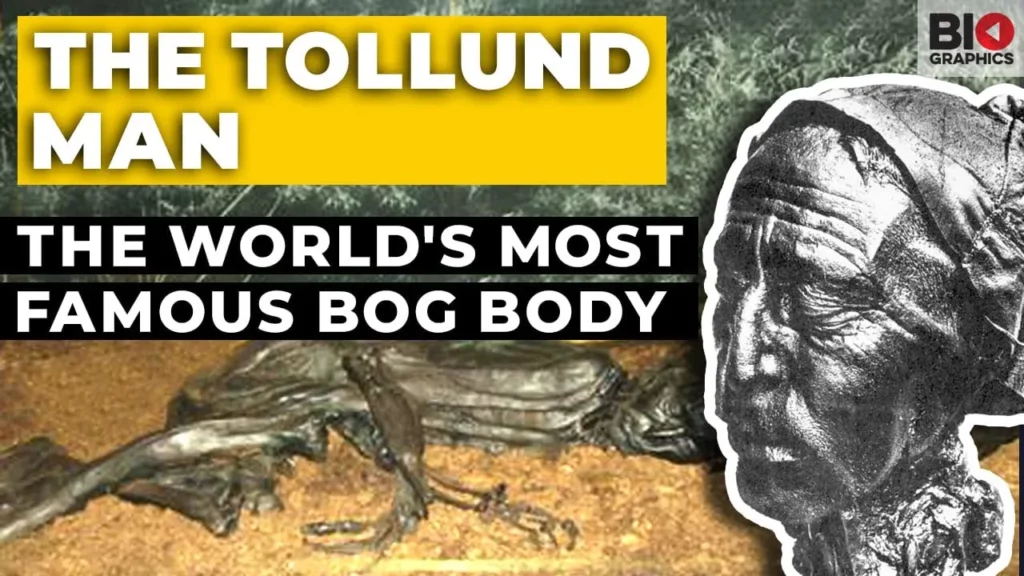
The lesson explores the fascinating world of bog bodies, specifically focusing on the Tollund Man, one of the most famous examples discovered in Denmark in 1950. Preserved in a peat bog for over 2,000 years, the Tollund Man’s remarkably intact remains provide insights into ancient practices, including theories surrounding his possible human sacrifice. The preservation techniques developed for his remains highlight the unique conditions of bogs and the mysteries they hold about our past.
The Axeman of New Orleans: The Killer Who Loved Jazz

The lesson explores the chilling case of the Axeman of New Orleans, a mysterious serial killer who terrorized the city from 1918 to 1919. The Axeman’s reign of terror included a series of brutal attacks, culminating in a bizarre ultimatum demanding that jazz music be played throughout the city, which led to a temporary halt in violence. Despite numerous investigations and suspects, including a notable letter from the Axeman, his true identity remains unknown, making this case one of the most enduring mysteries in criminal history.