
Rembrandt: The Light Behind the Canvas
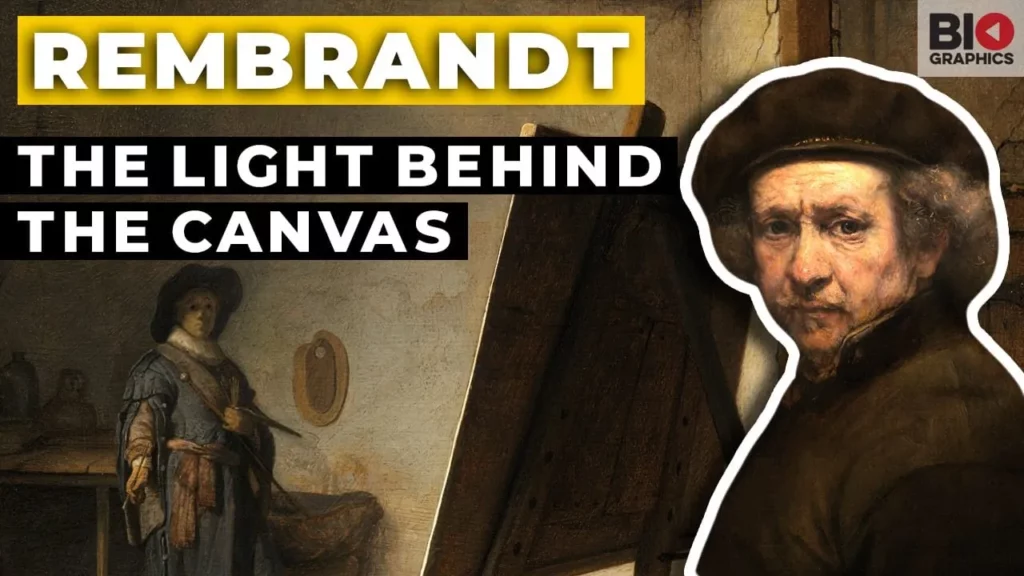
The lesson “Rembrandt: The Light Behind the Canvas” explores the life and artistic journey of the legendary painter Rembrandt, highlighting his unique techniques, innovative use of light, and the emotional depth of his works. Despite facing personal and financial challenges, Rembrandt’s ability to capture the human experience and his groundbreaking contributions to art, such as “The Night Watch,” solidified his legacy as one of history’s greatest artists. His story is a blend of triumph and adversity, reflecting the complexities of his character and the enduring impact of his art.
Thomas-Alexandre Dumas: The Real-Life Count of Monte Cristo
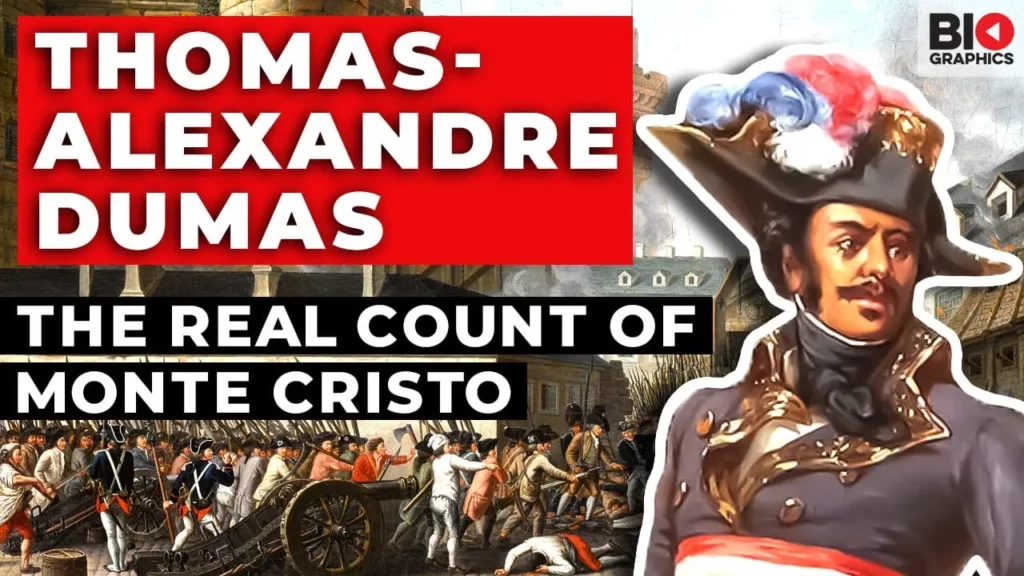
The lesson highlights the remarkable life of Thomas-Alexandre Dumas, a Black general in Revolutionary France whose experiences inspired his son, Alexandre Dumas, to create “The Count of Monte Cristo.” Despite his bravery and significant contributions to the military, Thomas-Alexandre faced betrayal and was largely forgotten by history, only to be rediscovered in modern times. His story serves as a powerful reminder of resilience and the importance of recognizing the legacies of those who have been overlooked.
Arthur Wellesley: The Iron Duke of Wellington
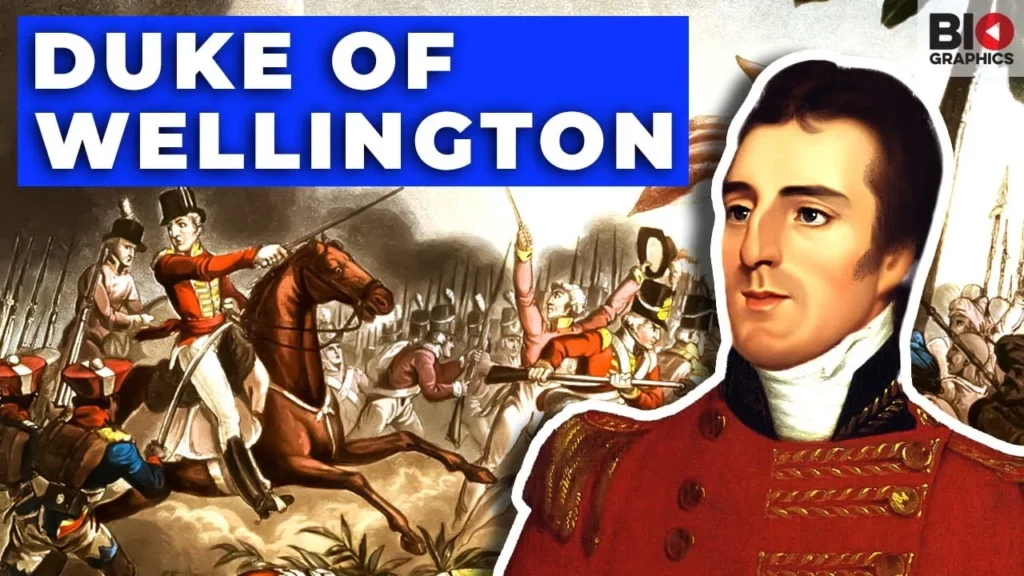
The lesson explores the life and achievements of Arthur Wellesley, the Duke of Wellington, who played a pivotal role in defeating Napoleon Bonaparte, thereby shaping European history. From his early struggles and military career in India to his decisive victories in the Peninsular War and the Battle of Waterloo, Wellington’s strategic prowess established him as a legendary military leader. After his military success, he transitioned into a significant political role in Britain, leaving a lasting legacy that continues to be celebrated.
The Kray Twins: London’s Most Notorious Gangsters

The lesson on the Kray twins explores their rise to infamy as London’s most notorious gangsters, detailing their challenging upbringing, initial forays into boxing, and eventual turn to organized crime. As they established “the Firm,” their influence grew, intertwining with the glamour of the swinging ’60s, but their violent rivalries and criminal activities ultimately led to their downfall. The Krays’ legacy serves as a reflection on the socio-economic conditions of post-war London and the complex relationship between crime and culture during that era.
Frank Costello: The Prime Minister of the Underworld

The lesson explores the life of Frank Costello, an influential figure in organized crime known as the “Prime Minister of the Underworld.” It details his rise from petty theft to becoming a powerful Mafia boss, highlighting his strategic use of influence over violence, his role in the National Crime Syndicate, and the challenges he faced, particularly from rival factions within the Mafia. Costello’s legacy illustrates the intricate dynamics of crime and power, as well as the importance of connections in both the criminal and political realms.
Jack Kerouac: Life On The Road

The lesson explores the life and impact of Jack Kerouac, a pivotal figure of the Beat Generation, whose seminal work, *On the Road*, captured the adventurous spirit and rebellion of his time through a unique, jazz-influenced narrative. Born into a devout Quebecois family, Kerouac’s journey from a promising athlete to a celebrated writer was marked by personal struggles, including poverty and alcoholism, ultimately shaping his complex legacy as both a literary icon and a seeker of spiritual truth. Despite his tumultuous life, Kerouac’s influence endures, inspiring generations to explore unconventional lifestyles and deeper meanings in their own journeys.
Jack the Stripper: The Mysterious Killer Behind the Hammersmith Murders

The lesson explores the chilling case of “Jack the Stripper,” a serial killer who targeted sex workers in London during the 1960s, drawing eerie parallels to the infamous Jack the Ripper. The investigation into the murders, which began with the discovery of Elizabeth Figg’s body in 1959 and continued with several other victims, highlighted the challenges faced by law enforcement in capturing a cunning and elusive criminal. Despite various theories and increased police efforts, the true identity of Jack the Stripper remains a haunting mystery, underscoring the vulnerability of marginalized individuals and the complexities of criminal investigations.
Gustavus Adolphus: The Lion of the North
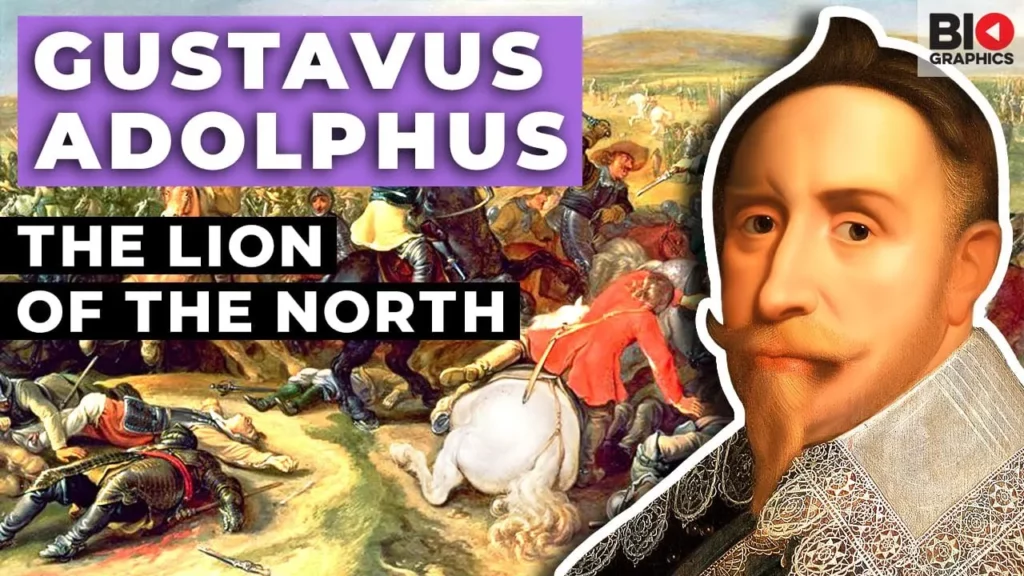
The lesson on Gustavus Adolphus, known as “the Lion of the North,” highlights his pivotal role in transforming Sweden from a small kingdom into a powerful empire during the 17th century. His innovative military reforms and strategic victories, particularly during the Thirty Years’ War, established him as a key figure in modern military history, despite his untimely death at the Battle of Lützen. Gustavus’s legacy endures through his contributions to military tactics and the lasting impact of his leadership on Sweden and Europe.
Ricin: The Perfect Poison

The lesson on ricin explores the characteristics and dangers of this highly lethal poison, which can be derived from castor beans and is both odorless and tasteless. With no antidote available, ricin poses significant risks through various methods of poisoning, including ingestion, injection, and inhalation, although its practical use in mass attacks is limited. Historical instances of ricin use, particularly in targeted assassinations, underscore its potential threat when wielded by malicious actors.
Marcus Junius Brutus: History’s Most Infamous Betrayal
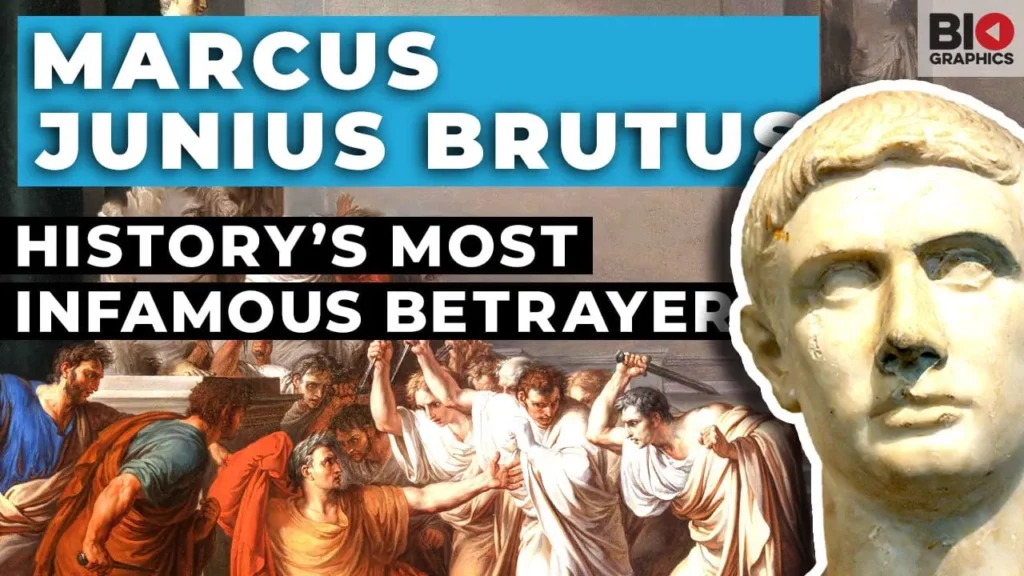
The lesson explores the life and legacy of Marcus Junius Brutus, focusing on his infamous betrayal of Julius Caesar, which is encapsulated in the phrase “Et tu, Brute?” Although this phrase is not found in ancient texts, it symbolizes the ultimate act of betrayal. Brutus’s journey from a supporter of the Republic to a key conspirator in Caesar’s assassination highlights the tension between loyalty and political ideals, ultimately leading to the downfall of the Roman Republic and the rise of the Roman Empire.