
Warren G. Harding: The Most Corrupt President in US History

The lesson on Warren G. Harding highlights his presidency as one of the most corrupt in U.S. history, overshadowed by scandals such as the infamous Teapot Dome scandal and his personal affairs. Despite some positive contributions, Harding’s lack of leadership and integrity, coupled with the corrupt practices of his administration, have led to his legacy being largely viewed as ineffective and cautionary. His story serves as a reminder of the critical importance of ethical leadership in public office.
Richard Ramirez: The Night Stalker Prowls the City of Angels

The lesson explores the chilling case of Richard Ramirez, known as the Night Stalker, who terrorized Los Angeles in the mid-1980s with a series of brutal attacks and murders. Beginning with his first assault in June 1984, Ramirez’s violent spree escalated, leading to widespread fear and a complex investigation that ultimately resulted in his capture in August 1985. The case underscores the significance of understanding criminal behavior, the societal influences that shape such actions, and the critical role of investigative diligence in achieving justice.
Leland Stanford: The Controversial Life of America’s Western Railroad Tycoon
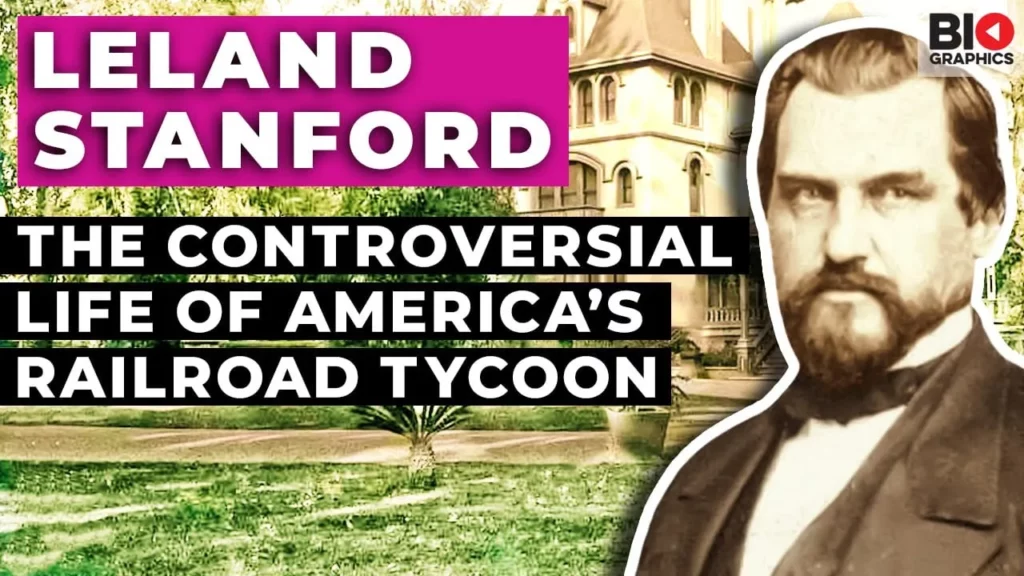
Leland Stanford was a complex figure in American history, known for his controversial rise as a railroad tycoon and his philanthropic legacy. As the first Republican governor of California, he played a pivotal role in the construction of the transcontinental railroad, leveraging his political influence while facing criticism for his anti-Chinese immigrant stance. Despite his contentious methods, Stanford’s lasting impact is most notably seen in the establishment of Stanford University, which continues to shape education and innovation today.
King John: How England’s Horrible Monarch Ended Up Granting Human Rights to the Western World
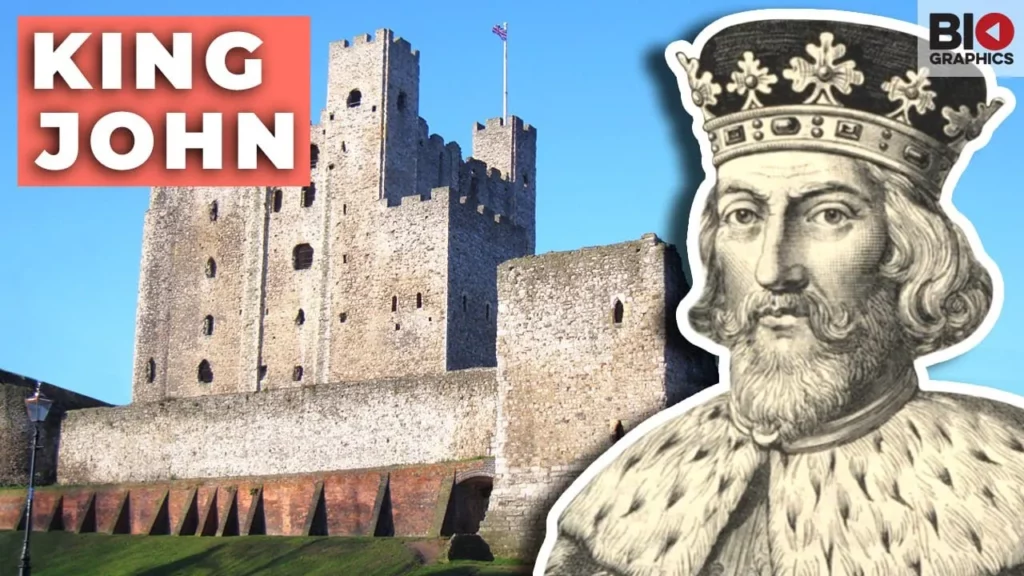
The lesson explores the tumultuous reign of King John of England, highlighting his unexpected rise to power and the challenges he faced, including rebellion from the barons due to his oppressive rule. Ultimately, his forced agreement to the Magna Carta in 1215 marked a pivotal moment in history, establishing the principle that the king is subject to the law and laying the groundwork for modern democracy. Despite his notorious reputation, John’s legacy endures through the lasting impact of the Magna Carta on governance and human rights.
The Profumo Affair: Sex, Spies, and Scandal During the UK’s Cold War
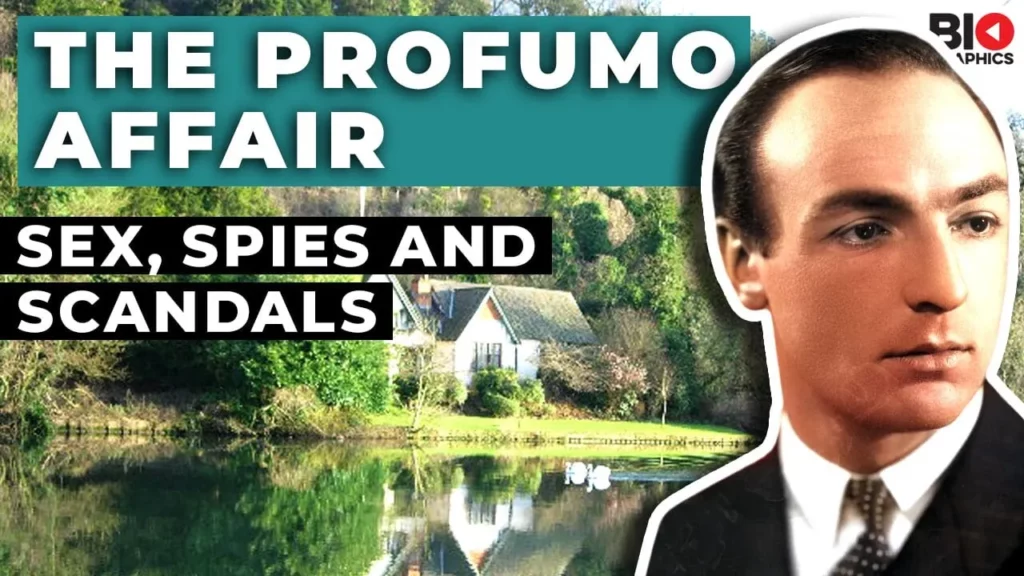
The Profumo Affair was a significant political scandal in the early 1960s that intertwined romance, espionage, and high society, ultimately leading to the downfall of Prime Minister Harold Macmillan’s Conservative government. Central to the scandal were John Profumo, a high-ranking politician, and Christine Keeler, a showgirl with connections to a Soviet spy, raising serious concerns about national security. The affair’s exposure resulted in Profumo’s resignation, a loss of public trust in the government, and lasting repercussions for those involved, highlighting the intricate relationship between personal actions and political consequences during the Cold War.
Cholera: Love in the Time of Pandemic
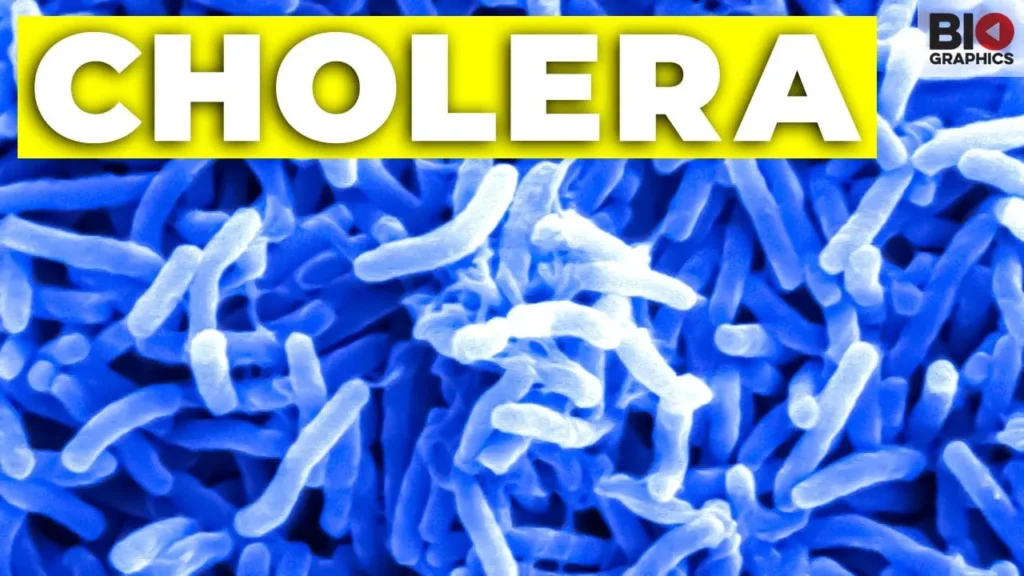
The lesson “Cholera: Love in the Time of Pandemic” explores the historical emergence and spread of cholera, a deadly disease caused by the bacterium *Vibrio cholerae*, which first appeared in the early 19th century and led to multiple pandemics affecting millions globally. It emphasizes the critical role of sanitation and clean water access in preventing outbreaks, as well as the advancements in public health that arose from understanding cholera’s transmission. Despite significant progress, cholera remains a public health challenge in poorer nations today, underscoring the ongoing need for improved sanitation practices.
The Challenger Crew: 73 Seconds From Disaster

The lesson recounts the tragic events of the Space Shuttle Challenger disaster on January 28, 1986, which resulted in the loss of seven crew members just 73 seconds after launch. It highlights the inspiring stories of each astronaut, including Christa McAuliffe, the first civilian in space, and emphasizes the importance of remembering their legacies and the dreams they pursued. The lesson serves as a reminder of the human spirit’s resilience and the impact these individuals had on education and exploration.
Peter Freuchen: The Incredible Life of the Arctic Explorer

The lesson on Peter Freuchen highlights the extraordinary life of the Danish Arctic explorer, known for his resilience and adventurous spirit. Born in 1886, Freuchen’s early curiosity led him to explore Greenland, where he faced numerous challenges and tragedies, including the loss of his first wife. His legacy as a pioneering explorer, writer, and filmmaker, along with his contributions to the Danish resistance during World War II, showcases his enduring impact on the spirit of exploration and adventure.
General Luigi Cadorna: Italy’s Controversial WW1 General
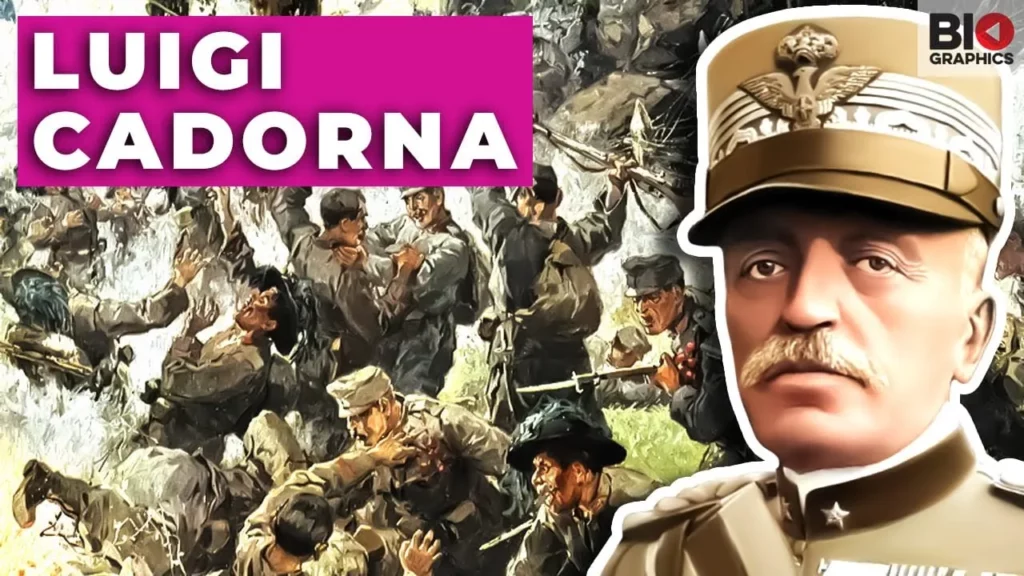
General Luigi Cadorna, Italy’s commander-in-chief during World War I, is a controversial figure known for his rigid military strategies that resulted in heavy casualties and low troop morale. Despite some tactical successes, his leadership faced significant criticism, culminating in the disastrous Battle of Caporetto, which led to his removal from command. Cadorna’s legacy is debated among historians, highlighting the complexities of military leadership in the face of evolving warfare.
Griselda Blanco: The Cocaine Godmother

The lesson emphasizes the importance of setting boundaries and recognizing when to decline requests for assistance. It highlights that it’s okay to say no and that doing so can help maintain personal integrity and focus on priorities. Ultimately, the lesson encourages self-awareness and the ability to communicate limitations effectively.