
James Earl Ray: The Man Who Shot Martin Luther King Jr.

The lesson explores the assassination of Dr. Martin Luther King Jr. by James Earl Ray on April 4, 1968, highlighting the circumstances surrounding the tragic event and the subsequent investigation that led to Ray’s capture. It examines Ray’s troubled background, his criminal history, and the motivations behind his actions, while also reflecting on the profound impact of King’s assassination on the civil rights movement and American society. Ultimately, the lesson underscores the complexities of this historical event and its enduring legacy in the fight for equality and justice.
Robert Moses: The Man Who Built the Modern New York
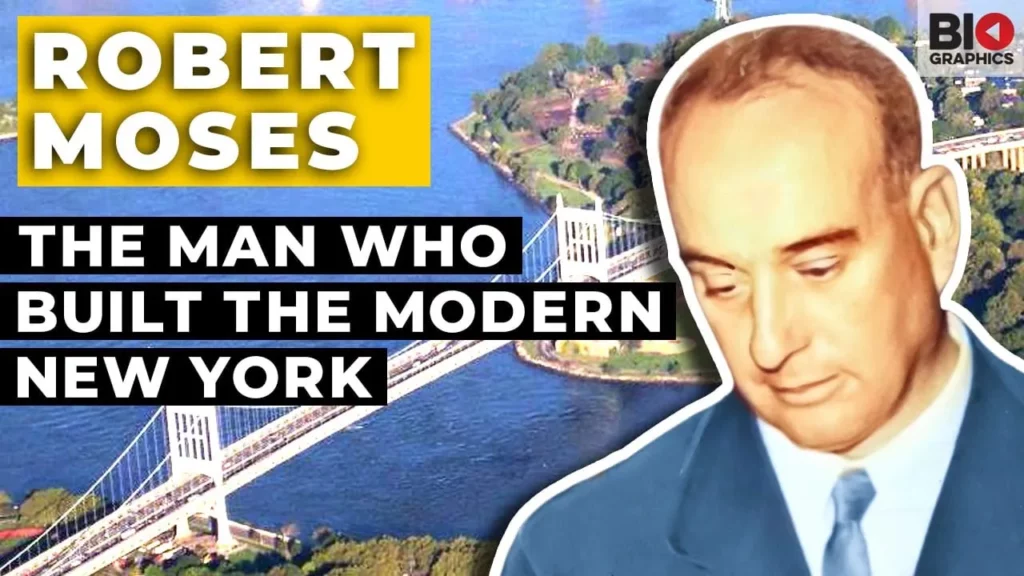
The lesson explores the profound impact of Robert Moses on the urban landscape of New York City, particularly during the rise of the automobile in the mid-20th century. While Moses is credited with significant public works that revitalized the city during the Great Depression, his legacy is controversial due to his autocratic approach and the displacement of communities, particularly marginalized ones, in favor of car-centric infrastructure. Ultimately, Moses’s story reflects the complexities of urban development, highlighting both his visionary contributions and the detrimental consequences of his planning decisions.
Pablo Picasso: The Public Art and Private Life of the Maestro
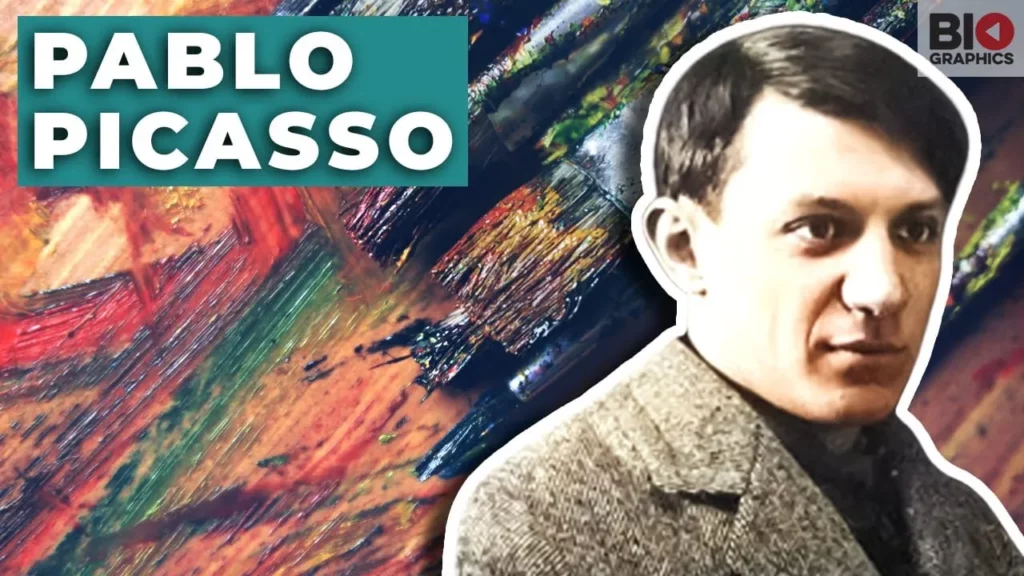
The lesson explores the life and artistic journey of Pablo Picasso, highlighting how his personal experiences, including family tragedies and complex relationships, influenced his revolutionary art. From his early Blue and Rose periods to the impactful political commentary in works like “Guernica,” Picasso’s legacy is a testament to his genius and the emotional struggles he faced. Ultimately, his ability to translate personal turmoil into profound artistic expression underscores the enduring power of art to reflect the human experience.
Alaric: The Gothic King Who Plundered Rome
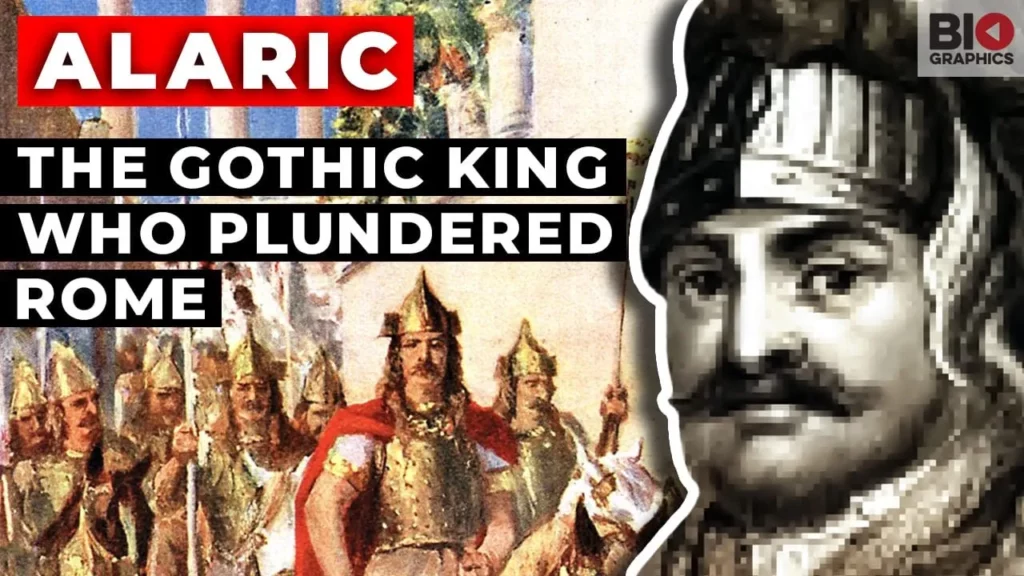
The lesson explores the significant historical impact of Alaric, the Gothic king who famously sacked Rome in 410 AD, marking a pivotal moment in the decline of the Western Roman Empire. It details Alaric’s rise from a member of the Goths to a formidable leader, highlighting the conflicts between the Goths and Romans that ultimately led to the siege and fall of Rome. Alaric’s actions not only devastated the empire but also set the stage for the emergence of new kingdoms, illustrating the fragility of even the most powerful civilizations.
General J.R. Videla: The Face of Argentina’s Dirty War
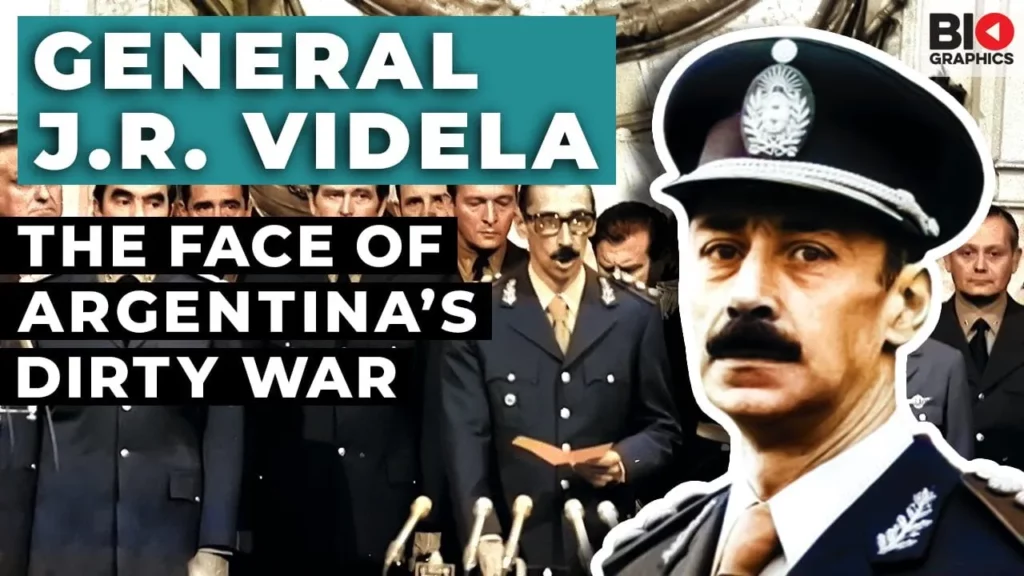
In this lesson, we explored Argentina’s history, focusing on the leadership of General Videla and the impact of his choices on the people. While the story highlights some difficult times, it serves as a reminder of the importance of kindness and fairness in our interactions with others. Through fun activities like sharing circles and kindness jars, we learn to be good friends and create a supportive environment for everyone.
Tarquin the Proud: The Last King of the Romans
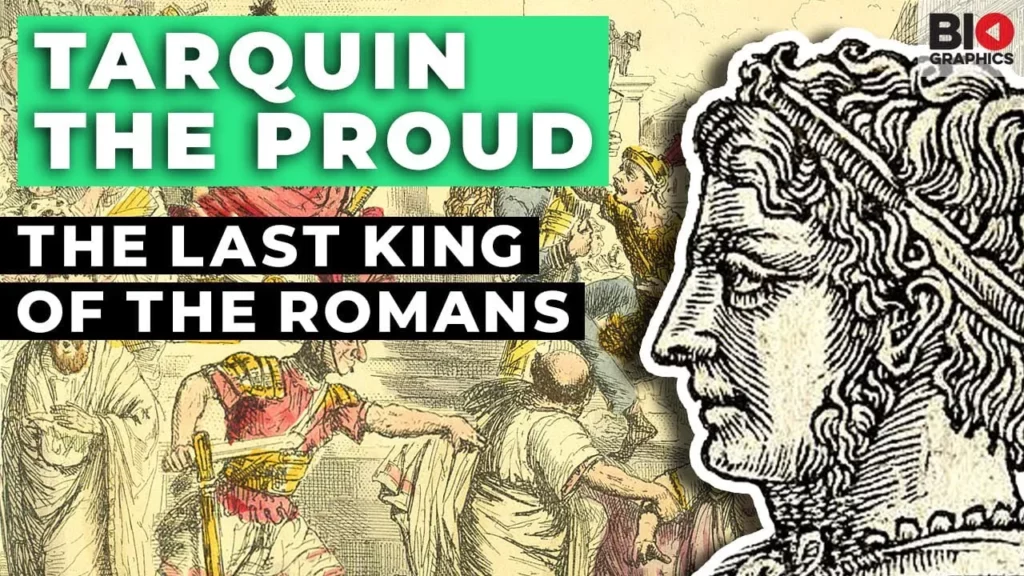
The lesson explores the story of Lucius Tarquinius Superbus, known as Tarquin the Proud, the last king of Rome, detailing his rise to power, tyrannical reign, and eventual downfall. His rule, characterized by violence and oppression, culminated in a revolt sparked by the tragic fate of Lucretia, leading to his banishment and the establishment of the Roman Republic, marking a significant shift from monarchy to a system of elected leadership. The lesson highlights the transition from the Roman Kingdom to the Republic, emphasizing the importance of this historical turning point.
Ferdinand Marcos: Greed, Guns, and Gold in the Philippines

The lesson on Ferdinand Marcos highlights his rise to power in the Philippines, marked by corruption, authoritarianism, and significant human rights abuses during his two-decade rule. Initially a democratically elected president, Marcos declared martial law to suppress dissent, leading to widespread political repression and economic decline. His eventual downfall in 1986, spurred by public protests and loss of U.S. support, serves as a cautionary tale about the perils of unchecked power and the impact of greed on governance.
Sarin: The Nazi Nerve Gas

The lesson emphasizes the importance of setting boundaries and recognizing when a request cannot be fulfilled. It highlights the need for clear communication and the ability to respectfully decline requests that may be inappropriate or beyond one’s capacity to assist. This approach fosters mutual respect and understanding in interactions.
George “Machine Gun” Kelly: The Most Wanted Man in America

The lesson explores the life of George “Machine Gun” Kelly, a notorious figure from the Prohibition era, whose criminal legacy was solidified by a high-profile kidnapping. Born into a troubled family, Kelly’s descent into crime began with bootlegging and escalated to robbery and kidnapping, culminating in the abduction of oil magnate Charles Urschel. Captured by the FBI, he and his wife were sentenced to life imprisonment, and Kelly’s story serves as a compelling reflection on the impact of personal choices and societal factors on one’s life trajectory.
Edward England: The Pirate Captain Who Was Marooned… and Survived
The lesson explores the life of Edward England, a pirate captain known for his unusual kindness, which ultimately led to his downfall. Despite his efforts to be compassionate, his crew abandoned him on a deserted island due to resentment, highlighting the harsh realities of pirate life. England’s story serves as a cautionary tale about the dangers of being too benevolent in a ruthless world.