
Captain James Cook: The World’s Most Famous Explorer
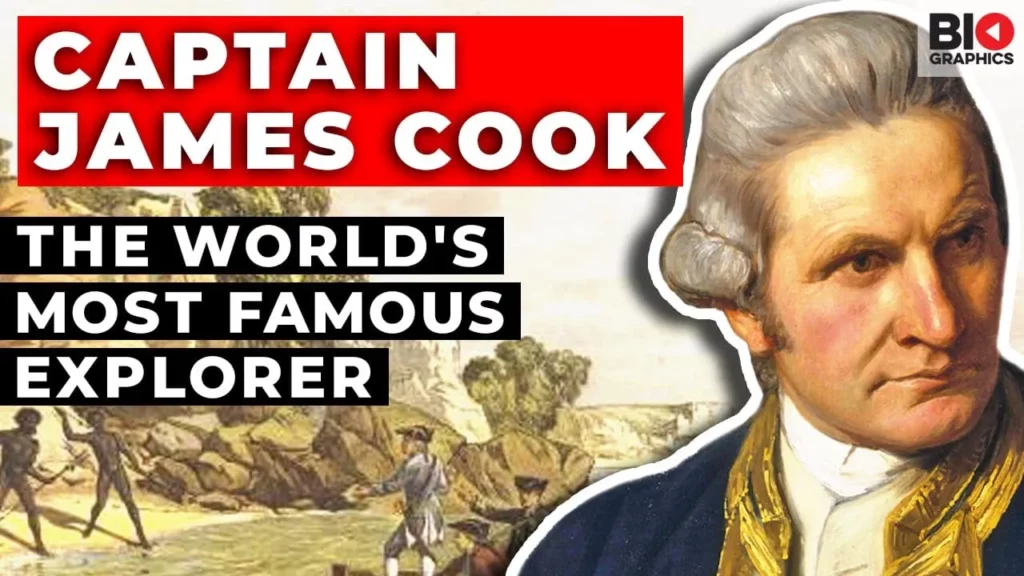
Captain James Cook, born in 1728 in England, became one of the most renowned explorers of the 18th century through his three major voyages that mapped the Pacific Ocean and expanded European knowledge of new territories. His early career in the Royal Navy and significant contributions during the Seven Years’ War set the stage for his later expeditions, including the successful observation of the transit of Venus and the discovery of New Zealand and Australia’s eastern coast. While celebrated for his navigational achievements, Cook’s legacy is complex, as it also highlights the consequences of European exploration and colonization on indigenous populations.
Santa Anna: Mexico’s Man of Destiny
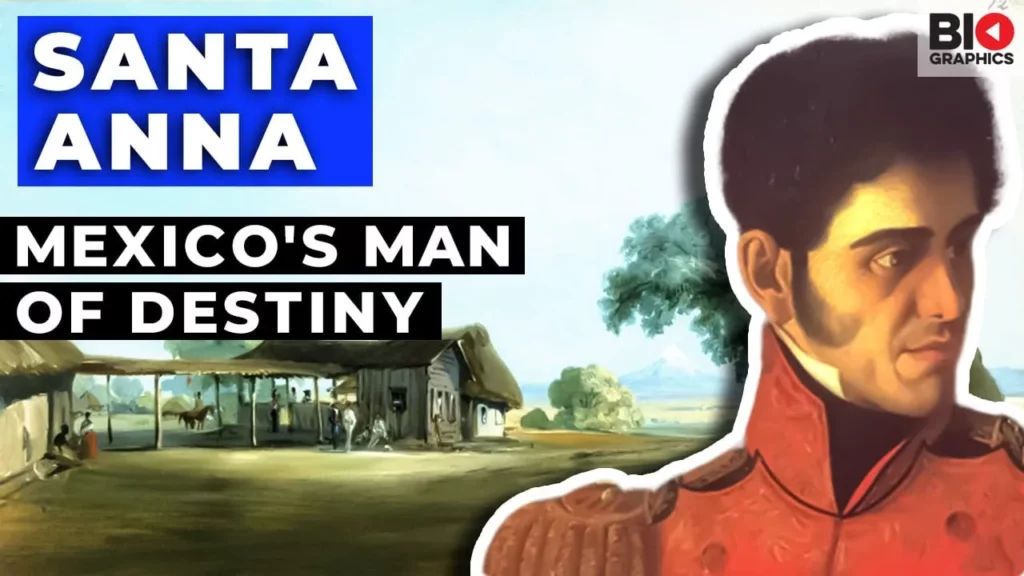
The lesson on Antonio López de Santa Anna highlights his significant yet controversial role in Mexican history, particularly during the tumultuous 19th century. Initially a military leader who shifted allegiances during Mexico’s fight for independence, Santa Anna’s political maneuvering led him to the presidency, where he established a conservative dictatorship and played a key role in events like the Texas Revolution and the Mexican-American War. His legacy is marked by both his political survival skills and the chaos of his era, making him a pivotal figure despite his often vilified reputation.
Lord Byron: Mad, Bad, and Dangerous to Know
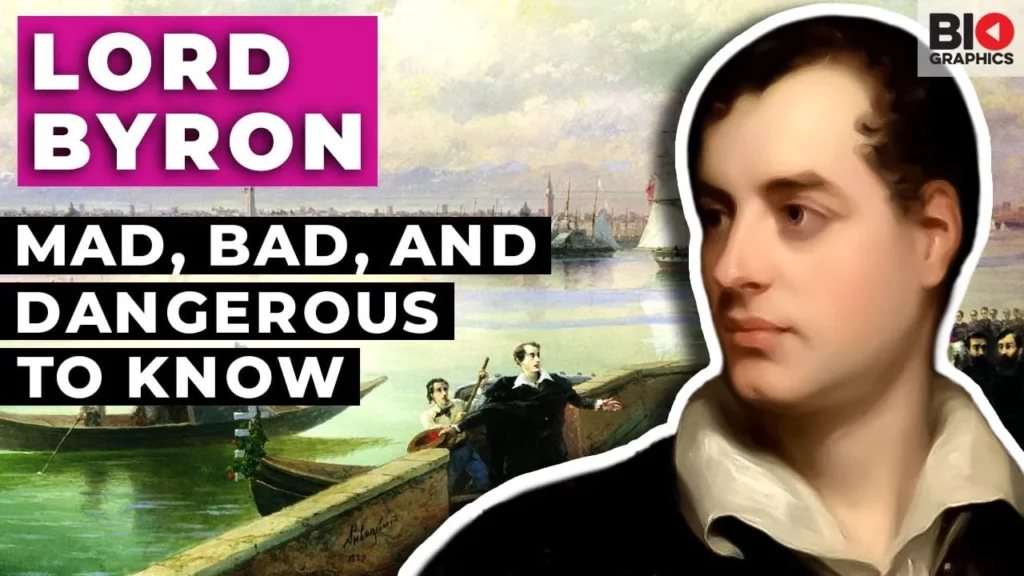
The lesson explores the life and legacy of Lord Byron, a prominent figure of the Romantic era known for his poetic brilliance and tumultuous personal life. From a troubled childhood marked by instability and abuse to his rise as a celebrated poet and eventual exile, Byron’s journey reflects both his artistic genius and the complexities of his character. His contributions to literature, particularly through works like “Childe Harold’s Pilgrimage” and “Don Juan,” solidified his status as a cultural icon, while his involvement in the Greek War of Independence highlights his passionate spirit and commitment to causes beyond himself.
James Buchanan: Was This Man America’s Worst President?
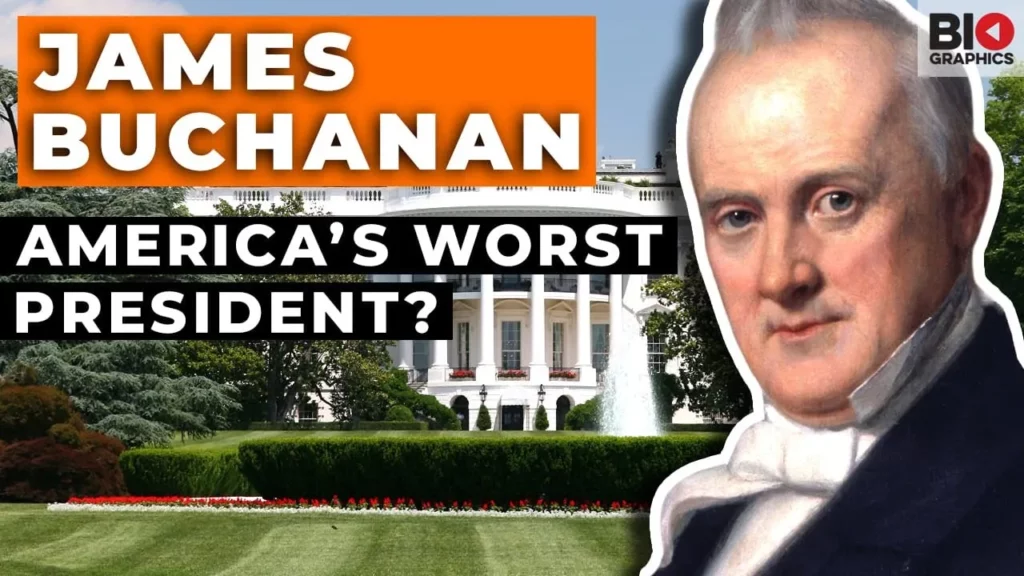
The lesson explores the presidency of James Buchanan, often regarded as one of America’s worst presidents due to his failure to effectively address the escalating tensions over slavery during a critical period leading up to the Civil War. Despite his extensive political experience, Buchanan’s indecisiveness and alignment with pro-slavery interests exacerbated national divisions, ultimately contributing to his legacy of failure. His story serves as a cautionary tale about the dangers of ineffective leadership in times of crisis.
Alexander Hamilton: The Father of the American Economy
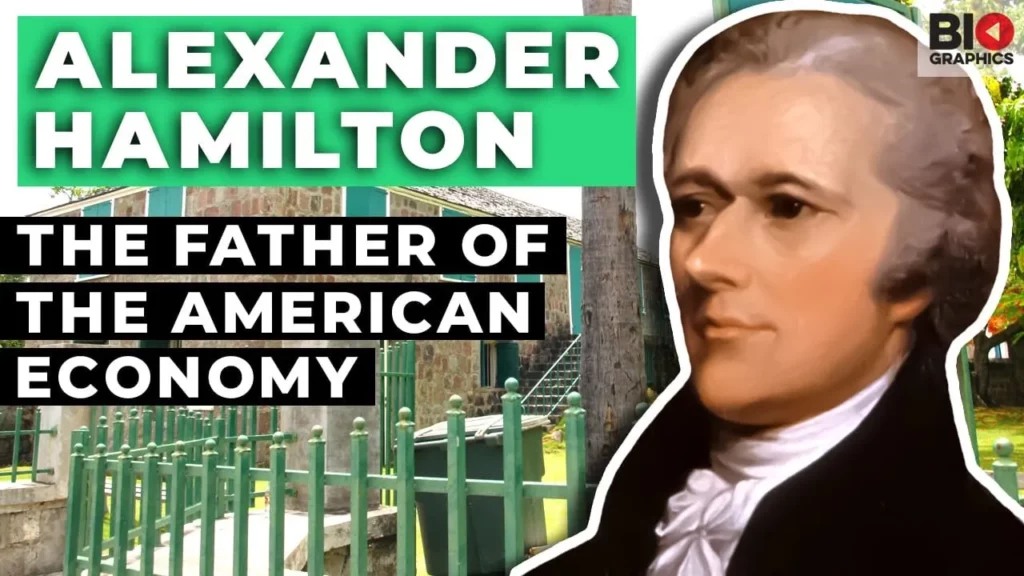
The lesson on Alexander Hamilton highlights his pivotal role as a founding figure in shaping the American economy and government following the Revolutionary War. Born into hardship, Hamilton’s intelligence and dedication propelled him from an orphaned youth to a key political leader, advocating for a strong federal government and establishing the nation’s financial system as the first Secretary of the Treasury. His legacy, marked by ideological conflicts with figures like Thomas Jefferson, continues to influence American economic policy and governance today.
Geronimo: The Ultimate Symbol of Apache Ruthlessness and Resistance
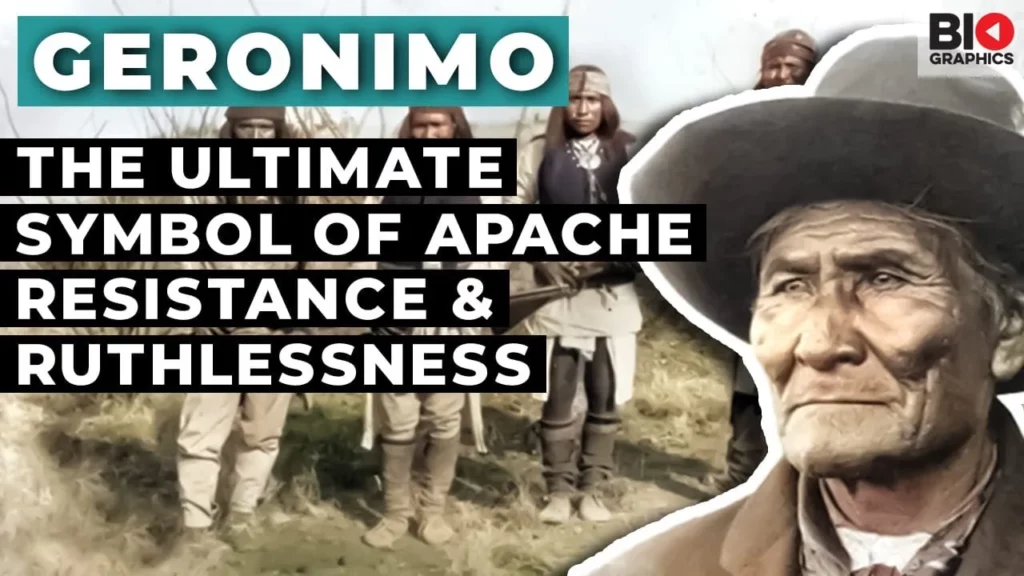
Geronimo, born Goyathlay in 1829, was a prominent Apache warrior who fiercely resisted both Mexican and American forces to protect his people’s culture and lands. His life was marked by personal tragedy, divine beliefs, and relentless conflict, culminating in his final surrender in 1886, after which he became a symbol of Apache resistance and resilience. Despite his captivity and the broken promises of the U.S. government, Geronimo’s legacy endures as a testament to the struggle for indigenous rights and identity.
Mary Shelley: Writing Frankenstein
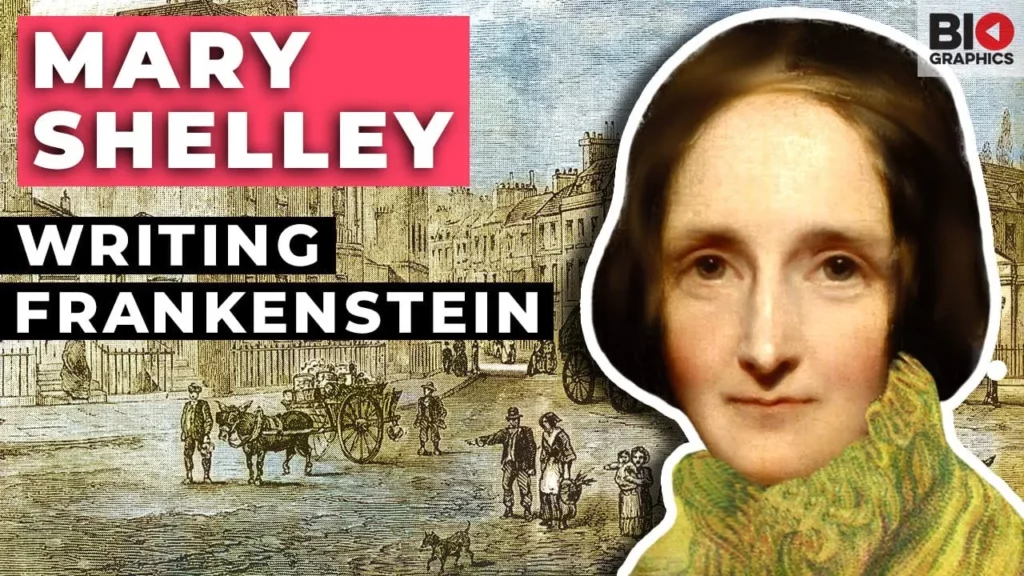
The lesson explores the life and legacy of Mary Shelley, focusing on the inspiration behind her iconic novel “Frankenstein,” which emerged during a stormy night in 1816. It highlights her challenging upbringing, her passionate relationship with Percy Bysshe Shelley, and the personal tragedies she faced, all of which shaped her writing. Ultimately, Shelley’s resilience and innovative storytelling have left an indelible mark on literature, inspiring generations to confront themes of creation and humanity.
Sulla: Tyranny, Triumph, and Treasure in the First Roman Civil War
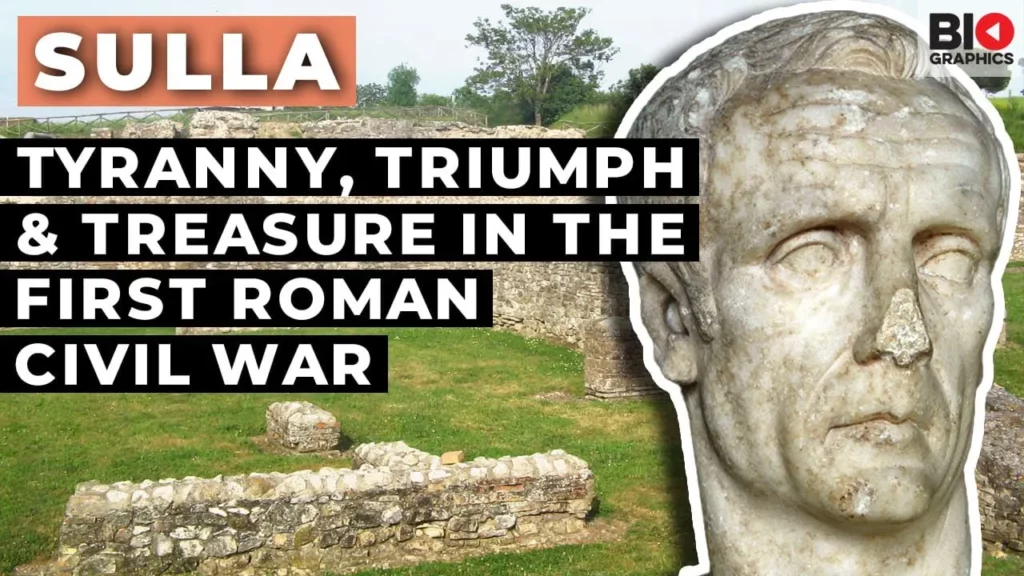
The lesson explores the life and impact of Lucius Cornelius Sulla, whose actions in the late Roman Republic set the stage for the first civil war, mirroring the later actions of Julius Caesar. Sulla’s rise from a financially struggling patrician to a powerful military leader and dictator illustrates his strategic brilliance and ambition, culminating in his unprecedented march on Rome and the establishment of a precedent for using military force in politics. His legacy is a complex interplay of tyranny and triumph, significantly influencing the trajectory of Roman history.
The Third Dynasty of Egypt: The Beginning of the Golden Age
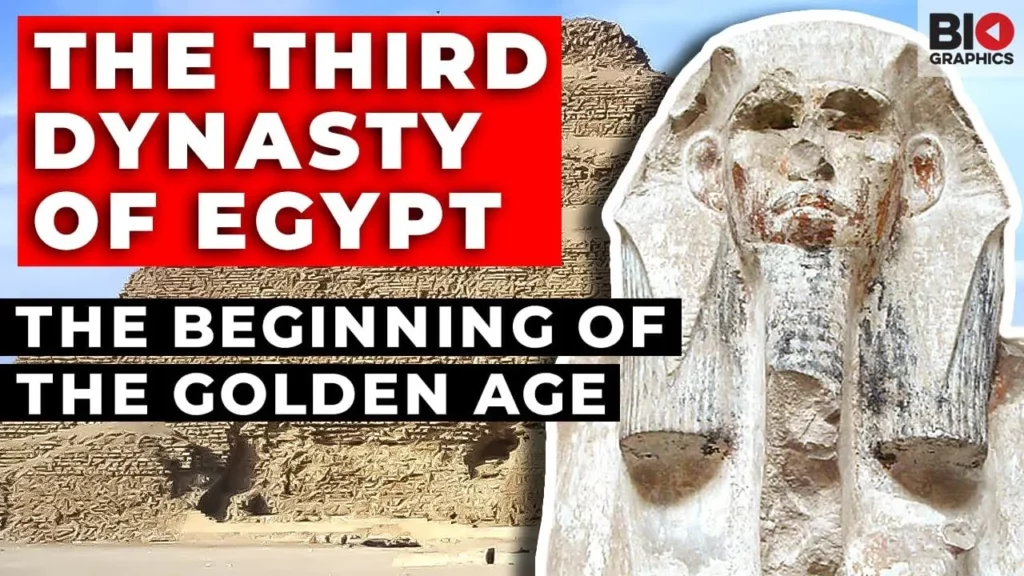
The Third Dynasty of Egypt, beginning around 2700 BC, marked the onset of the Old Kingdom and its first golden age, characterized by significant cultural and architectural advancements. Pharaoh Djoser, notable for commissioning the first pyramid at Saqqara, exemplified this transformative period through ambitious construction projects and the establishment of a strong centralized power. His reign and those of his successors laid the groundwork for the monumental achievements that would define ancient Egyptian civilization.
James Dean: The Making of Hollywood’s Iconic Rebel

The lesson explores the life and legacy of James Dean, an iconic figure of youthful rebellion in Hollywood, who became a cultural symbol despite his brief career. Born in 1931, Dean faced personal challenges but pursued his passion for acting, ultimately achieving fame through films like “East of Eden” and “Rebel Without a Cause.” His untimely death in a car accident at 24 left a lasting impact on American culture, inspiring future generations of actors and filmmakers.