
Marshall Applewhite: The Leader of the “Heaven’s Gate” Suicide Cult

The lesson explores the tragic story of Marshall Applewhite and the Heaven’s Gate cult, which culminated in a mass suicide in March 1997. Initially a charismatic leader with a passion for music, Applewhite, alongside Bonnie Nettles, founded a religious movement that blended beliefs about celestial beings and apocalyptic themes, ultimately leading to the group’s belief in ascension through death. The shocking event raised significant awareness and discussions about the nature of cults and the influence of charismatic leaders on their followers.
Deng Xiaoping: Making China Great Again
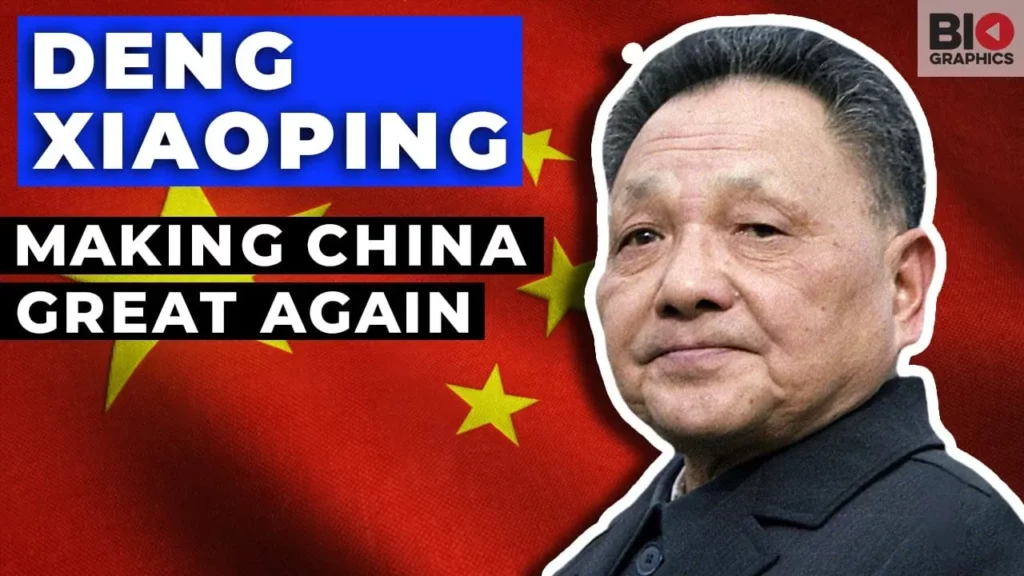
The lesson on Deng Xiaoping highlights his pivotal role in transforming China from a struggling nation into a global economic powerhouse following Mao Zedong’s death in 1976. Despite facing significant political challenges and controversies, including authoritarian governance and human rights abuses, Deng’s pragmatic reforms opened China to market forces, leading to rapid urbanization and lifting millions out of poverty. His legacy is marked by both remarkable economic achievements and ongoing debates about his methods and the political climate during his leadership.
Suharto: The Rise of Indonesia’s New Order
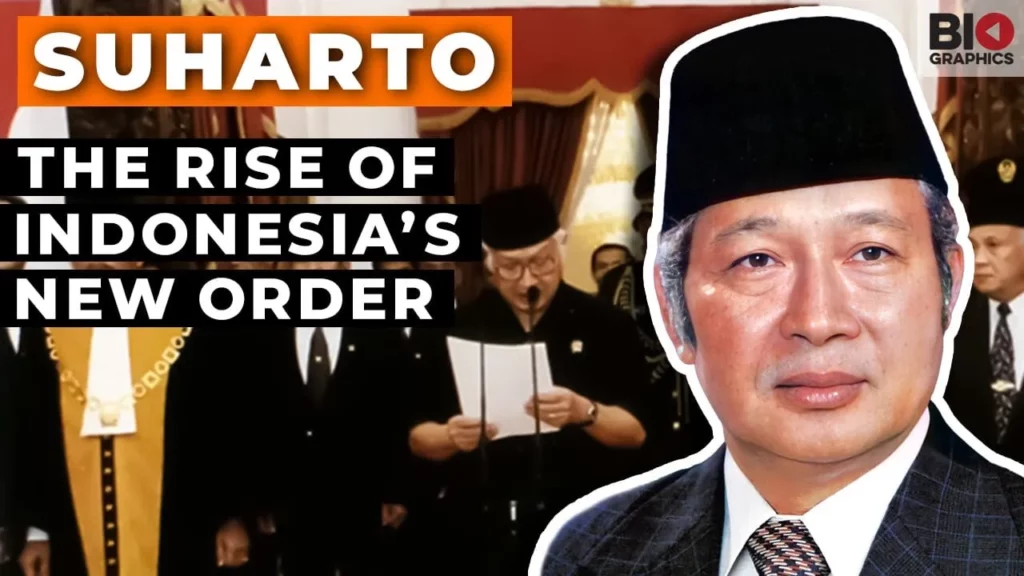
The lesson on Suharto explores the rise of Indonesia’s New Order regime, highlighting his transition from a humble background to a powerful authoritarian leader known for his strategic cunning and violent suppression of dissent. Following a military career that began during Indonesia’s fight for independence, Suharto capitalized on political turmoil to eliminate the Indonesian Communist Party and establish a regime characterized by economic growth and significant human rights abuses. Despite initial successes, his rule ultimately succumbed to corruption and economic crisis, leading to his resignation in 1998 and leaving a controversial legacy in Indonesian history.
Dowager Empress Cixi: The Matriarch of Pre-Modern China
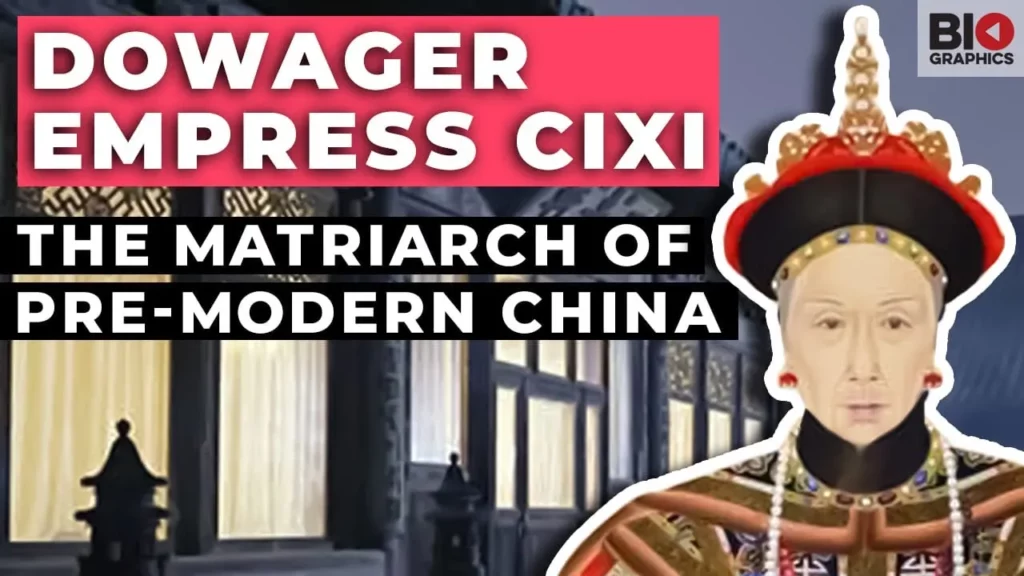
The lesson on Dowager Empress Cixi highlights her remarkable journey from a low-ranking concubine to the most powerful figure in pre-modern China, illustrating her intelligence and strategic prowess in a male-dominated society. Despite her significant contributions to modernization and reform during a tumultuous period, her rule was also marred by controversy, including her involvement in the Boxer Rebellion. Cixi’s legacy is a complex blend of progress and conflict, showcasing the challenges she faced in shaping China’s destiny.
Lucky Luciano: The Architect of the American Mafia

Lucky Luciano, originally Salvatore Lucania, emerged as a pivotal figure in organized crime by revolutionizing the American Mafia through the establishment of the Commission, which facilitated cooperation among rival families and minimized internal conflicts. His leadership during the Castellammarese War and subsequent expansion into various illegal enterprises solidified his power, despite legal troubles that led to his imprisonment. Even after his deportation to Italy, Luciano continued to influence the Mafia, leaving a lasting legacy as the architect of a more organized and profitable criminal syndicate.
Fritz Joubert Duquesne: Butcher, Bomber, Soldier, Spy

Fritz Joubert Duquesne was a multifaceted figure whose life was marked by adventure, intrigue, and controversy, making him a compelling character in history. Born in South Africa and shaped by the Second Boer War, he transitioned from soldier to spy, engaging in acts of sabotage during both World Wars while navigating a life filled with criminal exploits and narrow escapes from capture. His legacy remains complex, prompting ongoing debate about whether he should be viewed as a hero or a villain.
Domitian: Power-Hungry Madman? Or Victim of Ancient Propaganda?
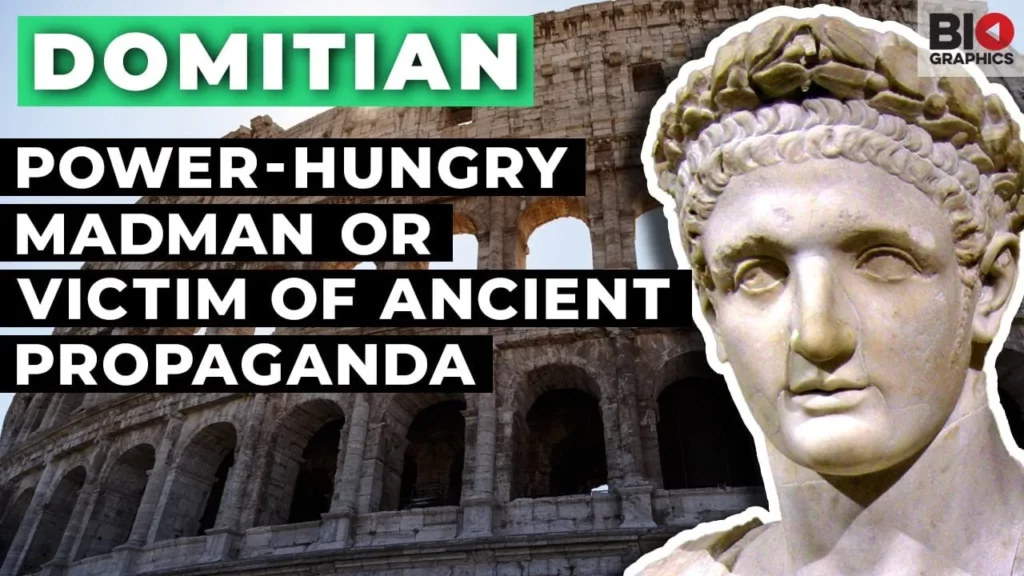
The lesson explores the controversial reign of Emperor Domitian, who is often depicted as a tyrant by ancient historians due to their potential biases, yet modern interpretations recognize his significant reforms and efforts to stabilize the Roman Empire. Domitian’s rule was marked by authoritarianism, military ambitions, and a focus on public morality and infrastructure, culminating in his assassination in 96 A.D., which left a divided legacy. Ultimately, the lesson highlights the complexities of leadership and the influence of historical narratives on our understanding of figures like Domitian.
Tamerlane: The Bandit who Became an Emperor
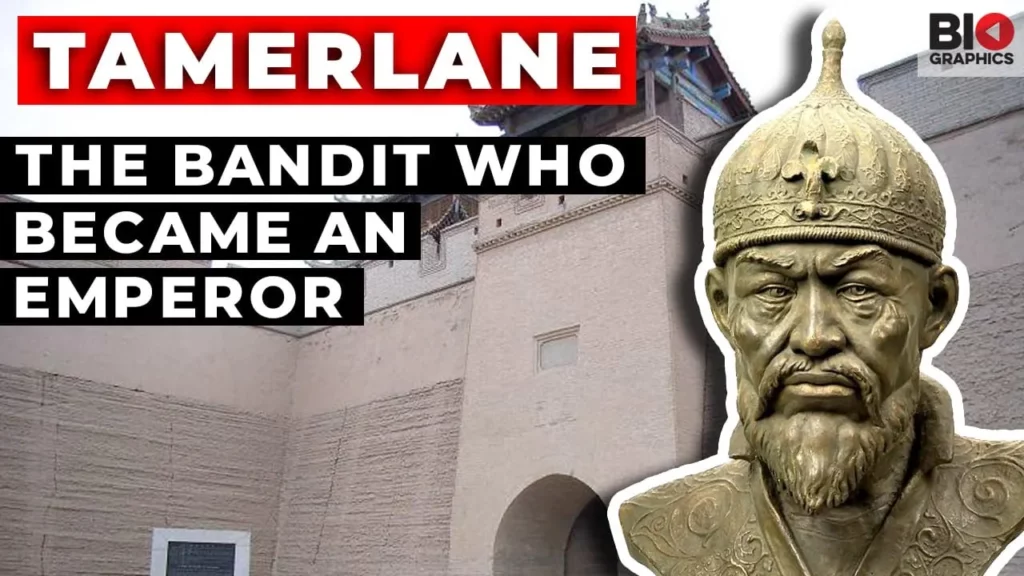
The lesson explores the remarkable journey of Amir Timur, or Tamerlane, who transformed from a bandit into a powerful emperor in the 14th century. Born into a modest background, Timur utilized strategic alliances and military innovation to conquer vast territories, including Persia and parts of India, while aiming to restore the Mongol Empire’s glory. His legacy is complex, marked by both his military achievements and the devastation he caused, leading to ongoing debates about his role in shaping Eurasian history.
Haile Selassie: King of Kings
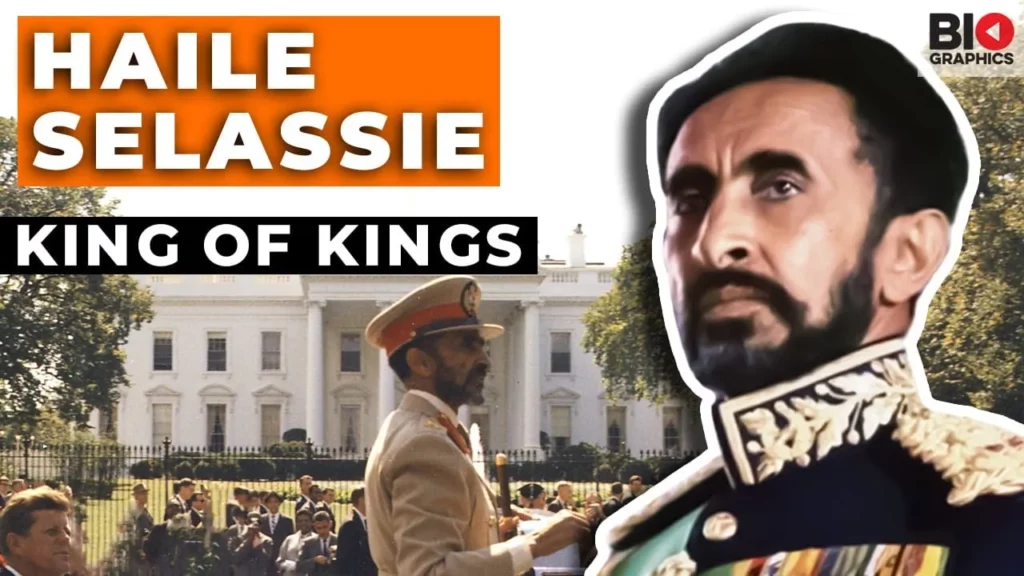
Haile Selassie, the Emperor of Ethiopia, is a significant historical figure known for his 44-year reign and his influence on the Rastafari movement. Rising from humble beginnings, he modernized Ethiopia and played a crucial role in international relations, but his autocratic leadership and inability to address social unrest ultimately led to his downfall in 1974. His complex legacy reflects both his transformative impact on Ethiopia and the challenges he faced as a leader.
Cesare Mori: Mussolini’s Iron Prefect vs. The Mafia
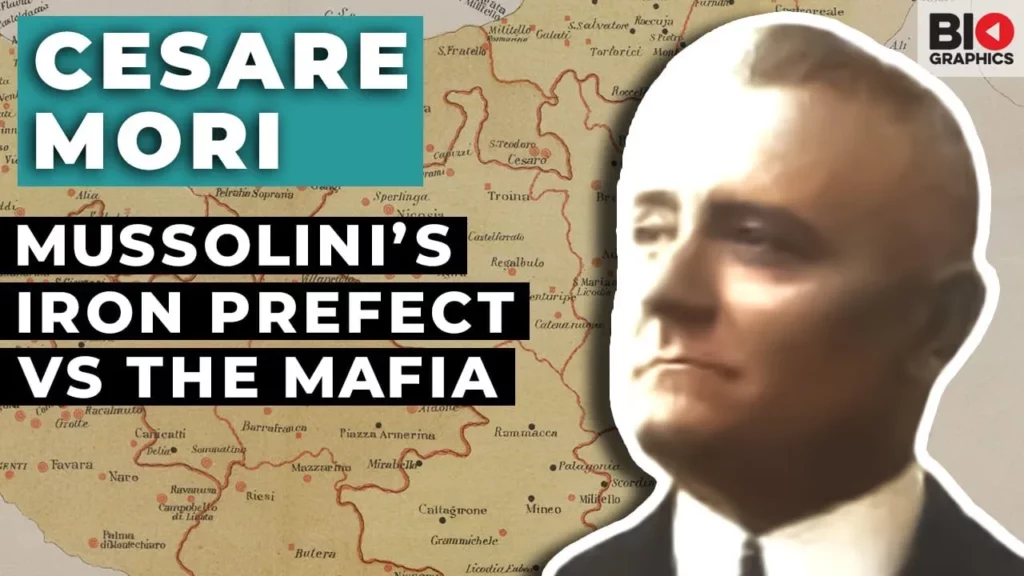
Cesare Mori, known as the “Iron Prefect,” was a pivotal figure in the early 20th-century struggle against the Sicilian Mafia, employing aggressive and often controversial tactics to dismantle their influence in Sicily under Mussolini’s regime. Despite achieving significant reductions in crime and making high-profile arrests, his brutal methods and the socio-economic conditions that fostered organized crime ultimately allowed the Mafia to regain strength after his retirement. Mori’s legacy highlights the complexities of fighting organized crime and the necessity of addressing deeper societal issues.