
Virginia Woolf: The Stream of Modernist Creation
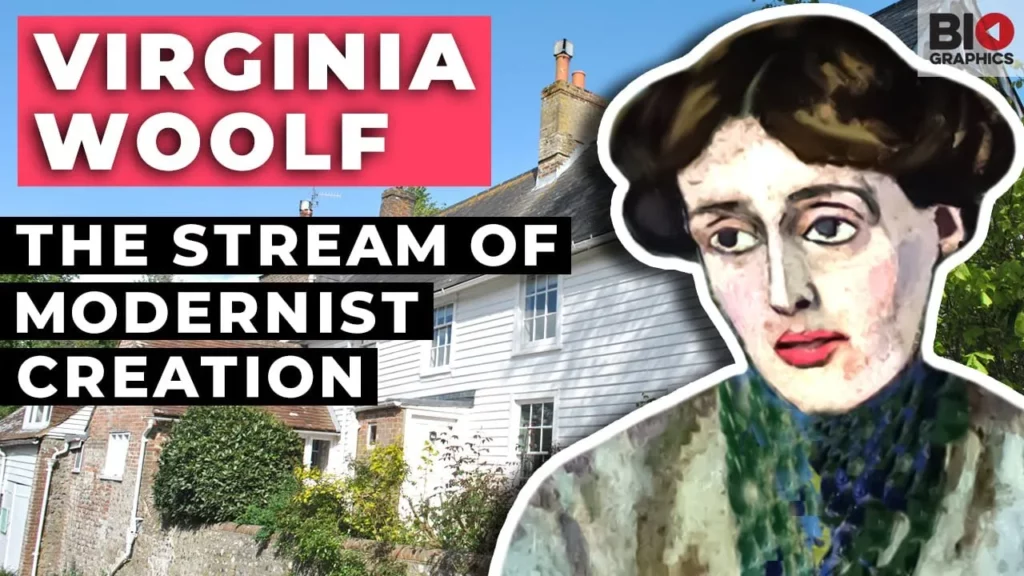
The lesson on Virginia Woolf highlights her significant contributions to modernist literature, emphasizing her innovative narrative techniques and deep psychological explorations. It traces her life from her distinguished family background and formative years, through her struggles with mental illness, to her literary successes, including masterpieces like *Mrs. Dalloway* and *To the Lighthouse*. Despite her tragic end, Woolf’s legacy endures, inspiring readers with her insights into the human condition and the complexities of early 20th-century society.
Queen Ranavalona I of Madagascar
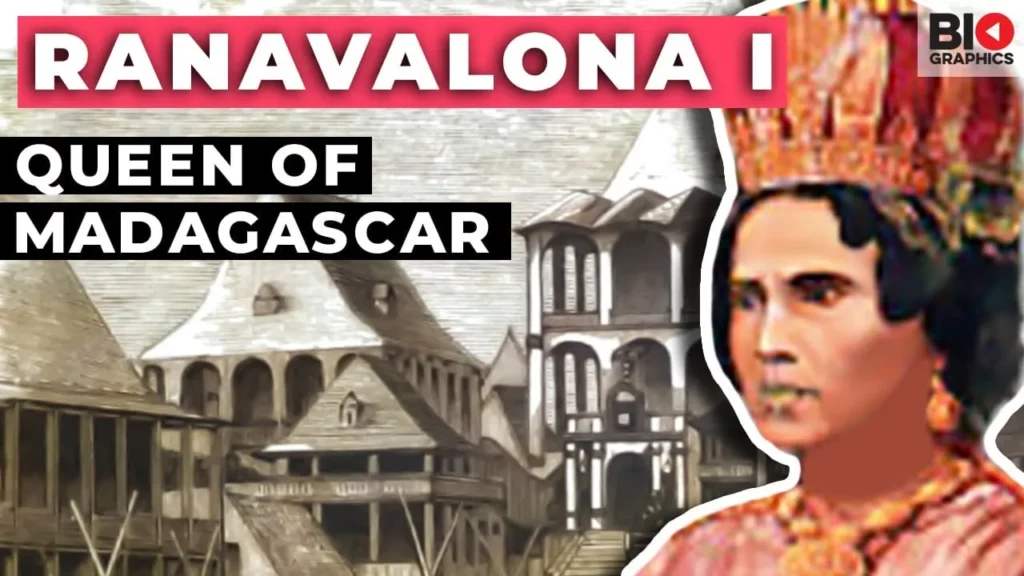
Queen Ranavalona I of Madagascar, who ruled from 1828 to 1861, is a complex historical figure known for her fierce defense of Madagascar’s independence against colonial powers, as well as her brutal and ruthless governance. Rising to power after the suspicious death of her husband, King Radama, she implemented a mix of modern and traditional policies, faced rebellions, and engaged in significant industrialization efforts while enforcing harsh measures against dissent and foreign influence. Her legacy remains contentious, with interpretations ranging from viewing her as a tyrant to a national defender, reflecting the duality of her reign marked by both resistance to colonialism and severe oppression.
John Quincy Adams: America’s Most Successful Failure
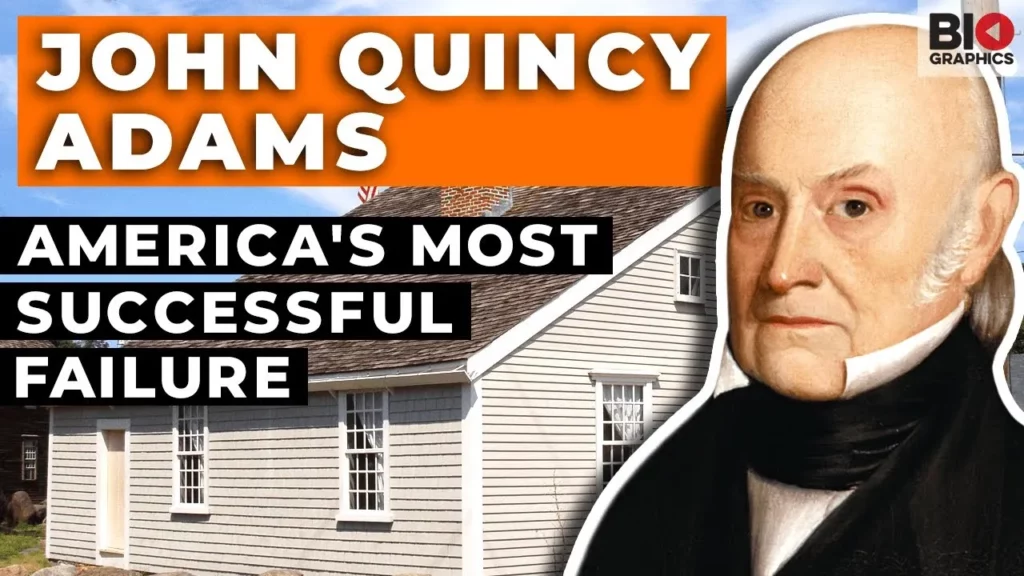
The lesson on John Quincy Adams highlights his complex legacy as both a president and a post-presidential advocate for anti-slavery efforts. While his presidency was marked by frustration and failure to achieve his ambitious goals, his significant contributions to U.S. foreign policy and his passionate fight against slavery after leaving office showcase his enduring impact on American history. Ultimately, Adams is remembered as a “successful failure,” whose life reflects the interplay between personal struggles and professional achievements.
Henry V: England’s Greatest Warrior King
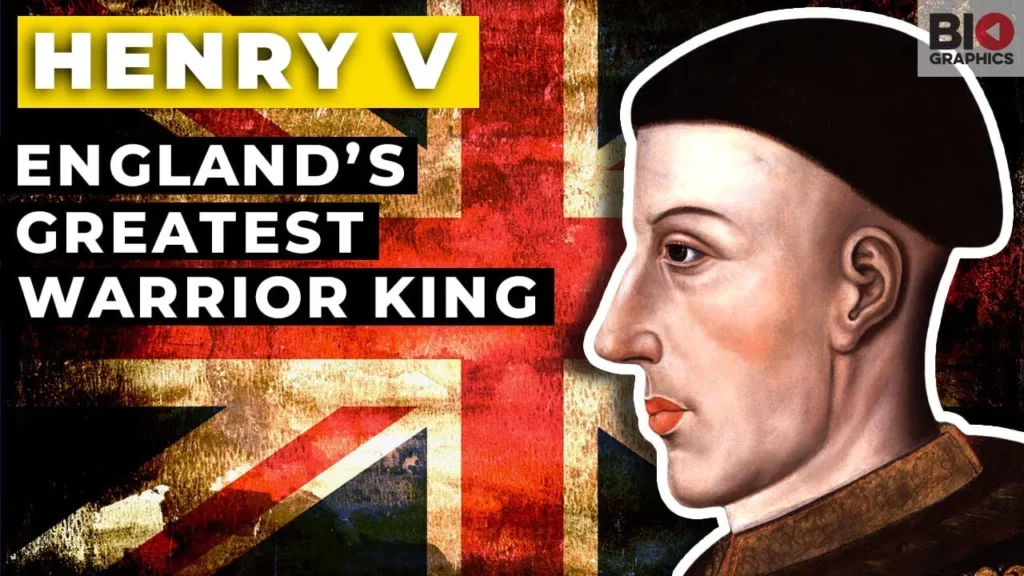
King Henry V is renowned as one of England’s most celebrated monarchs, primarily for his military achievements, especially the pivotal victory at the Battle of Agincourt during the Hundred Years’ War. Rising to power after his father’s death, he united England and demonstrated exceptional leadership through strategic military campaigns in France, ultimately earning recognition as the regent of France. Despite his untimely death at 35, Henry’s legacy as a warrior king and his impact on English history endure, inspiring works such as those by Shakespeare.
Horace De Vere Cole: The Patron Saint of April Fools’ Day
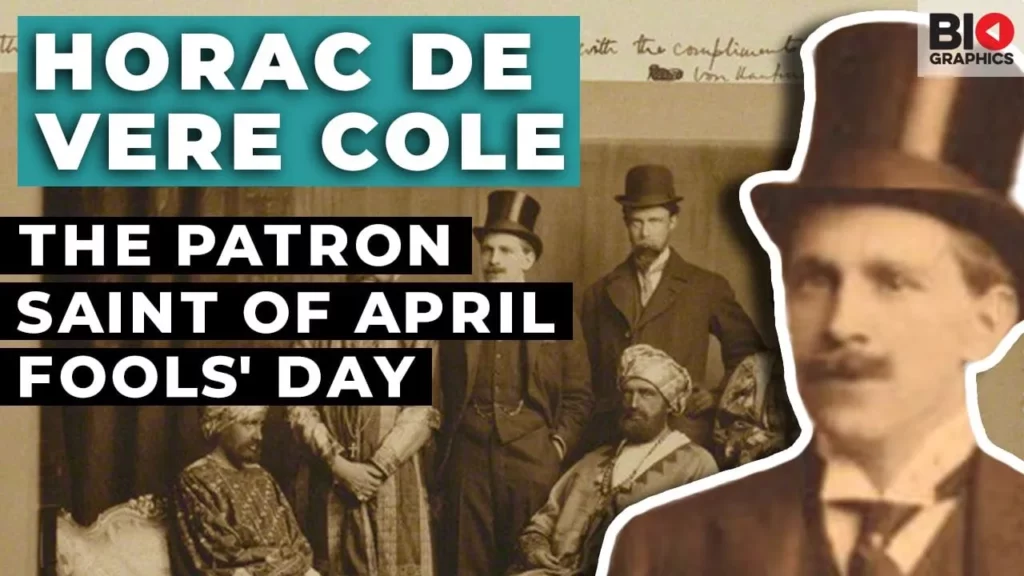
The lesson explores the life of Horace De Vere Cole, a modern-day trickster and the patron saint of April Fools’ Day, who used elaborate pranks to challenge societal norms and authority in early 20th century Britain and Ireland. Born into privilege but facing personal challenges, Cole’s antics, such as the infamous Dreadnought Hoax, highlighted the gullibility of the elite and left a lasting legacy of humor and reflection on the role of tricksters in society. Ultimately, his story underscores the power of laughter as a means of social critique and change.
Bible John: Scotland’s Most Notorious Unidentified Killer
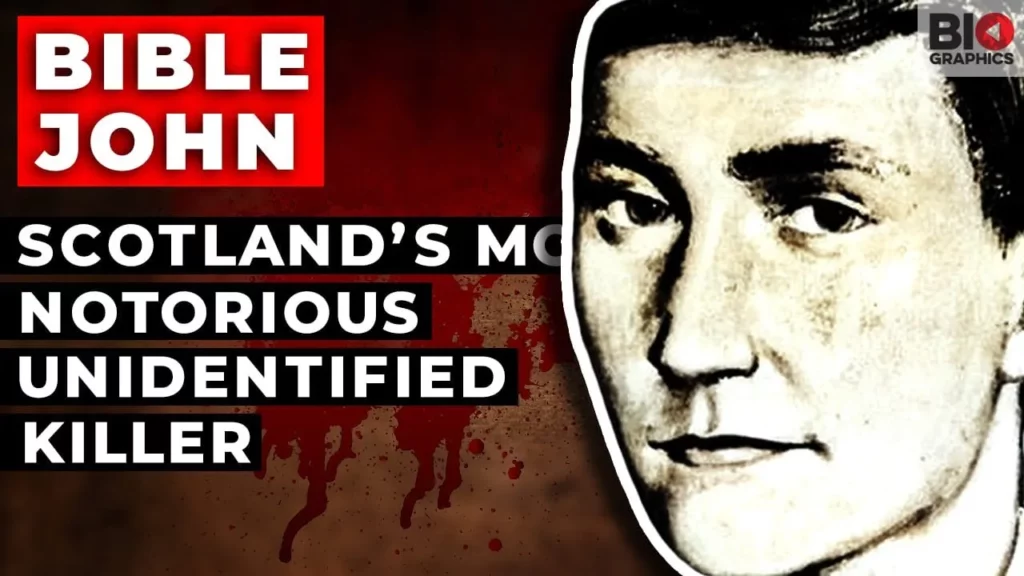
The lesson on Bible John explores the chilling legacy of an unidentified serial killer who terrorized Glasgow in the late 1960s, leaving behind a trail of three brutal murders linked by a common pattern and the killer’s penchant for quoting scripture. Despite extensive investigations and advancements in forensic technology, the case remains unsolved, highlighting the complexities and challenges of criminal investigations. Bible John’s story serves as a haunting reminder of the unresolved mysteries that continue to intrigue true crime enthusiasts.
Arnold “The Brain” Rothstein: The Founding Father of Organized Crime
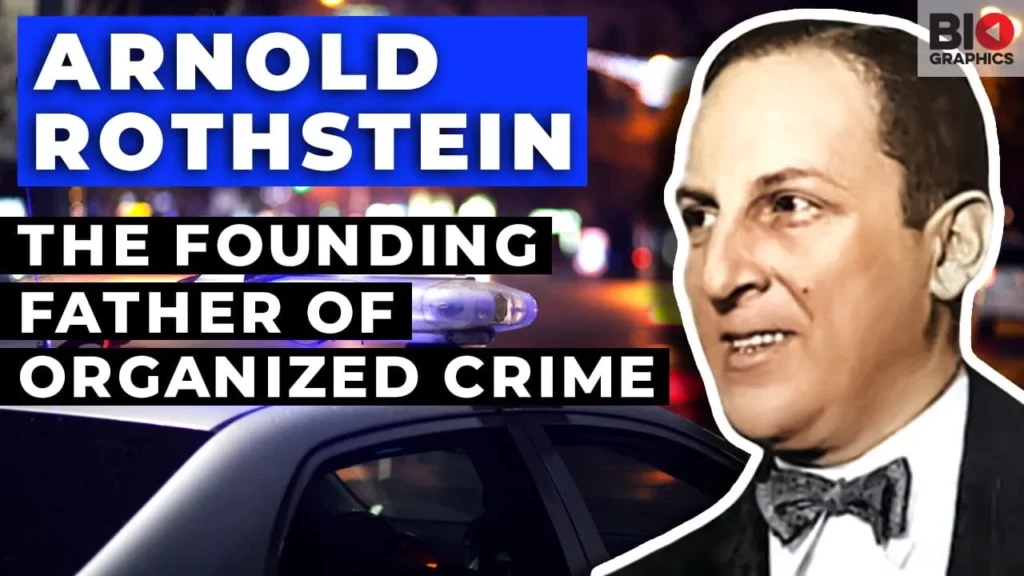
Arnold “The Brain” Rothstein was a transformative figure in American organized crime, elevating it from simple thuggery to a sophisticated business model. Born into a wealthy family, his early fascination with gambling led him to become a prominent loan shark and mentor to future mobsters like Lucky Luciano and Meyer Lansky. Rothstein’s legacy as a founding father of organized crime is marked by his strategic expansion into various illegal enterprises, including bootlegging during Prohibition, until his untimely death in 1928, which remains shrouded in mystery.
Toyotomi Hideyoshi: The Peasant Who Became Master of Japan
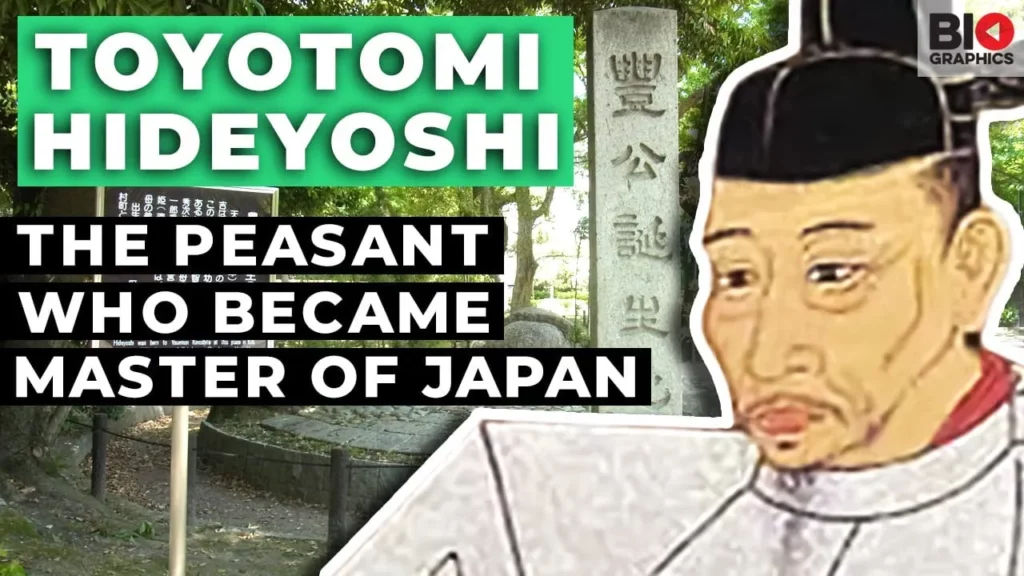
The lesson on Toyotomi Hideyoshi illustrates the extraordinary journey of a peasant who rose to become one of Japan’s most influential leaders during the feudal era. Born into a humble family, Hideyoshi’s intelligence and strategic prowess enabled him to ascend through military ranks, ultimately unifying Japan and serving as its de facto ruler. His legacy is marked by both his unification efforts and the challenges faced after his death, highlighting the complexities of power and succession in a rapidly changing political landscape.
Filipe Espinosa: A Serial Killer in the Wild West
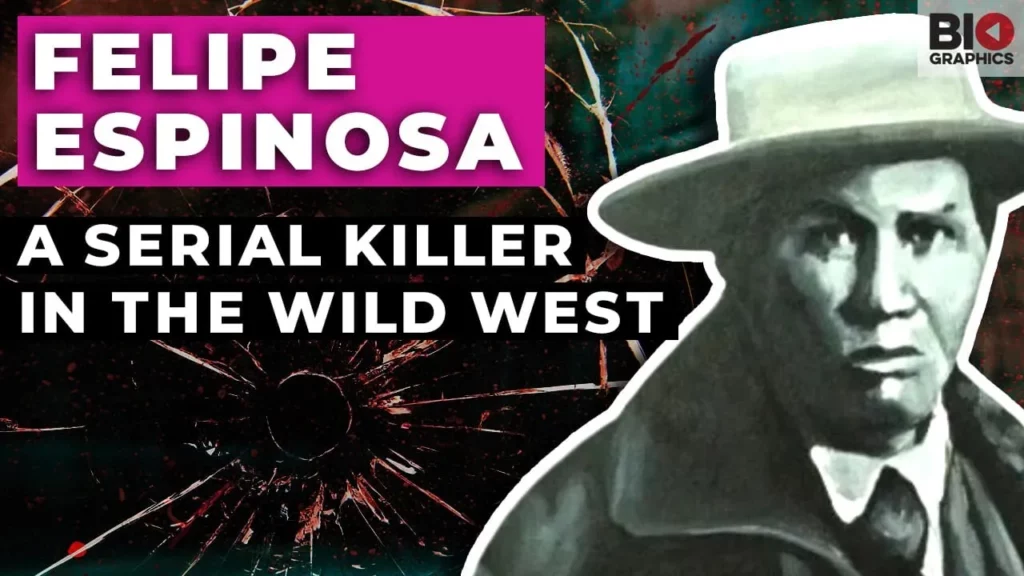
The lesson explores the notorious criminal activities of Felipe Espinosa and his brother Vivin during the early 1860s in the Colorado territory, highlighting their transformation from devoutly religious individuals to infamous serial killers. Fueled by resentment towards Anglo settlers and a desire for revenge, the brothers embarked on a brutal killing spree that instilled fear in the region, ultimately leading to their dramatic confrontation with law enforcement. Their legacy as some of the first documented serial killers of the Wild West serves as a chilling reminder of the violent tensions during that era.
Ebola: The Disease of Nightmares
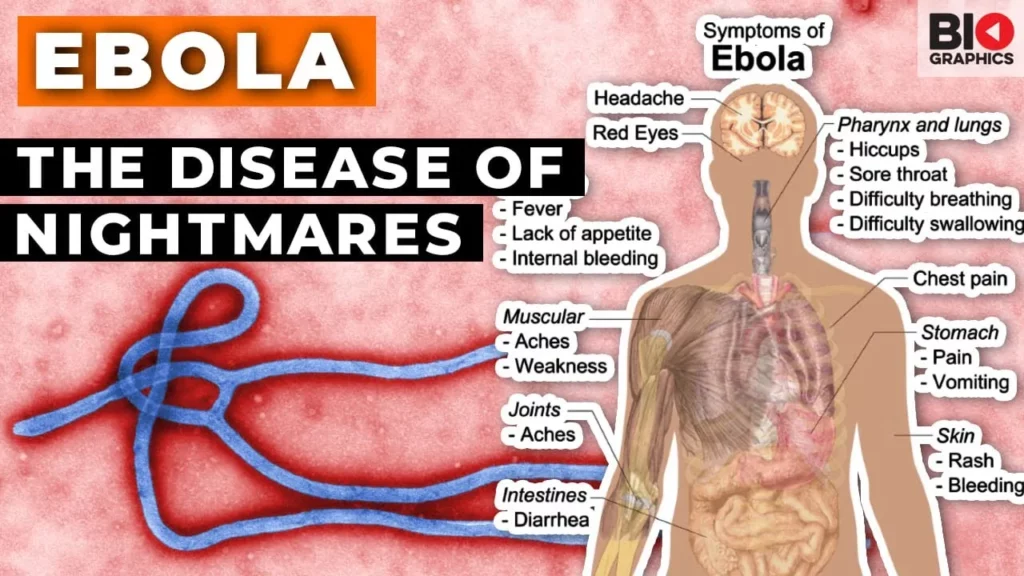
The lesson on Ebola highlights the virus’s origins, severe symptoms, and the devastating impact of its outbreaks, particularly the 2014 epidemic that underscored the need for improved healthcare systems. Despite its deadly nature, significant advancements in vaccines and treatments have improved survival rates, offering hope for better management of the disease. The lesson emphasizes the importance of global cooperation and addressing underlying healthcare challenges to prevent future outbreaks.