
Erich Hartmann: Deadliest Fighter Ace of all Time

The lesson explores the life and achievements of Erich Hartmann, the most successful fighter pilot in history, who surpassed the legendary Red Baron by shooting down over 300 enemy aircraft during World War II. Despite facing significant challenges, including post-war captivity and personal loss, Hartmann’s passion for flying and dedication to his craft solidified his legacy as a symbol of aviation excellence. His story serves as a reminder of the complexities of history and the resilience of the human spirit.
Mary, Queen of Scots: Lover, Fighter, Rogue

The lesson on Mary, Queen of Scots explores her tumultuous life against the backdrop of the chaotic political and religious landscape of the 1500s in the British Isles. From her ascension to the throne as an infant and her controversial marriages to her eventual imprisonment and execution, Mary’s story is one of ambition, intrigue, and tragedy, highlighting her role as a symbol of Catholic resistance and a fashion icon. Her legacy endures, marked by her complex relationship with Elizabeth I and her enduring fascination in history.
Ramesses II – The Greatest Pharaoh of Ancient Egypt
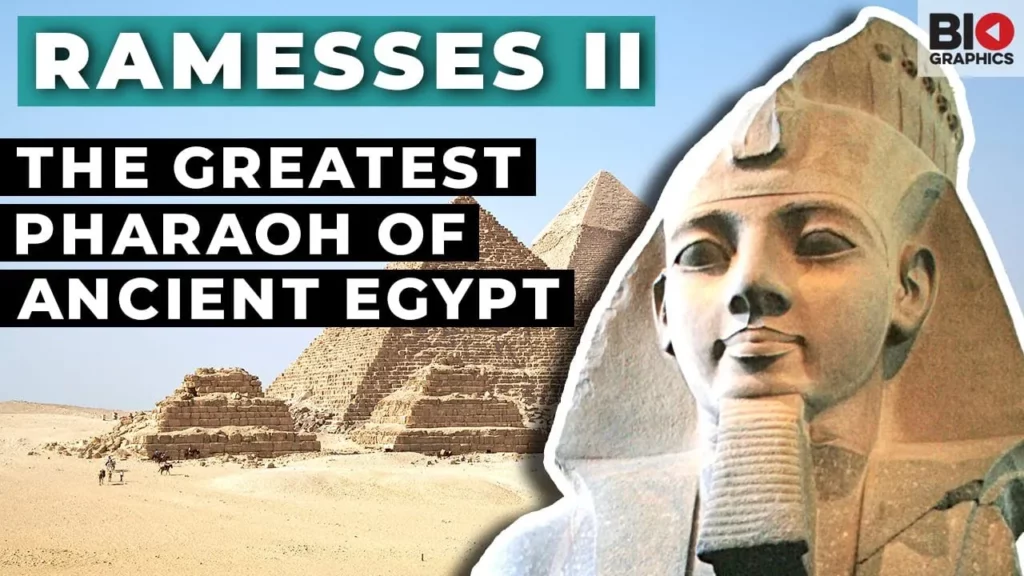
The lesson on Ramesses II highlights his significance as one of ancient Egypt’s most powerful pharaohs, known for his lengthy 66-year reign that marked the last golden age of the civilization. Key events include the Battle of Kadesh, which, despite being celebrated as a victory, ended in a stalemate, leading to the world’s first known peace treaty with the Hittites. Additionally, Ramesses II is remembered for his monumental building projects, including the city of Pi-Ramesses, which solidified his legacy as a transformative leader in Egyptian history.
Papa Doc: Haiti’s Voodoo Dictator

The lesson emphasizes the importance of setting boundaries and recognizing when a request cannot be fulfilled. It highlights the need for clear communication and the ability to respectfully decline requests that may be inappropriate or beyond one’s capacity to assist. This approach fosters mutual respect and understanding in interactions.
John Hancock: The Forgotten American Patriot

The lesson highlights the significant yet often overlooked contributions of John Hancock, a prominent figure in American history during the Revolution. Born into a wealthy family, Hancock became a leading voice against British taxation, played a crucial role in organizing resistance efforts, and famously signed the Declaration of Independence. His legacy as a patriot and leader endures, symbolizing boldness and commitment to freedom in the founding of the United States.
Shergar: The Mysterious Kidnapping that Shocked the Sporting World

The lesson recounts the shocking kidnapping of Shergar, a celebrated racehorse, on February 8, 1983, from his farm in Ireland, which left the sports world in turmoil. Despite his illustrious racing career and significant achievements, including a record-breaking win at the Epsom Derby, Shergar’s fate remains a mystery after the ransom negotiations with his kidnappers fell silent. His story serves as a haunting reminder of the dangers that accompany fame and the unresolved intrigue surrounding his disappearance continues to captivate public interest.
William Howard Taft: Bathtubs, Bull Moose, and Betrayals
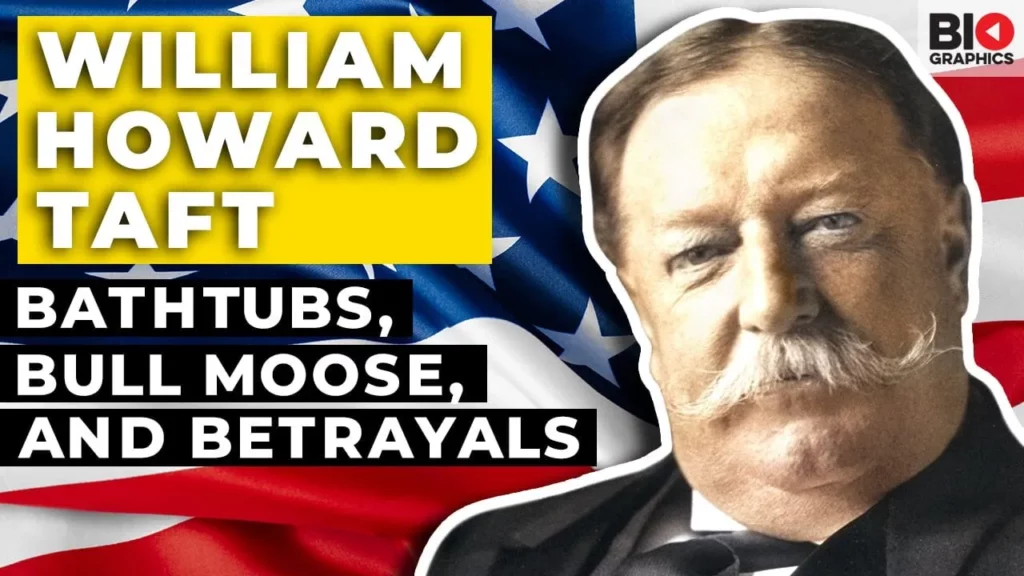
The lesson on William Howard Taft highlights the often-overlooked significance of his life and presidency, which is frequently overshadowed by the humorous myth of him getting stuck in a bathtub. Born into a family of achievers, Taft excelled academically and professionally, eventually serving as both the 27th President of the United States and later as Chief Justice of the Supreme Court, where he made lasting contributions to the judiciary. Despite facing challenges and a divided Republican Party during his presidency, Taft ultimately found fulfillment in his judicial role, demonstrating that his legacy extends far beyond the amusing anecdotes associated with him.
John Dillinger: Public Enemy No. 1

The lesson explores the rise of professional criminals in early 20th century America, focusing on John Dillinger, who became known as “Public Enemy Number One.” It details Dillinger’s troubled upbringing, his descent into crime, and the formation of the notorious Dillinger Gang, highlighting his violent escapades and eventual death at the hands of the FBI. Dillinger’s story reflects the romanticized yet brutal nature of crime during the Prohibition and Great Depression eras, marking a significant chapter in American criminal history.
Gebhard von Blucher: The Prussian Scourge of Napoleon
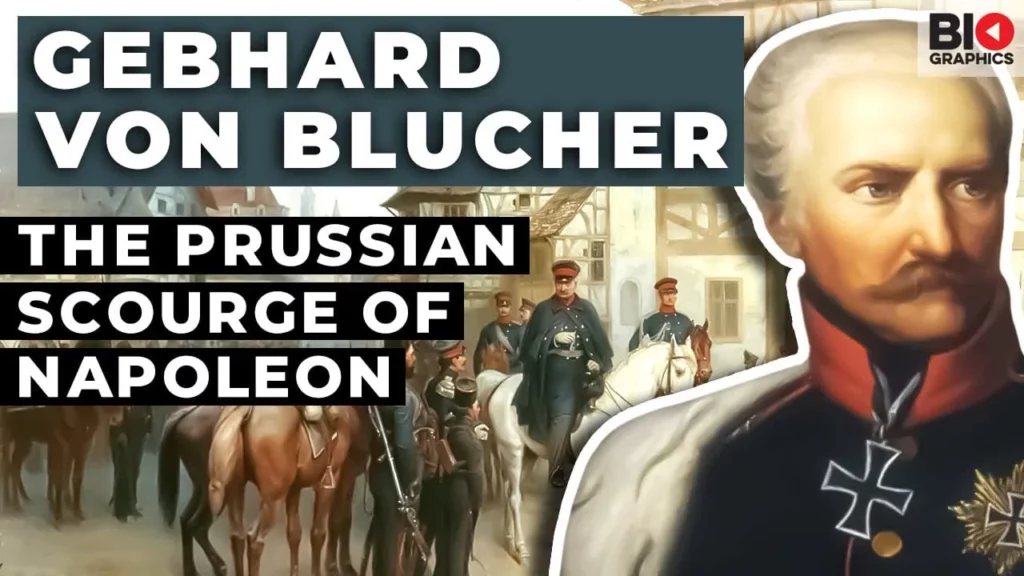
The lesson explores the life and military achievements of Gebhard Leberecht von Blücher, a pivotal Prussian Field Marshal during the Napoleonic Wars, particularly at the Battle of Waterloo. It details his early military career, rise to prominence, and crucial role in defeating Napoleon, emphasizing his contributions to European history despite being overshadowed by other historical figures. Blücher’s legacy is celebrated for his bravery and strategic leadership, marking him as a key player in the coalition that ultimately ended Napoleon’s reign.
John Paul Jones: The Father of America’s Navy
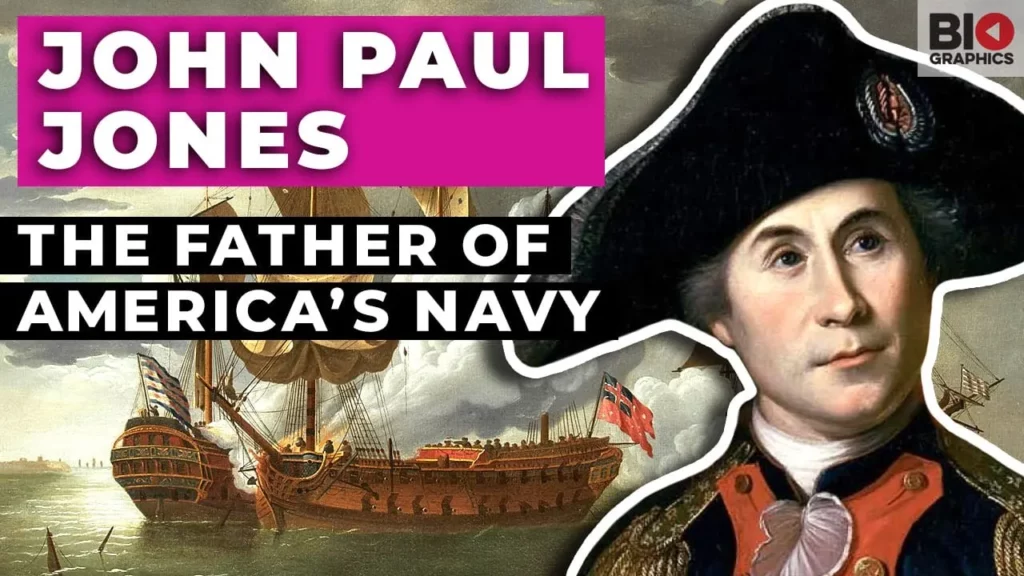
The lesson on John Paul Jones highlights his significant role as the first naval hero of the United States, showcasing his adventurous spirit and strategic brilliance during the Revolutionary War. Born in Scotland, Jones overcame early controversies and challenges to become a key figure in the Continental Navy, known for his daring exploits against the British Royal Navy. His legacy of courage and innovation continues to inspire the U.S. Navy and serves as a testament to the impact of determination in shaping history.