
William Desmond Taylor: Hollywood’s First Murder Mystery
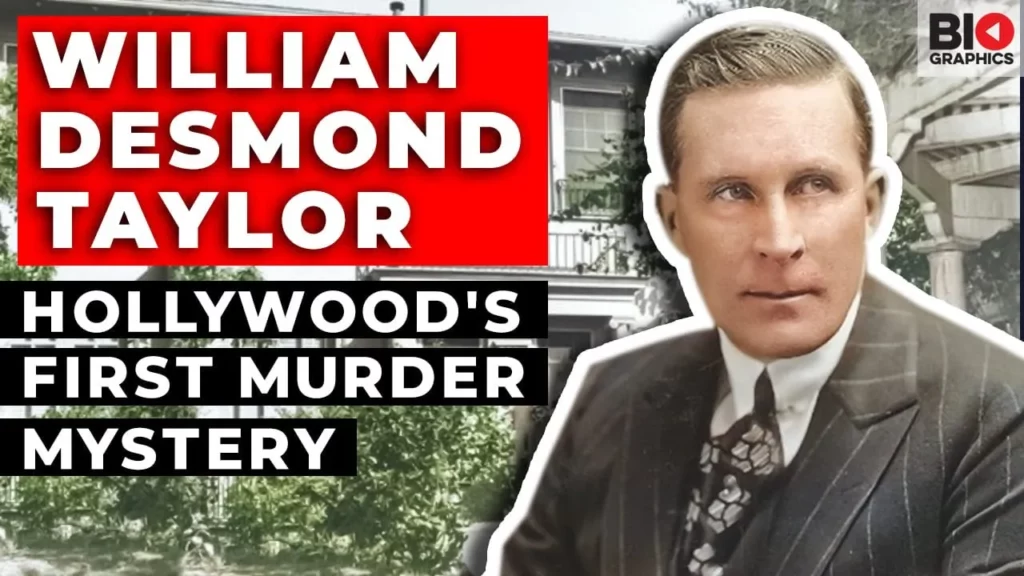
The lesson explores the rise of Hollywood in the early 20th century, highlighting the glamorous yet scandalous events that marred its image, particularly focusing on the unsolved murder of director William Desmond Taylor in 1922. Taylor’s death, surrounded by intrigue and numerous suspects, not only captivated public attention but also prompted significant changes in the film industry, including the introduction of the Hays Code to regulate content. This case serves as a poignant reminder of the complex relationship between fame, scandal, and media in shaping Hollywood’s legacy.
Betty White: America’s Sassy Grandmother
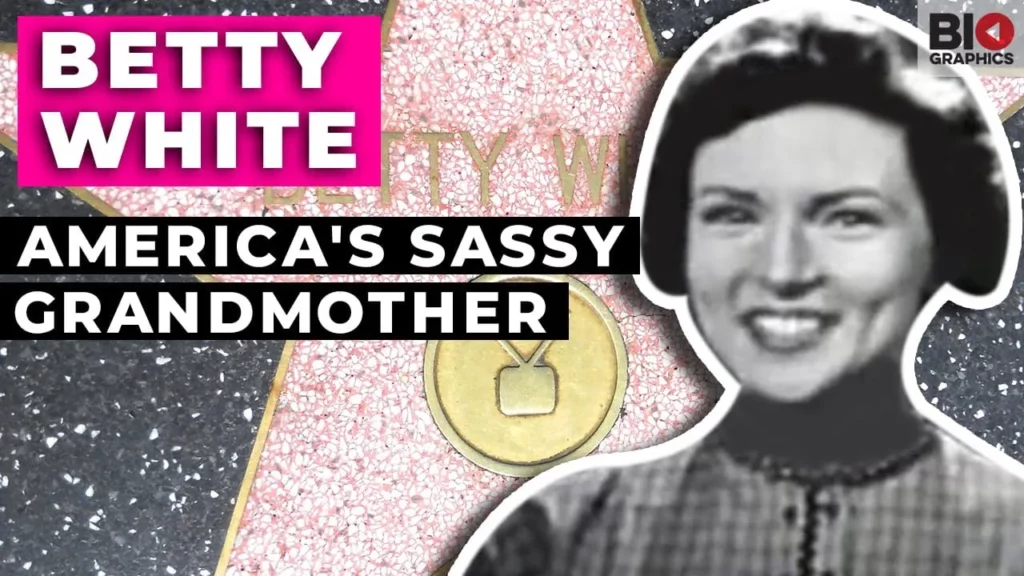
The lesson highlights the remarkable life and career of Betty White, an iconic figure in Hollywood who broke barriers in a male-dominated industry. From her early passion for nature and animals to her groundbreaking television roles and advocacy for equality and animal rights, Betty’s journey exemplifies resilience, humor, and a commitment to making a positive impact. Her legacy continues to inspire others to embrace kindness and pursue their passions with determination.
Mobutu Sese Seko: Corruption and Murder in the Heart of Africa
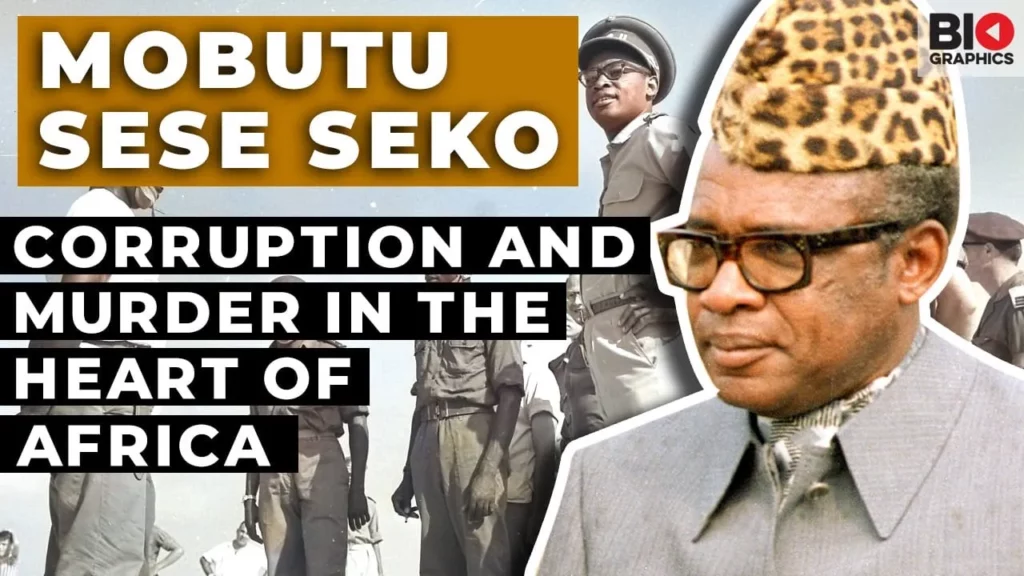
The lesson on Mobutu Sese Seko explores the rise and fall of the Congolese dictator, highlighting his transformation from a promising leader to a symbol of corruption and brutality. Initially gaining power with the support of Western allies during the Cold War, Mobutu’s regime was marked by human rights abuses, economic mismanagement, and the embezzlement of national wealth, ultimately leading to his downfall in the 1990s. This narrative serves as a cautionary tale about the dangers of unchecked power and the complexities of post-colonial governance in Africa.
George Harrison: The Not-So-Quiet Beatle
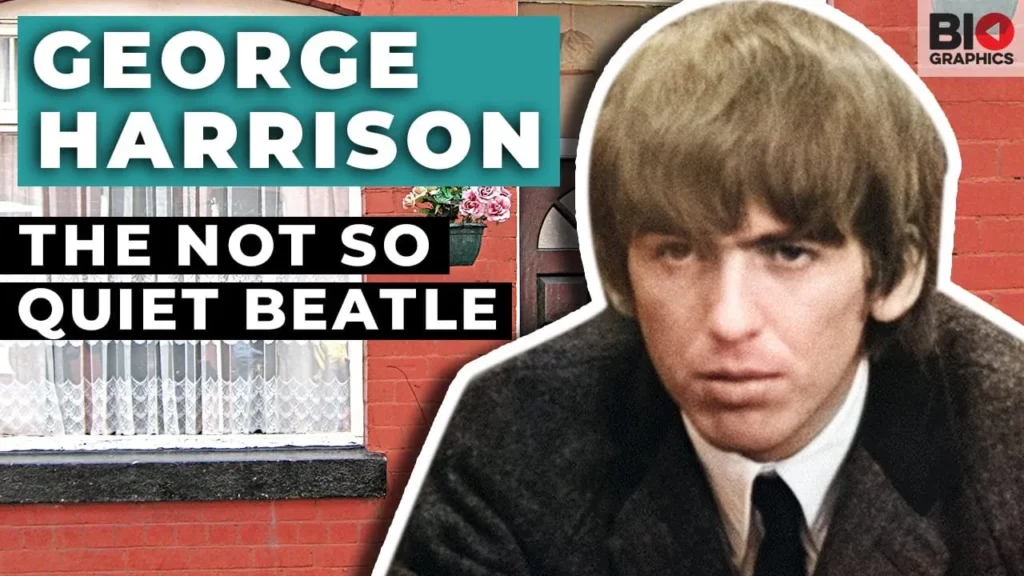
The lesson on George Harrison, often referred to as the “quiet Beatle,” highlights his significant yet sometimes overshadowed contributions to The Beatles and music as a whole. It traces his journey from a modest upbringing in Liverpool to becoming a key member of the iconic band, showcasing his musical evolution, spiritual exploration, and successful solo career. Harrison’s legacy is marked by his innovative guitar work, the introduction of Indian music into popular culture, and his lasting influence on future generations of musicians.
‘Chevalier’ John Taylor: The Eye Surgeon Who Blinded (And Possibly Killed) JS Bach
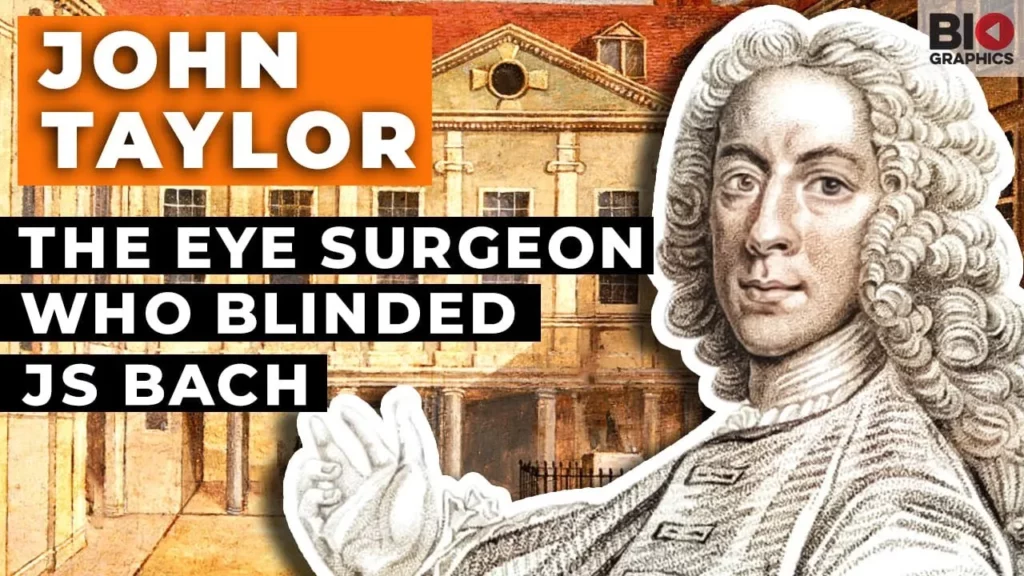
The lesson explores the life of Chevalier John Taylor, an 18th-century eye surgeon whose controversial practices and dubious reputation led to both acclaim and criticism. Despite his claims of restoring sight, including a notorious operation on composer Johann Sebastian Bach that resulted in blindness, Taylor’s career was marked by legal troubles and accusations of quackery. Ultimately, while his legacy is marred by skepticism, he made notable contributions to ophthalmology and medical literature.
George Carlin: Class Clown, Clear-Eyed Cynic, and Counterculture Crusader
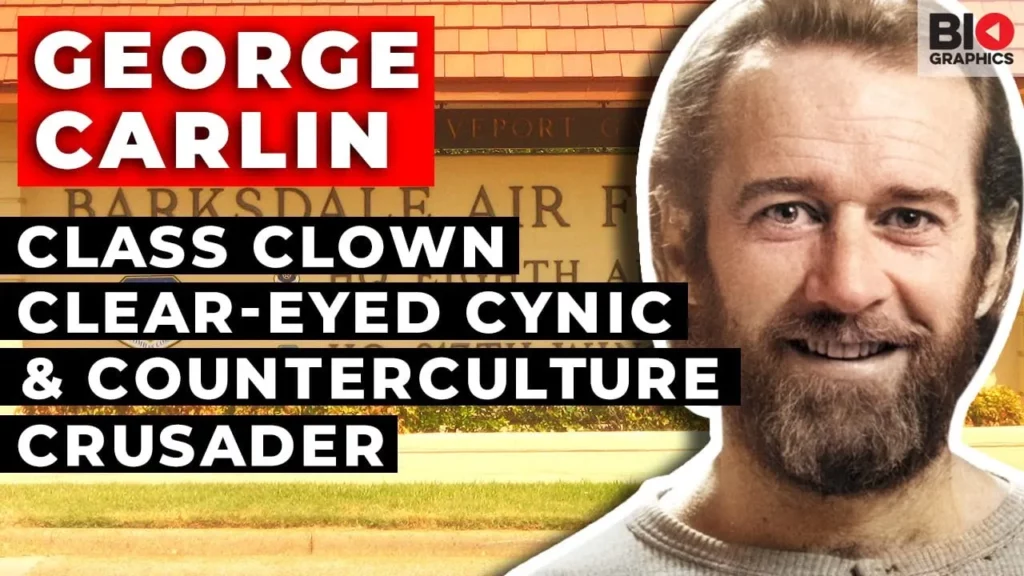
The lesson explores the life and career of George Carlin, highlighting his evolution from a clean-cut comedian on “The Smothers Brothers Comedy Hour” to a counterculture icon known for his bold and controversial comedic style. Born into a challenging environment, Carlin’s early experiences shaped his skeptical worldview and comedic voice, leading to a transformative period in the late 1960s when he embraced a more rebellious persona. His legacy as a pioneering comedian is marked by his fearless tackling of societal issues, exemplified by his famous “Seven Words You Can Never Say on Television” routine, which had significant cultural and legal implications.
George Remus: America’s Prohibition King
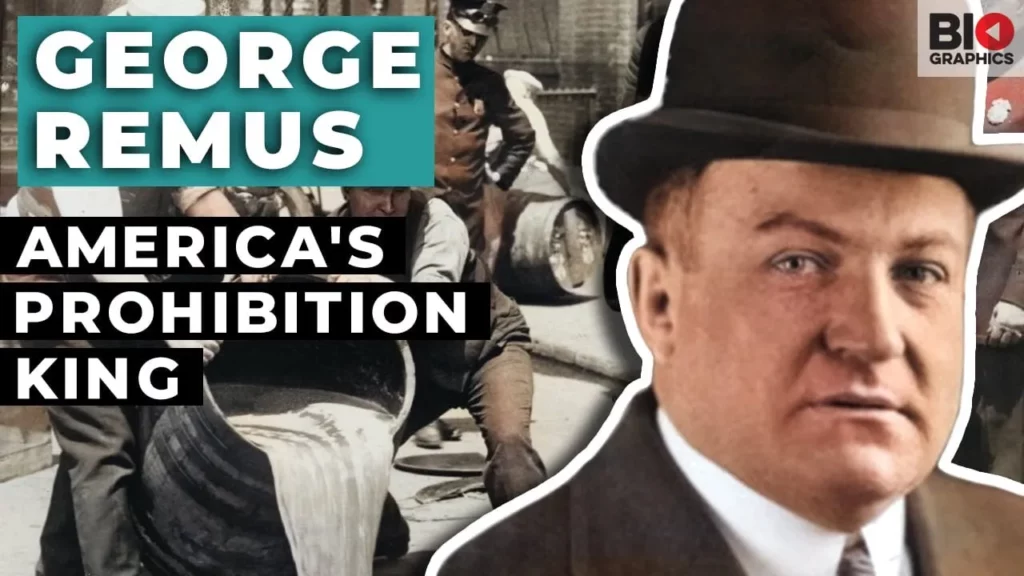
The lesson on George Remus explores the rise and fall of America’s “king of the bootleggers” during the Prohibition era. Initially a successful pharmacist and criminal defense attorney, Remus capitalized on the illegal alcohol trade by exploiting legal loopholes, ultimately amassing significant wealth. However, his downfall came with his arrest, a tragic personal incident involving his wife, and the eventual end of Prohibition, leading to a life of obscurity and reflection on the consequences of his criminal pursuits.
Opportunity Rover: Robots on Mars
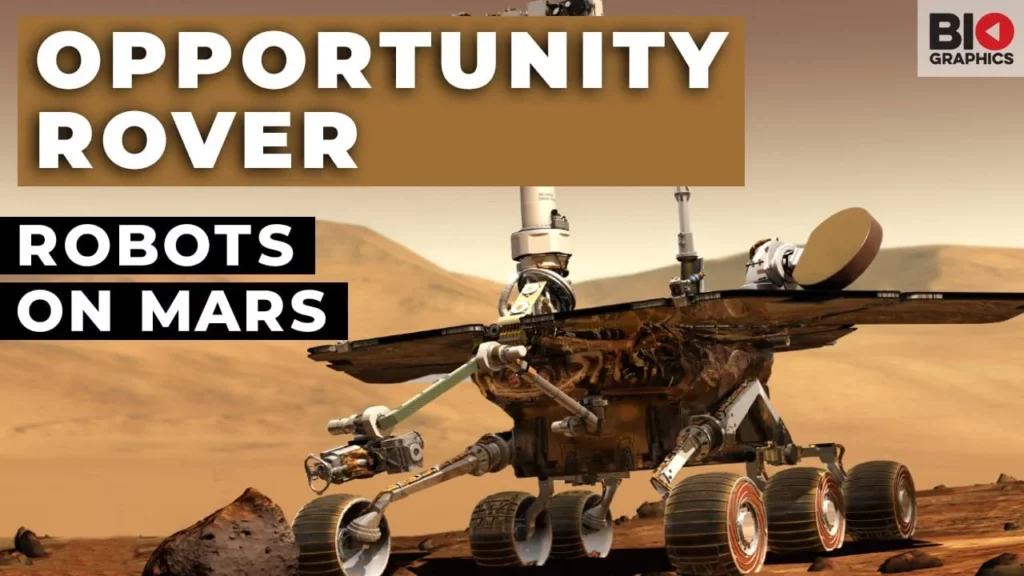
The lesson on the Opportunity rover highlights its extraordinary journey from its dramatic landing on Mars in January 2004 to its unprecedented 14.5 years of operation, far exceeding its initial 90-day mission. Developed in response to previous setbacks in Mars exploration, Opportunity made significant discoveries, including evidence of ancient water, and became a symbol of resilience and innovation in space exploration. Its legacy continues to inspire future missions and capture the public’s imagination, demonstrating the profound impact of robotic exploration on our understanding of the universe.
Annie Oakley: The Greatest Sharpshooter of the Wild West
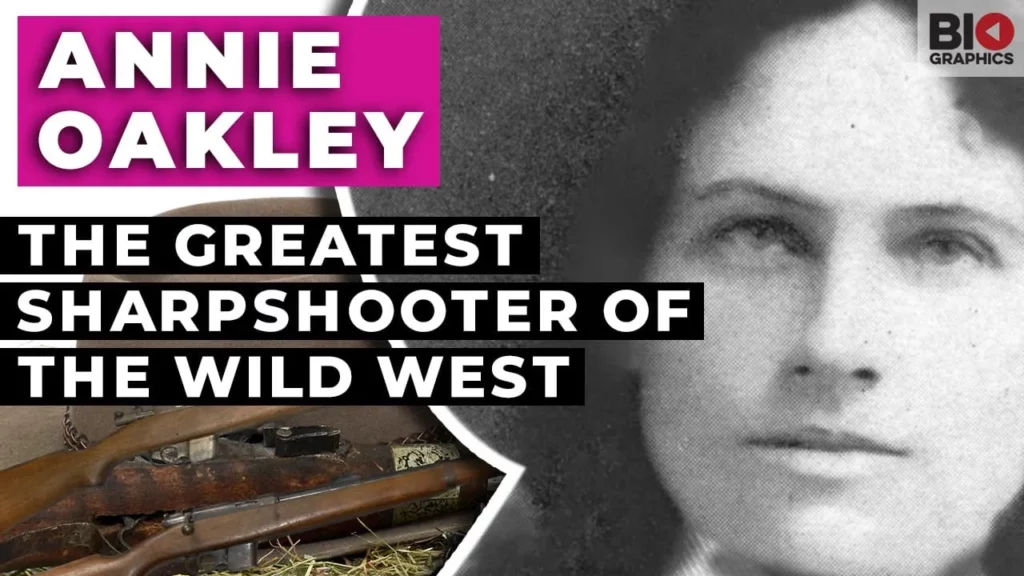
Annie Oakley, born Phoebe Ann Mosey, rose from a challenging childhood marked by tragedy and hardship to become one of the most celebrated sharpshooters of the Wild West. Her remarkable talent and resilience led her to fame in Buffalo Bill’s Wild West show, where she captivated audiences with her incredible shooting skills. Oakley’s legacy endures as an inspiring testament to overcoming adversity and empowering women through marksmanship.
Pompey the Great: Rome’s Most Illustrious General, Part I
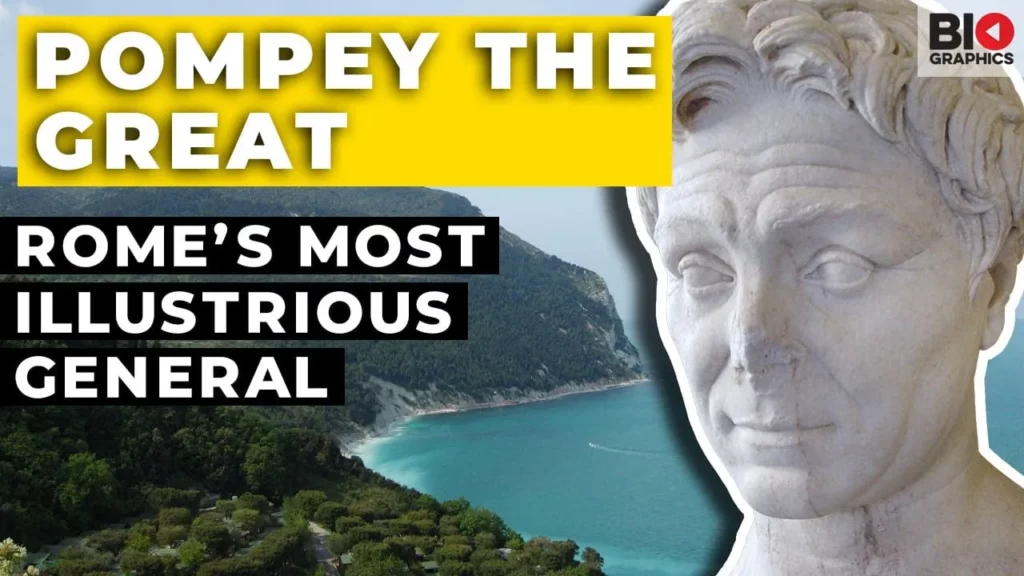
The lesson on Pompey the Great highlights his remarkable journey from humble beginnings to becoming one of Rome’s most illustrious generals. It explores his early life, military career, and significant achievements, including his role in Sulla’s Civil War and the Sertorian War, showcasing his strategic prowess and popularity among the Roman populace. Ultimately, Pompey’s story reflects the complexities of Roman society and the influential figures who shaped its history.