
Miguel Hidalgo: The Father of Mexican Independence
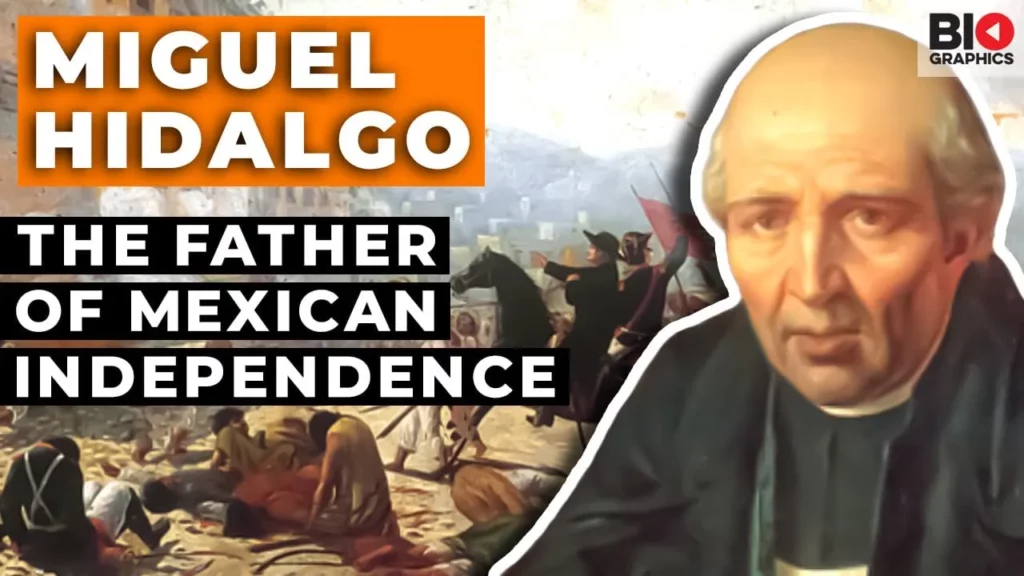
The lesson on Miguel Hidalgo highlights his pivotal role as the Father of Mexican Independence, emphasizing his transformation from a comfortable upbringing to a revolutionary leader. Despite his unconventional lifestyle as a priest, Hidalgo’s exposure to social injustices and Enlightenment ideas fueled his desire for change, culminating in the famous Grito de Dolores that ignited the fight against colonial rule. His legacy serves as a testament to the impact of courage and determination in shaping history, paving the way for Mexico’s eventual independence.
William Bligh: Mutiny on the Bounty
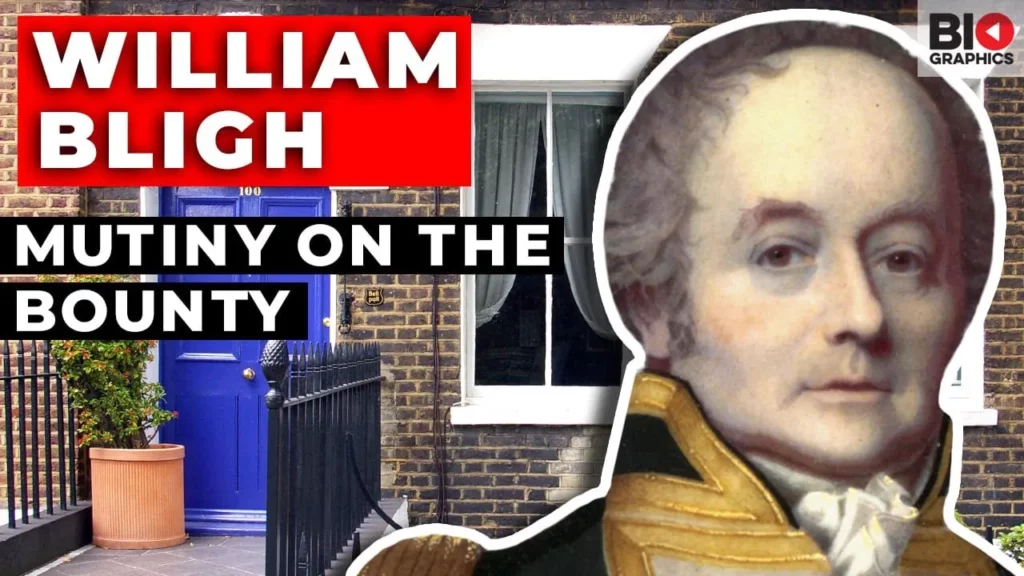
The lesson explores the life of Captain William Bligh, focusing on the events surrounding the mutiny on the HMS Bounty and the complexities of his character. While often depicted as a tyrant, Bligh’s leadership style was more lenient than many of his contemporaries, and his exceptional navigation skills helped him survive after being cast adrift. Ultimately, the lesson highlights the ongoing debate about Bligh’s legacy, questioning whether he should be viewed as a villain or a victim in maritime history.
Lee Kuan Yew: Singapore’s Controversial Father

The lesson explores the life and leadership of Lee Kuan Yew, who played a pivotal role in transforming Singapore from a struggling post-colonial state into a modern economic powerhouse. It highlights his early experiences, political rise, and the implementation of policies that promoted multiculturalism and economic growth, while also acknowledging the controversies surrounding his authoritarian approach. Lee’s legacy is marked by significant improvements in living standards and national cohesion, despite criticisms regarding inequality and restrictions on free speech.
Walt Whitman: America’s Poet
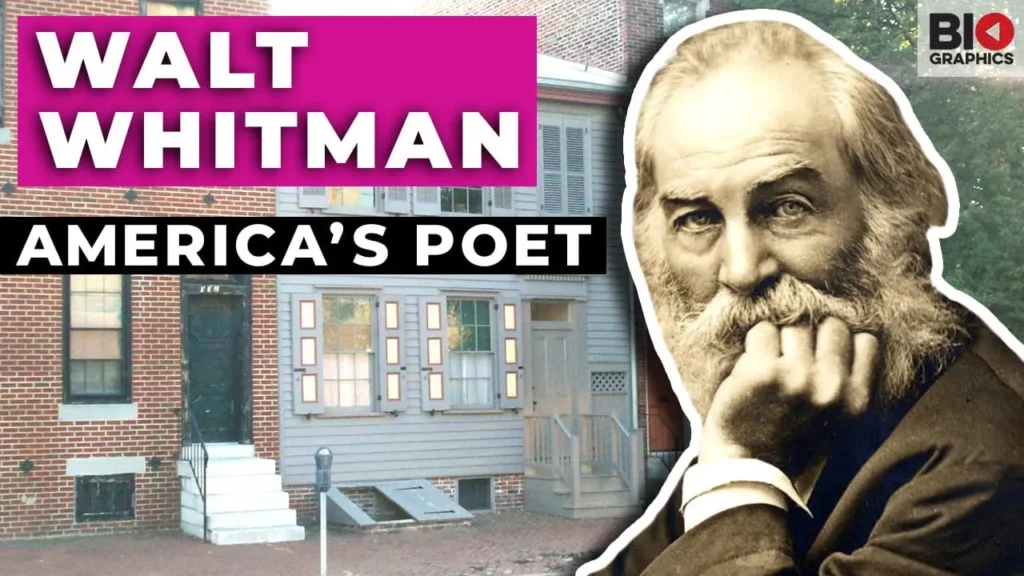
The lesson explores the life and contributions of Walt Whitman, a pivotal figure in American poetry known for pioneering free verse and capturing the spirit of 19th-century America. From his challenging early life and career in journalism to his transformative experiences during the Civil War, Whitman’s journey led to the creation of his seminal work, “Leaves of Grass,” which celebrated the complexities of American identity. Despite facing personal hardships, his legacy endures, solidifying his status as one of America’s most influential poets.
Mickey Cohen: The Mob Goes Hollywood
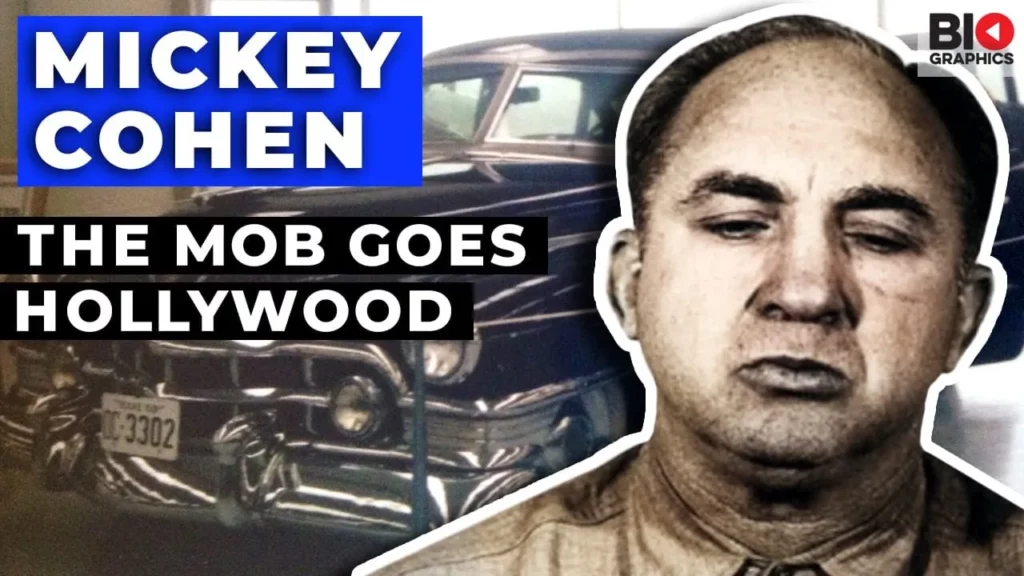
The lesson explores the life and criminal career of Mickey Cohen, a notorious mobster who rose to power in Los Angeles during the mid-20th century. It highlights his early life, his association with Bugsy Siegel, and his eventual takeover of the Los Angeles mob after Siegel’s assassination, as well as his legal troubles and later years. The lesson emphasizes how Cohen’s ruthless nature and ability to navigate the criminal underworld allowed him to survive numerous challenges, ultimately shaping his legacy in organized crime.
Abigail Adams: Mrs. President
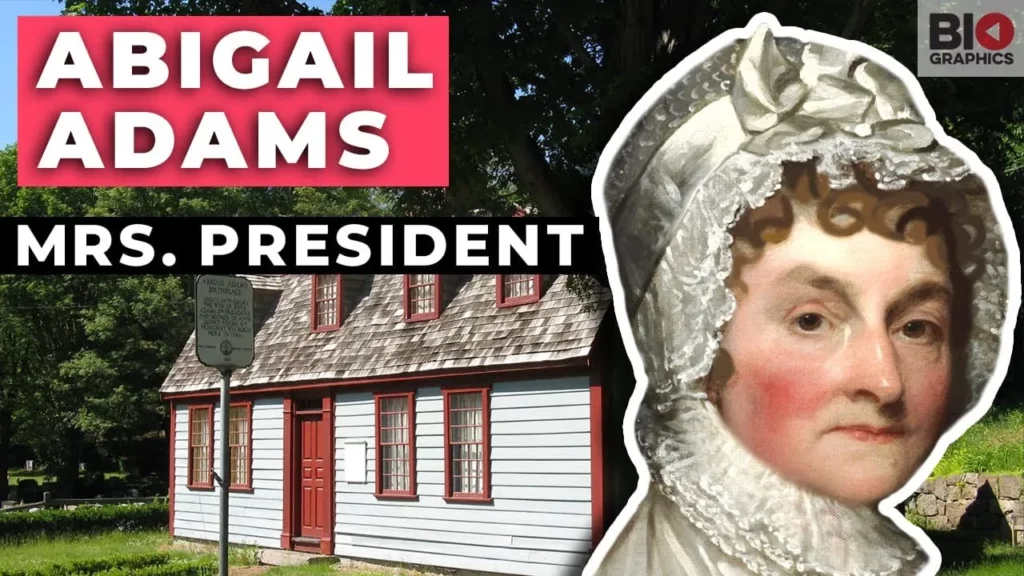
The lesson on Abigail Adams highlights her significant role as a pioneering advocate for equality and women’s rights in early American history, transcending her identity as the wife of President John Adams. Despite the complexities of her views on slavery and the challenges of managing her household during the Revolutionary War, Abigail’s political influence and correspondence with early feminists underscored her commitment to justice and civil liberties. Her legacy as a founding mother continues to inspire those who strive for social change.
William McKinley: Building the American Century
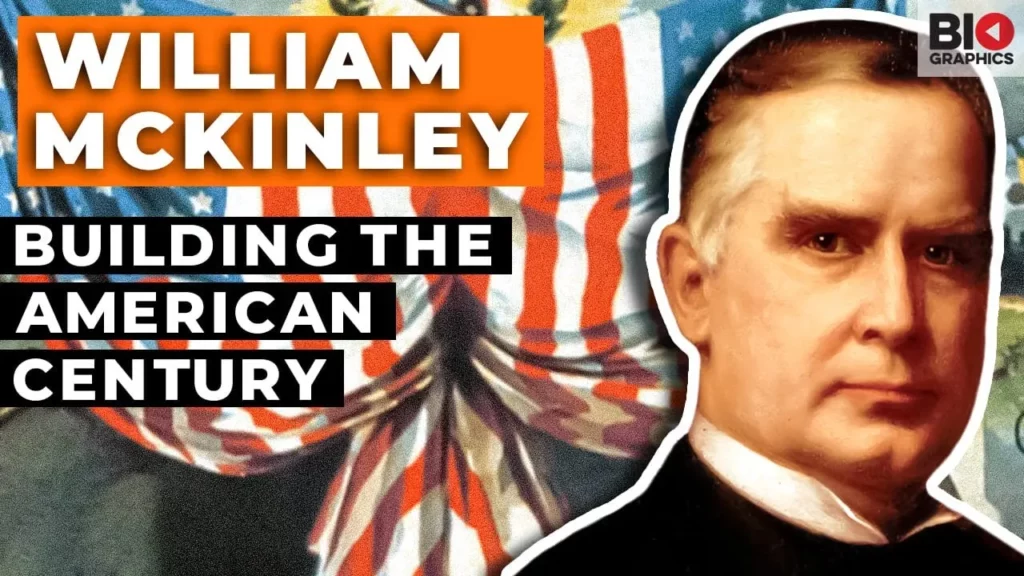
William McKinley, the 25th president of the United States, played a crucial role in the nation’s transformation into a global power during a pivotal era. His presidency was marked by significant events such as the Spanish-American War and the implementation of protective tariffs, which laid the groundwork for the American century. Despite his substantial contributions, McKinley’s legacy has largely faded from public memory, overshadowed by his successor, Theodore Roosevelt, yet his impact on the nation’s economic and political landscape remains significant.
John Brown: The Man Who Ignited the American Civil War
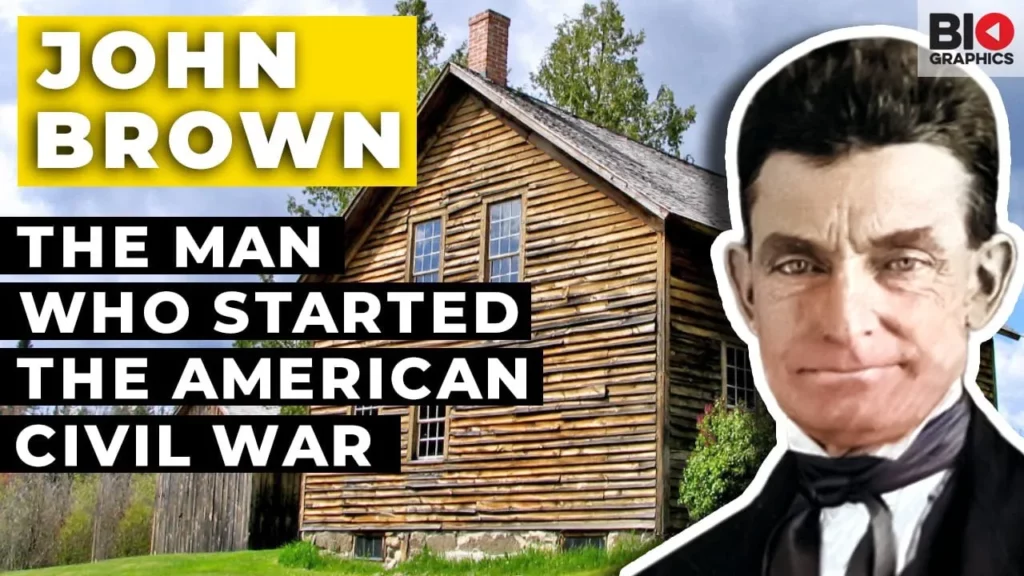
The lesson explores the complex legacy of John Brown, a 19th-century figure whose fervent opposition to slavery led him to take violent actions, including the infamous Pottawatomie Massacre and the raid on Harpers Ferry. While some view him as a heroic martyr for the abolitionist cause, others see him as a villain whose methods contributed to the escalating tensions that ignited the American Civil War. Ultimately, the lesson encourages critical reflection on the moral implications of using violence in the pursuit of justice.
Allan Pinkerton: America’s Most Famous Private Eye
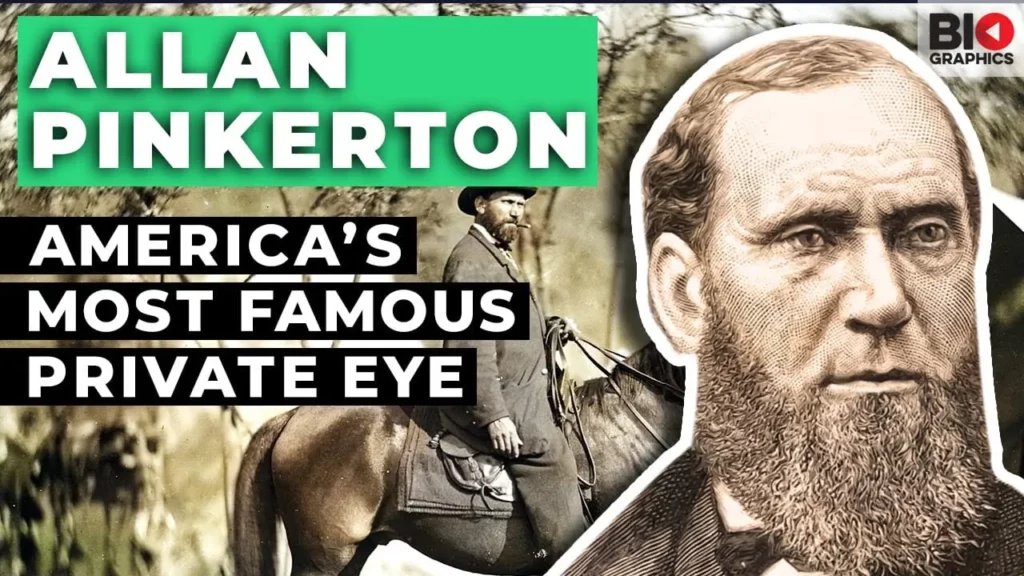
Allan Pinkerton, a Scottish immigrant, founded the Pinkerton National Detective Agency, which became renowned for its motto “We never sleep” and its iconic logo that inspired the term “private eye.” Initially a cooper, Pinkerton’s accidental discovery of counterfeiters led him to a career in law enforcement, where he gained fame for his bravery and integrity, particularly during the Civil War as head of the Union Intelligence Service. Despite facing challenges and criticism, Pinkerton’s legacy as America’s most famous private detective endures, with his agency continuing to operate long after his death in 1884.
Belle Gunness: America’s Most Ruthless Female Killer
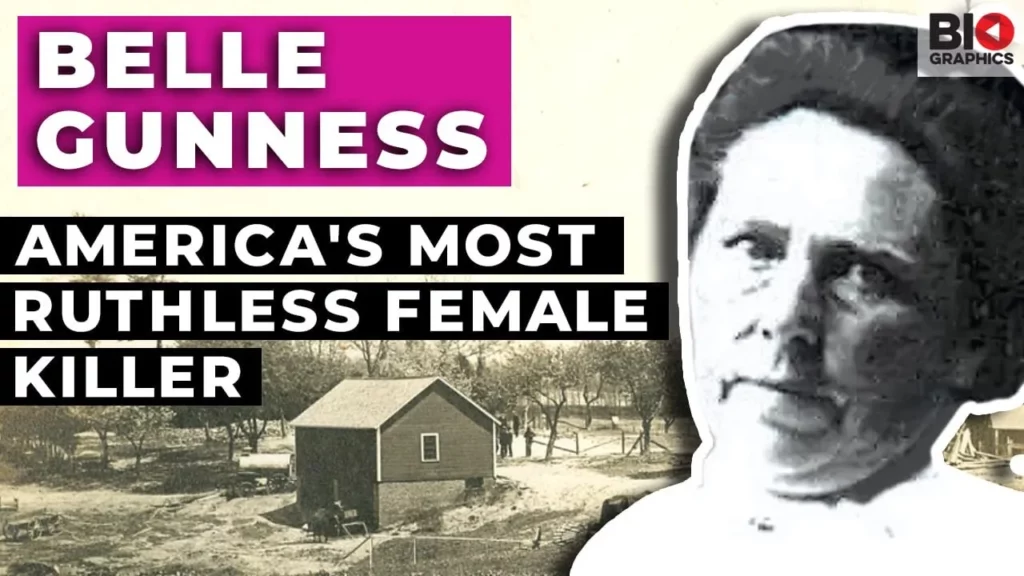
The lesson on Belle Gunness explores the life and crimes of one of America’s most infamous female killers, whose actions transformed the small town of La Porte, Indiana, into a site of horror. Following a devastating fire at her farmhouse in 1908, investigators uncovered a series of dismembered bodies, revealing that Gunness had lured and murdered numerous suitors for financial gain. Her story serves as a chilling reminder of the hidden darkness that can exist behind a seemingly ordinary life.