
Buffalo Bill: The Wild West’s Greatest Showman
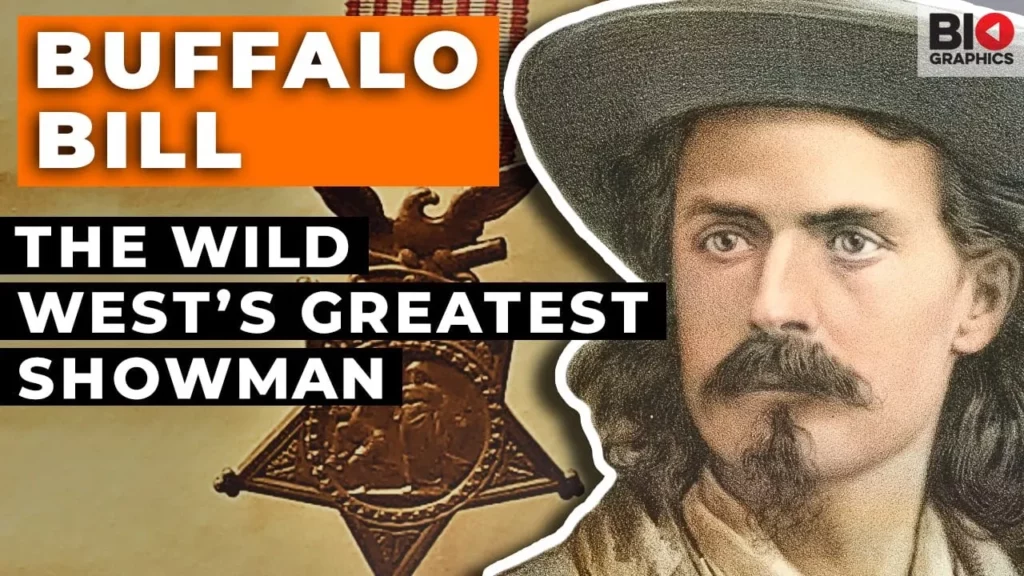
Buffalo Bill, born William Frederick Cody, was a prominent figure of the American Wild West, known for his adventurous life as a soldier, hunter, and Pony Express rider. He gained fame as a showman, creating “Buffalo Bill’s Wild West,” a captivating spectacle that showcased the frontier experience and featured notable figures, ultimately solidifying his legacy as a symbol of the Wild West. His influence on American culture and the mythology surrounding the frontier era continues to resonate today.
Hammurabi: The Ancient Lawgiver Who Created the Babylonian Empire
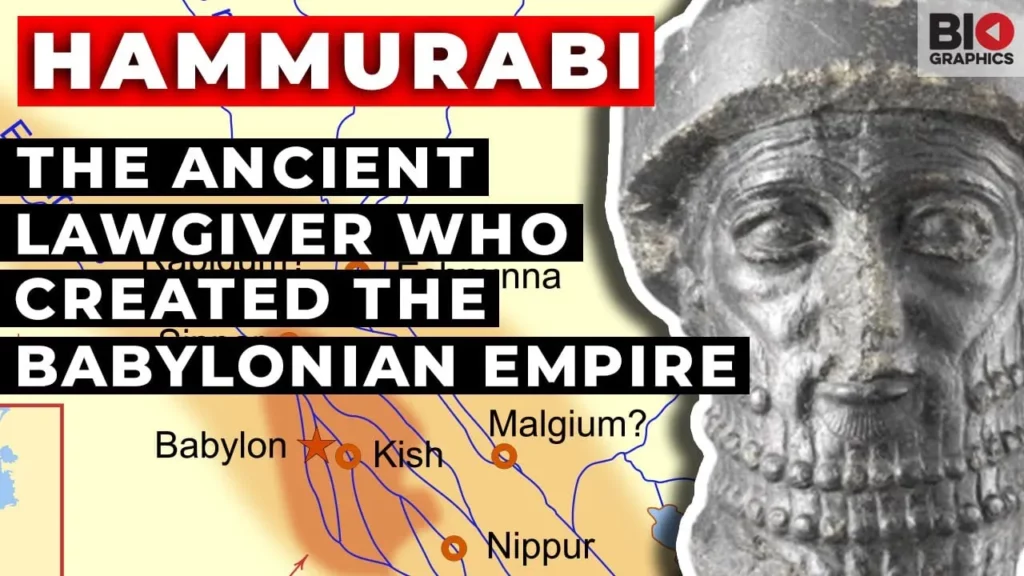
Hammurabi, the ancient king of Babylon, is renowned for establishing one of the earliest known legal codes, the Code of Hammurabi, which aimed to bring justice and protect the vulnerable in society. Rising to power in 1792 BC, he transformed Babylon from a small city-state into a formidable empire through strategic alliances, military conquests, and significant infrastructure improvements. His legacy endures not only through his conquests but also through his legal innovations, which introduced concepts like “innocent until proven guilty,” despite the code’s inherent inequalities.
Alfred the Great: The King Who Defeated the Vikings and Helped Unite England
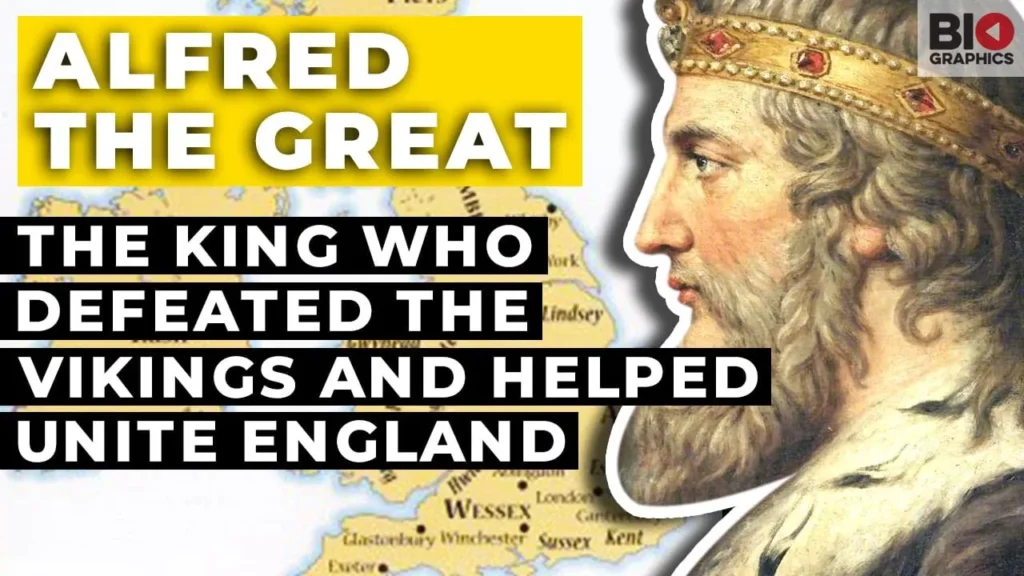
The lesson on Alfred the Great highlights his remarkable achievements as a ruler who successfully defended Wessex against Viking invasions and laid the groundwork for the unification of England. Born in 849 A.D., Alfred rose to power during a time of intense conflict, ultimately securing a decisive victory at the Battle of Eddington and negotiating the Treaty of Wedmore, which fostered peace and trade. His contributions to military reform, education, and historical documentation solidified his legacy as a symbol of resilience and leadership in English history.
Tokugawa Ieyasu – Japan’s Greatest Shogun

The lesson on Tokugawa Ieyasu highlights his crucial role in unifying Japan during the chaotic Sengoku period, ultimately leading to the establishment of the Tokugawa shogunate. Born into a lesser clan, Ieyasu’s strategic alliances and military prowess allowed him to navigate power struggles, culminating in his decisive victory at the Battle of Sekigahara in 1600. His reign marked a significant era of peace and stability in Japan, characterized by isolationist policies that shaped the nation’s history for over 250 years.
Bernard Montgomery: The Spartan General
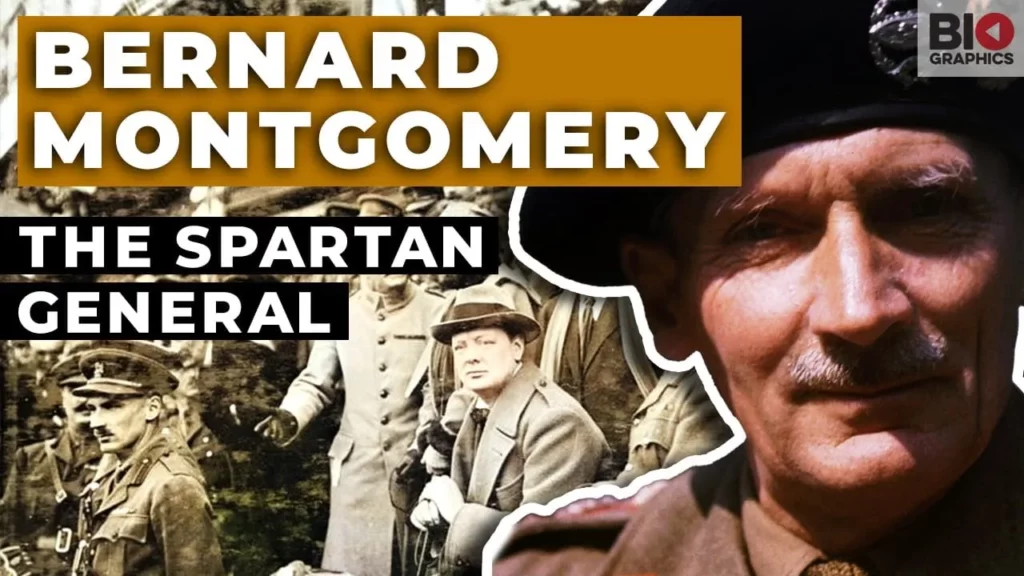
The lesson explores the life and military career of General Bernard Montgomery, a pivotal figure in World War II known for his leadership during the Battle of El Alamein, which marked a significant Allied victory. Despite his tactical brilliance, Montgomery’s personality traits, such as arrogance and self-confidence, often led to tensions with fellow commanders, particularly among American forces. His legacy remains controversial, viewed as a hero in Britain while perceived as arrogant by many Americans, highlighting the complexities of his contributions to the war effort.
James A Garfield: The ‘What-if?’ President
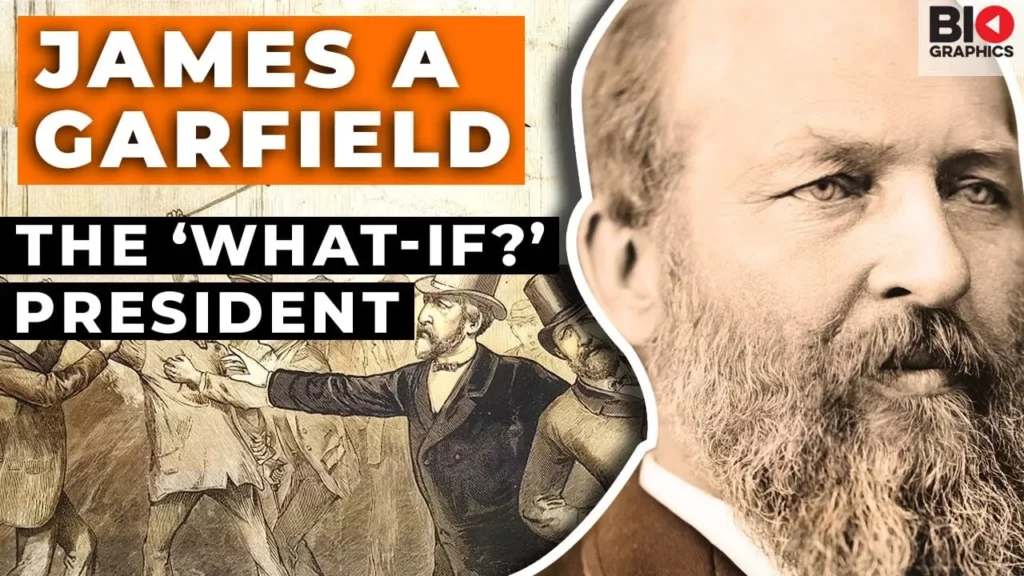
The lesson on James A. Garfield highlights the potential impact he could have had on American history had his presidency not been tragically cut short by assassination just 100 days into his term. Born into poverty, Garfield’s journey from humble beginnings to the presidency exemplifies his intelligence, dedication to civil rights, and commitment to government reform. Despite his brief time in office, Garfield’s legacy as a self-made leader who fought against corruption endures, illustrating the profound influence of determination and integrity.
Wernher von Braun – Journey to the Moon
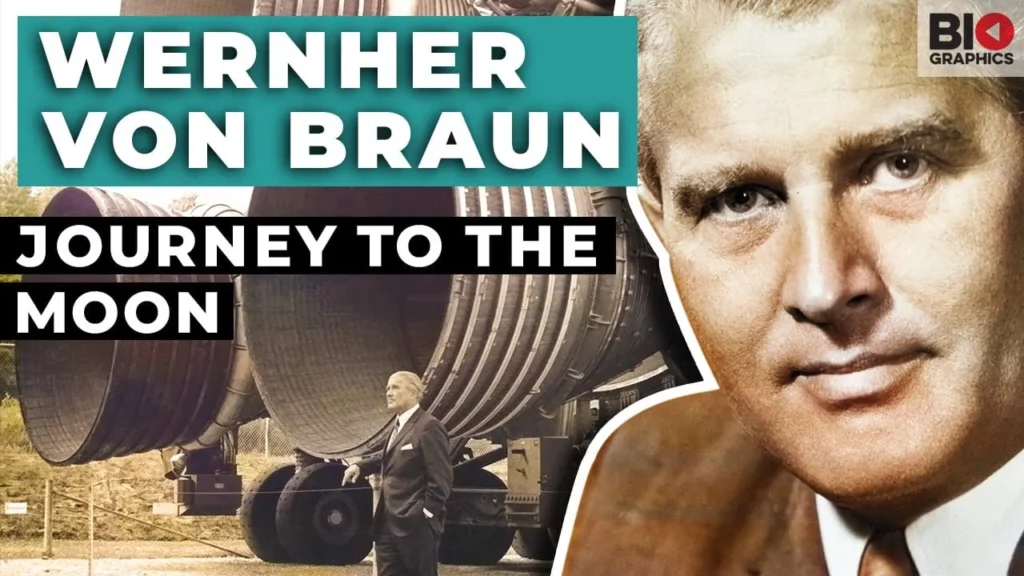
The lesson on Wernher von Braun highlights his pivotal role in the Apollo 11 mission and the development of the Saturn V rocket, which enabled humanity’s first moon landing in 1969. Born in Germany, von Braun’s early fascination with astronomy and engineering led him to significant achievements in rocketry, including his work on the V2 rocket during World War II and later contributions to NASA. His legacy is complex, as it intertwines groundbreaking advancements in space exploration with ethical controversies stemming from his past affiliations with the Nazi regime.
Frank Lucas – The True Story of the American Gangster

The lesson on Frank Lucas explores the rise and fall of the notorious American gangster who dominated Harlem’s drug trade in the 1970s with his high-purity heroin, Blue Magic. Born in North Carolina, Lucas’s criminal journey began with petty theft and escalated to a multi-million dollar drug empire, characterized by innovative smuggling tactics and significant police corruption. His eventual arrest and transformation into a media figure highlight the complex interplay between crime, ambition, and societal impact, serving as both a cautionary tale and a captivating narrative of a tumultuous era in American history.
Clovis I – Kings of the Franks Founding Father of France
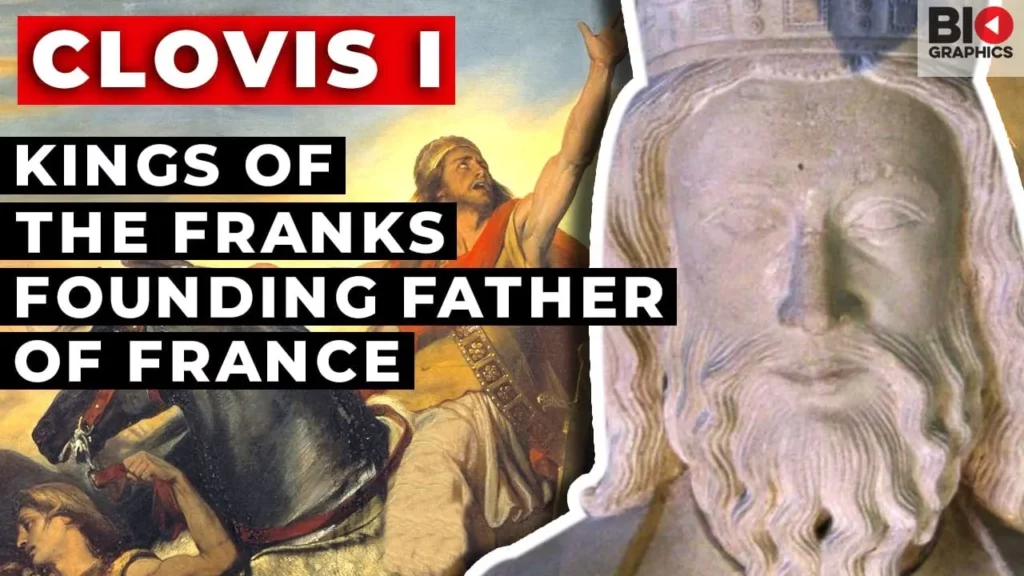
The lesson on Clovis I highlights his pivotal role as the founding father of France during a tumultuous period following the fall of the Western Roman Empire. Ascending to the throne at a young age, Clovis expanded his territory through military conquests and strategic alliances, notably converting to Christianity, which solidified his power and aligned him with the Catholic Church. His unification of the Frankish tribes and establishment of the Merovingian dynasty laid the groundwork for the future nation of France, marking him as a significant figure in European history.
Dietrich Eckart – The Poet Who Mentored Adolf Hitler
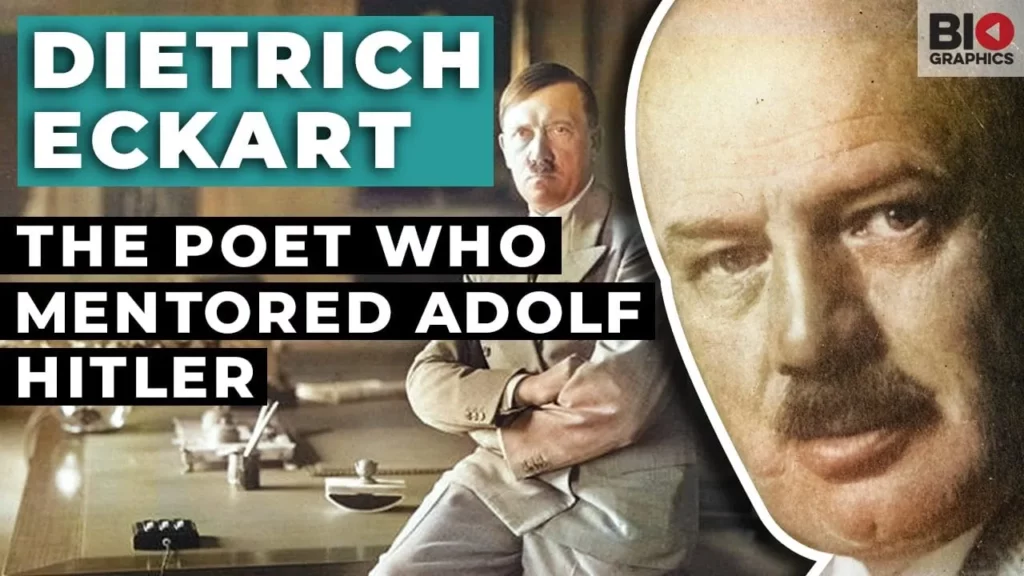
The lesson explores the significant yet often overlooked role of Dietrich Eckart, a poet and journalist, in shaping the early Nazi Party and mentoring Adolf Hitler. Eckart’s radical anti-Semitic views and ideological contributions were pivotal in influencing Hitler’s rise to power, illustrating how secondary figures can profoundly impact historical events. By examining Eckart’s life, the lesson emphasizes the importance of understanding the broader context of political movements and the complex influences behind notorious leaders.