
The Fifth Dynasty of Egypt – The Cult of Ra, the Sun God
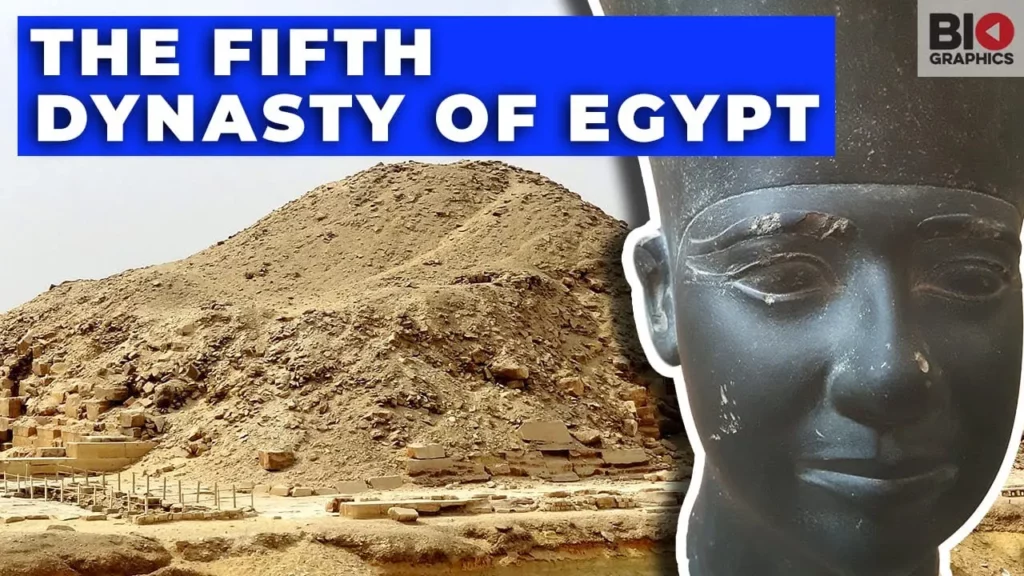
The Fifth Dynasty of Egypt, part of the Old Kingdom, marked a significant transition in religious and architectural practices, shifting from grand pyramid construction to the worship of Ra, the sun god. Faced with resource limitations following the Fourth Dynasty’s monumental achievements, pharaohs like Userkaf and Sahure began building sun temples alongside smaller pyramids, reflecting a new focus on solar worship. This period also saw the emergence of hieratic script and military expeditions, notably to the enigmatic Land of Punt, showcasing the dynasty’s adaptability and lasting influence on Egypt’s cultural landscape.
The Harvey’s Casino Bomber; The Most Bizarre True Crime Story in American History
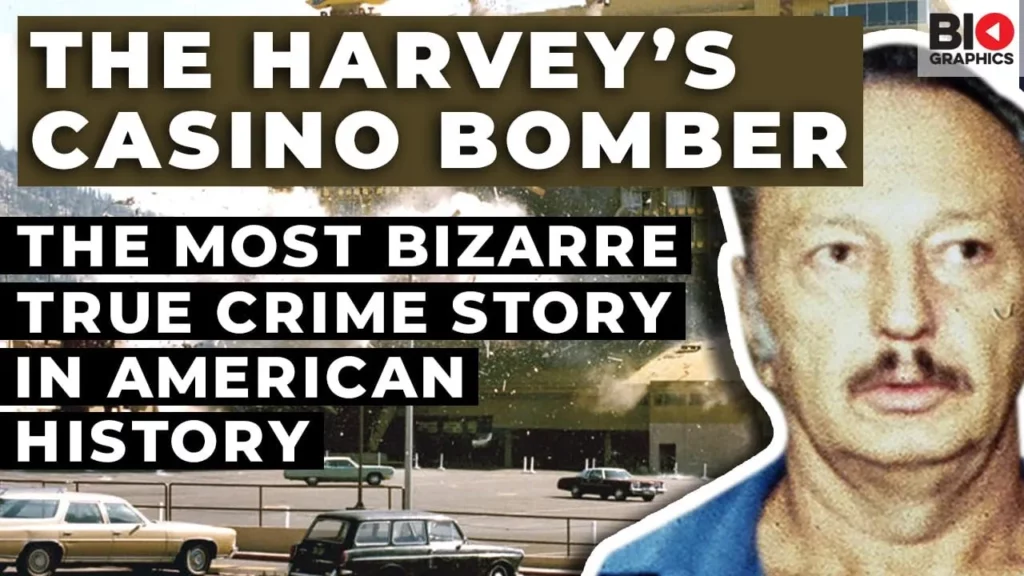
The lesson recounts the bizarre true crime story of the Harvey’s Casino bombing in 1980, where a complex bomb was discovered at the casino, leading to a chaotic evacuation and a failed ransom negotiation. Despite extensive media coverage and a nationwide manhunt, the bomb was ultimately detonated by police, resulting in significant damage but no injuries. The investigation revealed the perpetrator, John Burgess, whose gambling losses motivated the crime, ultimately leading to his life imprisonment and highlighting the challenges faced by law enforcement in such intricate cases.
Mel Fisher: The Treasure Hunting King of Key West

Mel Fisher’s journey as a treasure hunter exemplifies adventure, determination, and the relentless pursuit of dreams. After transitioning from a successful dive shop owner in California to a treasure seeker in Florida, Fisher famously discovered the Nuestra Señora de Atocha in 1985, leading to a landmark legal victory that solidified his legacy. His story highlights the complexities of treasure hunting, balancing the thrill of discovery with ethical considerations regarding cultural heritage.
John Gotti – The Teflon Don of the New York Mafia

John Gotti, known as the “Teflon Don,” was a prominent figure in the New York Mafia who gained notoriety for his ability to evade legal consequences while rising to power within the Gambino crime family. His ascent was marked by bold moves, including the assassination of his predecessor, Paul Castellano, which solidified his leadership but also led to strained relations with other Mafia families. Ultimately, Gotti’s downfall came when his associate turned state’s witness, resulting in his conviction and life sentence, highlighting the precarious nature of power in organized crime.
Dag Hammarskjold: The Man Who Built the United Nations

The lesson highlights the transformative leadership of Dag Hammarskjöld, the second Secretary-General of the United Nations, who played a pivotal role in establishing the UN as a significant force for global diplomacy during the Cold War. His commitment to reforming the UN’s structure, promoting peacekeeping initiatives like the United Nations Emergency Force during the Suez Crisis, and his steadfast dedication to international cooperation left a lasting legacy that continues to inspire leaders today. Hammarskjöld’s tragic death in 1961 marked the end of a remarkable tenure, but his influence on the UN’s mission and ideals remains enduring.
Nathanael Greene – The Fighting Quaker Who Became Washington’s Most Steadfast Officer

Nathanael Greene, often considered George Washington’s most reliable officer during the American Revolutionary War, played a crucial role in the fight for independence despite his Quaker upbringing and initial challenges. His strategic leadership, particularly in the Southern Campaign, and his ability to adapt to difficult circumstances, such as reorganizing supply lines during harsh conditions, solidified his legacy as one of the war’s most respected generals. Greene’s story exemplifies perseverance and innovation, inspiring future generations in their pursuits.
Richard Pryor – The Gold Standard of Comedy

Richard Pryor is celebrated as one of the greatest comedians of all time, known for his raw and honest comedic style that resonated with audiences. Despite a challenging upbringing marked by racial discrimination and personal struggles, including addiction and health issues, Pryor transformed his life experiences into groundbreaking comedy, earning multiple accolades and inspiring future generations. His legacy continues to influence the comedy landscape, solidifying his status as a true pioneer in the field.
J. Edgar Hoover – America’s Top Cop or Chief Inquisitor?
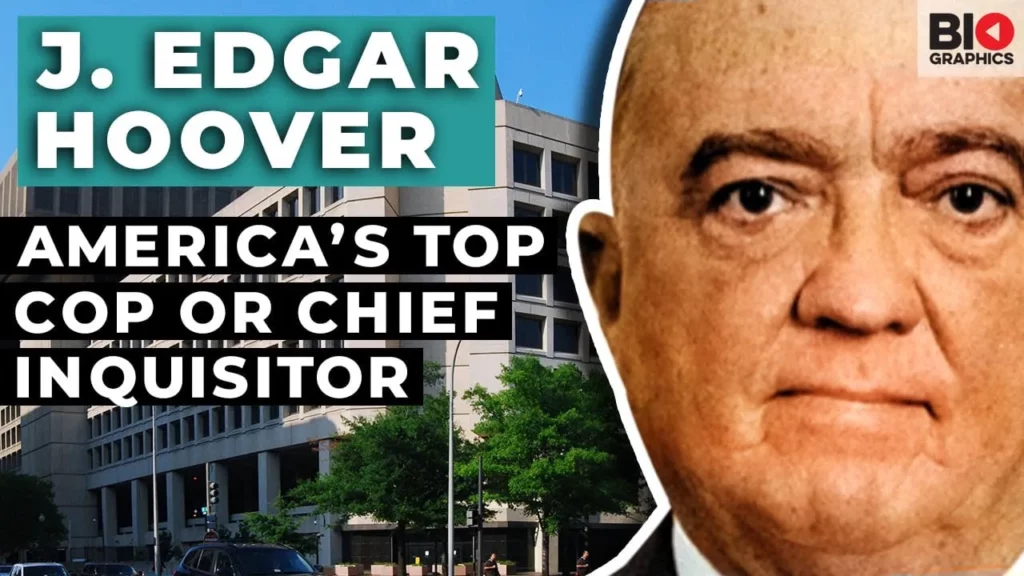
The lesson on J. Edgar Hoover examines his dual legacy as both a transformative leader of the FBI and a controversial figure associated with civil liberties violations. Hoover’s rise to power, marked by his organizational reforms and expansion of the FBI’s role during critical historical periods, is contrasted with his controversial tactics, including the COINTELPRO program, which targeted civil rights activists. Ultimately, Hoover’s story highlights the ongoing tension between national security and individual freedoms in American democracy.
John Tyler: The Most Hated President of the 19th Century
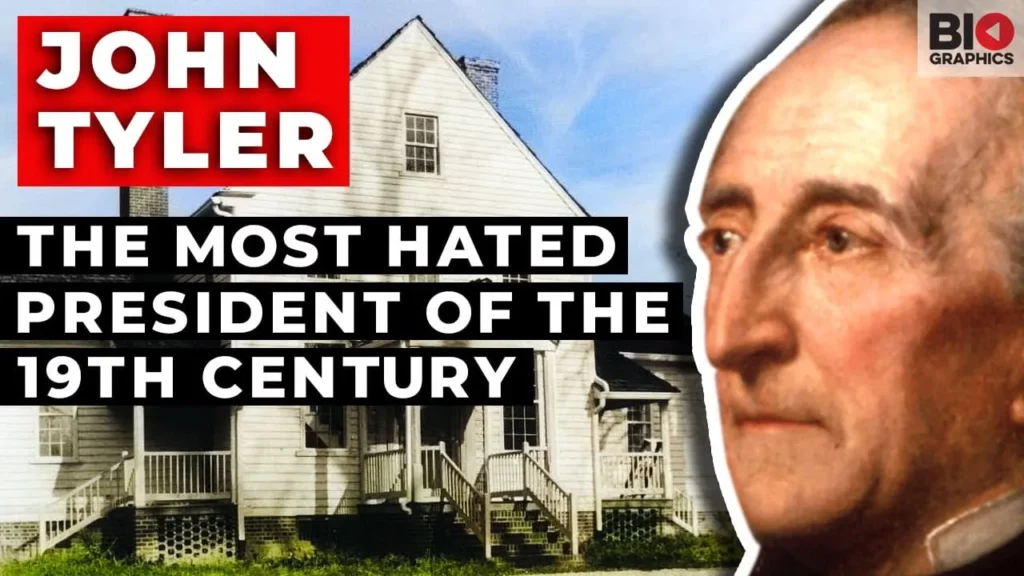
The lesson on John Tyler highlights his tumultuous presidency, marked by significant political conflicts, particularly with his own Whig party, which ultimately led to his expulsion and isolation. Despite notable achievements like the annexation of Texas, his decisions contributed to escalating tensions that foreshadowed the Civil War, and his later alignment with the Confederacy further tarnished his legacy. Ultimately, Tyler is remembered as a controversial figure whose presidency lacked strong support and lasting impact.
Iron Felix Dzerzhinsky – Head of the CheKa, Architect of the Red Terror

The lesson explores the life and impact of Felix Dzerzhinsky, the head of the Cheka, during the Red Terror in Russia, a period characterized by the violent suppression of perceived enemies of the Bolshevik government. Dzerzhinsky’s early life and revolutionary activities shaped his commitment to Communism, ultimately leading him to establish the Cheka, which employed brutal tactics to maintain state security. His legacy is complex, marked by both his ruthless methods and his contributions to social projects, with his influence enduring in the Soviet security apparatus long after his death.