
Philippe Petain: From French Hero to Nazi Collaborator
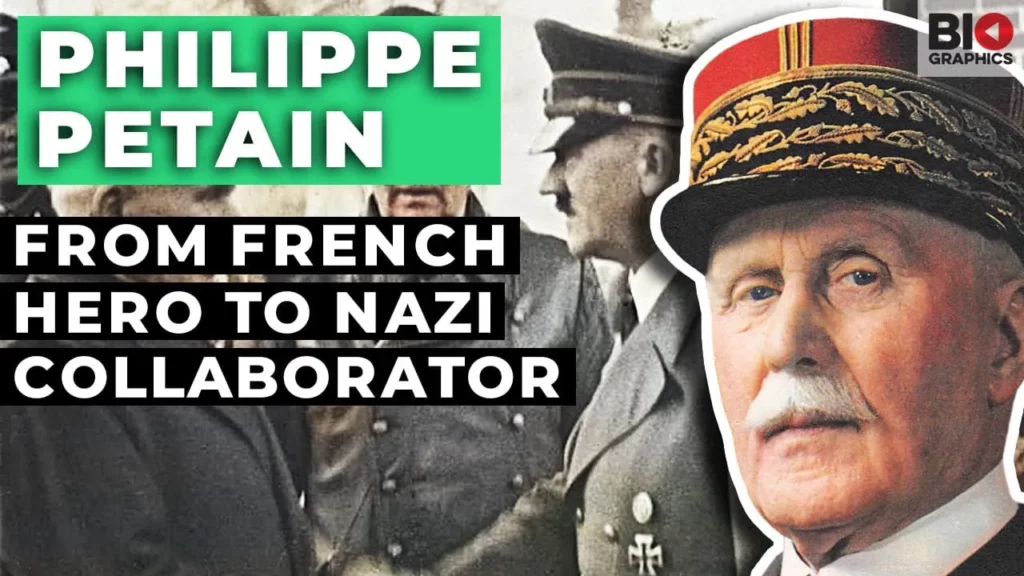
The lesson on Philippe Pétain explores his transformation from a celebrated French war hero during World War I to a controversial collaborator with Nazi Germany during World War II. Initially revered for his military leadership, Pétain’s decision to ally with the Nazis and implement oppressive policies led to his eventual downfall and legacy as a traitor. His story underscores the complexities of leadership and the profound consequences of choices made in times of crisis.
Edward the Elder – One Step Closer to a Unified England
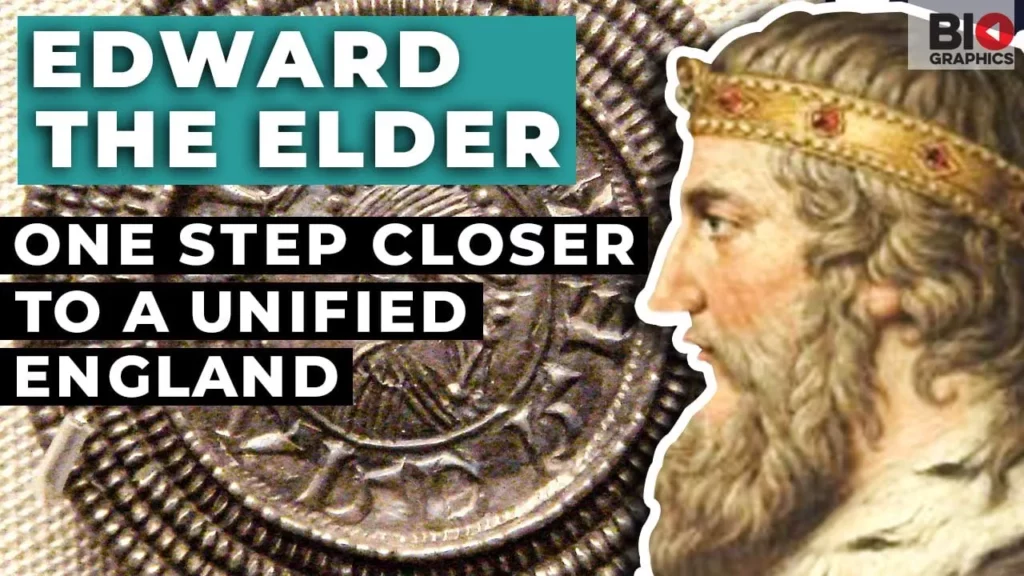
Edward the Elder, son of Alfred the Great, played a pivotal role in the unification of England following his father’s legacy of defending against Viking invasions. Despite facing challenges to his throne and internal conflicts, Edward successfully expanded his influence through military campaigns and strategic alliances, particularly in Mercia and against the Danes. His efforts laid the groundwork for a more unified England, which would be fully realized by his son, Athelstan, after Edward’s death in 924 A.D.
The Donner Party: America’s Most Gruesome Tale of Survival
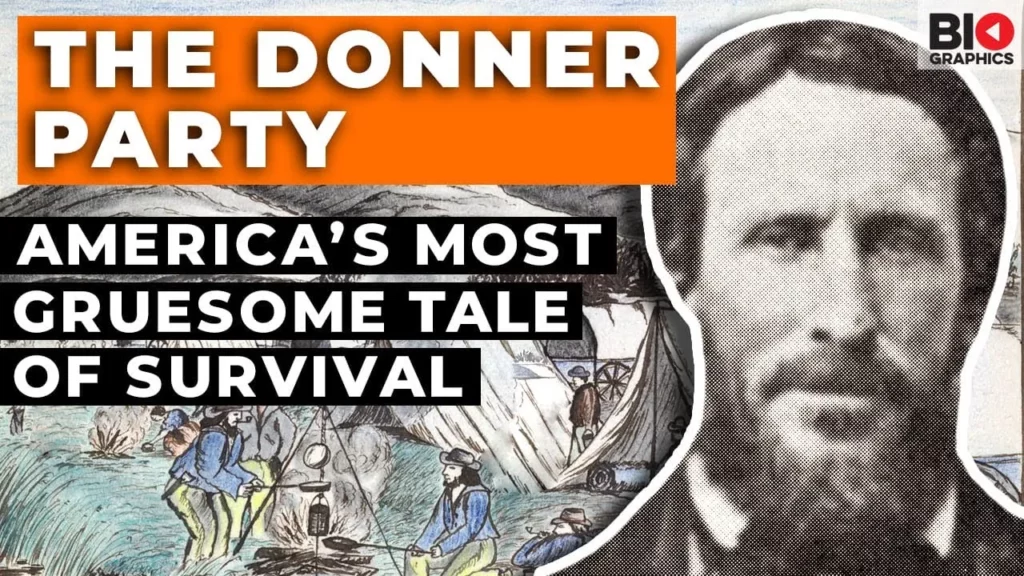
The lesson on the Donner Party explores the harrowing journey of a group of settlers in 1846 who, driven by the ideals of Manifest Destiny and the lure of the California Gold Rush, attempted to take a dangerous shortcut to reach their destination. Despite initial optimism, they faced severe hardships, including disease, starvation, and ultimately resorting to cannibalism as they became trapped in the Sierra Nevada mountains during winter. The tragic outcome, with only 48 of the original 87 survivors, highlights the perilous nature of westward expansion in American history.
Erich von Manstein: Hitler’s Best General
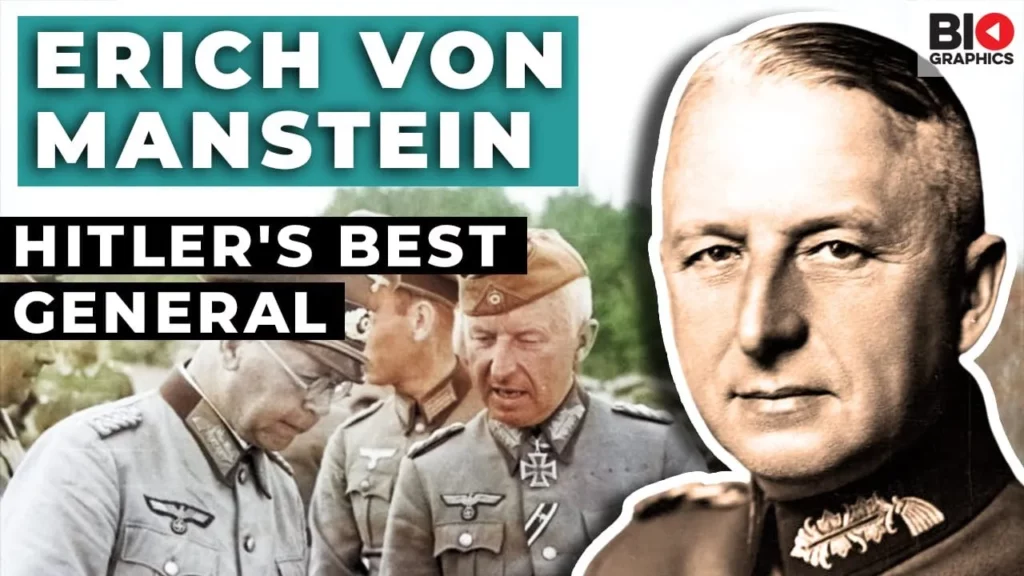
The lesson on Erich von Manstein highlights his strategic brilliance as a German field marshal during World War II, particularly his innovative tactics such as the “Sickle Cut” plan during the invasion of France and his leadership at the Battle of Stalingrad. While his military contributions are respected and studied, his legacy is complicated by his association with the Nazi regime and the ethical implications of his actions. Ultimately, the lesson emphasizes the importance of adaptability and critical thinking in military strategy, alongside the moral dilemmas faced by leaders in wartime.
Bob Marley: Legend of Reggae
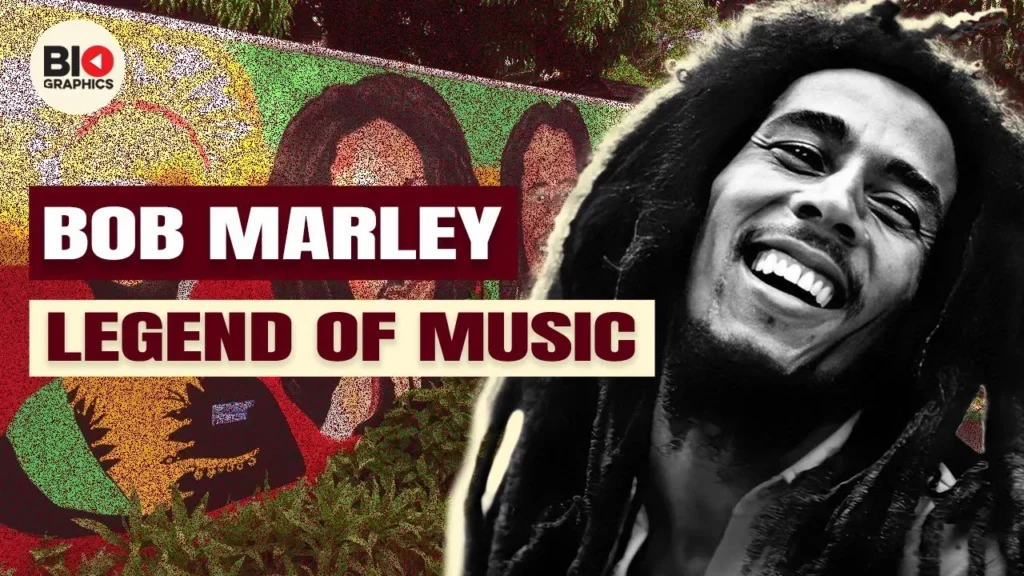
This lesson explores the life and legacy of Bob Marley, a pivotal figure in reggae music known for his belief in the unifying power of music. From his humble beginnings in Jamaica to achieving global stardom with hits like “No Woman, No Cry” and “I Shot the Sheriff,” Marley’s journey was marked by both challenges and triumphs, including his commitment to peace during political turmoil. Despite his untimely death at 36, his enduring influence and message of love and unity continue to inspire generations.
George Reeves: The Mysterious Death of Superman
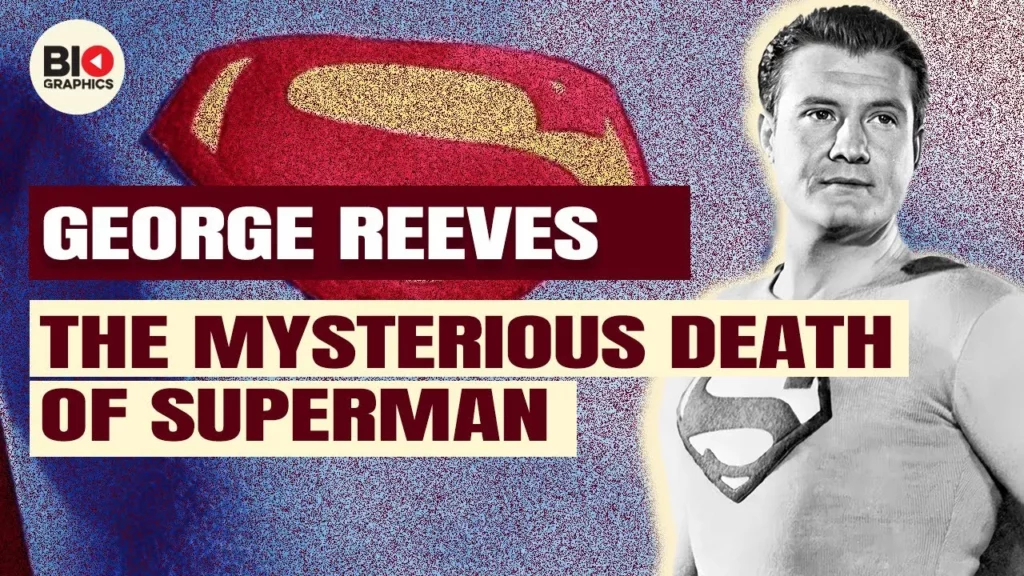
The lesson delves into the life and enigmatic death of George Reeves, the actor known for his role as Superman in the 1950s television series. While his death was officially ruled a suicide, lingering doubts and various theories suggest that there may be more to the story, reflecting the complexities of his personal and professional life. Ultimately, the mystery surrounding his demise continues to captivate audiences, leaving questions about the true circumstances of his passing unanswered.
Arthur Conan Doyle: The Creator of Sherlock Holmes
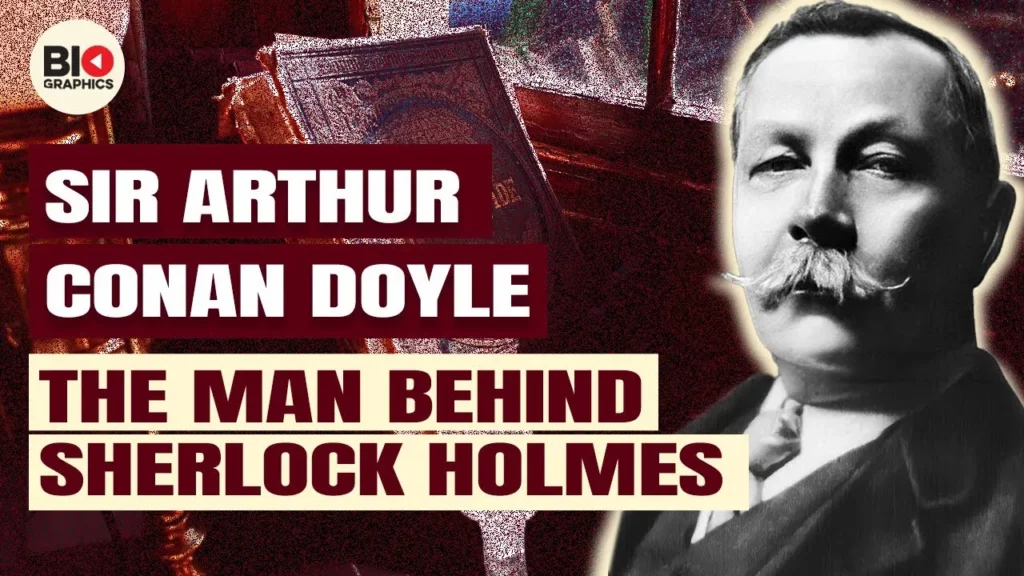
This lesson explores the life and literary contributions of Sir Arthur Conan Doyle, the creator of the iconic detective Sherlock Holmes. It details Doyle’s journey from a medical professional to a celebrated author, highlighting the challenges he faced and the eventual rise of Holmes as a beloved character in literature. The lesson also touches on Doyle’s diverse interests, his struggles with fame, and his lasting legacy, which continues to influence readers and writers today.
Francis Galton: The Man Who Invented Eugenics
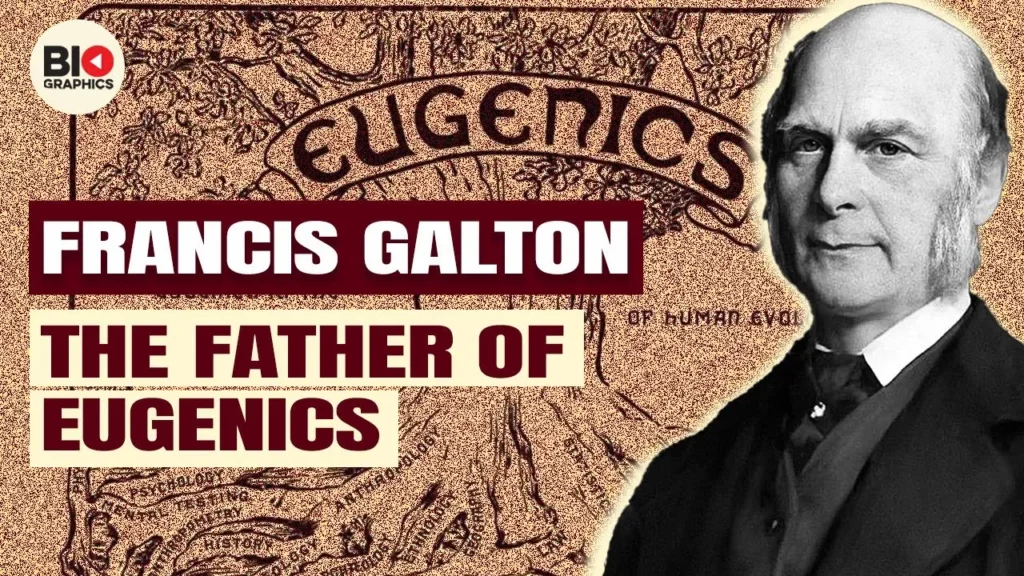
This lesson delves into the life and contributions of Francis Galton, a pioneering figure in the field of eugenics, who proposed that genetics played a significant role in determining mental traits. While his initial intentions aimed at improving human traits through selective breeding, the darker implications of eugenics, including the sterilization of those deemed “unfit,” emerged, leading to ethical controversies that continue to resonate today. Galton’s legacy serves as a cautionary tale about the societal impact of scientific ideas.
Gene Roddenberry: The Creator of Star Trek
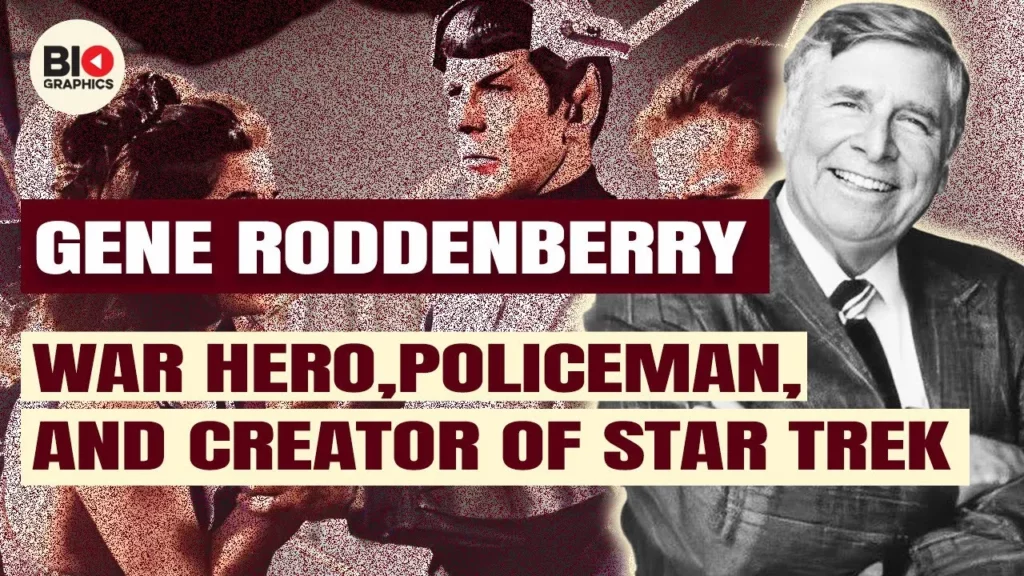
The lesson explores the life and legacy of Gene Roddenberry, the creator of Star Trek, highlighting his diverse background as a war hero, policeman, and writer. It details his journey from a passion for flying to his groundbreaking work in television, culminating in the creation of Star Trek, which, despite its initial mixed reviews, became a cultural phenomenon and significantly influenced science fiction and space exploration. Roddenberry’s innovative vision and commitment to themes of diversity and cooperation continue to inspire fans and shape the genre today.
EDWARD III: England’s Real Life King Arthur
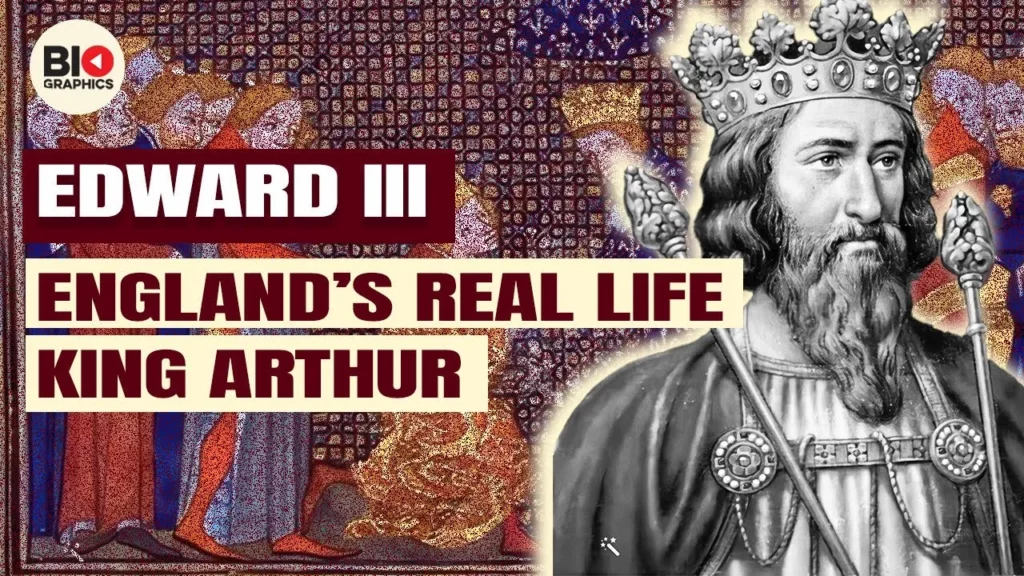
The lesson explores the life of Edward III, a transformative king of England who rose to power amidst political turmoil and established the nation as a formidable force in Europe. From his early struggles against the influence of his father’s favorites to his military successes in the Hundred Years’ War, Edward III’s reign was marked by significant achievements, including the promotion of the English language and the establishment of the Order of the Garter. His legacy as a powerful ruler and a symbol of courage continues to resonate in history.