
Captain William Kidd – From Privateer to Pirate Hunter to Pirate
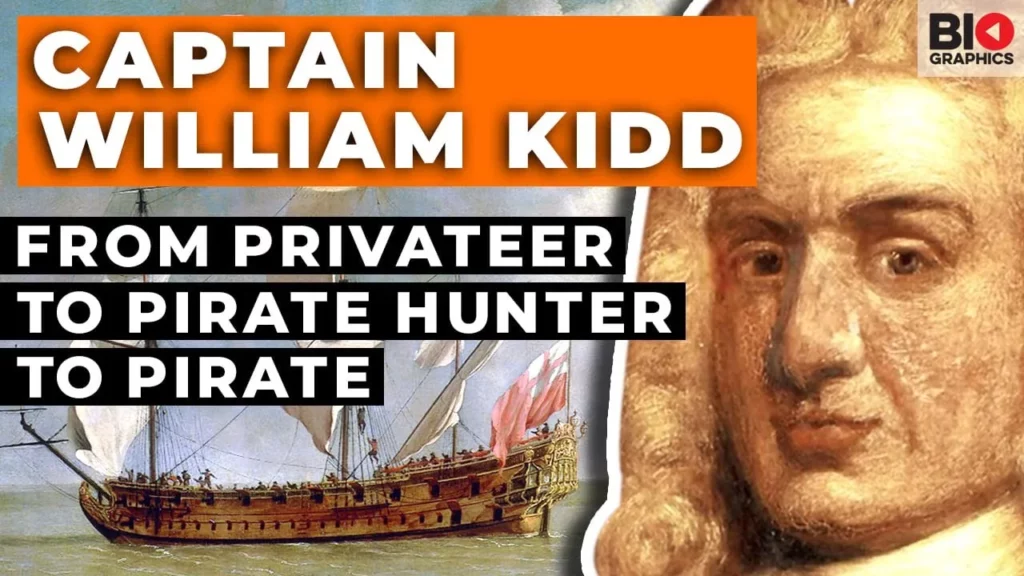
Captain William Kidd’s journey from a legitimate privateer to one of history’s most infamous pirates illustrates the complexities of 17th-century maritime life, marked by ambition, betrayal, and shifting allegiances. Initially celebrated for his naval prowess and contributions to the British cause, Kidd’s fate took a dark turn as he faced mutiny, discontent among his crew, and controversial actions that blurred the lines between privateering and piracy. Ultimately, his story serves as a cautionary tale about the precarious nature of fortune and reputation on the high seas.
Joe McCarthy: The Original Conspiracy Theorist
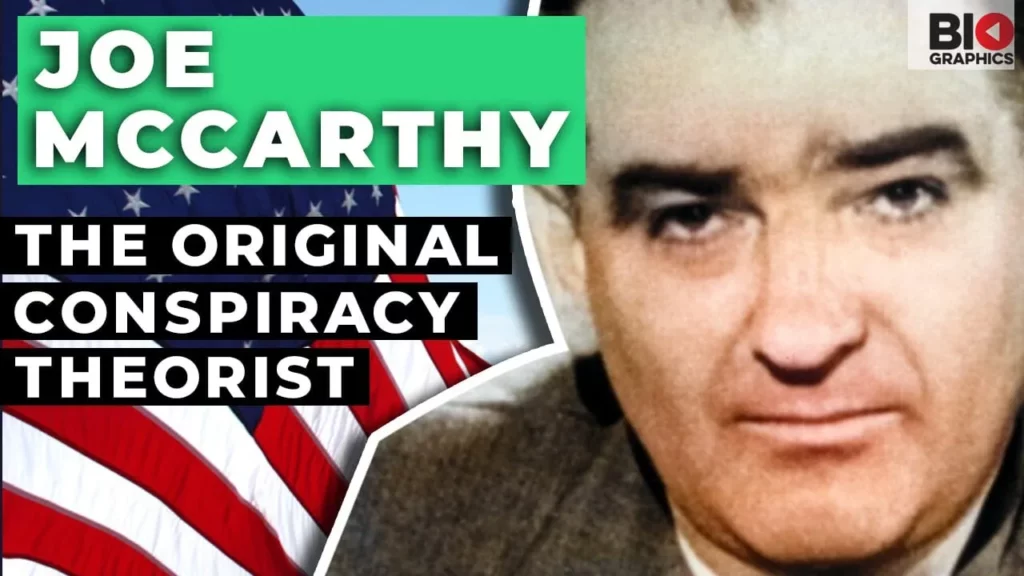
The lesson explores the life and impact of Senator Joe McCarthy, who rose to prominence in the early 1950s by promoting unfounded claims of a communist conspiracy within the U.S. government, a period that became known as McCarthyism. His tactics of character assassination and media manipulation led to the ruin of many innocent lives and ultimately resulted in his downfall during the televised Army-McCarthy hearings, where public sentiment turned against him. McCarthy’s legacy serves as a cautionary tale about the dangers of baseless accusations and the erosion of civil liberties in the name of national security.
Harper Lee – The Reclusive Author
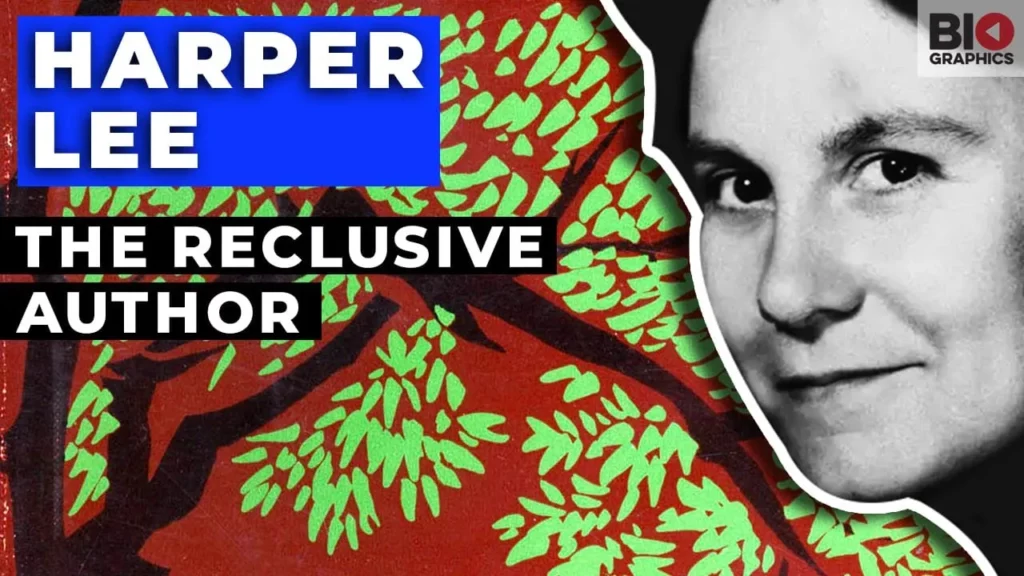
The lesson explores the life and literary contributions of Harper Lee, focusing on her acclaimed novel *To Kill a Mockingbird*, which addresses themes of racial injustice and human relationships through the eyes of a young girl named Scout Finch. Despite the novel’s immense success, including a Pulitzer Prize and a film adaptation, Lee chose to live a reclusive life, publishing little after her debut until the release of *Go Set a Watchman* in 2015. Her legacy endures as a significant influence on American literature and discussions surrounding race and morality.
Charles Cullen – America’s Most Notorious Angel of Death

The lesson on Charles Cullen, known as America’s most notorious “Angel of Death,” explores the chilling reality of a nurse who murdered at least 40 patients during his 16-year career, raising critical questions about trust and ethics in healthcare. Cullen’s case reveals significant flaws in hospital systems that allowed him to evade detection despite numerous warning signs, emphasizing the need for vigilance, accountability, and robust protocols to prevent such abuses of power. Ultimately, the story serves as a stark reminder of the importance of ethical responsibility in safeguarding patient safety and the necessity for healthcare professionals to report suspicious behavior without fear.
Hideki Tojo -The Face of Japanese Militarism in WWII
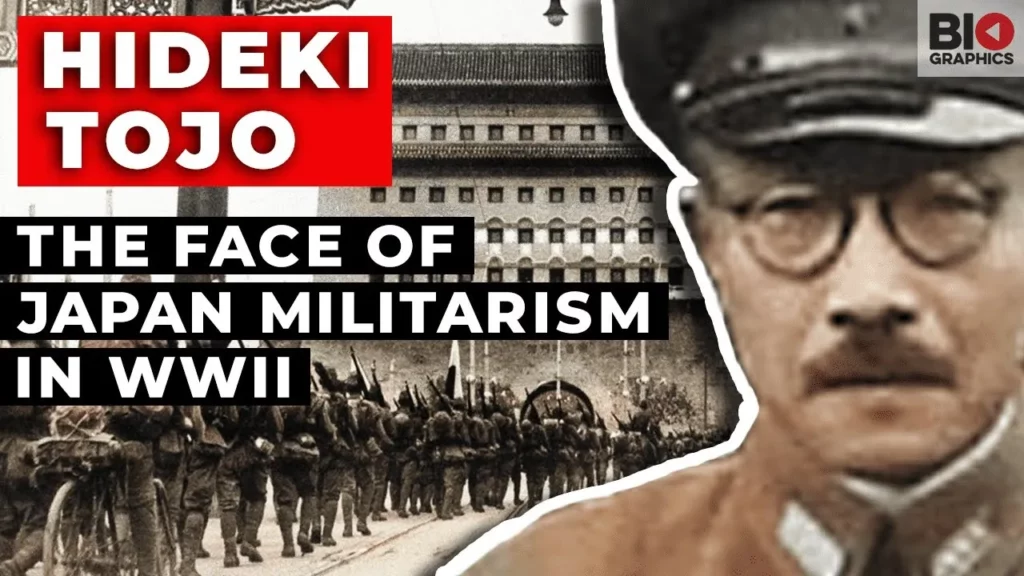
The lesson on Hideki Tojo explores his significant yet complex role as Japan’s Prime Minister and military leader during World War II, emphasizing that while he was a prominent figure in Japanese militarism, he was not an absolute ruler and operated under the authority of Emperor Hirohito. Tojo’s military career, marked by aggressive expansionist policies and involvement in key conflicts such as the Second Sino-Japanese War and the attack on Pearl Harbor, illustrates the intricate dynamics of power and the impact of militaristic leadership in shaping Japan’s wartime actions and strategies. His legacy continues to inform discussions on the nature of leadership and militarism in historical contexts.
Sidney Poitier – Breaking Down Hollywood’s Color Barrier

The lesson highlights Sidney Poitier’s groundbreaking achievements in Hollywood, particularly his historic Oscar win in 1964 as the first Black actor to receive the Best Actor award for his role in “Lilies of the Field.” Poitier’s career not only challenged racial stereotypes in film but also demonstrated that diverse stories could resonate with audiences, making him a pivotal figure in improving race relations in America. His legacy as a trailblazer and role model continues to influence the film industry and society at large.
David Ben-Gurion: Founding Father of Israel
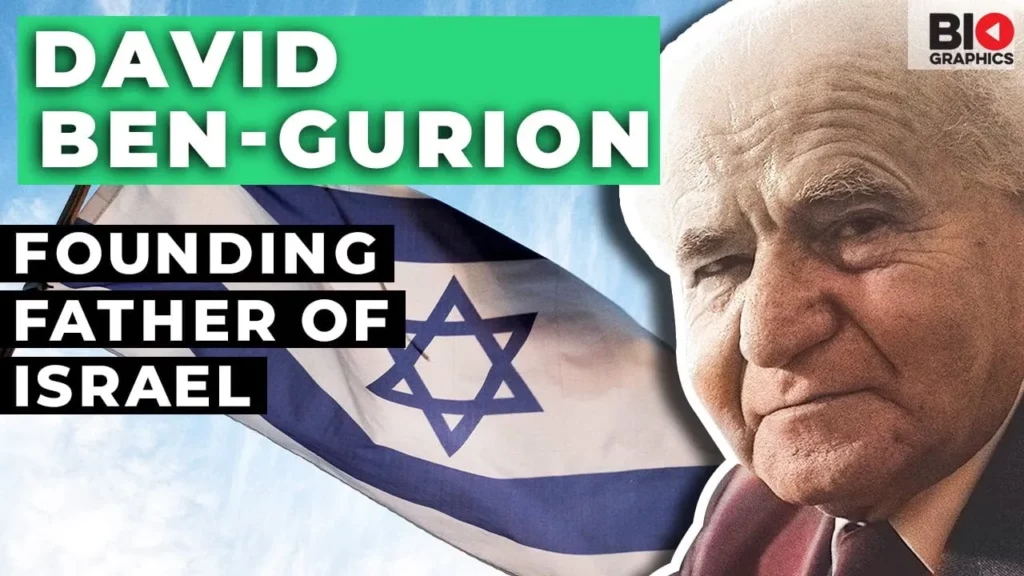
David Ben-Gurion, born David Gruen in Poland, was a pivotal figure in the establishment of Israel in 1948, driven by his unwavering commitment to Zionism and the creation of a Jewish homeland. Despite facing significant challenges, including opposition from British authorities and tensions with Arab communities, his pragmatic leadership and determination led to the declaration of Israel’s independence, shaping the geopolitical landscape of the Middle East. Ben-Gurion’s legacy is marked by both his achievements in consolidating Israel’s military and government and the controversies surrounding his policies during the 1948 Arab-Israeli War.
Diocletian – Rome’s First Retired Emperor
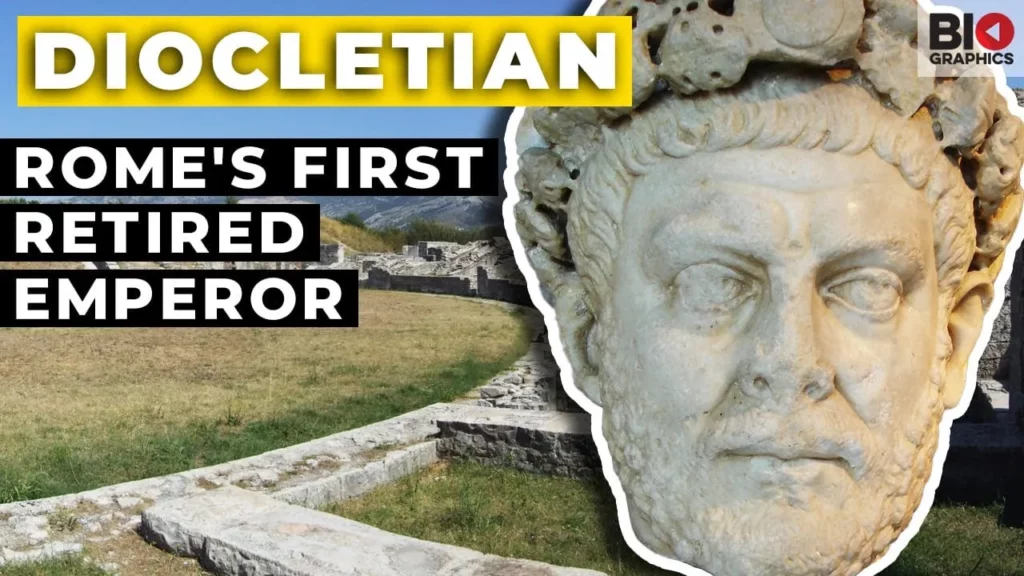
The lesson on Diocletian highlights his emergence as a pivotal leader during the Crisis of the Third Century, a chaotic period marked by invasions, civil wars, and economic decline in the Roman Empire. Diocletian implemented the innovative Tetrarchy system, sharing power with co-emperors to enhance governance and stability, and became the first Roman emperor to voluntarily retire. His reforms temporarily stabilized the empire, but ultimately, the Tetrarchy proved unsustainable, leading to renewed chaos after his departure.
Voltaire – The Best of All Possible Worlds
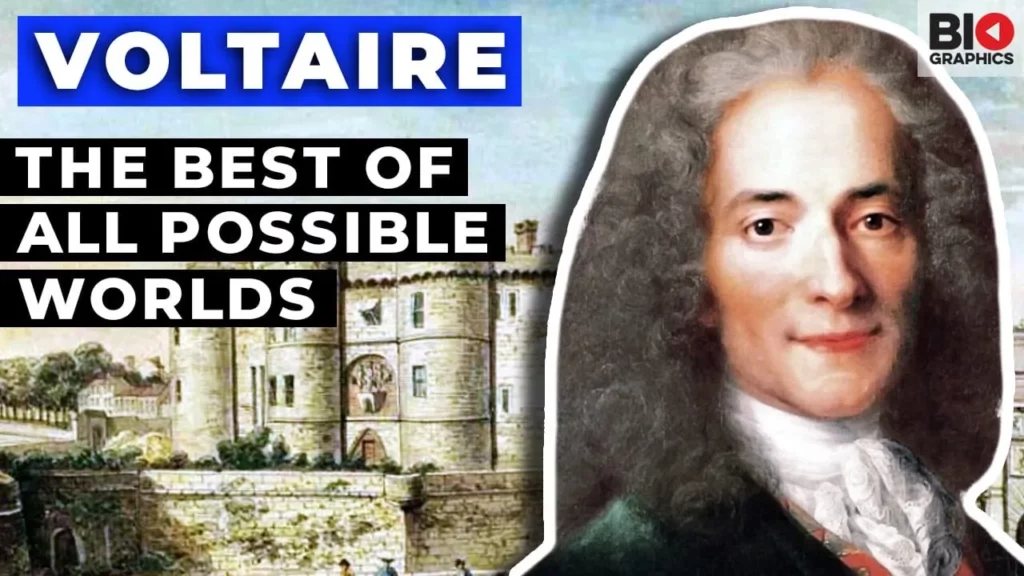
The lesson on Voltaire highlights his remarkable life as a prolific writer and philosopher who navigated the complexities of 18th-century society, often challenging authority and advocating for reason and justice. Despite facing exile and imprisonment, his sharp wit and critical perspective on organized religion and absolute power solidified his role as a key figure of the Enlightenment, with works like “Candide” serving as enduring critiques of optimism and societal norms. Voltaire’s legacy continues to influence literature and philosophy, reflecting his commitment to questioning the status quo and promoting intellectual freedom.
Stephen Girard – America’s Forgotten Multi-millionaire
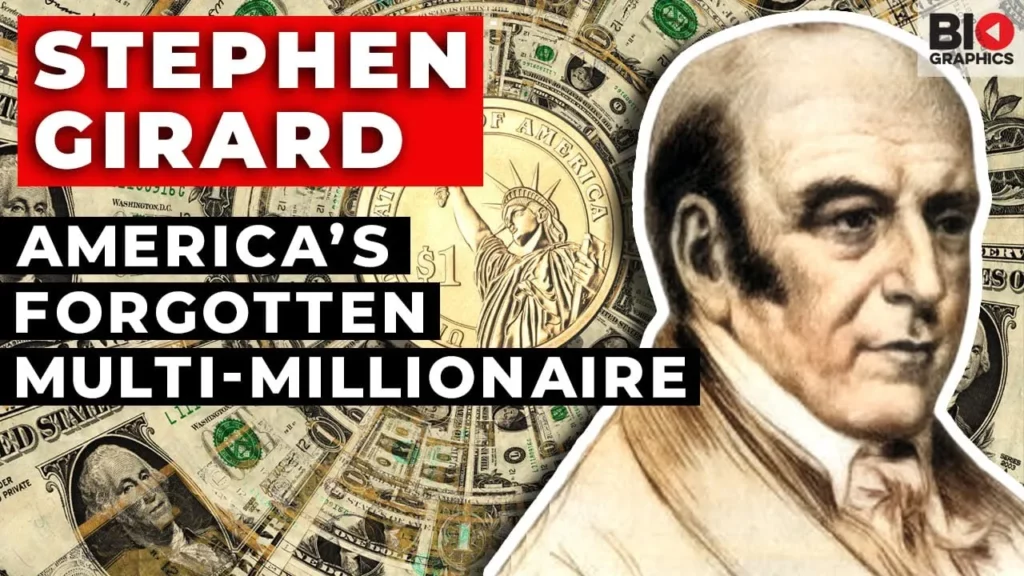
The lesson on Stephen Girard highlights the life of America’s first multi-millionaire, whose remarkable journey from humble beginnings in France to immense wealth in the United States is both inspiring and complex. Despite facing personal challenges and engaging in opportunistic business practices, Girard’s legacy is marked by his significant philanthropic contributions, including the establishment of Girard College for poor orphans, which continues to serve low-income families today. His story serves as a reminder of the impact one individual can have on society, even if their methods are sometimes controversial.