
The Great Train Robbery: Britain’s Most Infamous Heist
The Great Train Robbery, which took place on August 8, 1963, is one of Britain’s most notorious heists, orchestrated by a gang led by Gordon Goody and mastermind Bruce Reynolds. The robbers successfully stopped a Royal Mail train by tampering with signal lights, overpowered the crew, and made off with 120 mailbags filled with cash before police intervention led to their eventual capture. This audacious crime has since become a legendary tale, illustrating the blend of real-life adventure and criminal ingenuity that continues to captivate public interest.
The Industrial Revolution: The Birth of the Modern World
The Industrial Revolution, beginning in the mid-18th century in Great Britain, marked a transformative period that shifted production from handcrafting to machine-based manufacturing, leading to the establishment of factories and urban growth. Innovations in industries, particularly textiles, and the advent of steam power revolutionized transportation and work systems, resulting in significant societal changes, including increased income and the rise of child labor. This era laid the groundwork for the modern world, influencing various aspects of industry, society, and the environment that continue to resonate today.
The Dassler Bross: The Family Feud That Created Adidas and Puma

The lesson explores the intense rivalry between the Dassler brothers, Rudolf and Adolf, which led to the creation of two iconic sportswear brands: Adidas and Puma. Their personal conflicts and competitive spirit not only shaped their businesses but also transformed the sportswear industry, fostering innovation and community division in their hometown. Ultimately, their story illustrates how familial disputes can drive significant advancements and leave a lasting legacy in the world of sports and fashion.
The Luddites: Raging Against the Machines

The lesson explores the Luddite movement during the Industrial Revolution, a period marked by the transition from agricultural to industrial society, where machines began to replace skilled labor. In response to harsh working conditions and job losses caused by mechanization, the Luddites protested by destroying machinery, highlighting the need for social reform and labor rights. Their legacy continues to resonate today as society grapples with the balance between technological advancement and worker welfare.
Henry VIII: England’s Larger Than Life Monarch #sponsored
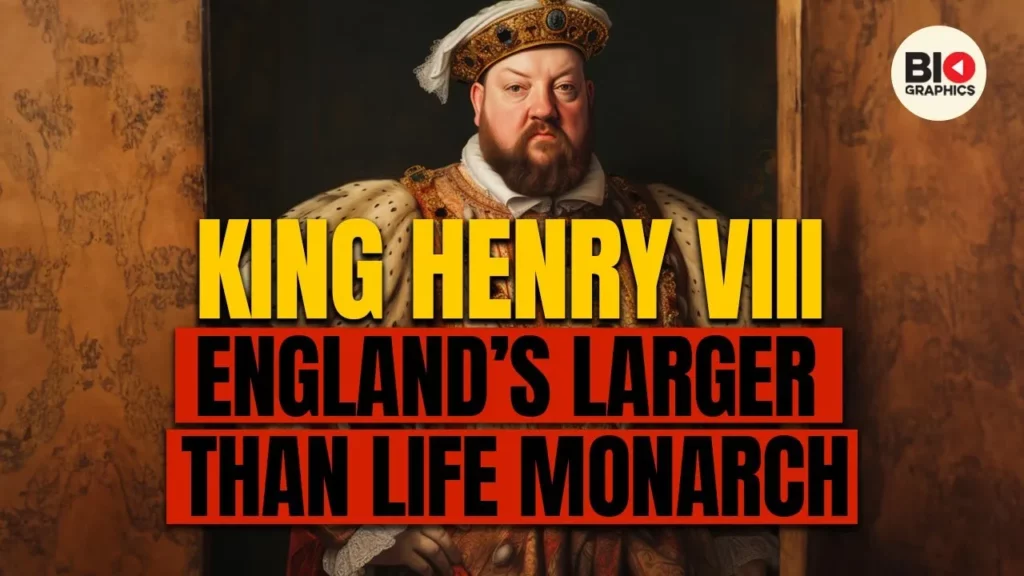
The lesson explores the life and reign of Henry VIII, highlighting his dramatic personal journey and significant impact on English history. Known for his six marriages and the establishment of the Church of England, Henry’s quest for a male heir led to the English Reformation, which reshaped religious and political landscapes in England and beyond. His legacy endures, influencing Protestantism and the course of history in various countries.
Dr Hawley Harvey Crippen: A Notorious Transatlantic Murder Mystery
The lesson delves into the life and trial of Dr. Hawley Harvey Crippen, a figure at the center of one of history’s most infamous murder mysteries. Born in 1862, Crippen’s life took a tragic turn marked by personal loss and a complicated love affair, leading to the mysterious disappearance of his wife, Cora. Despite maintaining his innocence, Crippen was convicted of murder and executed in 1910, but recent discussions have raised questions about the evidence against him, keeping his controversial legacy alive.
William Stephenson: Spymaster
The lesson explores the life of William Stephenson, a significant figure during World War II whose experiences inspired the character of James Bond. From his challenging beginnings in Canada to becoming a prominent spymaster and establishing the British Security Coordination in the U.S., Stephenson’s contributions to the war effort and modern espionage highlight his resilience and innovation. His legacy continues to influence the portrayal of spies in popular culture, underscoring the profound impact one individual can have on history.
Napoleon II: Emperor for 20 Days
The lesson explores the brief and poignant life of Napoleon II, who reigned as Emperor for just 20 days before being overshadowed by his father’s legacy and political turmoil. Born to Napoleon Bonaparte and Marie Louise of Austria, he was celebrated as a potential military leader but faced a life of confinement and health struggles, ultimately passing away at a young age. His story highlights the complexities of history and the impact of political forces on individual destinies, offering insights into the Napoleonic era and the enduring legacy of the Bonaparte name.
Harry Thaw: The Original Killer Playboy
This lesson delves into the life of Harry Thaw, a wealthy and troubled individual who gained notoriety for the 1906 murder of architect Stanford White, an event that became known as the “trial of the century.” Central to the story is a complex love triangle involving Thaw, his wife Evelyn Nesbit, and White, which culminated in Thaw’s claim that he killed White to defend his wife’s honor. Ultimately, Thaw was found not guilty by reason of insanity, leading to a life marked by further violence and legal issues, while Nesbit continued her career in theater after their tumultuous marriage.
Alfred Hitchcock: Hollywood’s Master of Suspense
This lesson explores the life and career of Alfred Hitchcock, renowned as Hollywood’s master of suspense. It highlights his early influences, rise to fame through innovative filmmaking, and the creation of iconic films that have left a lasting impact on the cinematic landscape. Despite personal challenges, Hitchcock’s legacy endures, inspiring future filmmakers and captivating audiences worldwide.