
King George VI: The Reluctant Monarch
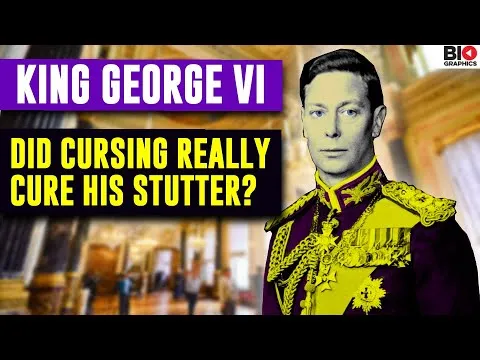
In this lesson, we explored the life of King George VI, who unexpectedly ascended to the throne after his brother’s abdication. Despite facing personal challenges such as a stutter and health issues, he demonstrated remarkable courage and leadership during World War II, earning respect and admiration. His legacy continues through his daughter, Queen Elizabeth II, and grandson, King Charles III, who uphold the values of the monarchy.
Charles XII: The Last Great King of the Swedish Empire
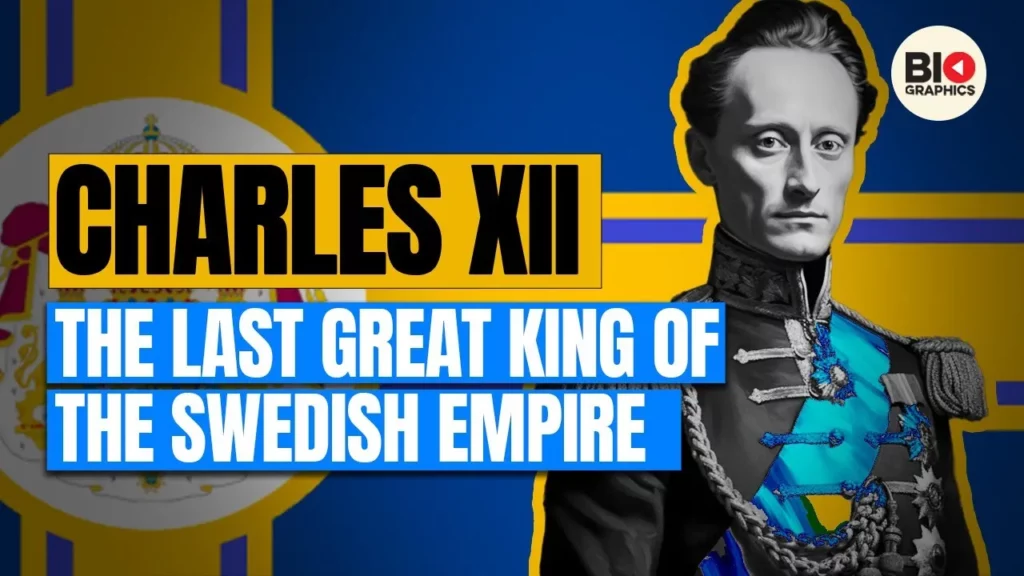
The lesson on Charles XII explores the rise and fall of the last great king of the Swedish Empire, highlighting his military genius and unyielding ambition during the tumultuous period of the Great Northern War. Despite early victories, including a decisive win at the Battle of Narva, Charles’s overconfidence and strategic miscalculations, particularly during his ill-fated invasion of Russia, ultimately led to the collapse of Sweden’s power. His legacy serves as a cautionary tale about the complexities of leadership and the consequences of relentless ambition.
Charles Floyd: America’s Robin Hood, or Ruthless Criminal?

The lesson explores the life of Charles “Pretty Boy” Floyd, a notorious figure in American history known for his criminal exploits and the Robin Hood persona he cultivated during the Great Depression. Born in Georgia and raised in Oklahoma, Floyd’s journey into crime began in his youth, leading to a series of robberies and violent confrontations with law enforcement, culminating in his death in 1934. His legacy remains controversial, as he is viewed by some as a generous outlaw and by others as a ruthless criminal.
Elmer McCurdy: The Wild West Outlaw Who Became a Mummy

The lesson explores the intriguing life of Elmer McCurdy, a Wild West outlaw whose journey led to his unexpected transformation into a mummy. After his death in a failed robbery in 1911, McCurdy’s embalmed body became a sideshow attraction until it was discovered in 1976 at an amusement park, ultimately leading to his identification and burial in 1977. This fascinating tale highlights the unusual intersections of crime, history, and entertainment in the Wild West era.
Moe Berg: Baseball Star or Master of Espionage?

The lesson explores the intriguing life of Moe Berg, a professional baseball player who also served as a potential spy during World War II. Despite his modest baseball skills, Berg distinguished himself through his intellect, linguistic abilities, and education, which included degrees from Princeton and Columbia. His dual legacy as both a sports figure and an operative for the Office of Strategic Services (OSS) highlights the complexities of his character and the mysteries surrounding his espionage activities.
Amenhotep III: The Pinnacle of Egyptian Prosperity
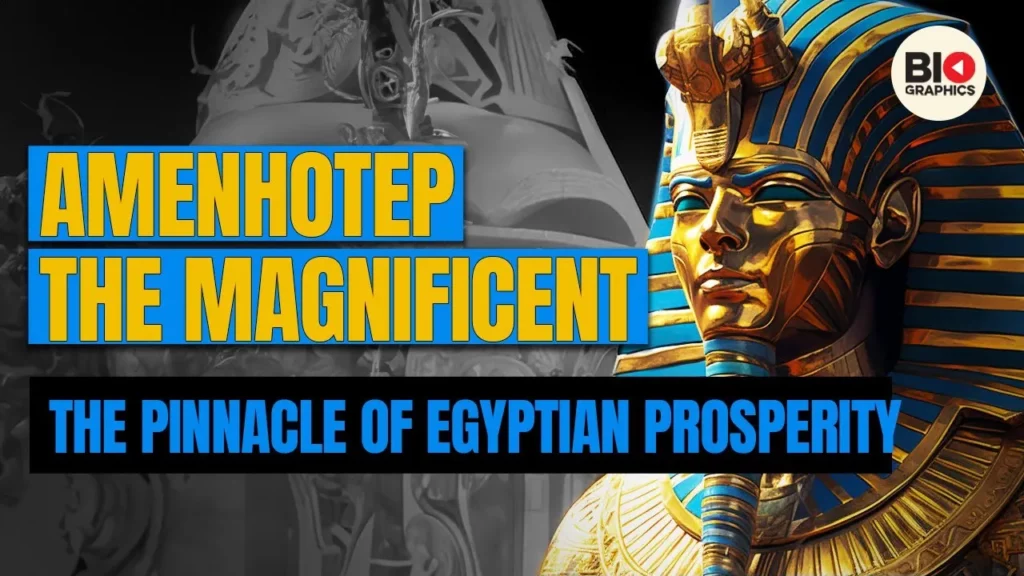
The lesson explores the life and reign of Amenhotep III, a prominent pharaoh of ancient Egypt known for his significant contributions to the country’s prosperity and cultural achievements during the New Kingdom. His nearly four-decade rule was characterized by diplomatic strategies, monumental construction projects like the Karnak Temple and his Mortuary Temple, and a focus on peace rather than warfare. Despite personal tragedies, including the loss of his eldest son, Amenhotep III’s legacy endures through his impressive architectural feats and the lasting impact he had on Egyptian history.
Christopher Plummer: Seven Decades of Excellence
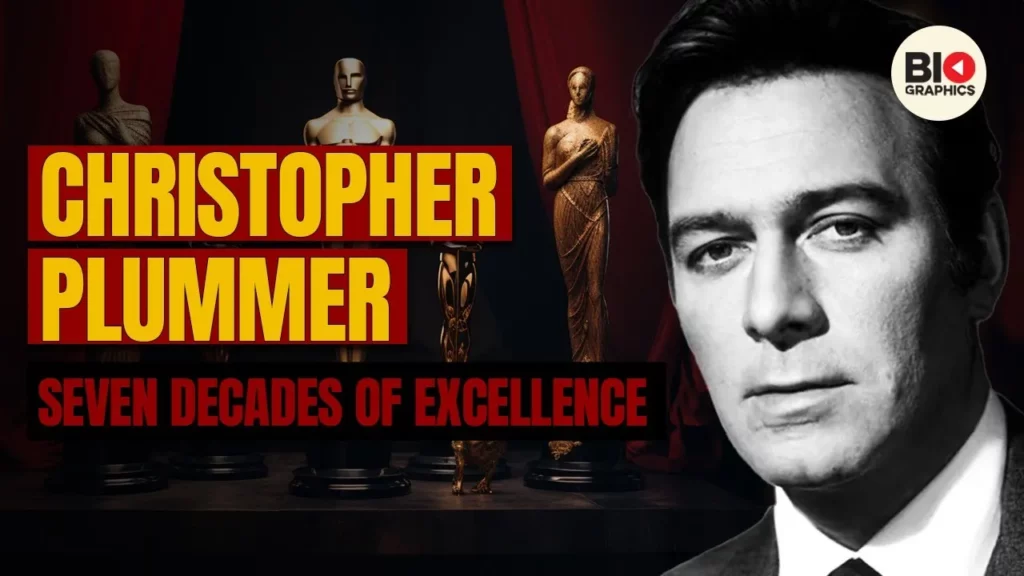
The lesson explores the illustrious career of Christopher Plummer, a distinguished actor whose work spanned over seven decades, highlighting his rise to fame with “The Sound of Music” and his remarkable versatility across theater, film, and television. Plummer achieved the prestigious Triple Crown of acting and portrayed numerous historical figures, leaving a legacy marked by humility and dedication to his craft. His journey serves as an inspiring example of passion and perseverance in the arts, ensuring his contributions will be celebrated for generations.
Anne Bonny: History’s Most Infamous Female Pirate

This lesson explores the adventurous life of Anne Bonny, one of history’s most notorious female pirates. Born in Ireland and raised in Carolina, Anne defied societal norms by marrying a pirate and later joining forces with Captain Calico Jack, engaging in daring escapades on the high seas. Her story highlights her resilience and the mystery surrounding her fate after being captured, illustrating the significant yet often overlooked role of women in piracy.
Queen Elizabeth I: Queen of England’s Golden Age
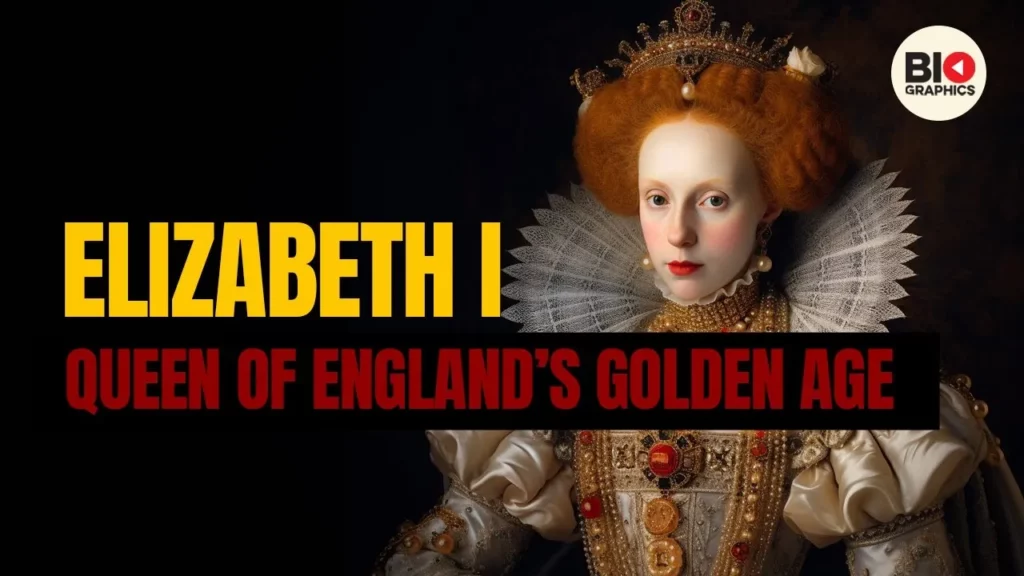
The lesson explores the life and reign of Queen Elizabeth I, highlighting her journey from a troubled childhood to becoming one of England’s most celebrated monarchs during the Elizabethan era. Despite facing significant challenges, including religious tensions and societal expectations, Elizabeth maintained her independence and authority, fostering a flourishing cultural landscape marked by the arts and the English Renaissance. Her legacy as a resilient and intelligent leader continues to inspire, symbolizing female empowerment and shaping the future of England.
Marvin Heemeyer: Architect of the “Killdozer”

The lesson on Marvin Heemeyer, the architect of the “Killdozer,” explores the tragic consequences of unresolved conflicts and unchecked emotions, culminating in a destructive rampage in Granby, Colorado, on June 4, 2004. Heemeyer’s story serves as a cautionary tale about the dangers of anger and resentment, highlighting the importance of communication and peaceful conflict resolution. Ultimately, it prompts reflection on how grievances can escalate if not addressed constructively.