
Truman Capote: The Troubled Author of In Cold Blood
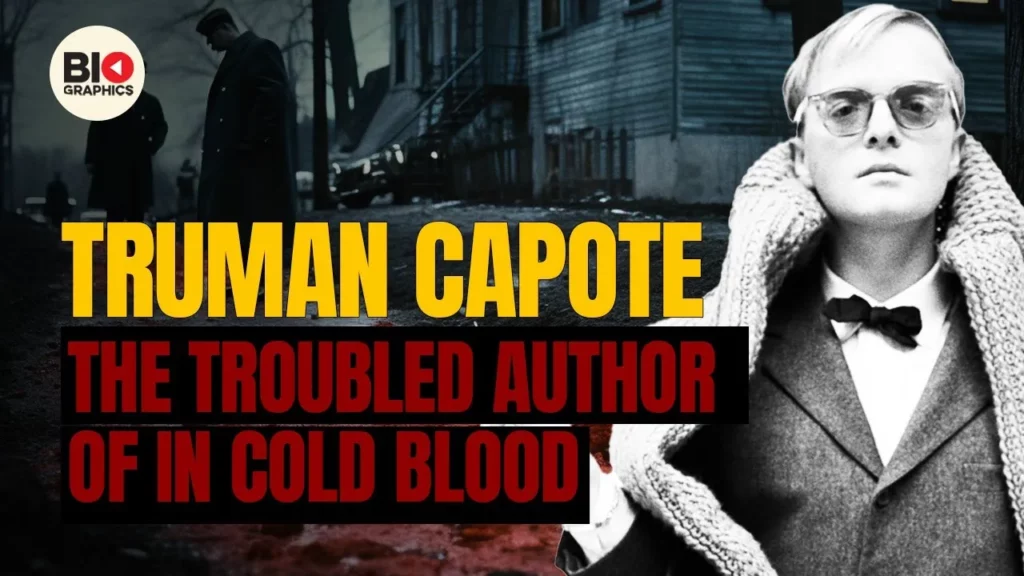
This lesson explores the life and work of Truman Capote, a significant figure in American literature best known for his groundbreaking non-fiction novel “In Cold Blood.” Born in 1924, Capote faced early instability but rose to fame with his unique writing style and vibrant personality, becoming a prominent figure in New York’s social scene. Despite his literary achievements, including notable works like “Breakfast at Tiffany’s,” Capote struggled with personal challenges and addiction in his later years, leaving behind a complex legacy that continues to influence writers and readers today.
Charlotte Corday: Angel of Assassination
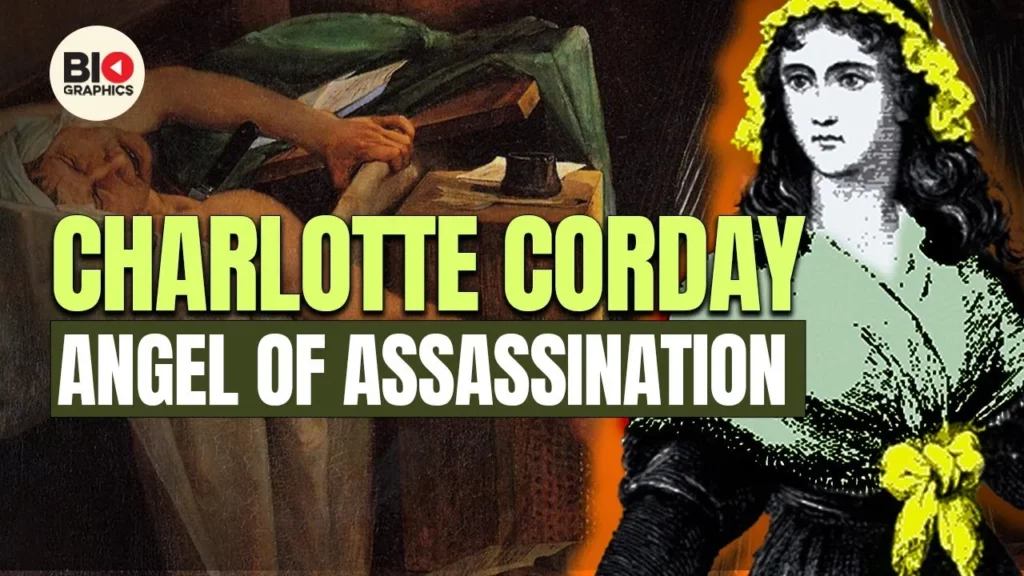
The lesson explores the life and actions of Charlotte Corday, known as the “Angel of Assassination,” who believed that assassinating revolutionary leader Jean-Paul Marat would save France from tyranny. Despite her intentions to halt violence, her act led to intensified repression during the Reign of Terror and ultimately resulted in her own execution. Corday’s story serves as a complex reminder of the unintended consequences that can arise from revolutionary actions.
Titus: The Short Reign of One of Rome’s Most Popular Emperors
The lesson explores the life and reign of Emperor Titus, who, despite ruling for only two years, became one of Rome’s most beloved leaders. Known for his military prowess and compassionate governance, Titus faced numerous challenges, including natural disasters, yet he remained dedicated to justice and the welfare of his people. His legacy is marked by significant achievements, such as the inauguration of the Colosseum, and he is remembered for his fairness and kindness, highlighting the importance of compassion in leadership.
Keith Moon: Too Wild for Rock and Roll?

The lesson explores the life of Keith Moon, the iconic drummer of The Who, highlighting his musical talent and notorious chaotic lifestyle. From his early fascination with music to his explosive performances and reckless behavior, Moon’s journey reflects the tension between artistic genius and personal turmoil. His untimely death at 32 serves as a poignant reminder of the impact of his wild lifestyle on his health and legacy in rock and roll history.
Paul John Knowles: The Brutal Rampage of The Casanova Killer

The lesson explores the life of Paul John Knowles, known as the Casanova Killer, highlighting how his charm masked a violent and criminal nature. Born into instability, Knowles escalated from petty theft to a series of brutal murders, ultimately confessing to 18 killings before his death during a prison transfer. The narrative serves as a cautionary tale about the deceptive nature of appearances and the complexities of criminal behavior, emphasizing the importance of studying such cases for insights into psychology and prevention.
Dutch Schultz: The Beer Baron of the Bronx

The lesson explores the life of Dutch Schultz, a notorious mobster and bootlegger during the Prohibition era, who rose to power in New York’s criminal underworld. Born Arthur Simon Flegenheimer in the Bronx, Schultz capitalized on the illegal alcohol trade, engaging in violent gang wars to secure his dominance. Despite his initial success, his empire ultimately crumbled due to rivalries, betrayals, and the relentless pursuit of law enforcement, leaving behind a legacy shrouded in legend and the mystery of hidden treasure.
Lucille Ball: The Red Head With Moxy Who Changed TV Forever

The lesson highlights the remarkable life and career of Lucille Ball, a pioneering figure in television history known for her groundbreaking sitcom “I Love Lucy.” Despite facing personal and professional challenges, Lucille’s talent and perseverance transformed the entertainment industry, making her a lasting icon whose influence is still celebrated today. Her journey from a difficult childhood to becoming a television legend serves as an inspiration to many.
Desi Arnaz: The “Prince” of Cuba, The King of Television

The lesson explores the life and legacy of Desi Arnaz, a pivotal figure in television history best known for co-creating the groundbreaking show “I Love Lucy.” Born into a wealthy family in Cuba, Arnaz faced significant challenges after fleeing to the United States, yet he rose to prominence in the entertainment industry through his musical talent and innovative contributions to sitcom production. His story highlights resilience and creativity, leaving a lasting impact on television that continues to be felt today.
The Enlightenment: Stumbling in the Darkness
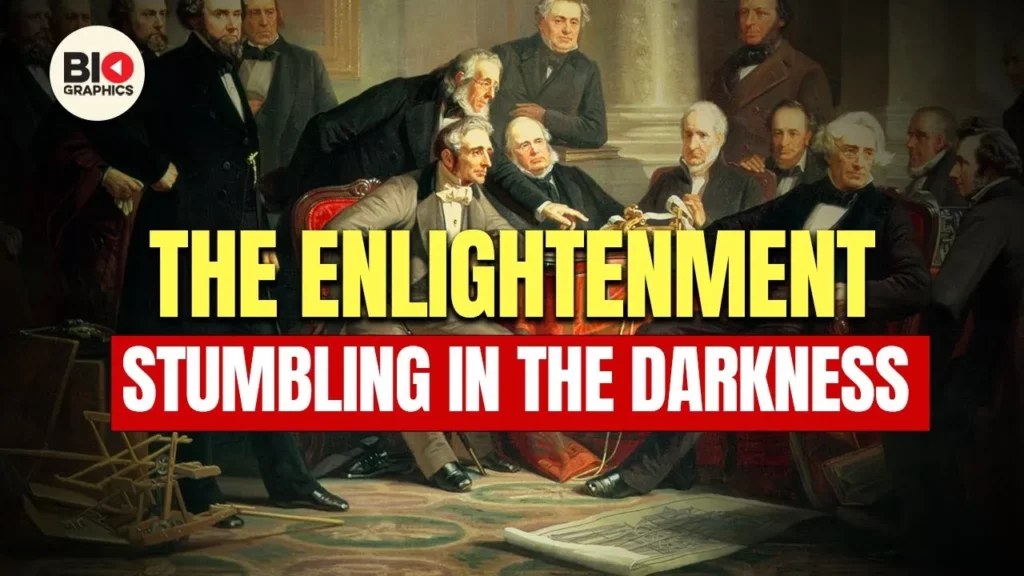
The Enlightenment was a transformative period in European history marked by significant advancements in science, politics, and philosophy, challenging traditional beliefs and promoting ideas such as equality, individual liberty, and governance by consent. Key figures like Immanuel Kant and Voltaire contributed to the intellectual discourse, while coffeehouses served as vital venues for the exchange of revolutionary ideas. Despite its progress, the Enlightenment was also characterized by contradictions, including the expansion of the Atlantic slave trade, highlighting the complexities of this influential era.
Annie Taylor: First Over Niagara Falls in a Barrel
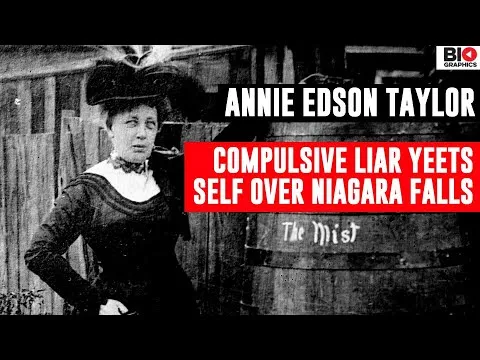
The lesson tells the inspiring story of Annie Edson Taylor, a woman in her 60s who became a daredevil by going over Niagara Falls in a barrel in 1901. Despite facing challenges and ultimately not achieving the fame and fortune she sought, Annie’s courageous act highlights the extraordinary potential within seemingly ordinary individuals. Her legacy as the “Queen of the Mist” serves as a reminder of the power of determination and bravery.