
Chester Arthur: The Most Forgettable President?
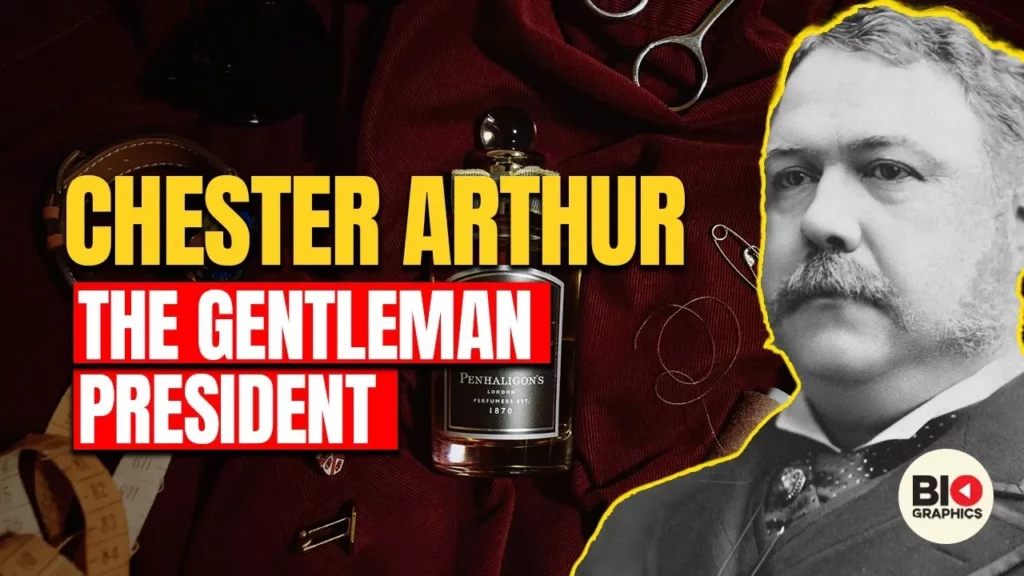
The lesson on Chester Arthur highlights the often-overlooked contributions of the 21st President of the United States, who rose to prominence after the assassination of James Garfield. Initially doubted, Arthur earned respect for his support of civil service reform and modernization of the U.S. Navy, yet he remains frequently categorized as a “forgettable” president. His legacy serves as a reminder that even less celebrated leaders can have a significant impact on history.
Anne Frank: The Flame the Holocaust Could not Extinguish
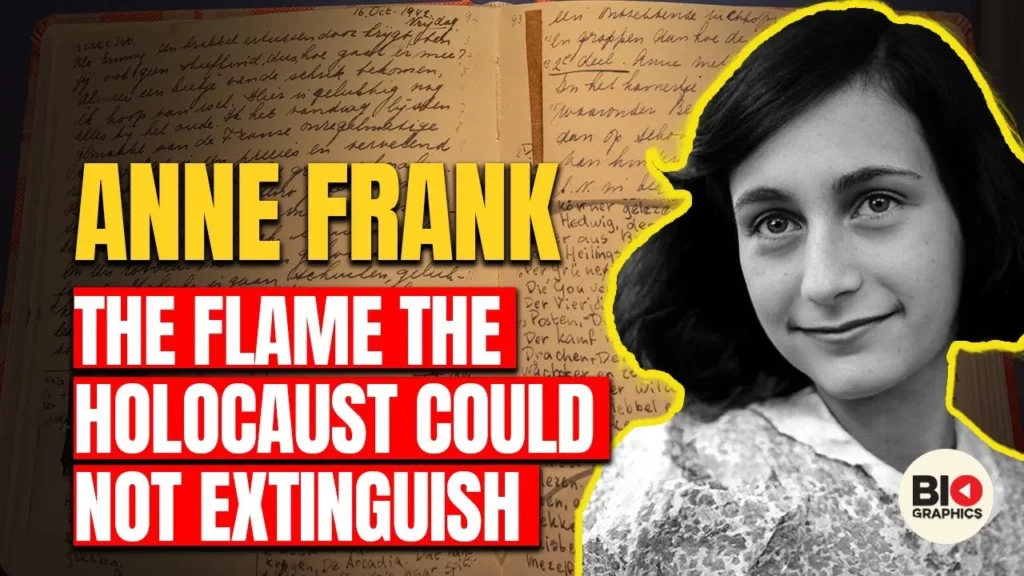
The lesson explores the life and legacy of Anne Frank, a young Jewish girl whose diary documented her experiences during the Holocaust. Despite the horrors she faced, Anne’s writing has inspired countless individuals to combat prejudice and injustice, highlighting the enduring power of hope and the human spirit. Her story serves as a poignant reminder of the importance of compassion and understanding in the face of adversity.
Jack Gilbert Graham: The Denver Dynamite Fiend

The lesson discusses the tragic event of the United Airlines Flight 629 bombing in 1955, marking the first confirmed case of midair sabotage in U.S. history, which resulted in the deaths of all 44 passengers on board. The perpetrator, Jack Gilbert Graham, targeted his mother for financial gain, leading to his conviction and execution, and prompting significant changes in aviation security laws and practices. This incident underscored the need for stricter regulations in air travel, ultimately contributing to the enhanced safety measures that exist today.
Was SARS the original COVID?

This lesson explores the history and impact of SARS, a coronavirus that emerged in 2002 and shares similarities with the COVID-19 pandemic. It details the global response to the SARS outbreak, including containment efforts and the eventual decline of cases by mid-2003, while highlighting how practices that contributed to SARS resurfaced, leading to the COVID-19 pandemic in 2020. The lesson emphasizes the importance of understanding past viral outbreaks to better navigate future health crises.
Didius Julianus: The Man Who Bought the Roman Empire
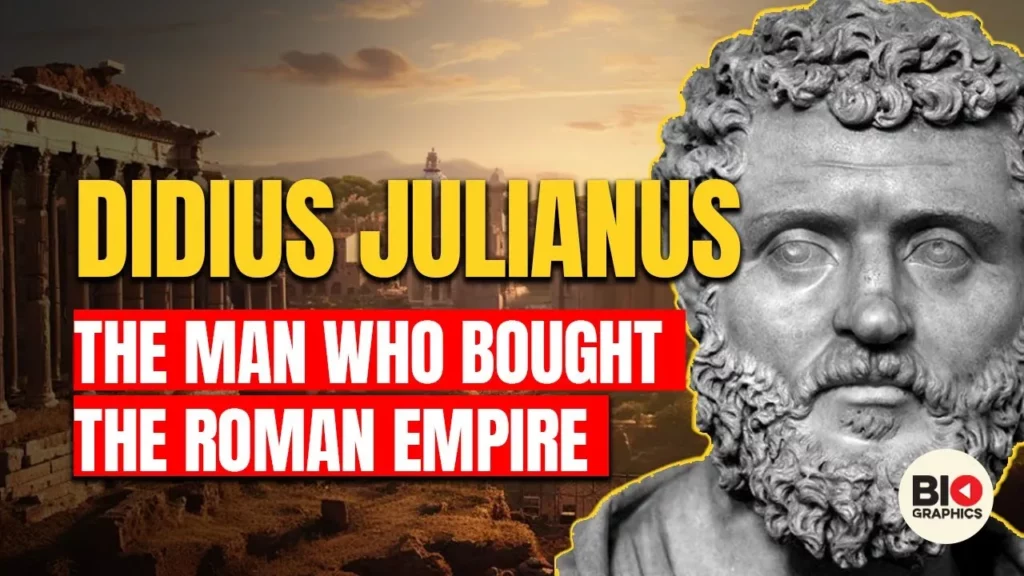
The lesson explores the remarkable and tumultuous story of Didius Julianus, who infamously purchased the Roman Empire after the assassination of Emperor Commodus in 192 AD. His brief reign of just 66 days was marked by widespread disdain and a lack of legitimacy, ultimately leading to his downfall when he was overthrown by the general Septimius Severus. Julianus’s tale serves as a cautionary reminder of the volatile nature of power and the intricate dynamics of Roman politics.
Carausius: The Roman Pirate Who Became an Emperor
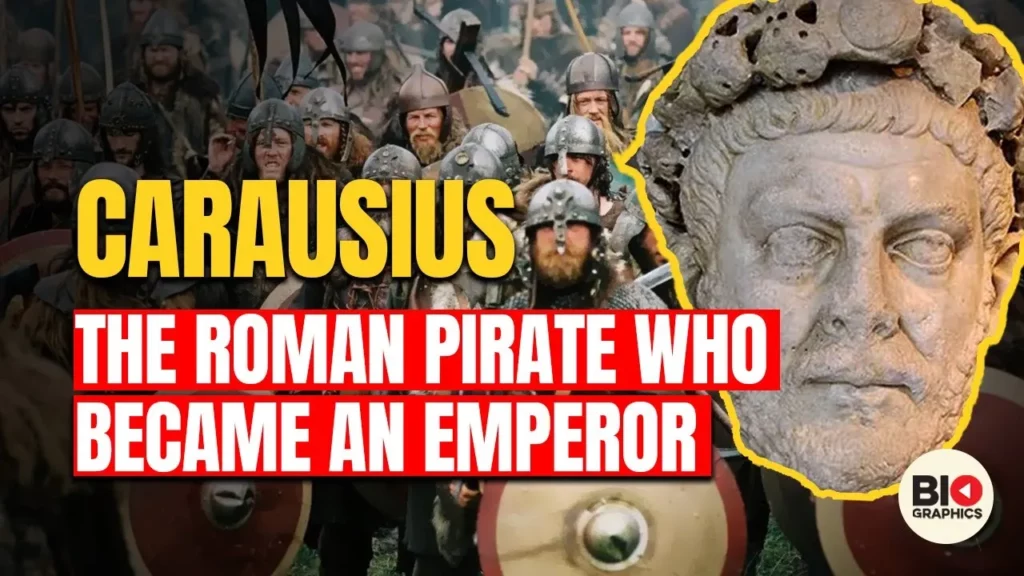
The lesson explores the life and rise of Carausius, a military commander who declared himself emperor during the tumultuous Crisis of the 3rd Century in the Roman Empire. Initially serving under Diocletian, Carausius gained control over Roman Britain and parts of Northern Gaul, positioning himself as a co-emperor despite facing challenges from established rulers. His reign ultimately ended with his assassination, but his story illustrates the shifting power dynamics and the potential for individual ambition amidst the Empire’s decline.
Michael Jackson: The Troubled Life of the King of Pop
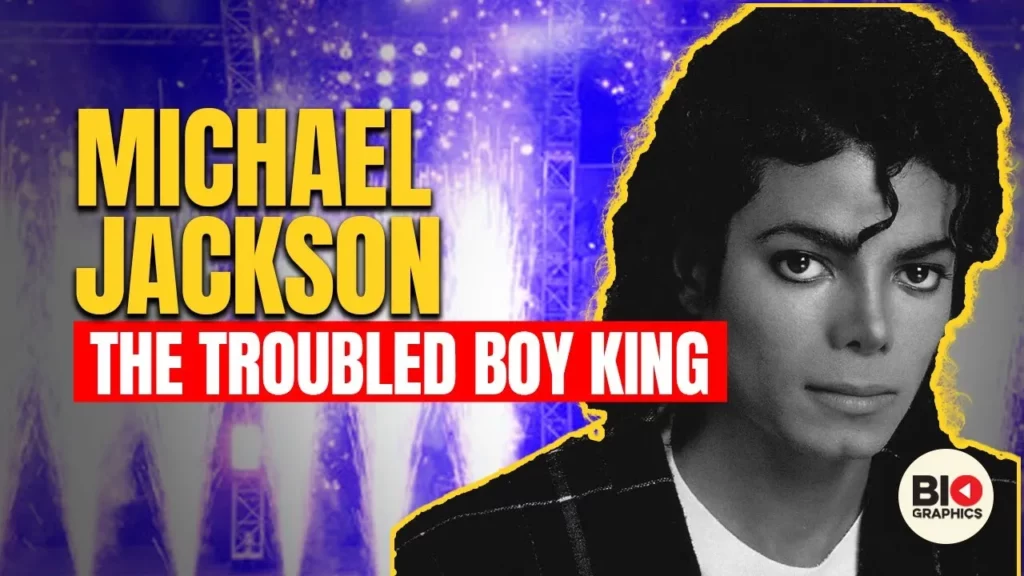
This lesson explores the life of Michael Jackson, the King of Pop, highlighting his rise to fame, early challenges, and significant achievements, including his groundbreaking music and record-setting Grammy wins. It also addresses the controversies and personal struggles he faced, ultimately shaping his complex legacy as a musical icon. Despite his passing in 2009, Jackson’s influence and contributions to music continue to resonate with fans worldwide.
Lysander: The SPARTAN who conquered ATHENS
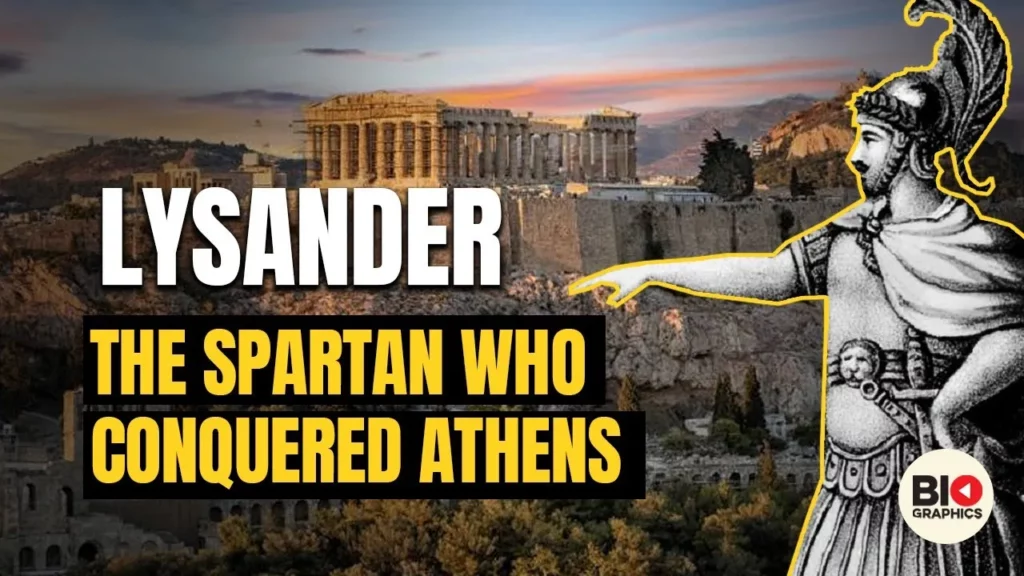
This lesson explores the life of Lysander, a Spartan general who played a pivotal role in the Peloponnesian War, a significant conflict between Sparta and Athens in ancient Greece. Born into a humble background, Lysander rose to prominence through his strategic acumen and alliances, particularly with Persia, ultimately leading to Sparta’s victory over Athens in 404 BC. His legacy highlights the complexities of power and ambition, culminating in his death during a subsequent conflict against a coalition of Greek states.
Jan Palach: The Ultimate Sacrifice Against Soviet Tyranny

The lesson on Jan Palach highlights his courageous act of self-immolation in January 1969 as a powerful protest against Soviet oppression during the Prague Spring in Czechoslovakia. Despite the immediate suppression of his message and the regime’s attempts to erase his legacy, Palach’s sacrifice became a symbol of resistance and inspired future movements for freedom, ultimately contributing to the end of communist rule in the Velvet Revolution. His story serves as a poignant reminder of the impact of selflessness and the importance of standing up against tyranny.
Leone Jacovacci: A Black Boxer in Fascist Italy
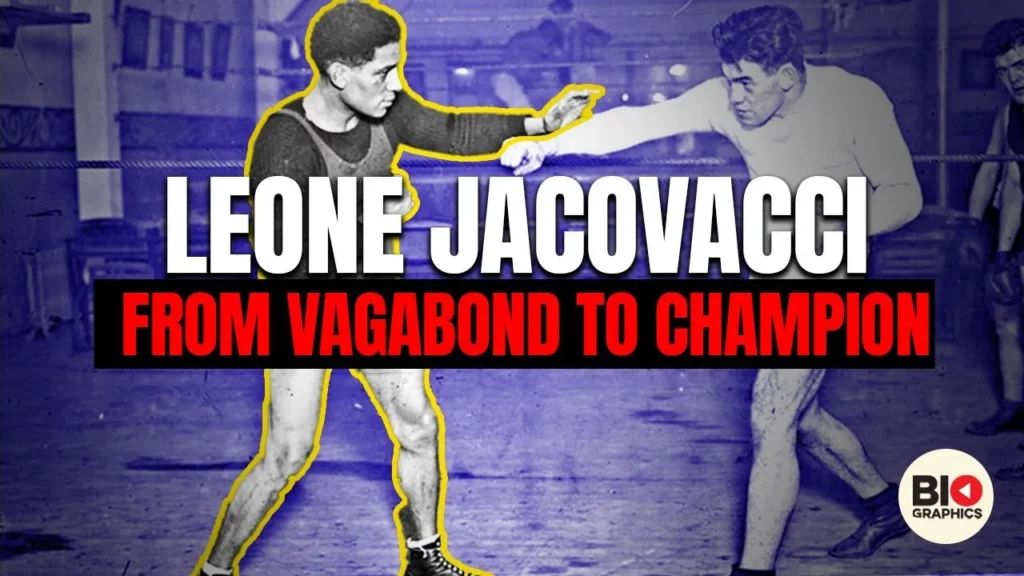
The lesson explores the life of Leone Jacovacci, a pioneering black boxer in Fascist Italy, highlighting his resilience and determination in overcoming racial and societal challenges during the 1920s. Born in Angola and raised in Italy, Jacovacci’s journey from humble beginnings to becoming a European middleweight champion exemplifies his talent and perseverance, despite facing discrimination under Mussolini’s regime. His legacy endures as a symbol of courage and the fight against adversity, inspiring future generations to challenge societal norms.