
THE PRAETORIAN GUARD: The BODYGUARDS Who Shaped the Course of ROMAN HISTORY
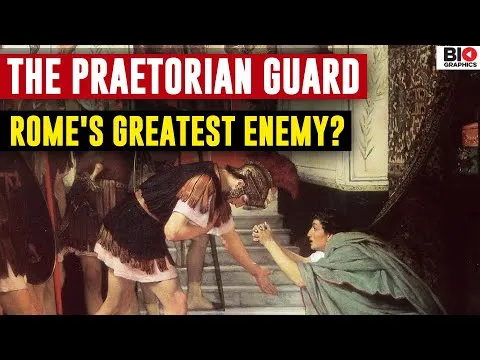
The lesson explores the Praetorian Guard, the elite bodyguards of Roman emperors, who significantly influenced the course of Roman history from their inception in the Republic to their dissolution in 313 AD. Initially formed for protection, they evolved into powerful political players, involved in key events such as Julius Caesar’s rise and fall, and the assassinations of emperors like Caligula and Nero. Their legacy is characterized by their role in shaping imperial politics through conspiracies and power struggles, ultimately leading to their disbandment by Constantine the Great.
Harold Shipman: The Deadly Doctor

The lesson emphasizes the importance of setting boundaries and recognizing when to decline requests for assistance. It highlights that it’s okay to say no and that doing so can help maintain personal well-being and focus on priorities. Ultimately, the lesson encourages self-awareness and assertiveness in communication.
Project Gemini: Learning to Fly in Space

The lesson on Project Gemini highlights its significance as a crucial step in NASA’s journey toward landing humans on the moon. Initiated in response to the Space Race, Gemini focused on developing essential skills such as spacecraft maneuvering, docking, and conducting spacewalks, while also showcasing international collaboration and innovation. The program’s achievements, including the first American spacewalk and successful spacecraft rendezvous, ultimately laid the foundation for the Apollo missions and exemplified human determination in space exploration.
Gaius Appulius Diocles: The Richest Athlete of All Time?
The lesson explores the life of Gaius Appulius Diocles, a Roman charioteer who may have been the wealthiest athlete in history, with earnings potentially surpassing modern sports icons when adjusted for inflation. It highlights the significance of chariot racing in ancient Rome, the intense rivalries among fans, and Diocles’s remarkable career, which included 4,257 races and 1,462 victories. Despite his legendary status, the details of his life after retirement remain a mystery, leaving a lasting intrigue about his legacy in the world of sports.
Vercingetorix: The King who United Gaul against the Romans.
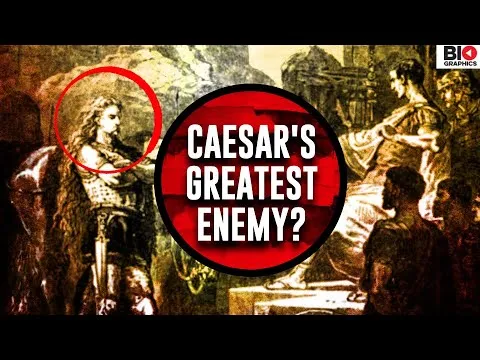
This lesson explores the life and legacy of Vercingetorix, the leader who united the Gallic tribes in their resistance against Julius Caesar and the Roman Republic during the Gallic Wars. Despite his eventual defeat at the Siege of Alesia, Vercingetorix’s strategic leadership and efforts to foster unity among the tribes left a lasting impact, making him a symbol of defiance and resilience in the face of oppression. His story highlights the importance of leadership and collaboration when confronting formidable challenges.
Athelstan: The First King of England
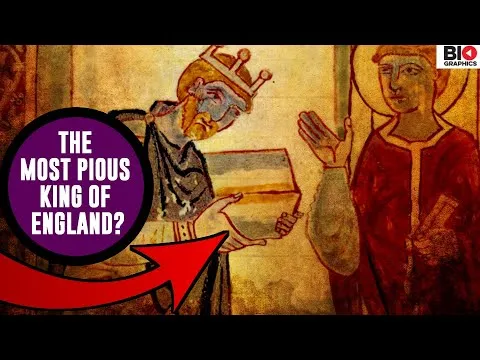
The lesson on Athelstan, the first King of England, highlights his significant role in uniting ancient Britain under one crown, overcoming familial challenges to consolidate power. His reign, marked by military conquests, governance reforms, and a commitment to social welfare, established a centralized administration and solidified his authority over rival kingdoms. Athelstan’s legacy, while sometimes overshadowed by his predecessors, is recognized as a pivotal moment in the formation of England, showcasing the complexities of medieval kingship and the lasting impact of his rule.
The Pony Express: The Fastest Mail Service in the Wild West
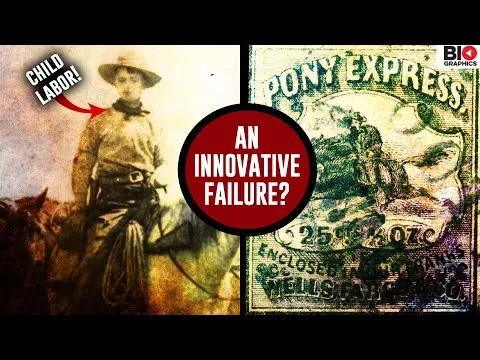
The lesson explores the history and significance of the Pony Express, a legendary mail service that operated from 1860 to 1861, which aimed to improve communication across the American West by delivering mail from Missouri to California in just 10 days. Despite its brief existence, the Pony Express became a symbol of adventure and determination, showcasing the courage of its riders and the innovative spirit of the time. Ultimately, it was rendered obsolete by the telegraph, but its legacy endures as a fascinating chapter in American history.
Cicero: The GREATEST Statesman of Ancient Rome? #sponsored
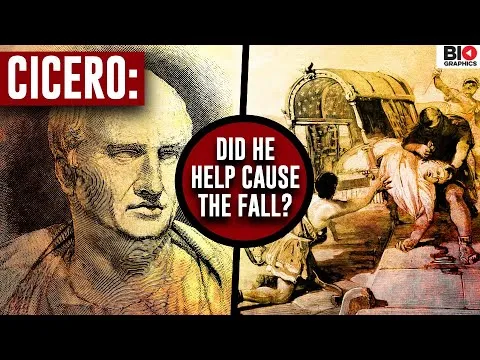
This lesson explores the life and legacy of Marcus Tullius Cicero, a prominent statesman and orator in ancient Rome. Born in 106 BC, Cicero rose to fame through his legal career and political achievements, notably as consul, where he thwarted a coup attempt. Despite facing exile and ultimately being executed, his writings and speeches continue to influence political thought and demonstrate the power of eloquence in shaping history.
Carnivorous Scavenger Butterflies Eat a Fish “Puddling”

In this lesson, we learn about the unique behavior of carnivorous scavenger butterflies, particularly their practice of “puddling,” where they gather around sources of moisture, like a fish, to obtain essential minerals and salts. Unlike typical butterflies that primarily feed on nectar, some species seek out alternative food sources to meet their nutritional needs. Observing these behaviors in nature can reveal the fascinating ways butterflies adapt and thrive in their environments.
3 year old reports on oil spill conditions on Alabama’s Gulf coast

In this lesson, we join Sadie and Debbie on an adventurous day at Gulf Shores beach, where they explore the sandy shores and discover seashells and a clam, while noting the absence of oil. They learn about the Klean Seagull Patrol’s efforts to keep the beach clean and test the water for safety, ultimately realizing that nature has a remarkable ability to heal itself. The day emphasizes the importance of environmental stewardship and enjoying the beauty of nature responsibly.